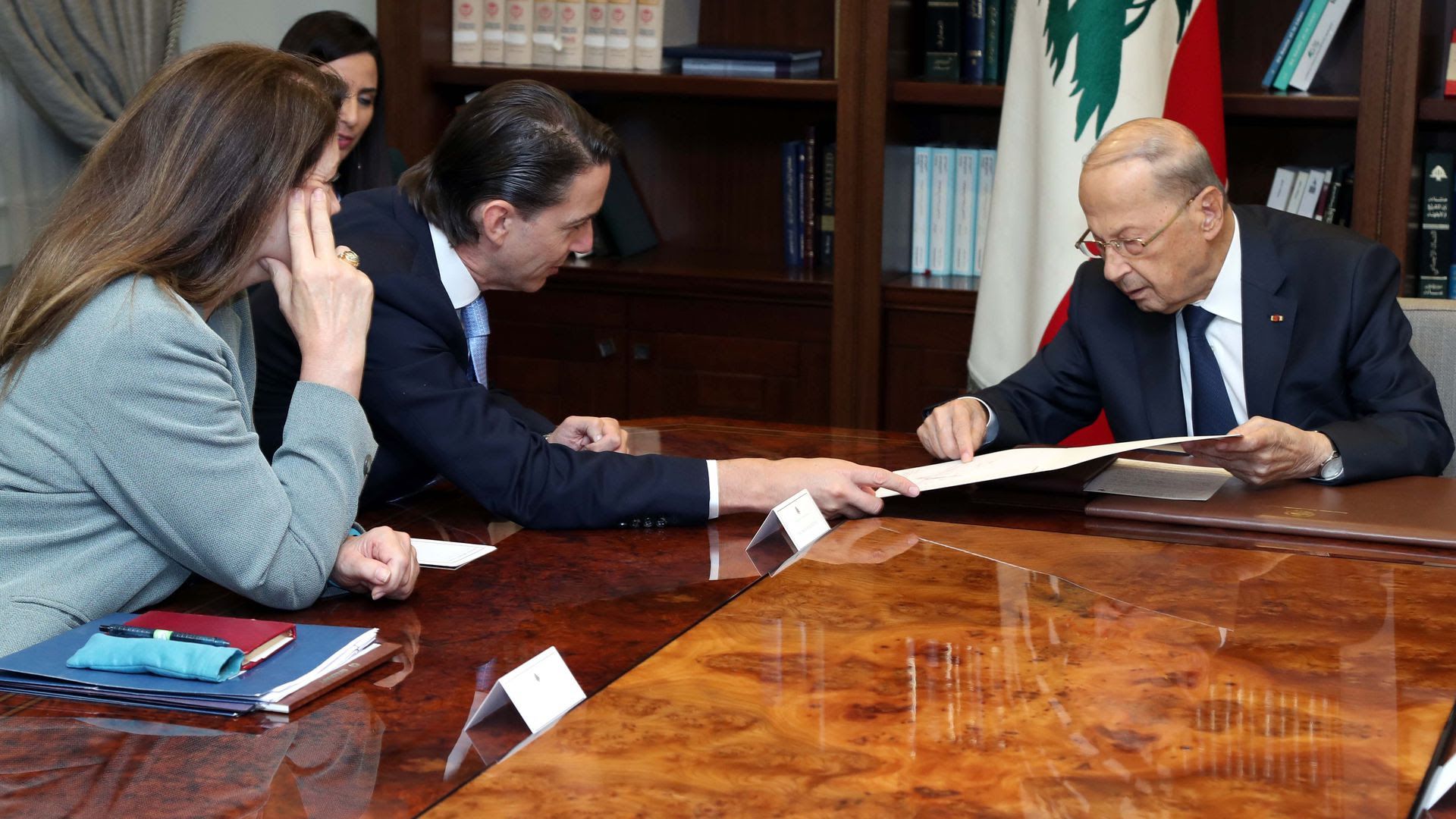
State Department energy envoy Amos Hochstein, who is mediating between Israel and Lebanon in their maritime border dispute, ended his visit to Beirut Tuesday with more room for diplomacy.
Why it matters: The U.S. has expressed deep concern that rising tensions between Lebanon and Israel over the maritime border dispute of a potentially gas-rich area in the Mediterranean Sea could lead to an escalation in the region.
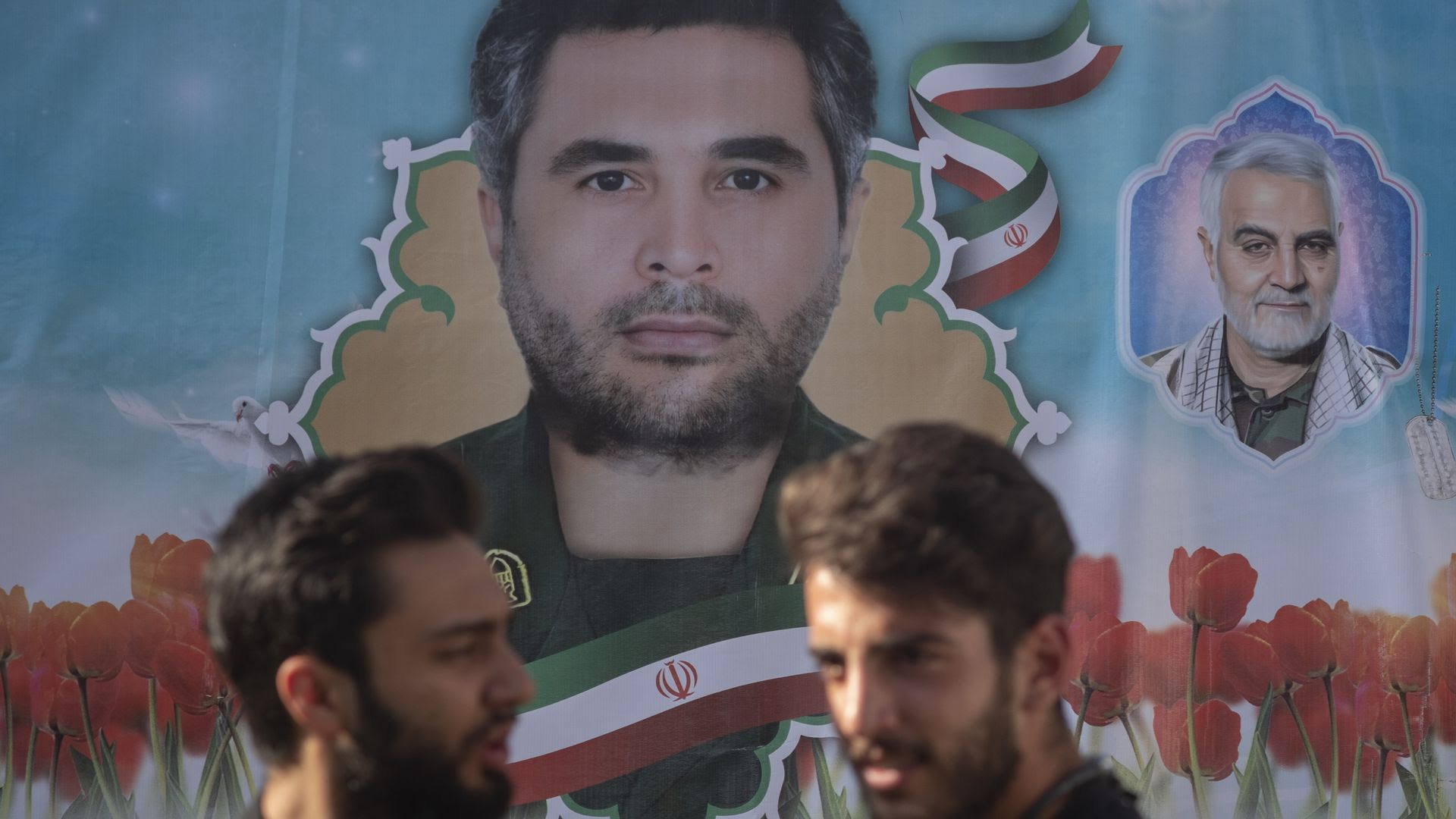
Iran suspects Israel is behind a series of assassinations of Iranian military officers and scientists. Now, Israel claims Iran is planning attacks on Israeli targets around the world.
What's happening: At least seven individuals associated with the Islamic Revolutionary Guard Corps (IRGC) or Tehran's nuclear, missile or drone programs have died in suspicious circumstances over the past three weeks.
Russian opposition figure Alexei Navalny said Wednesday he was moved from the prison where he was serving out a sentence since February 2021 to a high-security facility.
Why it matters: Navalny supporters, including his lawyer, were unaware of his whereabouts for several hours on Tuesday because of the abrupt transfer, which came after he recently received a new nine-year sentence and charges that could add up to 15 additional years.
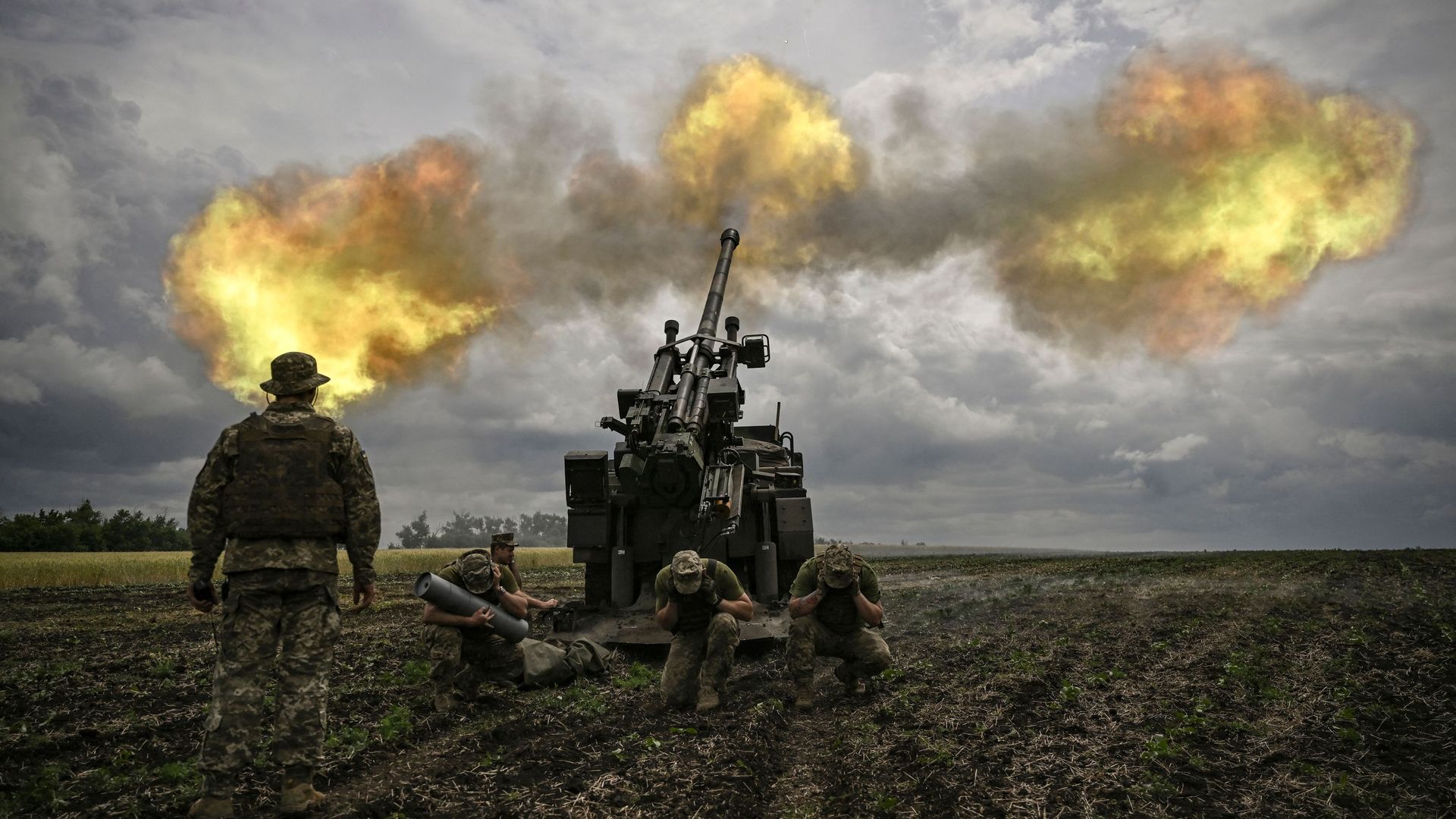
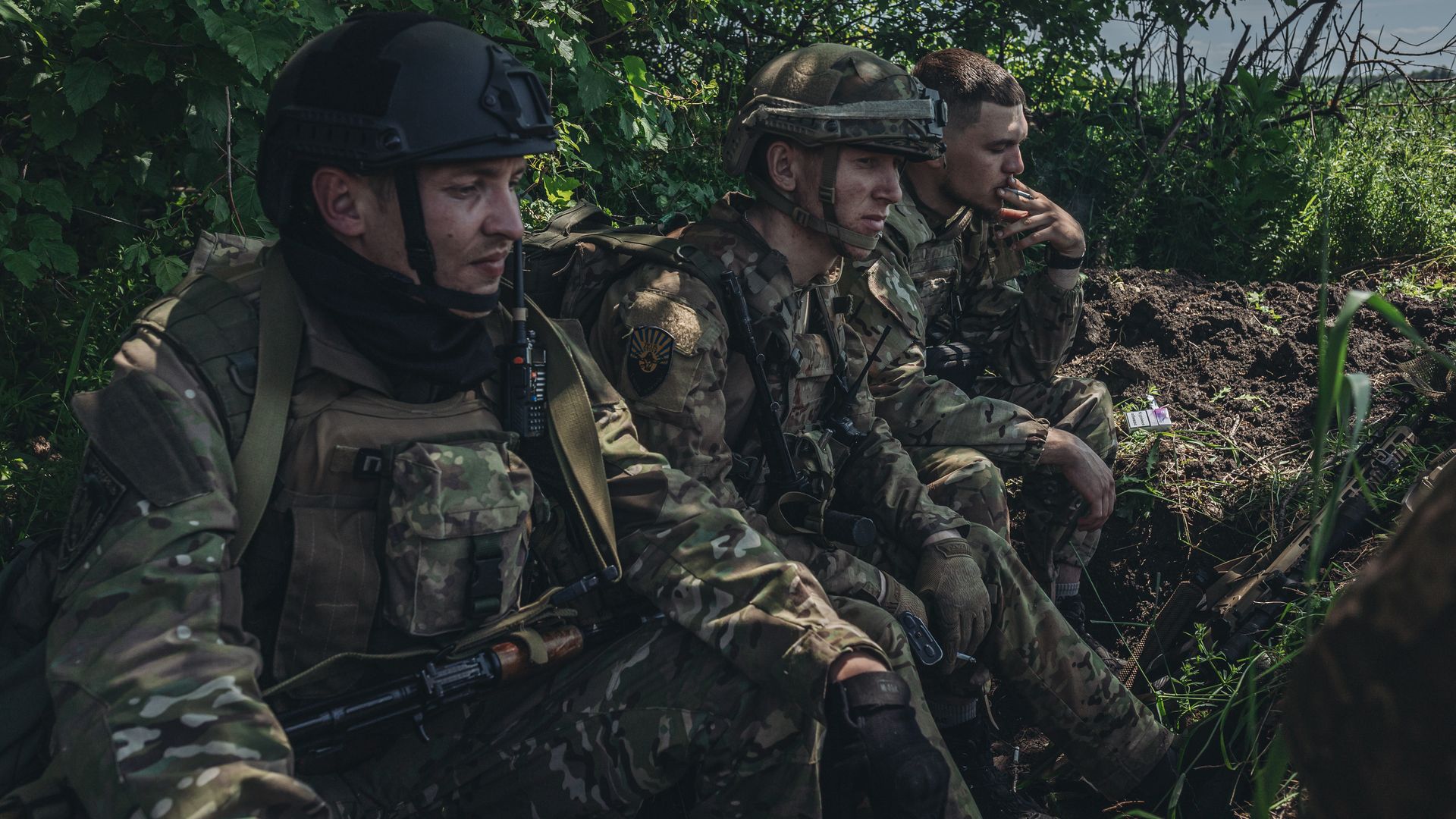
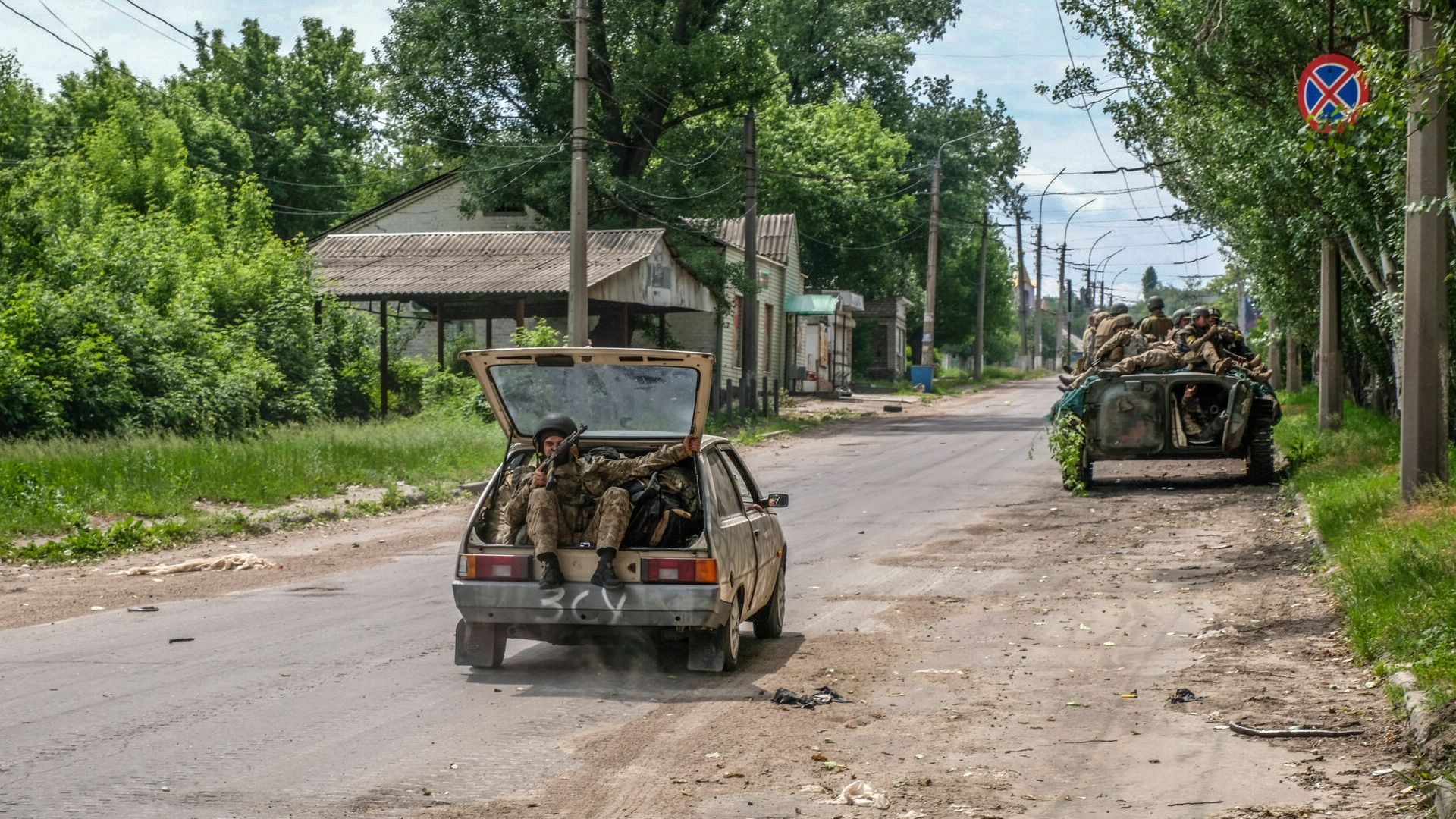
Up to 1,000 Ukrainian soldiers are being killed or wounded each day in the Donbas region of eastern Ukraine, with 200 to 500 killed on average and many more wounded, a top Ukrainian official said on Wednesday.
The big picture: President Volodymyr Zelensky said on June 1 that 60 to 100 Ukrainian troops were being killed daily as Russia stepped up its Donbas offensive. Over the past two weeks that number has climbed significantly according to David Arakhamia, who leads Ukraine's negotiations with Russia and is one of Zelensky's closest advisers.
The Biden administration announced Wednesday that the U.S. will provide Ukraine with an additional $1 billion in military aid to help the country defend itself from Russia.
Driving the news: The aid comes as Ukraine and Russia engage in a fierce battle for control of Severodonetsk, the last remaining major city still under Ukrainian control in the Luhansk region of the Donbas.
The U.S. Treasury Department unveiled new sanctions on Wednesday against members of the white supremacist Russian Imperial Movement, which the State Department designated a terrorist group in 2020.
What they're saying: "RIM and its supporters continue to exacerbate Russia’s war of aggression in Ukraine through their fundraising efforts," Brian Nelson, the undersecretary of the Treasury for terrorism and financial intelligence, said in a statement.
Want to make a venture capital or private equity investment in China? The U.S. government might soon have a problem with that, and a mechanism to stop it.
Driving the news: Congress is hammering out final details of a bill that some refer to as "reverse CFIUS." It would be included in a massive domestic semiconductor production bill, known as the CHIPS Act, that may be passed before the August recess.
The U.S. asked Israel to refrain from any actions in the occupied West Bank and Jerusalem that could create tensions ahead of President Biden’s visit next month, four Israeli, U.S. and Palestinian officials told Axios.
Why it matters: Palestinian President Mahmoud Abbas is frustrated over recent contentious Israeli moves in the occupied West Bank and East Jerusalem and furious about the U.S. policy on the Israeli-Palestinian conflict.
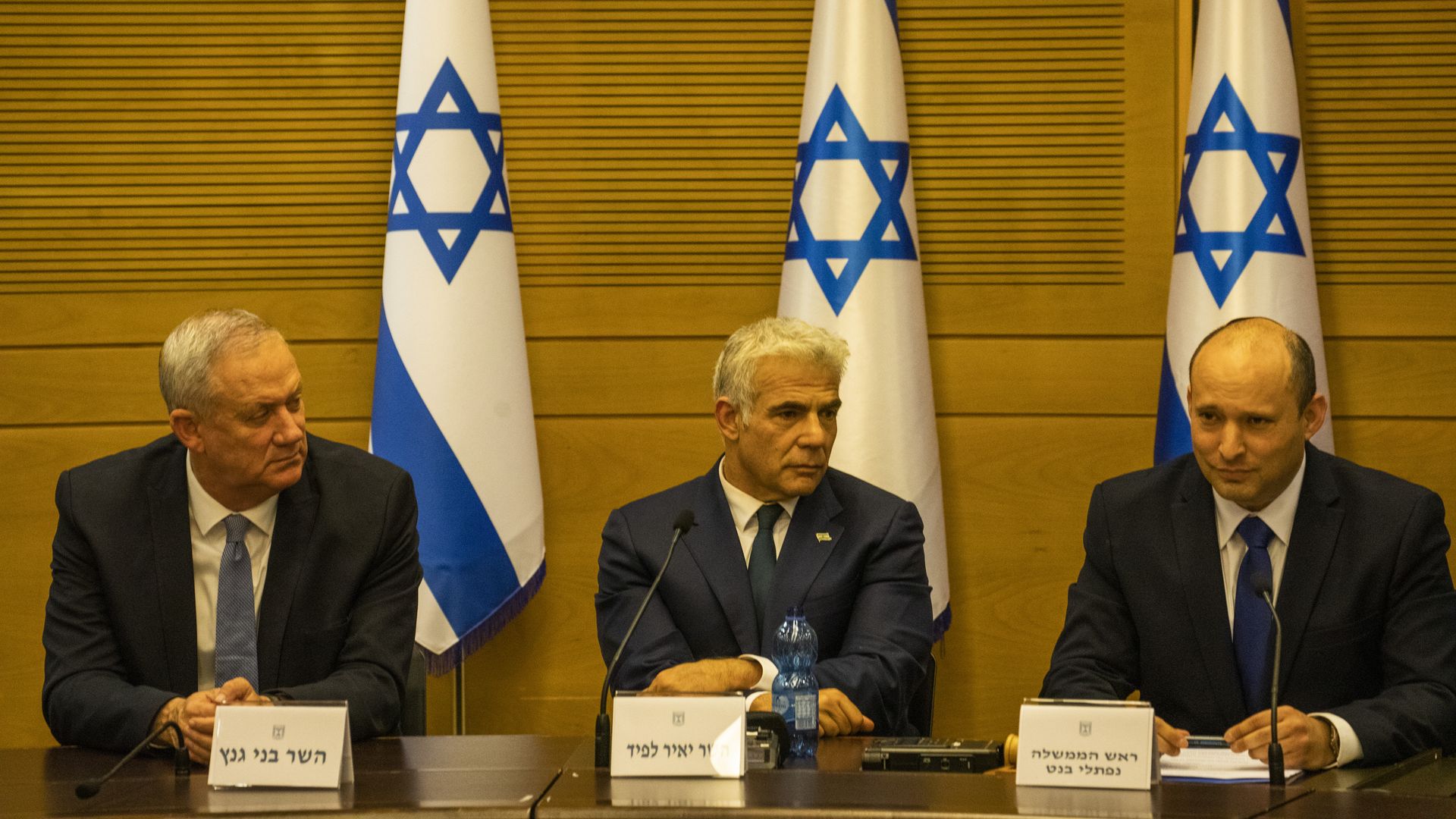
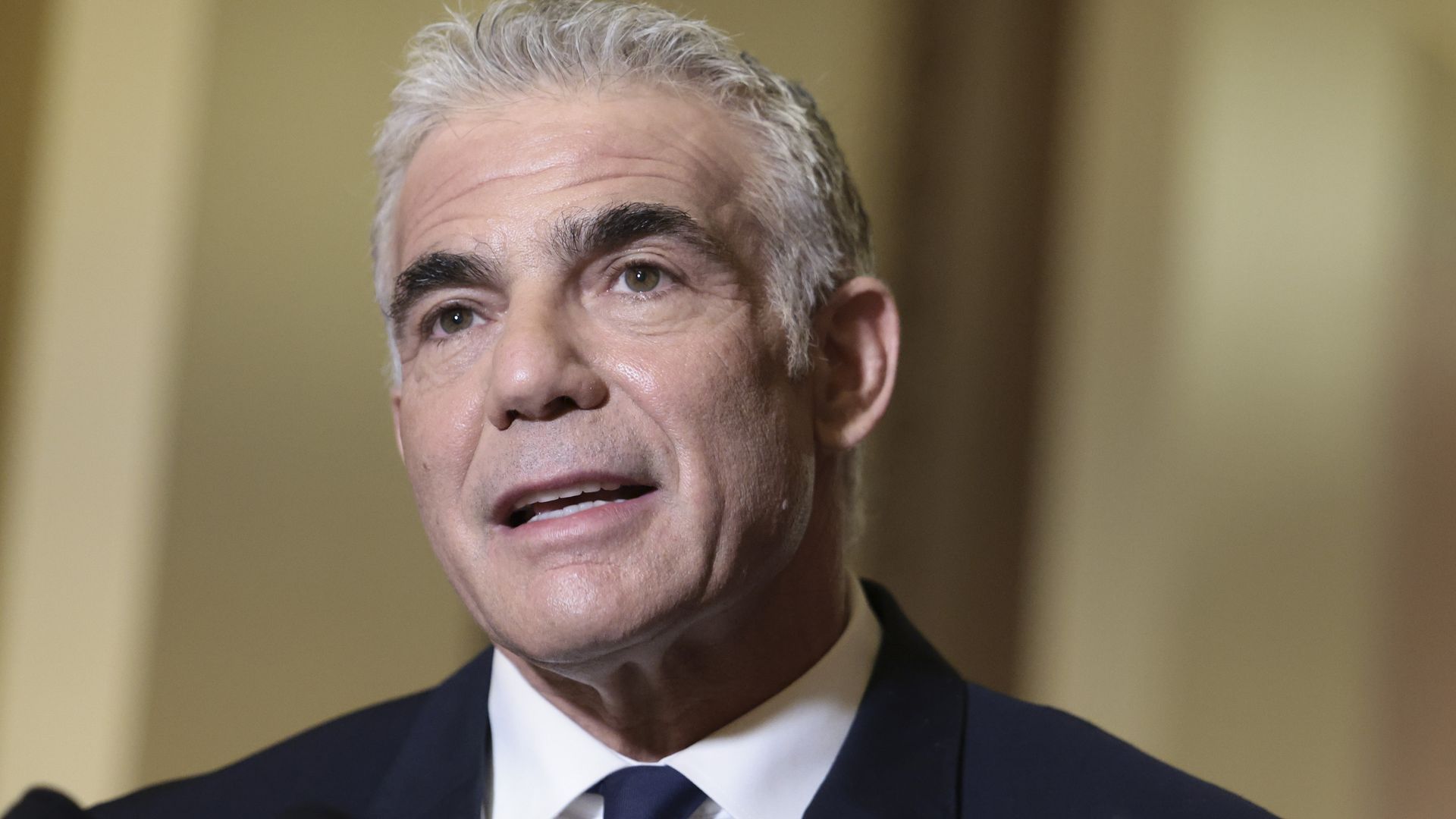
Israeli Foreign Minister Yair Lapid said in a briefing with reporters Wednesday that President Biden’s trip to the Middle East next month could lead to a warming of relations between Israel and Saudi Arabia, which don't have official ties.
Why it matters: Saudi Arabia wasn’t part of the Abraham Accords that were brokered by the Trump administration and led to normalization agreements between Israel and the United Arab Emirates, Bahrain, Morocco and Sudan.
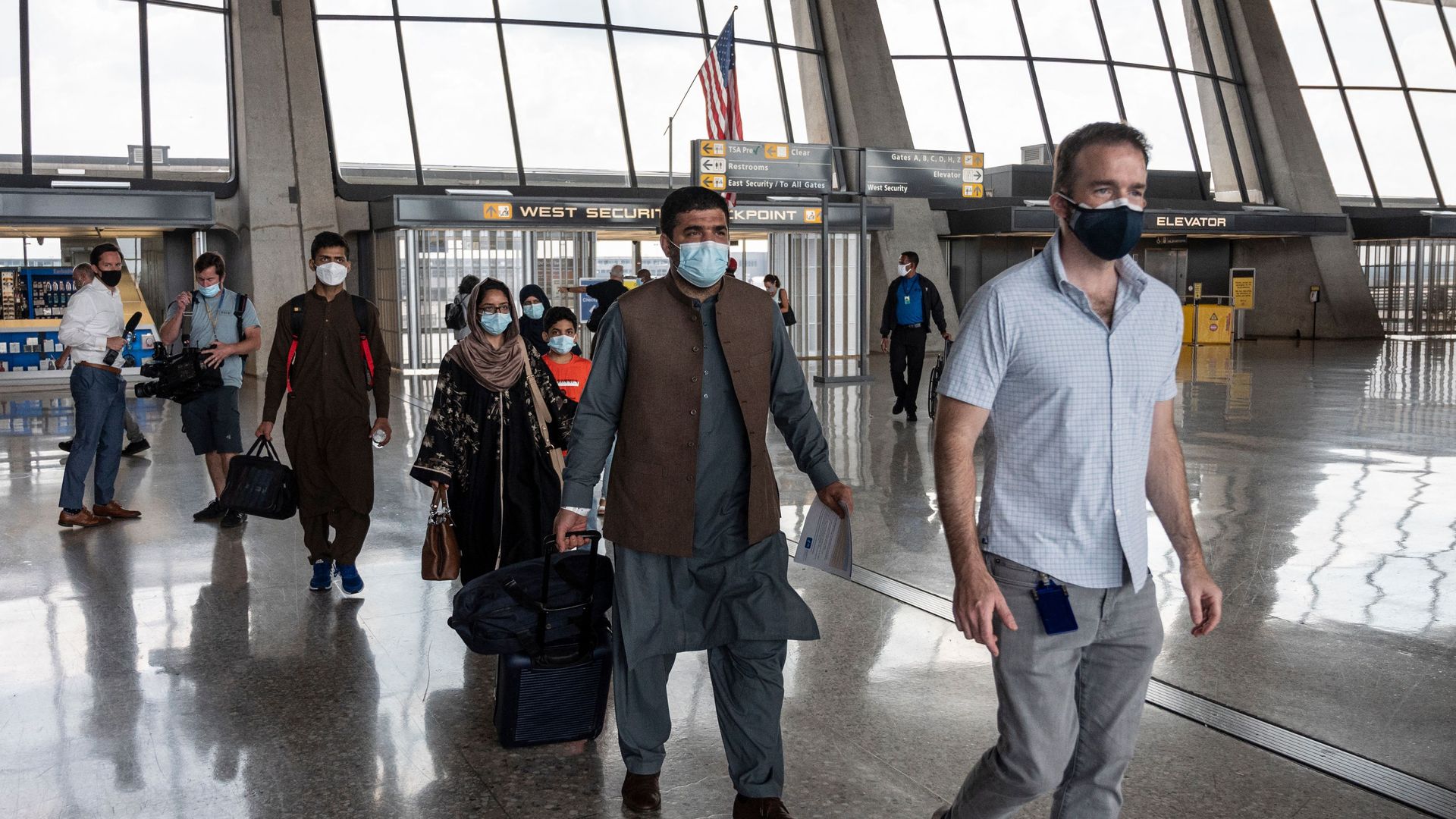
The Department of Homeland Security and State Department announced on Tuesday that they would expand the number of terrorism-related exemptions to allow Afghan evacuees who worked with and supported the U.S. government to qualify for protection and immigration benefits.
Why it matters: Existing exemptions from terrorism-related inadmissibility grounds (TRIG) include providing material support under duress and voluntary medical care to terrorist groups.