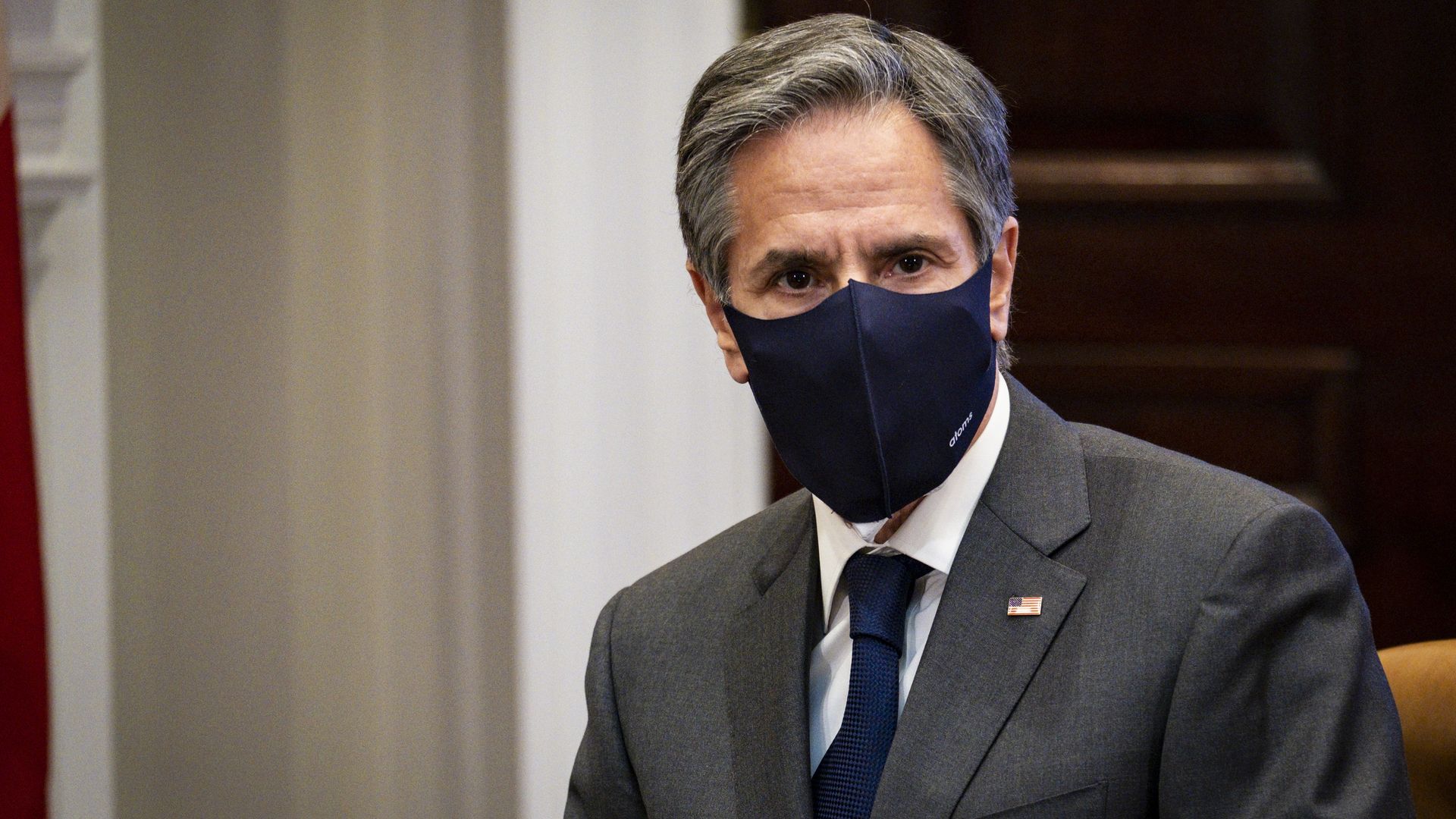
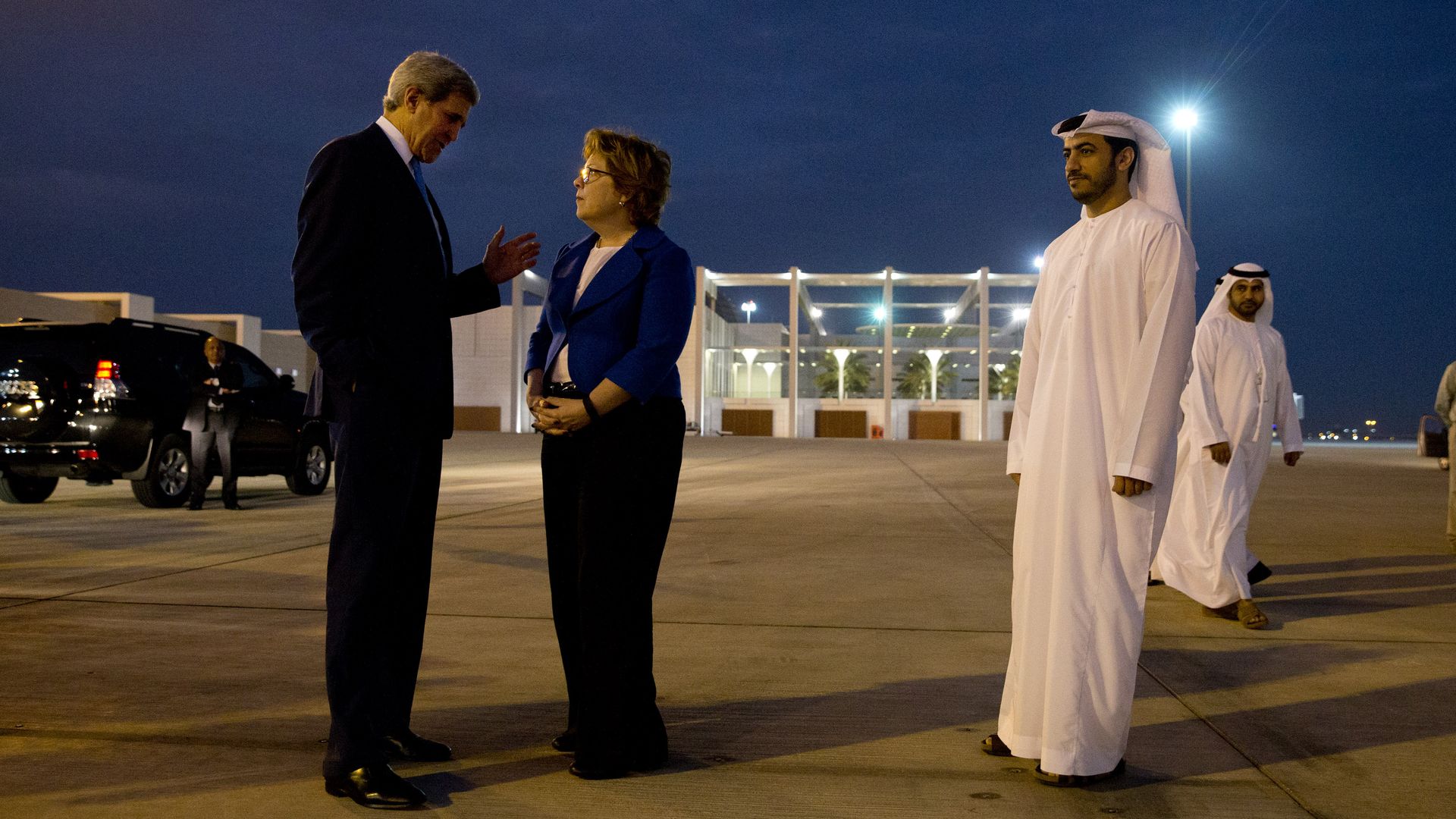
Secretary of State Antony Blinken announced Wednesday the U.S. will seek election to the United Nations Human Rights Council next year after the country left the body during the Trump administration.
Why it matters: The council is a body of 47 countries and is responsible for promoting and protecting human rights around the globe.
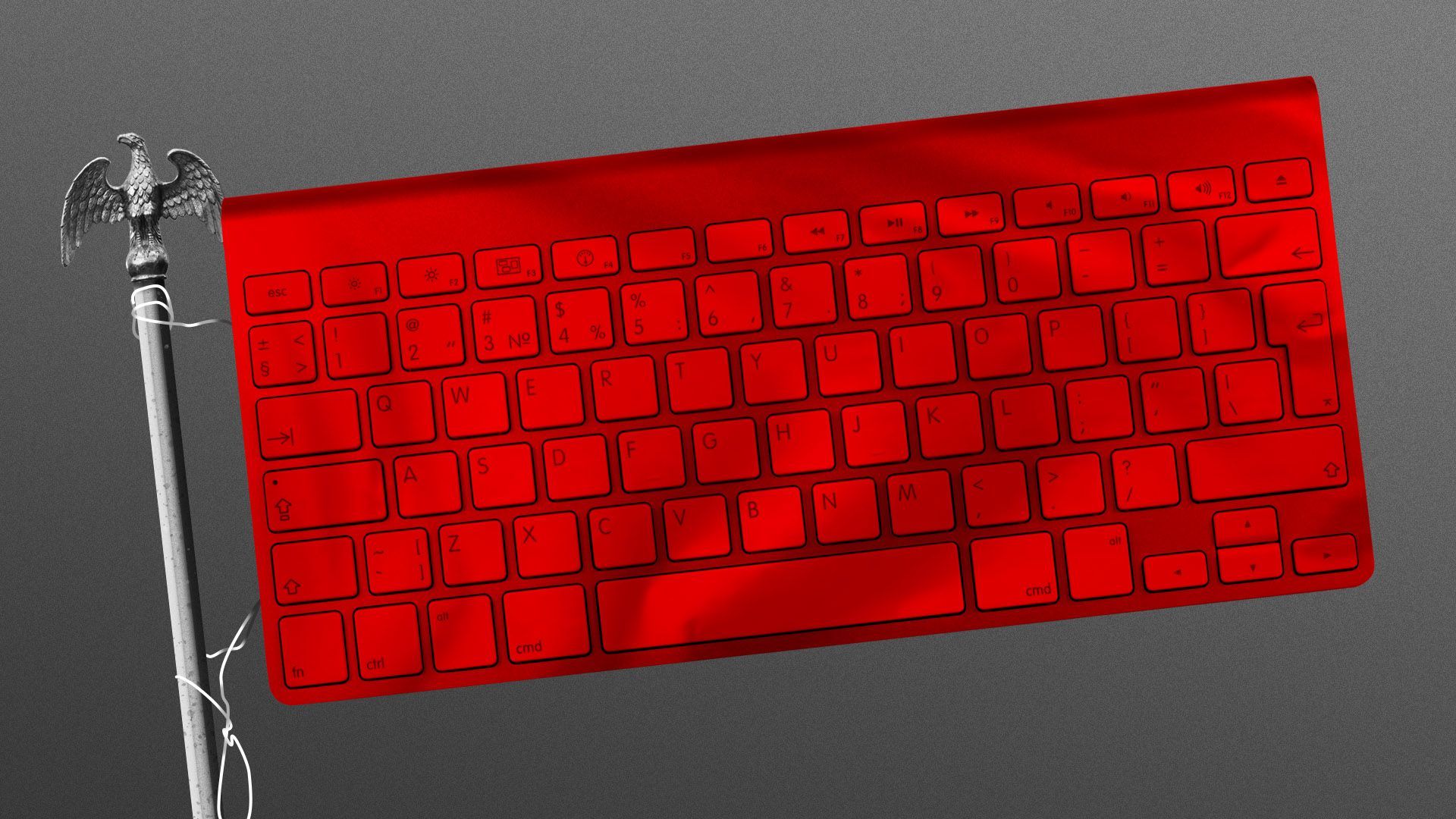
Last week’s stunning indictment of three North Korean hackers laid bare both the advantages and drawbacks of the U.S. government’s evolving strategy of using high-profile prosecutions to publicize hostile nation-state cyber activities.
Why it matters: Criminal charges can help the U.S. establish clear norms in a murky and rapidly changing environment, but they may not deter future bad behavior and could even invite retaliation against U.S. intelligence officials.
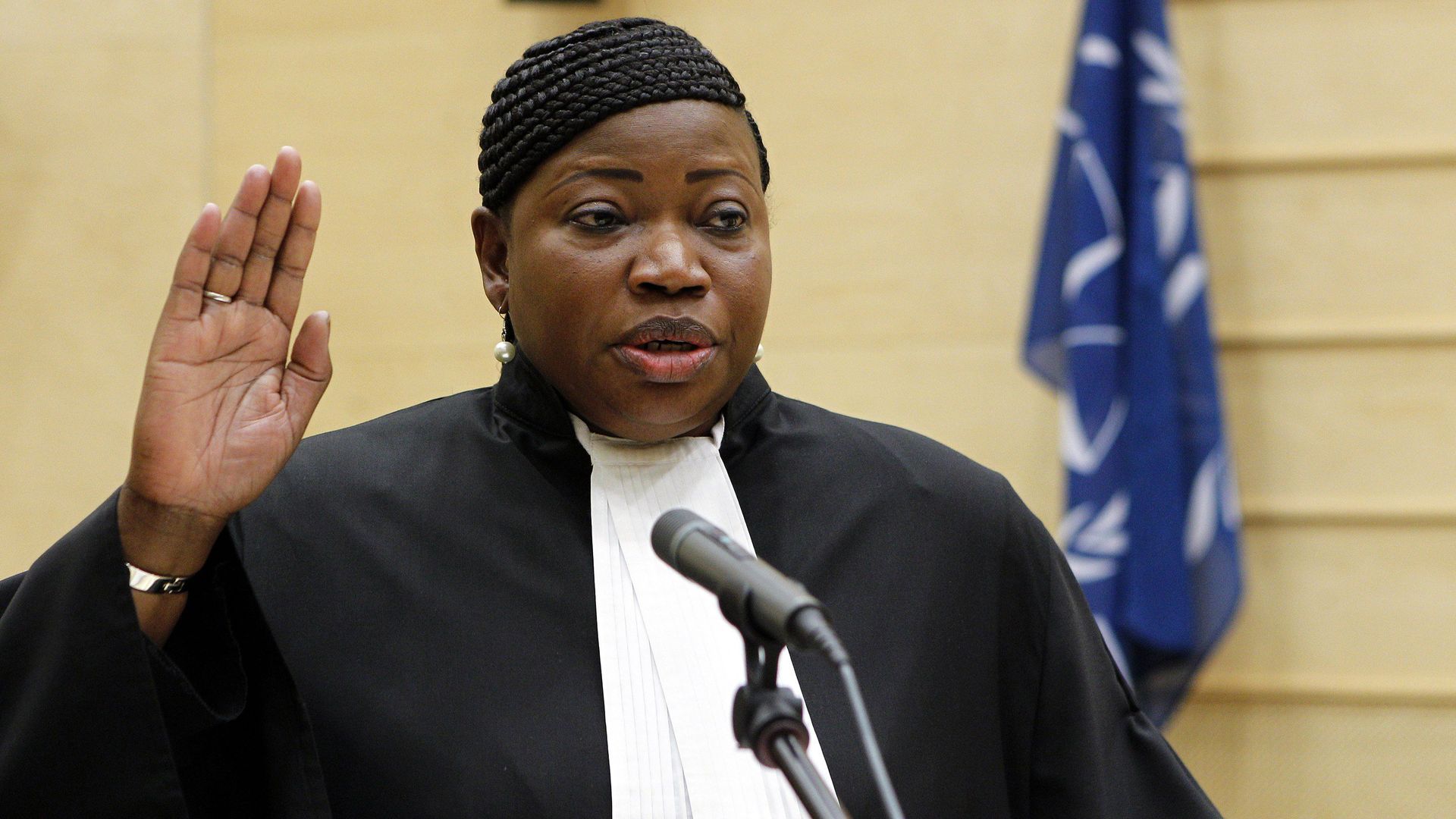
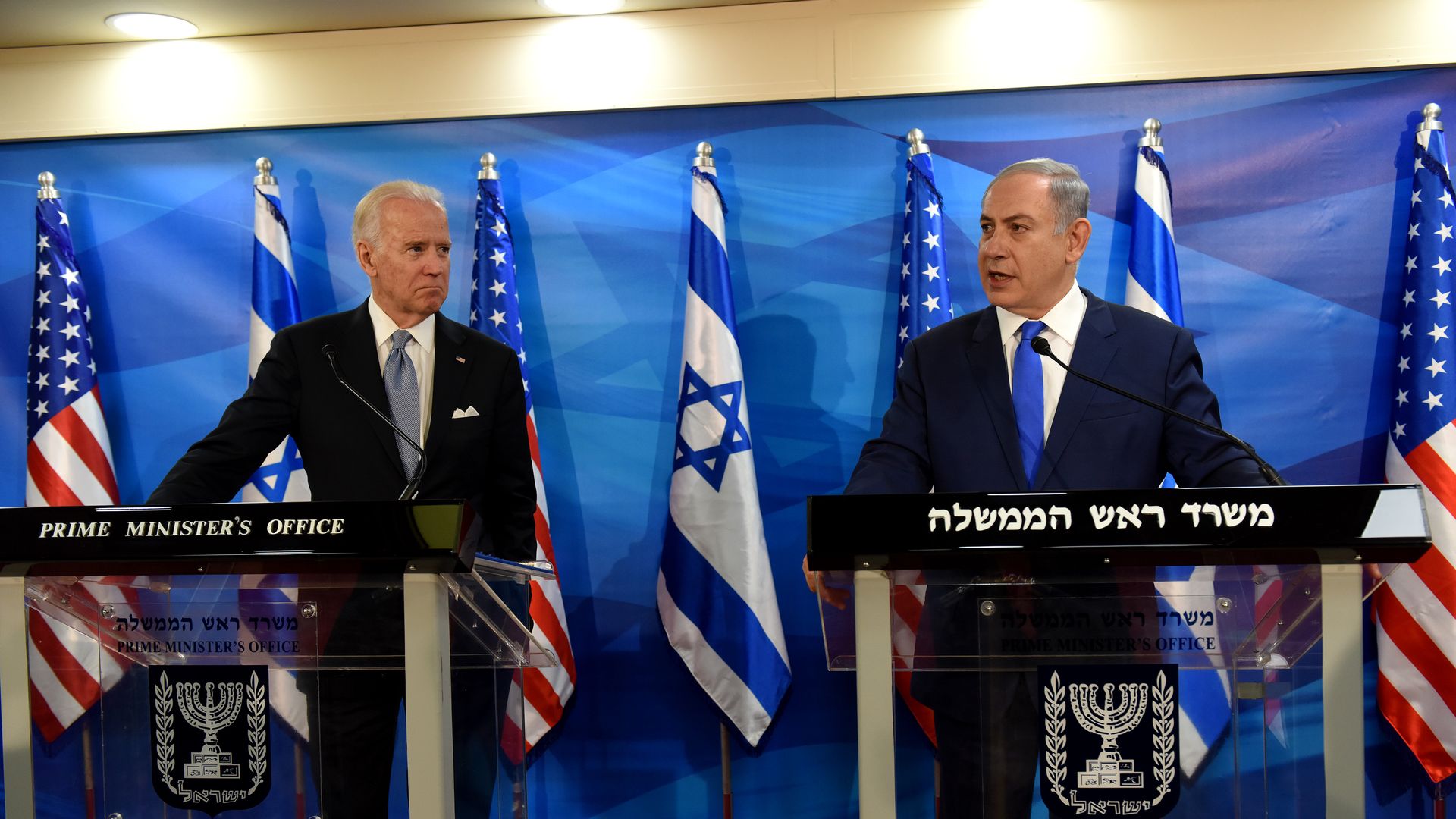
Netanyahu asked Biden in their first phone call last week to keep sanctions imposed by the Trump administration on the International Criminal Court (ICC) in place, Israeli officials tell me.
Why it matters: Israeli officials are concerned that removing the sanctions would hamper Israel's efforts to stop a potential war crimes investigation into Israel, and that the court's prosecutor could see it as a signal that the U.S. isn't firmly opposed to that investigation.
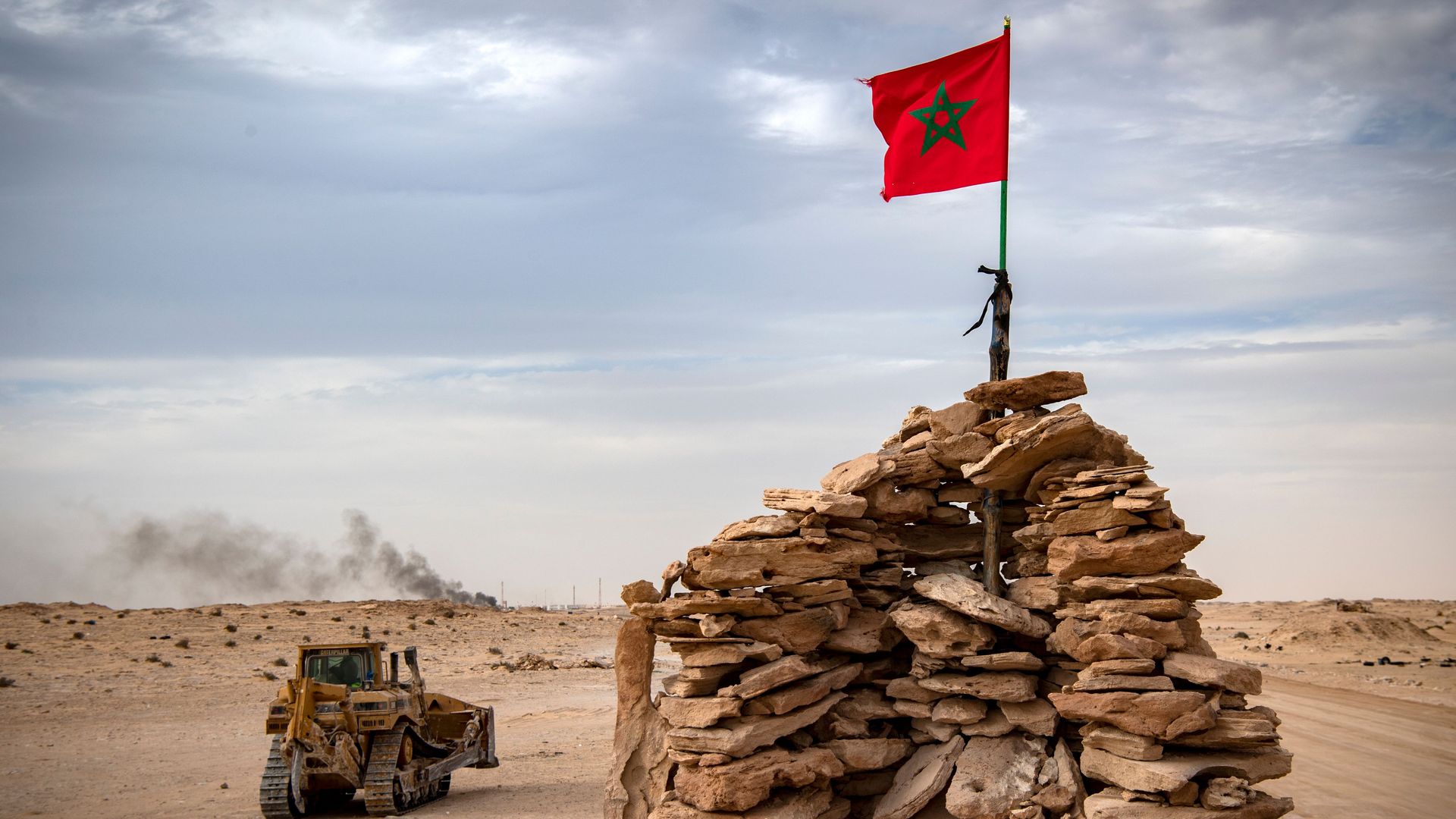
There are no signs that the Biden administration intends to roll back the Trump administration’s recognition of Western Sahara as part of Morocco anytime soon.
Why it matters: Trump’s move on Western Sahara was a dramatic shift in U.S. policy. Undoing it would damage relations with Morocco and could cause Rabat to reverse its promise to resume diplomatic relations with Israel, made as part of the deal with Trump.
The State Department is putting plans to reopen the U.S. Consulate in Jerusalem on hold until after Israel's March 23 elections, sources familiar with the matter tell me.
Why it matters: Biden committed during the campaign to reopening the consulate, which will be a major step toward normalizing U.S.-Palestinian ties. But it also requires Israeli approval.
The newly minted senior director for the Middle East at the National Security Council, Barbara Leaf, is now expected to be nominated as assistant secretary of state for Near East affairs, four sources familiar with the issue tell me.
Behind the scenes: The reasons for the swift job switch aren't clear, but both the White House and Blinken support her appointment in the new role.
The United States and Israelhave elected to reconvene a strategic working group on Iran, with the first round of talks on intelligence surrounding the Iranian nuclear program expected in the coming days, Axios has learned.
Why it matters: President Biden and Israeli Prime Minister Benjamin Netanyahu have sharply contrasting views of the 2015 Iran nuclear deal, but the resumption of the working group is a signal that their governments are starting with a serious and professional dialogue rather than a political fight.
The first COVID-19 vaccine doses distributed by the World Health Organization’s global sharing scheme COVAX arrived in Ghana, West Africa, on Wednesday.
Why it matters: The shipments represent the "beginning of what should be the largest vaccine procurement and supply operation in history," per a joint statement from the WHO and UNICEF hailing the arrival as a "momentous occasion."
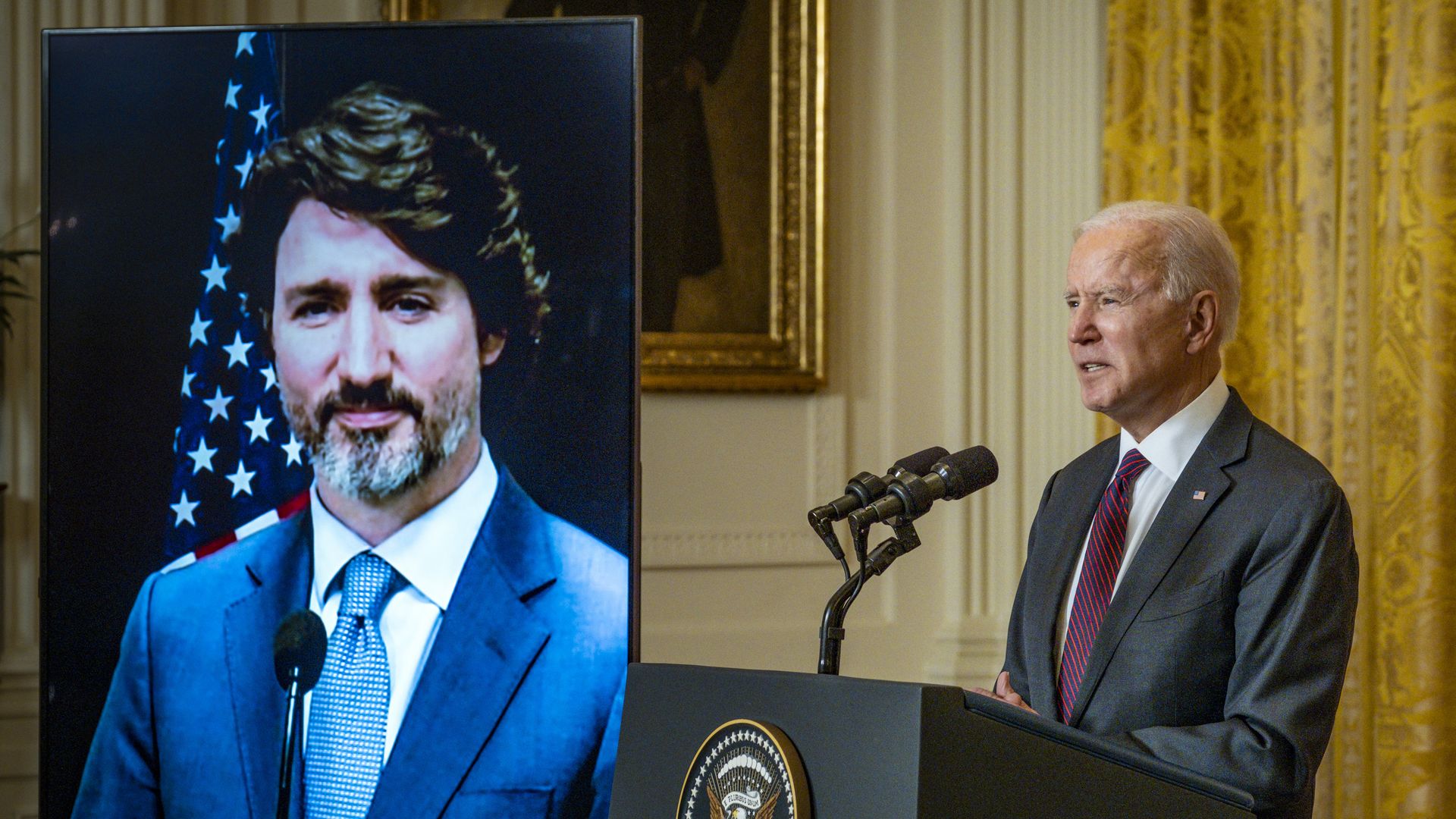
President Biden and Canadian Prime Minister Justin Trudeau unveiled a "U.S.-Canada Partnership roadmap," as the pandemic forced their meeting to go virtual on Tuesday.
Why it matters: Biden said he chose to have his first bilateral meeting with Trudeau because the U.S. "has no closer friend" than Canada. Trudeau made clear he was keen on strengthening relations, which had become strained under former President Trump and his "America First" policy.