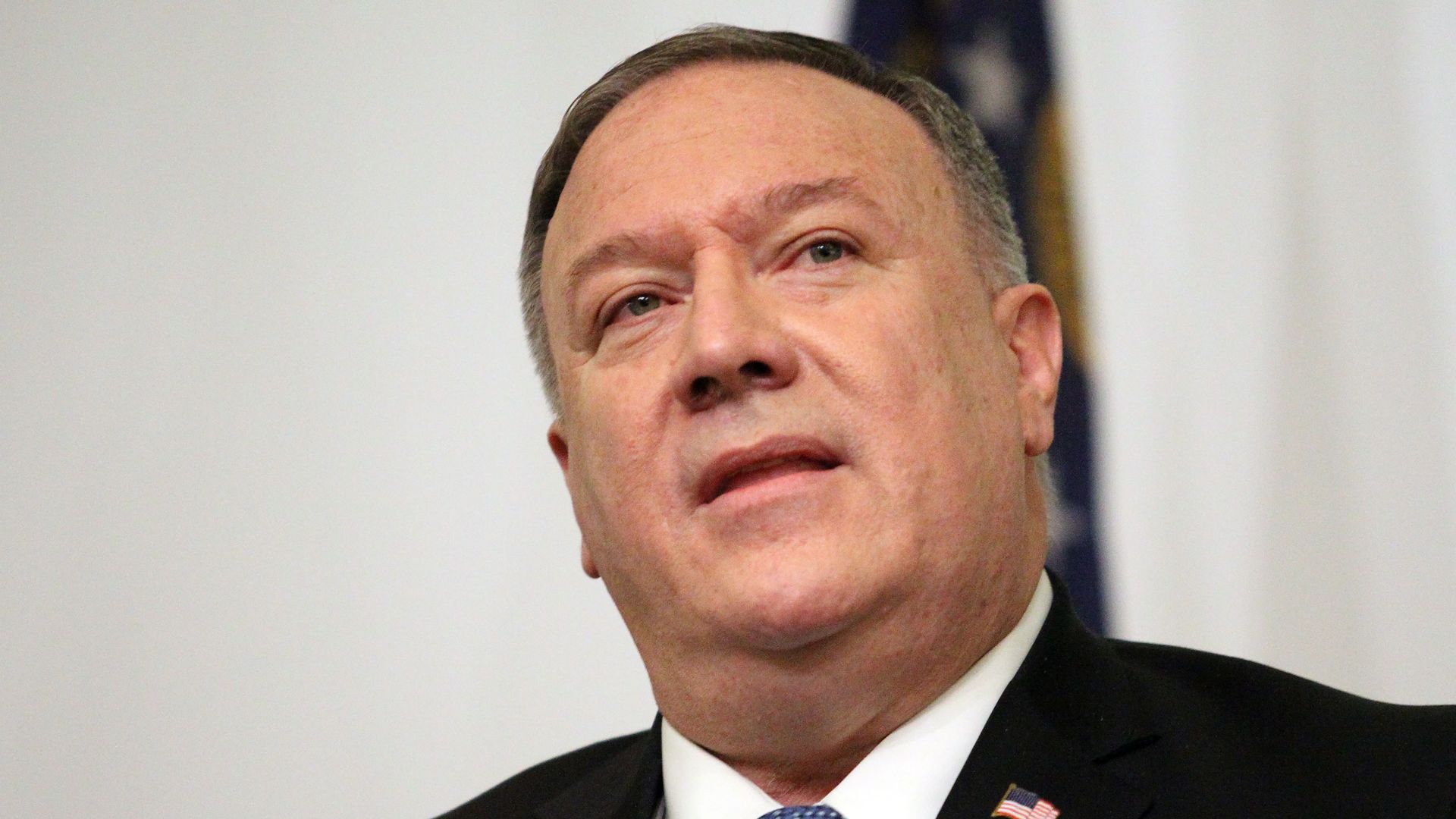
Secretary of State Mike Pompeo announced Saturday that he was lifting the "self-imposed restrictions" on the U.S.-Taiwan relationship.
The big picture: Pompeo's announcement comes as Kelly Craft, U.S. ambassador to the United Nations, prepares to visit Taiwan next week to "reinforce the U.S. government’s strong and ongoing support for Taiwan’s international space.” The news of Craft's expected visit has angered China, which said the U.S. would pay a "heavy price for its wrong action."
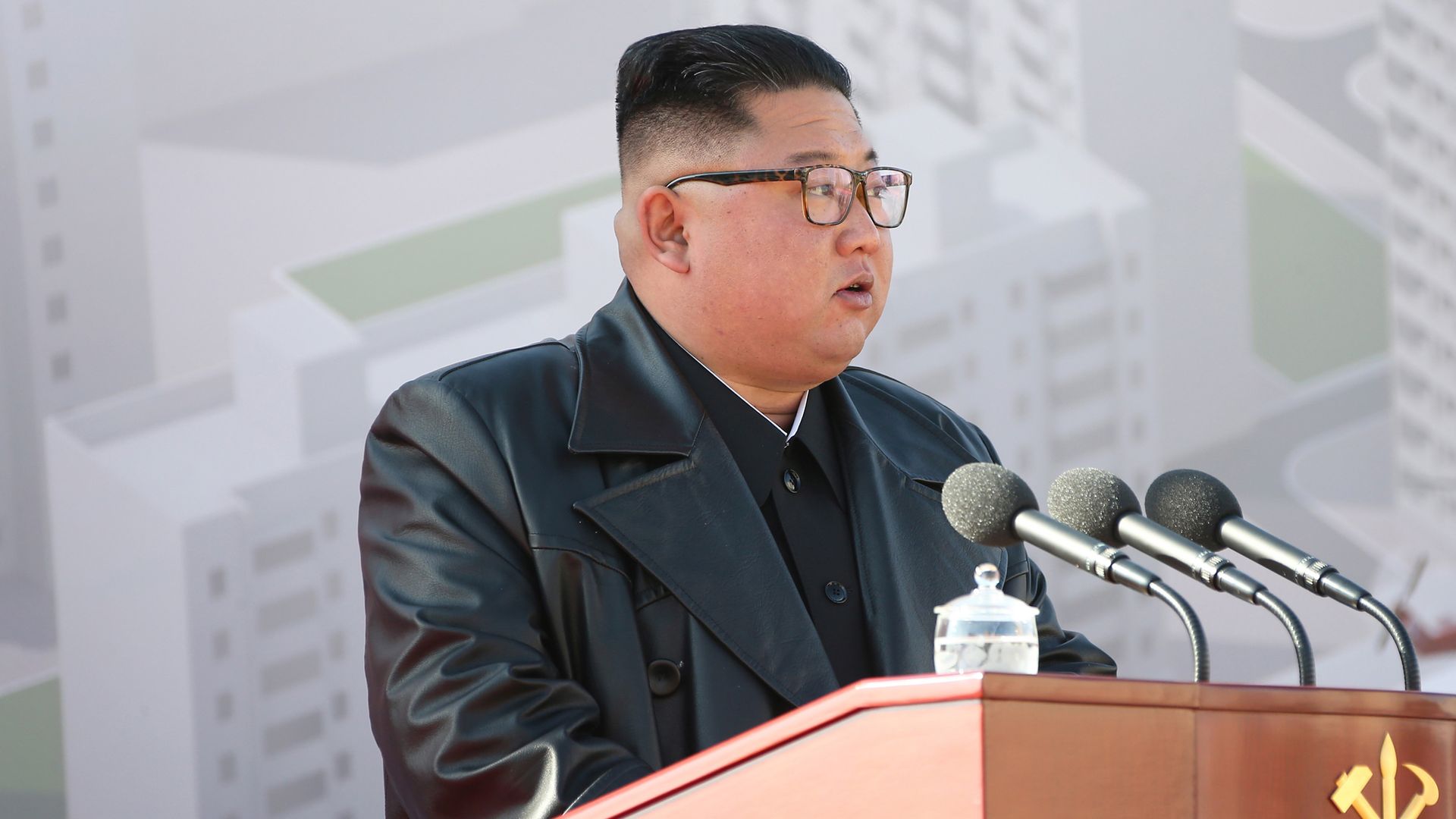
North Korean leader Kim Jong-un on Friday called the United States his country's "biggest enemy" and pushed to continue expanding North Korea's arsenal, according to text of his remarks at the Workers' Party Congress meeting published by state media.
Why it matters: Kim's comments come days before President-elect Joe Biden's inauguration.
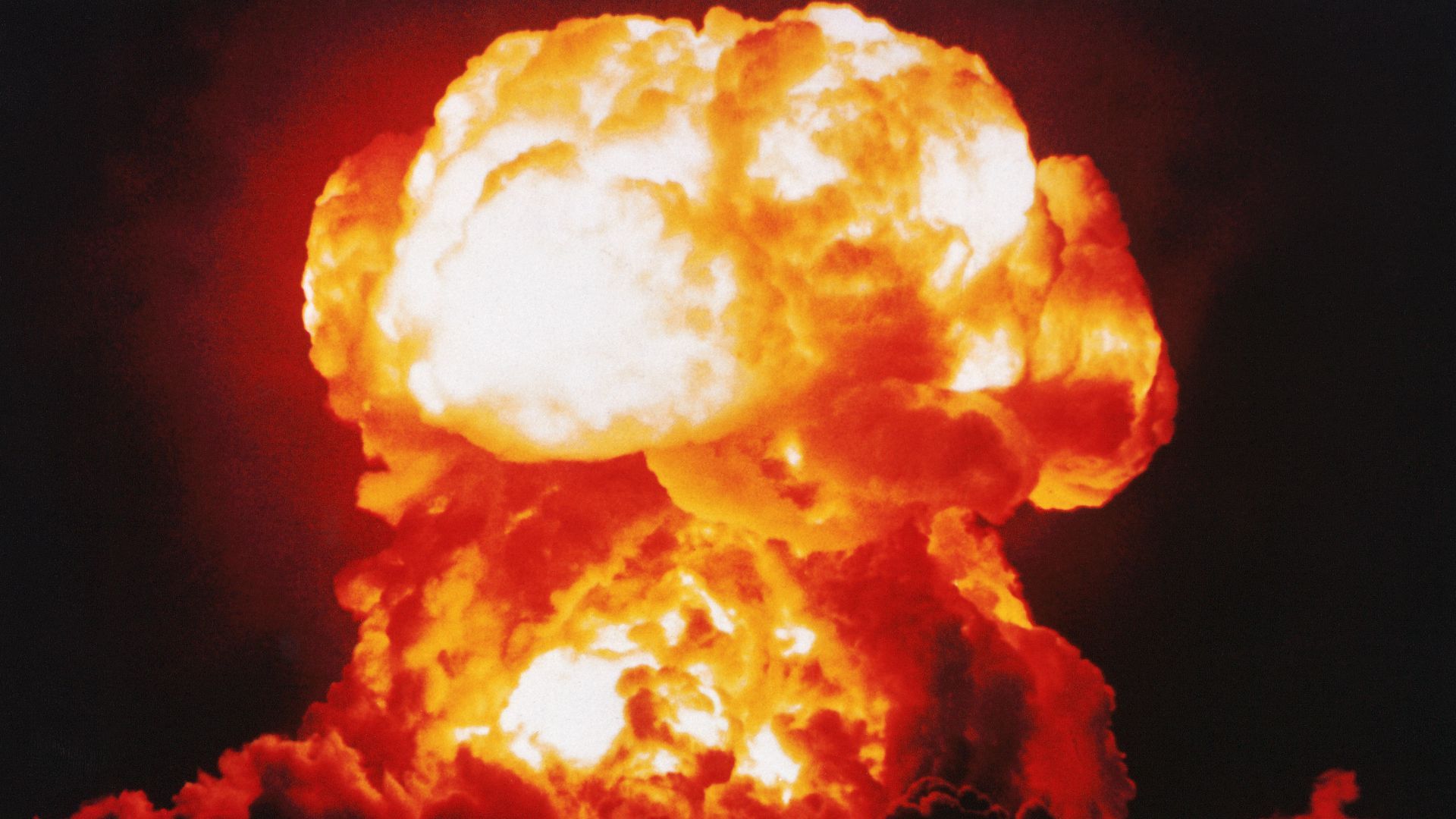
House Speaker Nancy Pelosi said in a letter to members on Friday that she's spoken to the Joint Chiefs of Staff Chairman Mark Milley about preventing President Trump from accessing the nuclear codes.
Why it matters: Pelosi's message surfaced an uncomfortable reality about America's nuclear control structure: if the president wants to use nukes, there is no clear way to stop him.
While Americans lament the cracks in American democracy and President Trump's disastrous COVID-19 response, world leaders observe something of global consequence: the growing instability of a weakening superpower. There will be a price to pay.
What they're saying: "What we saw in the United States yesterday evening and today shows above all how fragile and vulnerable Western democracy is," gloated Iranian President Hassan Rouhani.
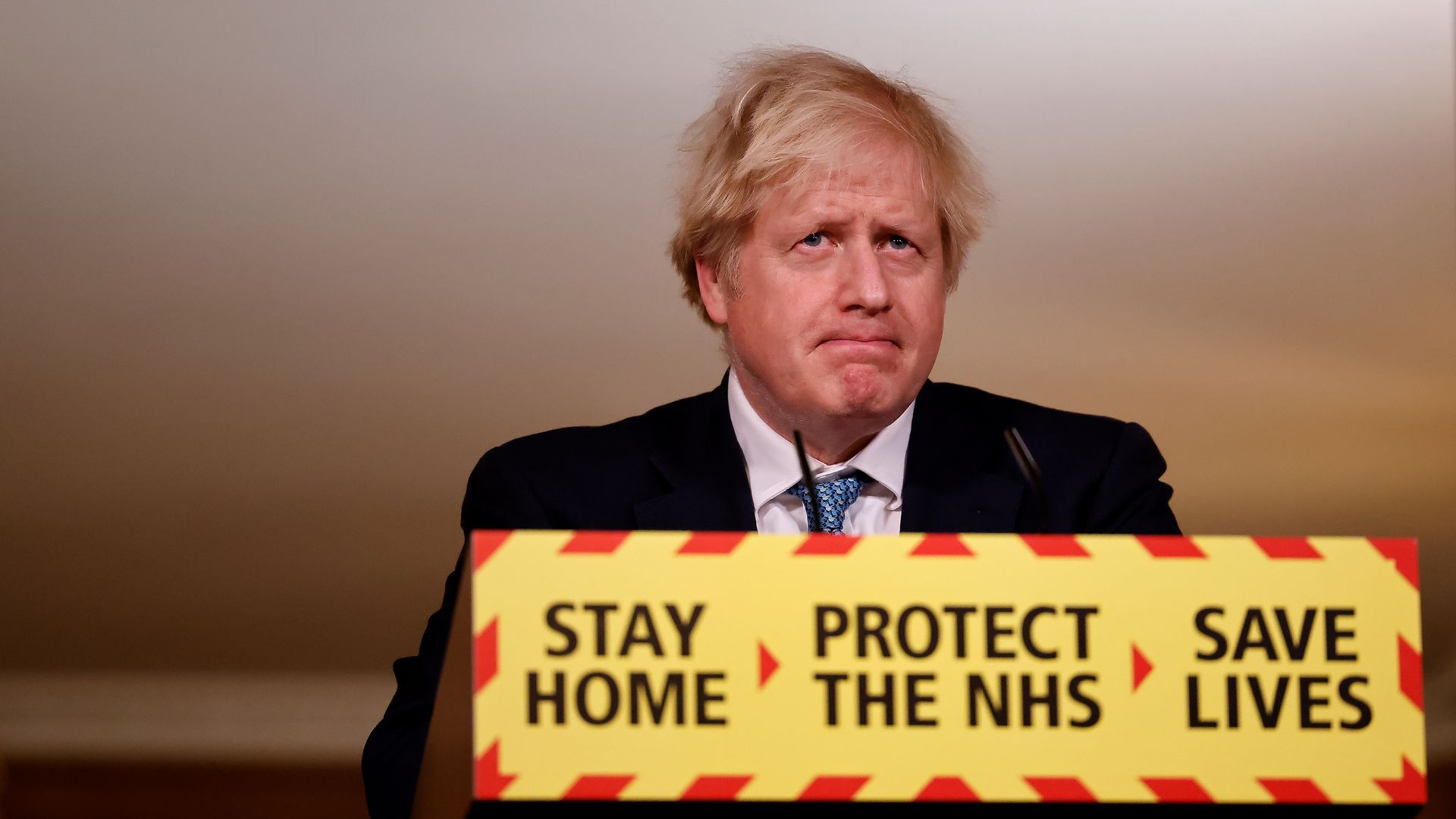
The U.K. reported 1,325 new coronavirus deaths on Thursday, marking its highest daily death toll yet.
Why it matters: The massive spike in deaths is in part fueled by a highly transmissible COVID-19 variant that's spreading rapidly throughout the United Kingdom and threatening to overwhelm hospital systems.
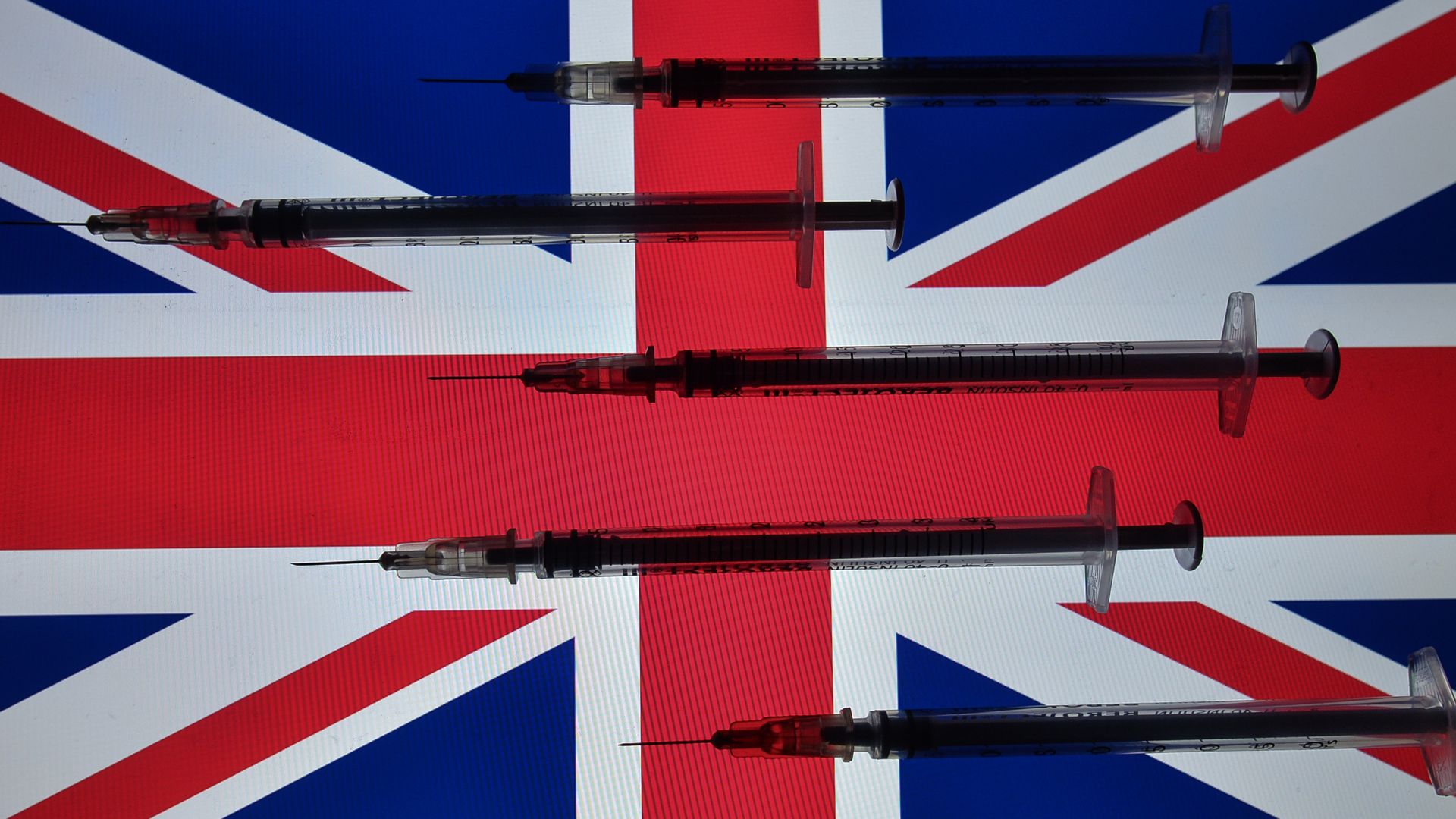
U.K. health regulators on Friday approved Moderna's coronavirus vaccine for emergency use, making it the third vaccine to gain approval in the country.
Why it matters: The U.K. is the first country to have three approved vaccines — from Pfizer, Oxford-AstraZeneca and now Moderna — a milestone that comes as a new and highly infectious variant of the coronavirus continues to spread like wildfire.
Year-end data from the U.S. and around the world show a consistent theme — steadily increasing prices.
Driving the news: The Food and Agriculture Organization’s food price index rose for the seventh straight month in December, rising to its highest in six years.
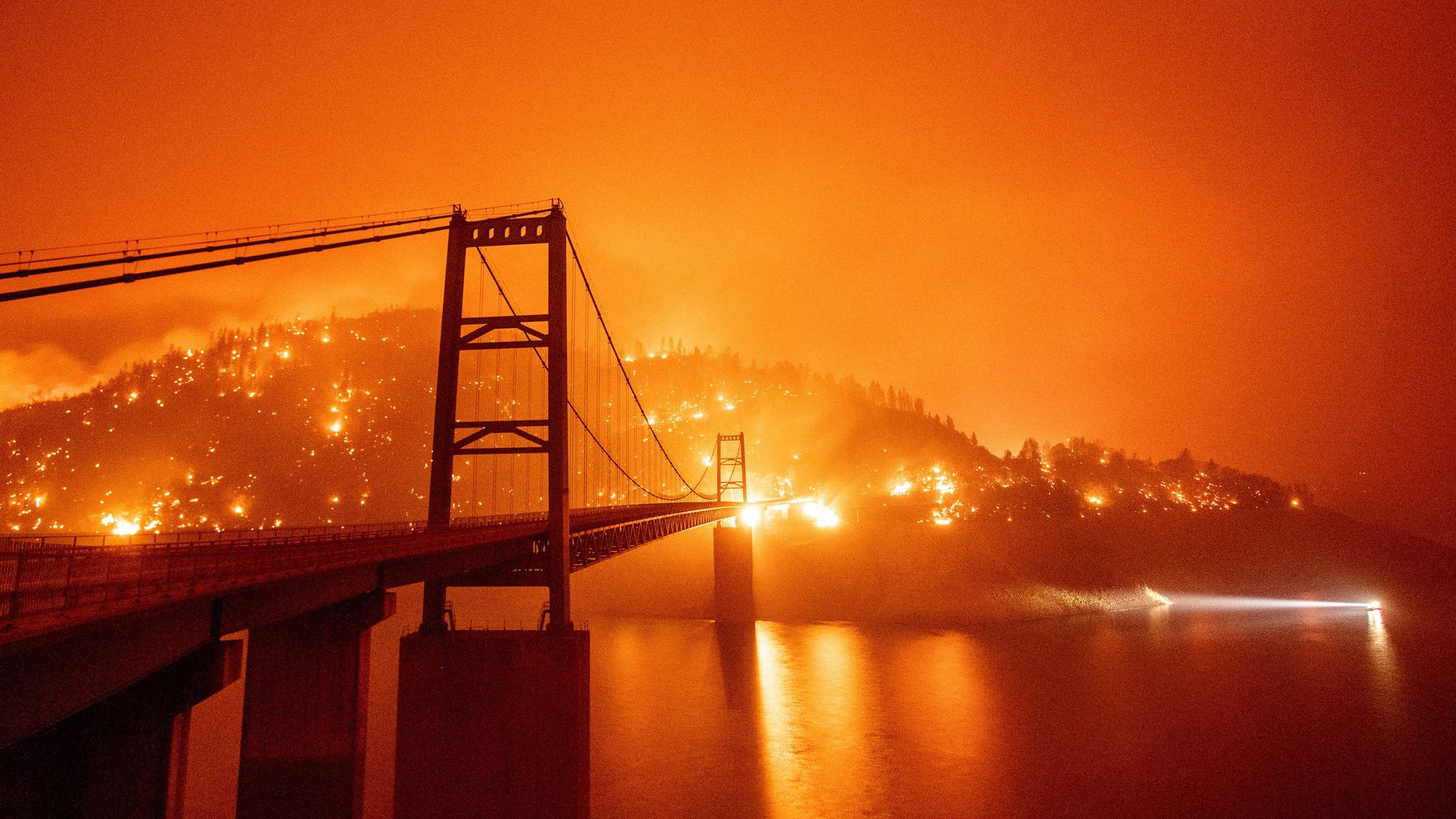
Last year tied 2016 as the warmest year ever recorded, capping the end of the warmest decade on record, according to data released Friday by the European Union's Copernicus Climate Change Service.
By the numbers: "2020 was 0.6°C warmer than the standard 1981-2010 reference period and around 1.25°C above the 1850-1900 pre-industrial period," Copernicus said in a summary of their data. The last six years are the six warmest on record, they said.
Serbia joined Argentina, Belarus and Russia this week to be among the first countries to approve and administer Russia's Sputnik V vaccine.
The big picture: Russia has blazed its own course in the vaccine race, relying entirely on a single, state-funded vaccine that was given emergency authorization before much data was available about its effectiveness.