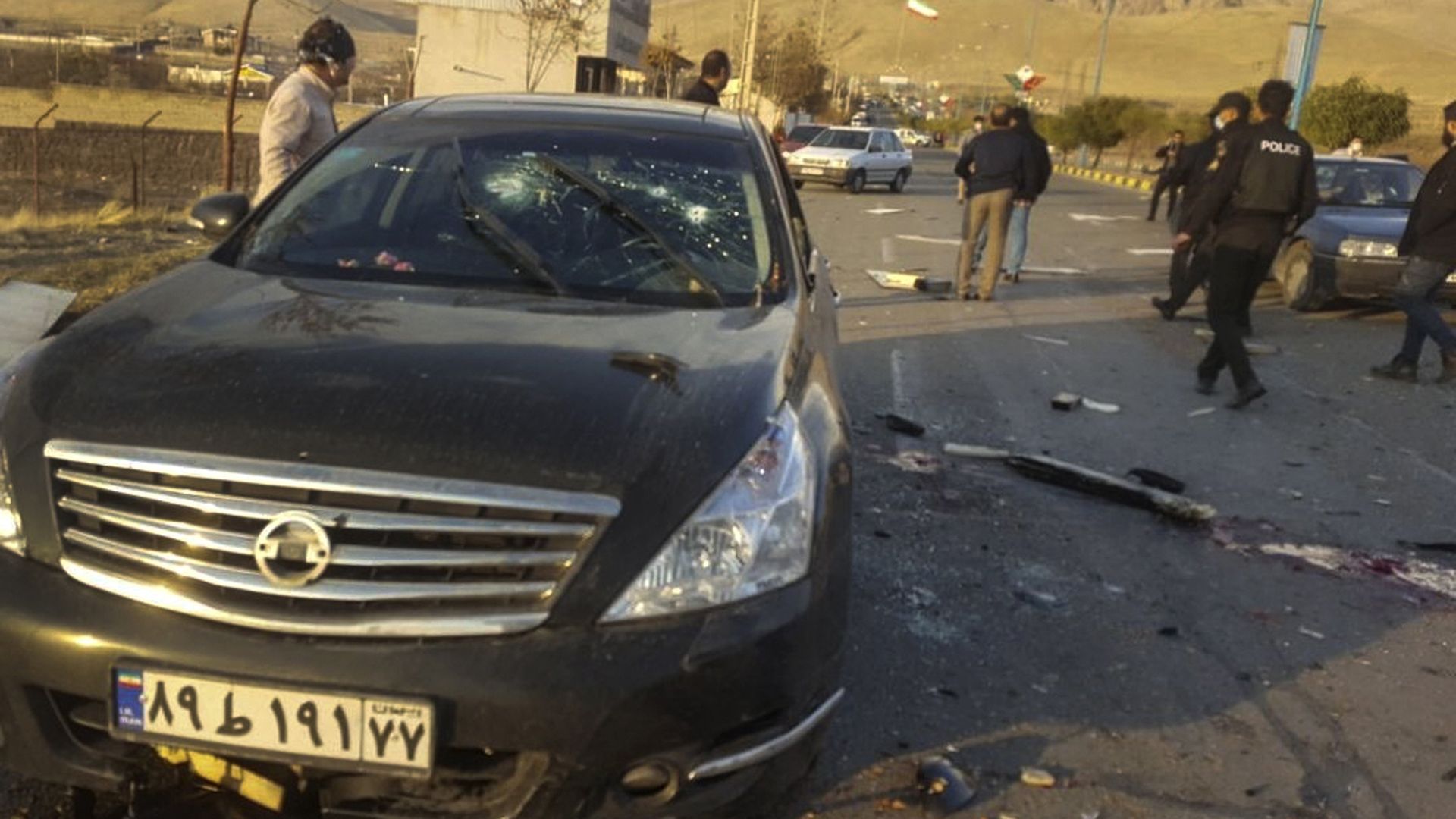
The assassination of Mohsen Fakhrizadeh, the architect of Iran’s military nuclear program, is a new height in the maximum pressure campaign led by the Trump administration and the Netanyahu government against Iran.
Why it matters: It exceeds the capture of the Iranian nuclear archives by the Mossad, and the sabotage in the advanced centrifuge facility in Natanz.
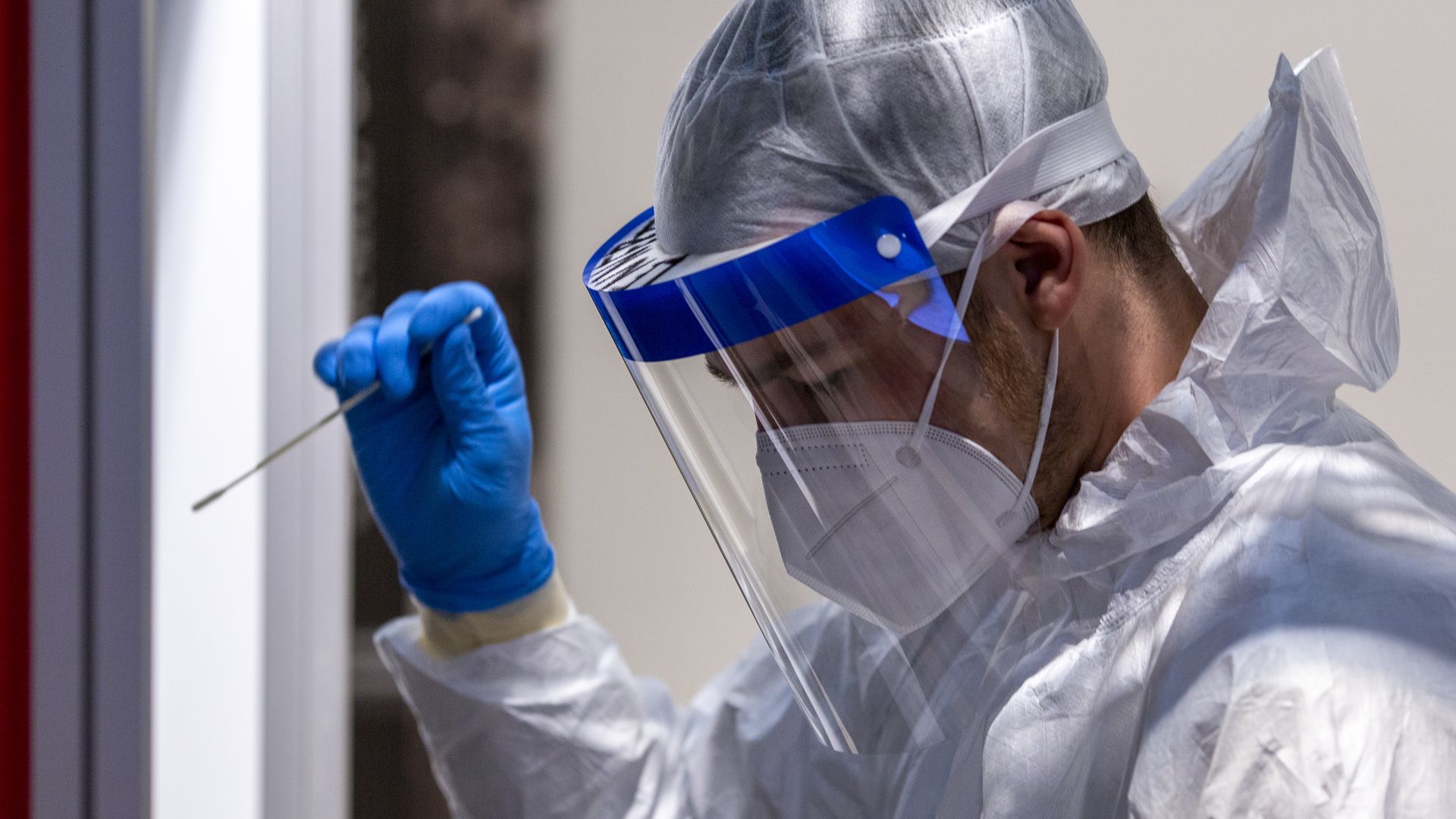
Top scientists at the World Health Organization on Friday called for more detailed information on a coronavirus vaccine developed by AstraZeneca and the University of Oxford.
Why it matters: Oxford and AstraZeneca have said the vaccine was 90% effective in people who got a half dose followed by a full dose, and 62% effective in people who got two full doses. AstraZeneca has since acknowledged that the smaller dose received by some participants was the result of an error by a contractor, per the New York Times.
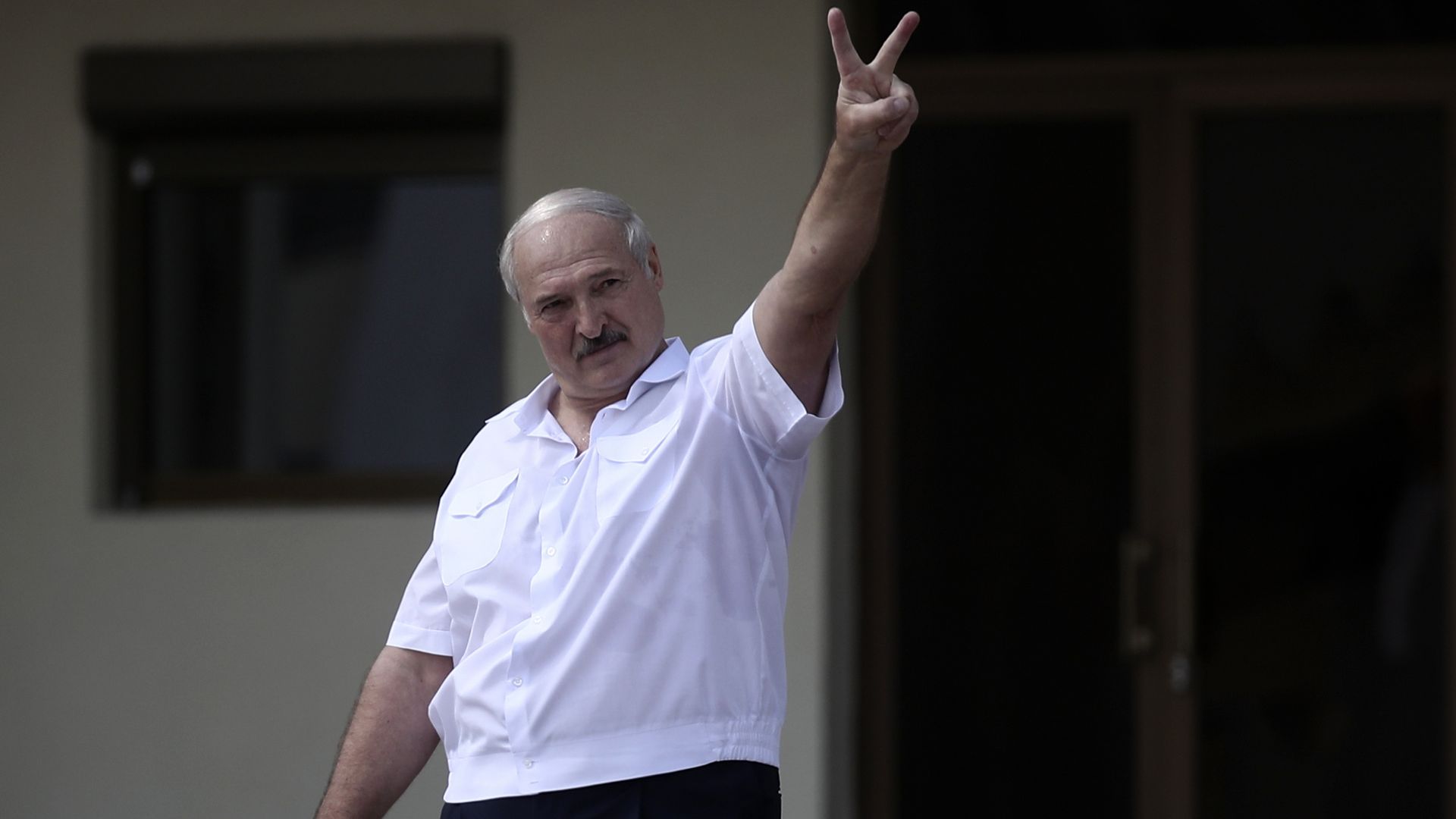
Longtime Belarusian President Aleksandr Lukashenko has said he will step down after a new constitution comes into force, according to Belarusian state media.
Why it matters: Lukashenko has faced three months of protests following a rigged election in August. He has promised to reform the constitution to reduce the near-absolute powers of the president, but has insisted that his strong hand is needed to see that process through.
It seems hard to believe that 238 days from now — on July 23 — the Summer Olympics will open in Tokyo. But that's still the plan, after the games were postponed a year because of the pandemic.
Driving the news: The Tokyo organizing committee on Friday announced a series of 18 test events (some for operations), to begin in March and run into May, AP reports.
The Iranian ministry of defense issued a statement on Friday confirming the assassination of Mohsen Fakhrizadhe, an Iranian scientist and the architect behind the Islamic Republic’s military nuclear program.
Why it matters: Fakhrizadhe was the head of the Amad project in the Iranian ministry of defense, which focused on developing a nuclear bomb until 2003.
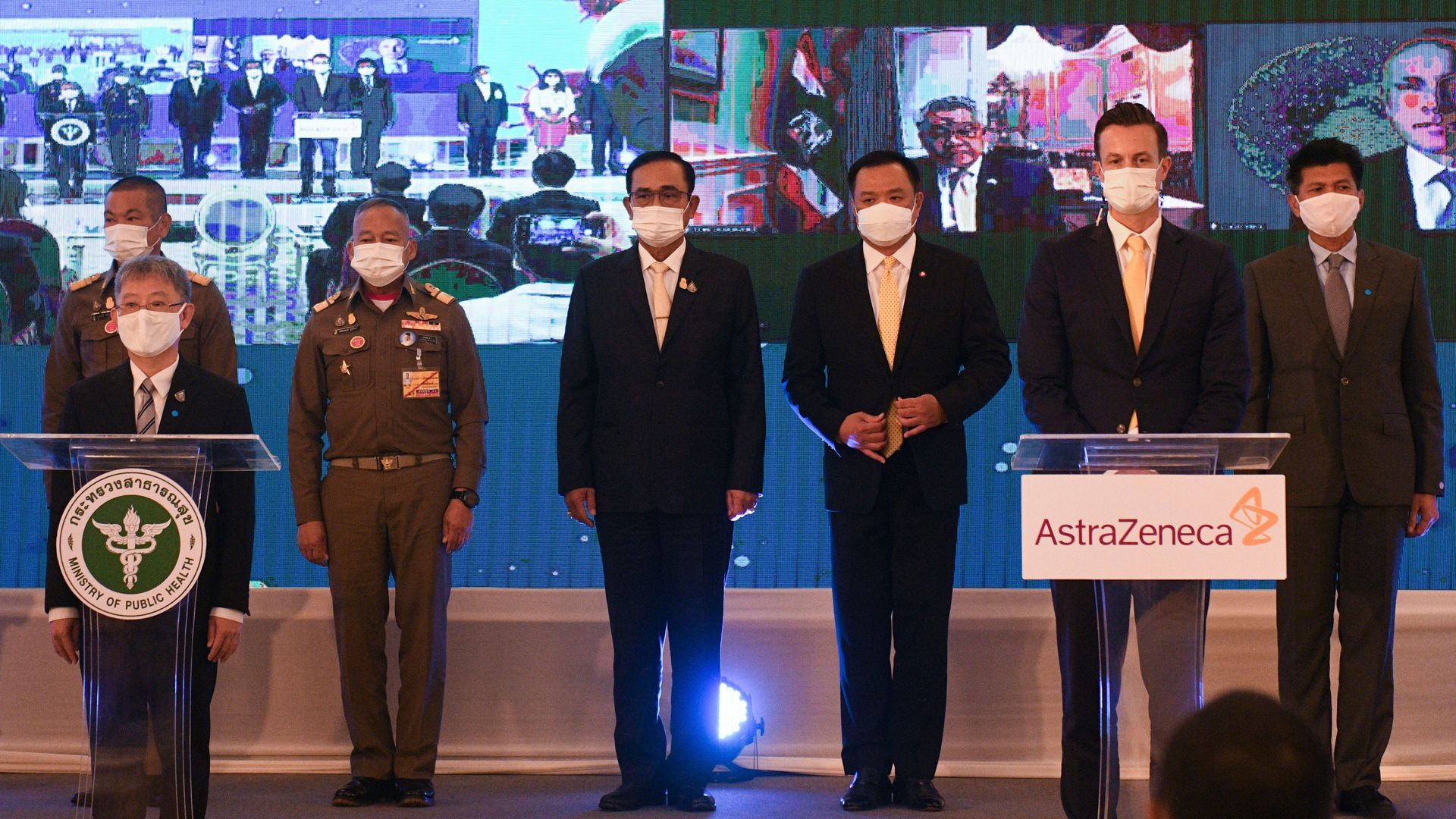
Thailand and the Philippines announced separately on Friday that they secured deals with AstraZeneca to receive supplies of the company's coronavirus vaccine.
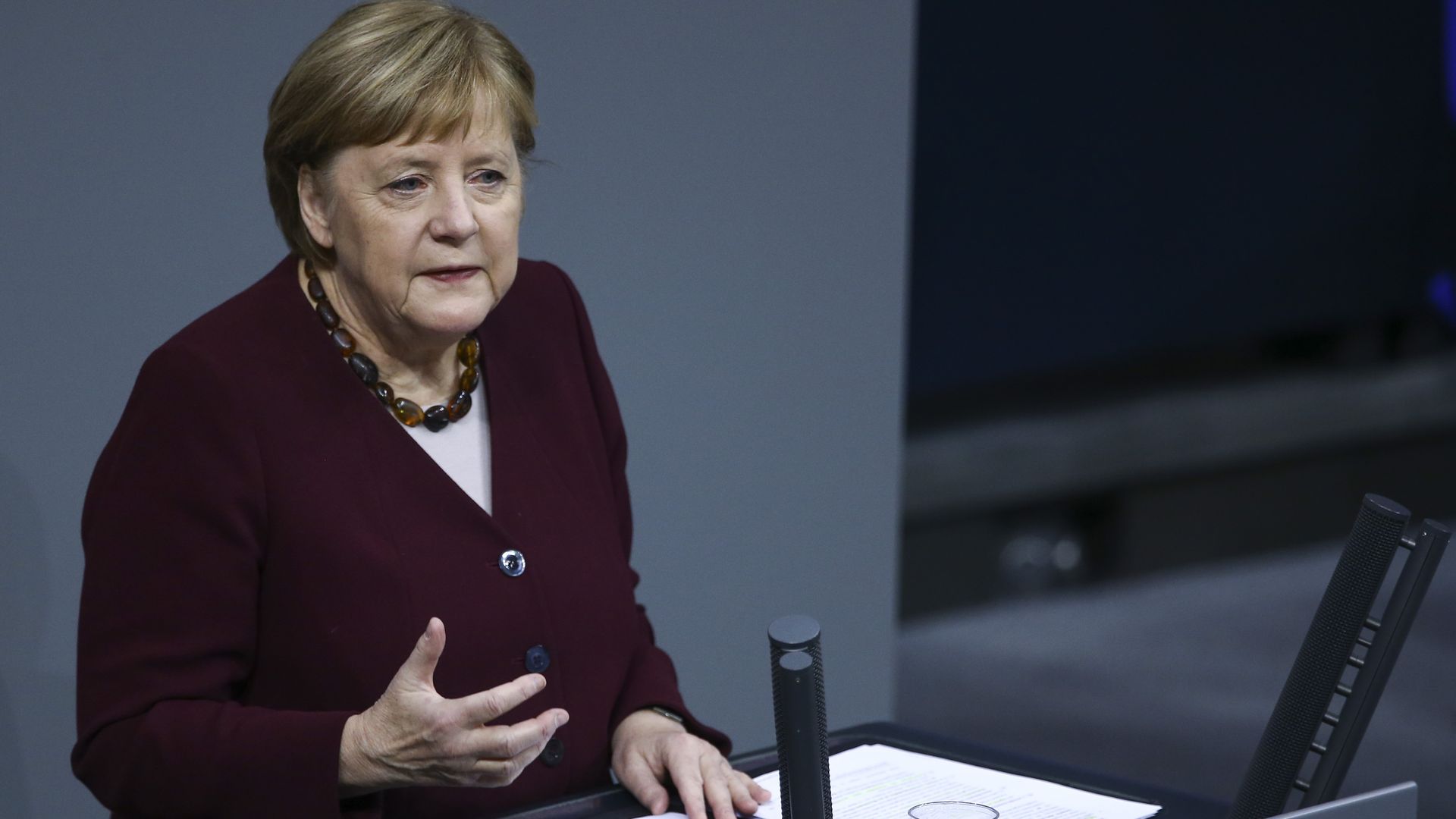
Berlin aims to open six centers with the capacity to vaccinate up to 4,000 people per day with an approved COVID-19 vaccine by mid-December, project coordinator Albrecht Broemme told Reuters on Thursday.
Why it matters: If successful, Germany could be a model for the U.S. and other wealthy countries to handle the logistical challenges of administering a vaccine that requires strict temperature control and storage.
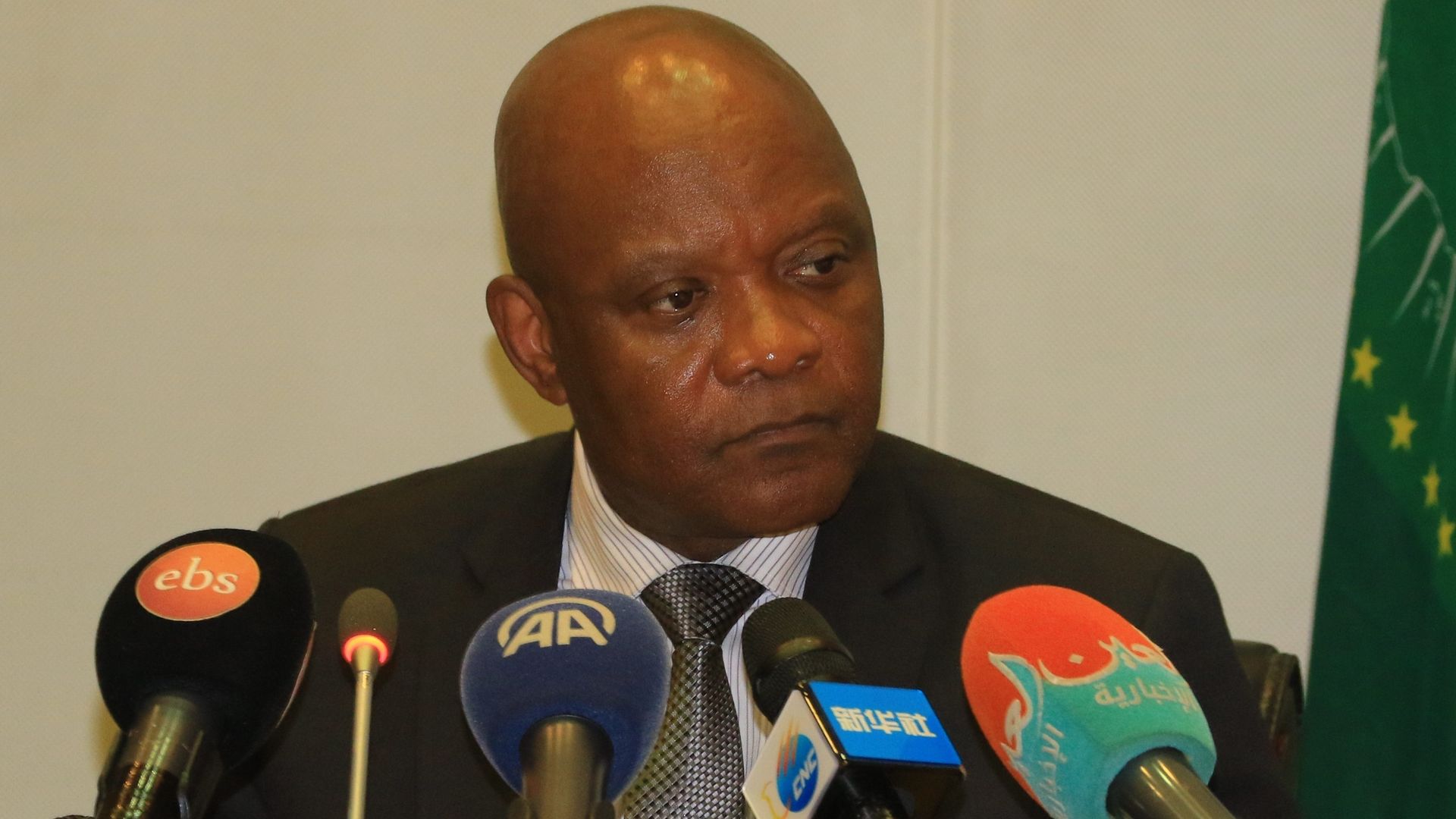
Africa may have to wait until the second quarter of 2021 to roll out vaccines, Africa CDC director John Nkengasong said Thursday, according to the Associated Press.
Why it matters: “I have seen how Africa is neglected when drugs are available,” Nkengasong said.
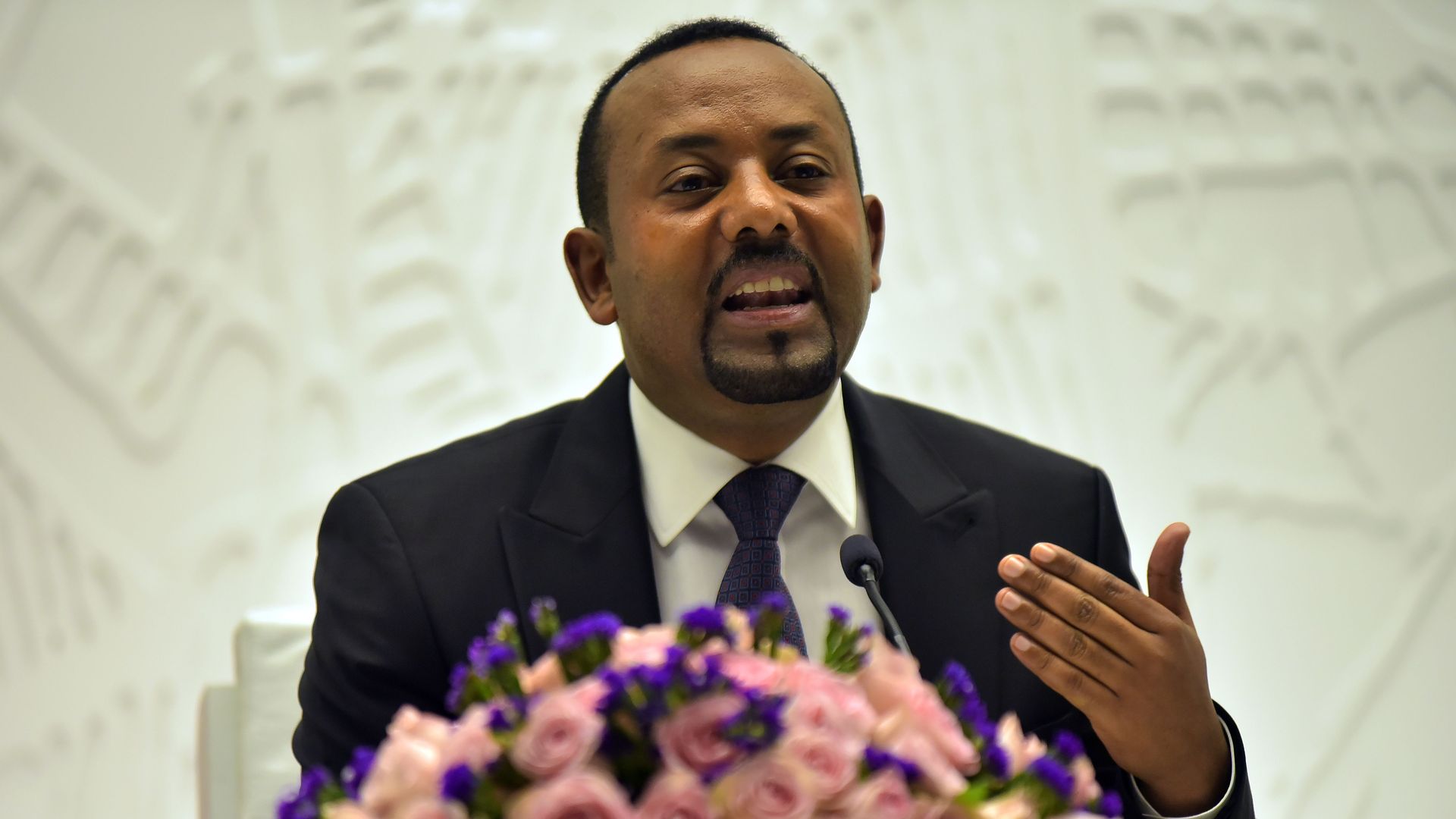
Ethiopia's Prime Minister Abiy Ahmed tweeted Thursday that the country's military will begin the "final phase" of an offensive in the northern Tigray region after his 72-hour ultimatum for local leaders to surrender expired.
Why it matters: The government ofAbiy, who won the Nobel Peace Prize last year, has said it will show "no mercy" if civilians don't "move away from the Tigray leaders in time" as weaponry including tanks near the regional capital, Mekelle, per AP.
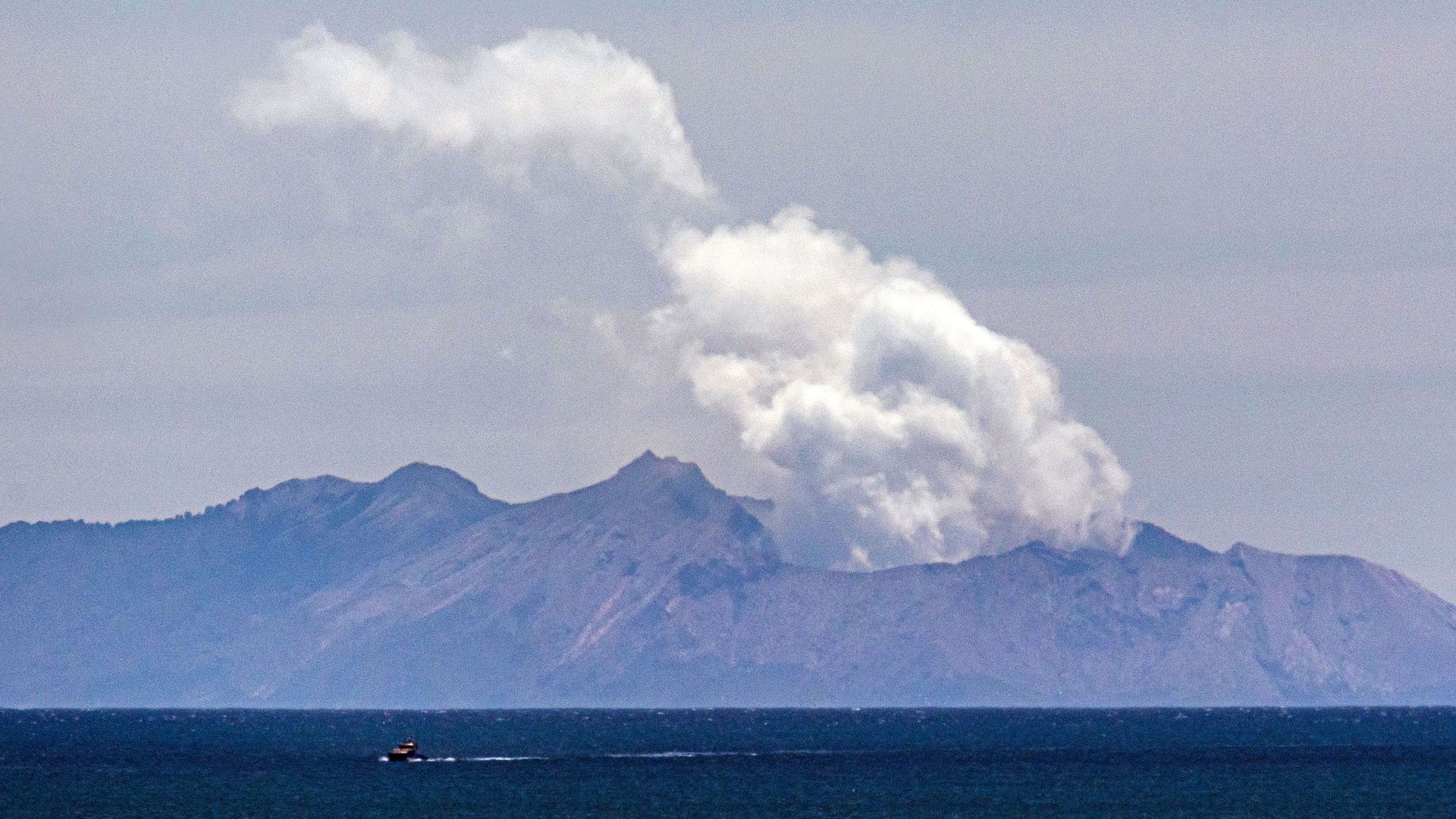
The death toll from New Zealand's Whakaari/White Island volcanic eruption has risen to 22, almost one year on from the tragedy, police announced in a statement Thursday.
The big picture: 47 people were on NZ's only active marine volcano when it erupted Dec. 9, 2019, including New Zealanders and tourists from the U.S., Australia, the U.K., China and Germany. Police identified the latest victim as Horst Westenfelder, 64. The German man died in a hospital overseas "due to medical complications while receiving treatment for injuries" he sustained on the island, per the statement.