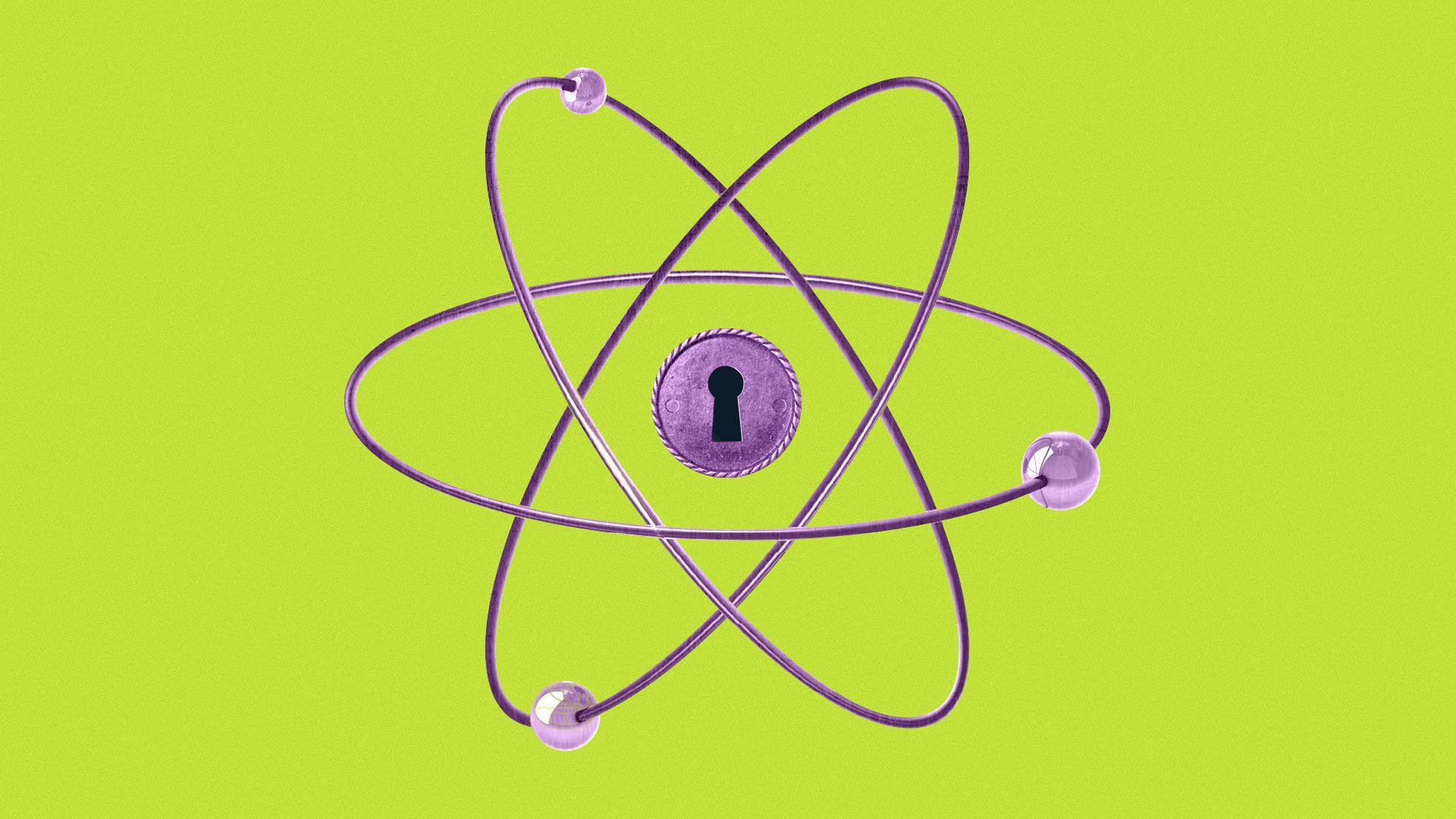
A new report seen first by Axios details the global security risks posed by emerging technologies like AI and gene editing.
Why it matters: Rising populism, as well as the disruptive effects of the COVID-19 pandemic, has already eaten away at the postwar global order. Now powerful new technologies threaten to widen the gap between what we can do and what we can control.
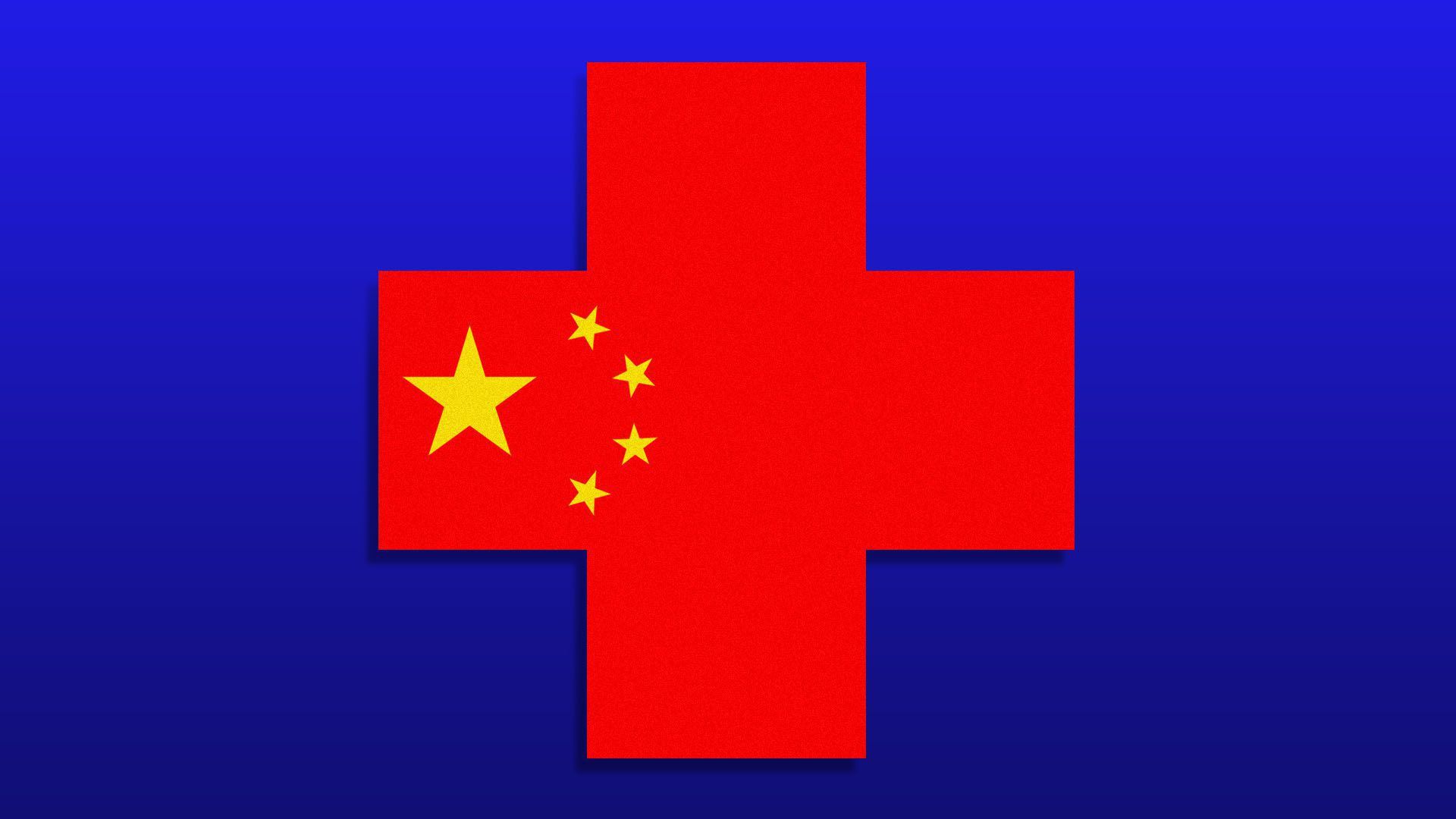
The Beijing Municipal Health Commission just released a set of draft regulations for traditional Chinese medicine (TCM), a huge industry of mass-produced, over-the-counter remedies based on herbal ingredients.
But buried in those draft regulations is a surprising rule: Article 54 states that "denigrating and defaming traditional Chinese medicine" will be "punished by public security organs according to law."
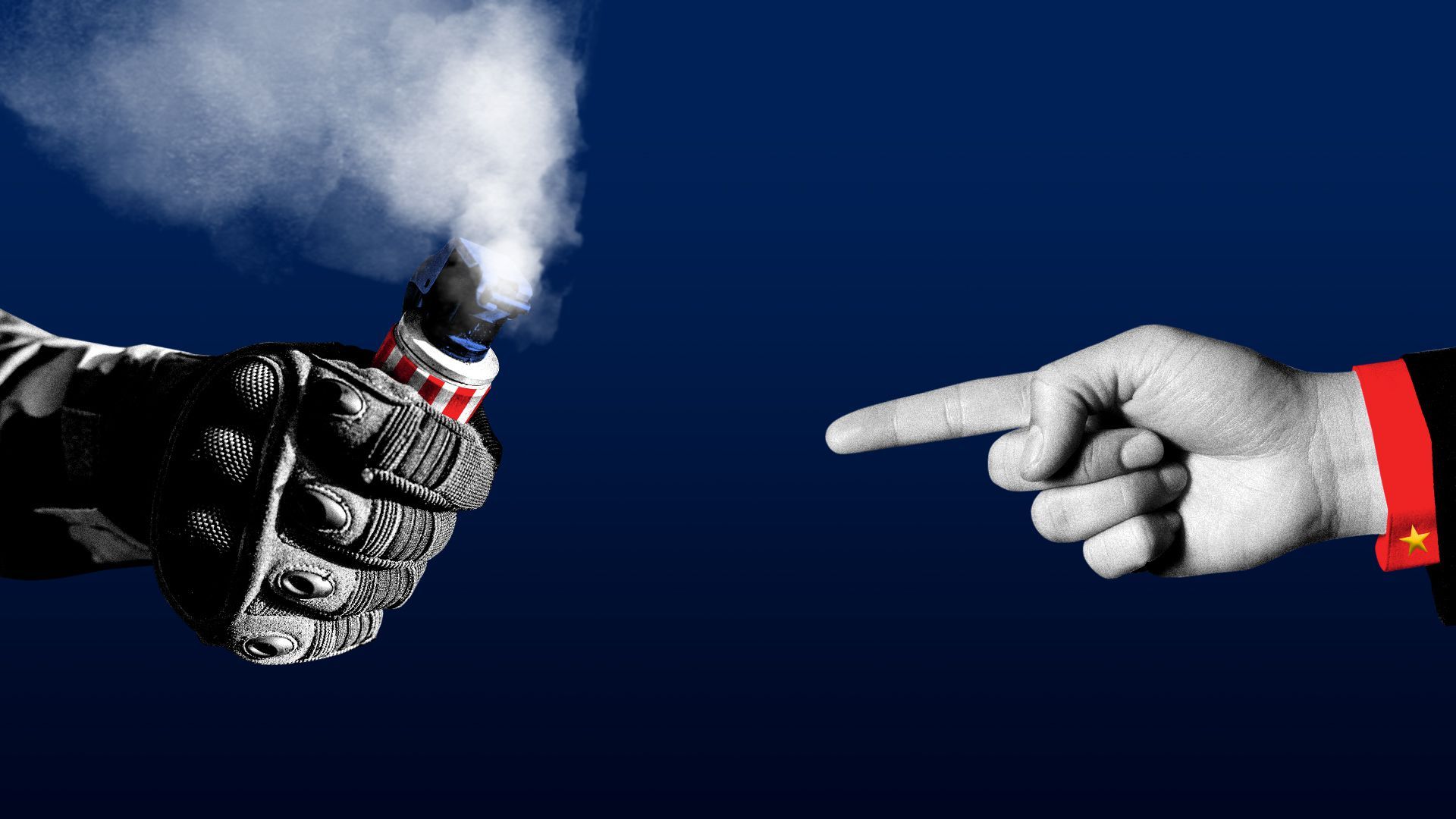
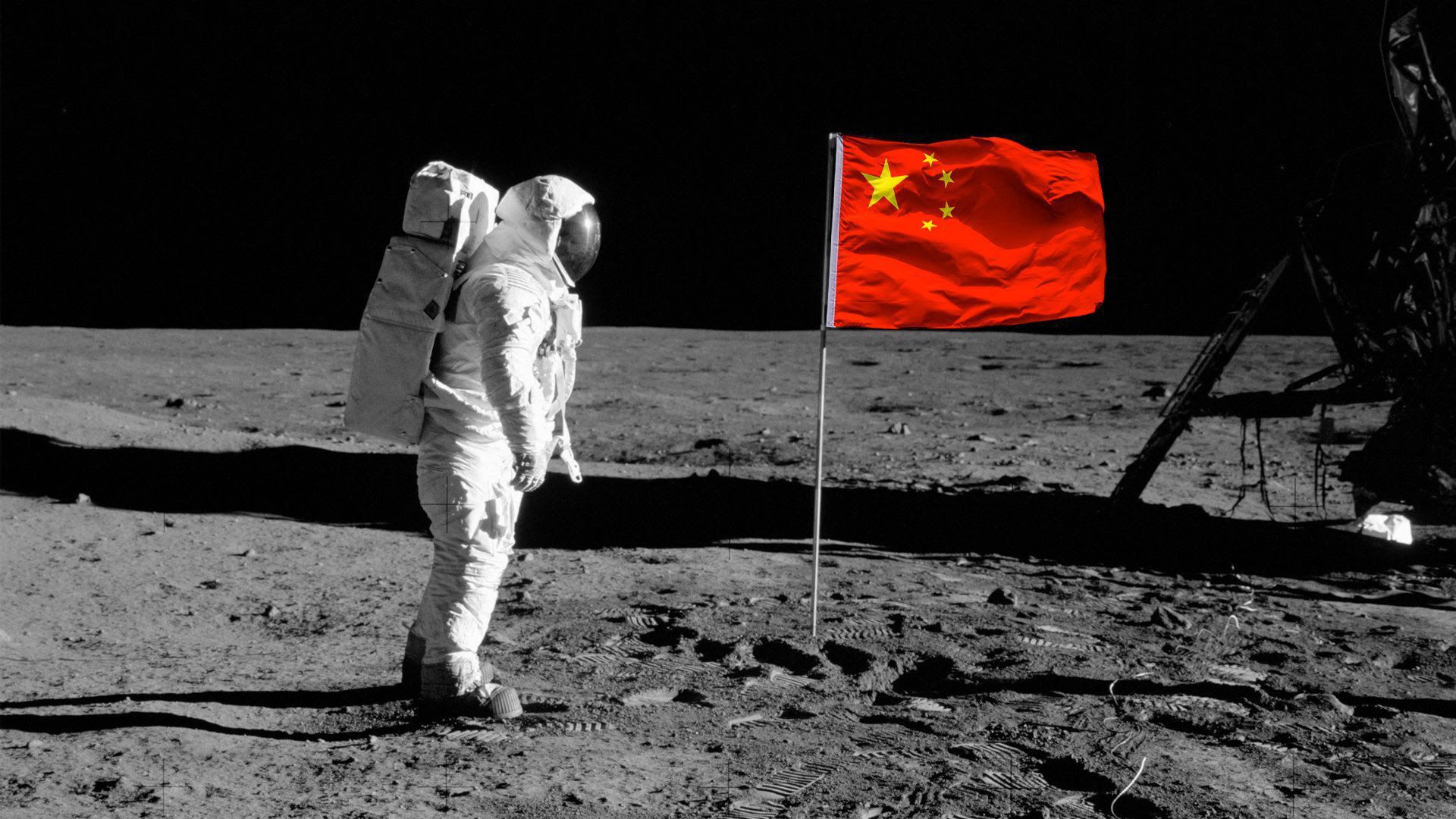
Some U.S. elected officials who expressed support for the Hong Kong protests have now called for military suppression of the ongoing protests in the U.S. — a fact that Chinese state media and government officials have been happy to call out.
Why it matters: The Chinese Communist Party is eager to convince a domestic audience that democracy is dangerous and that U.S. support for human rights is cynical.
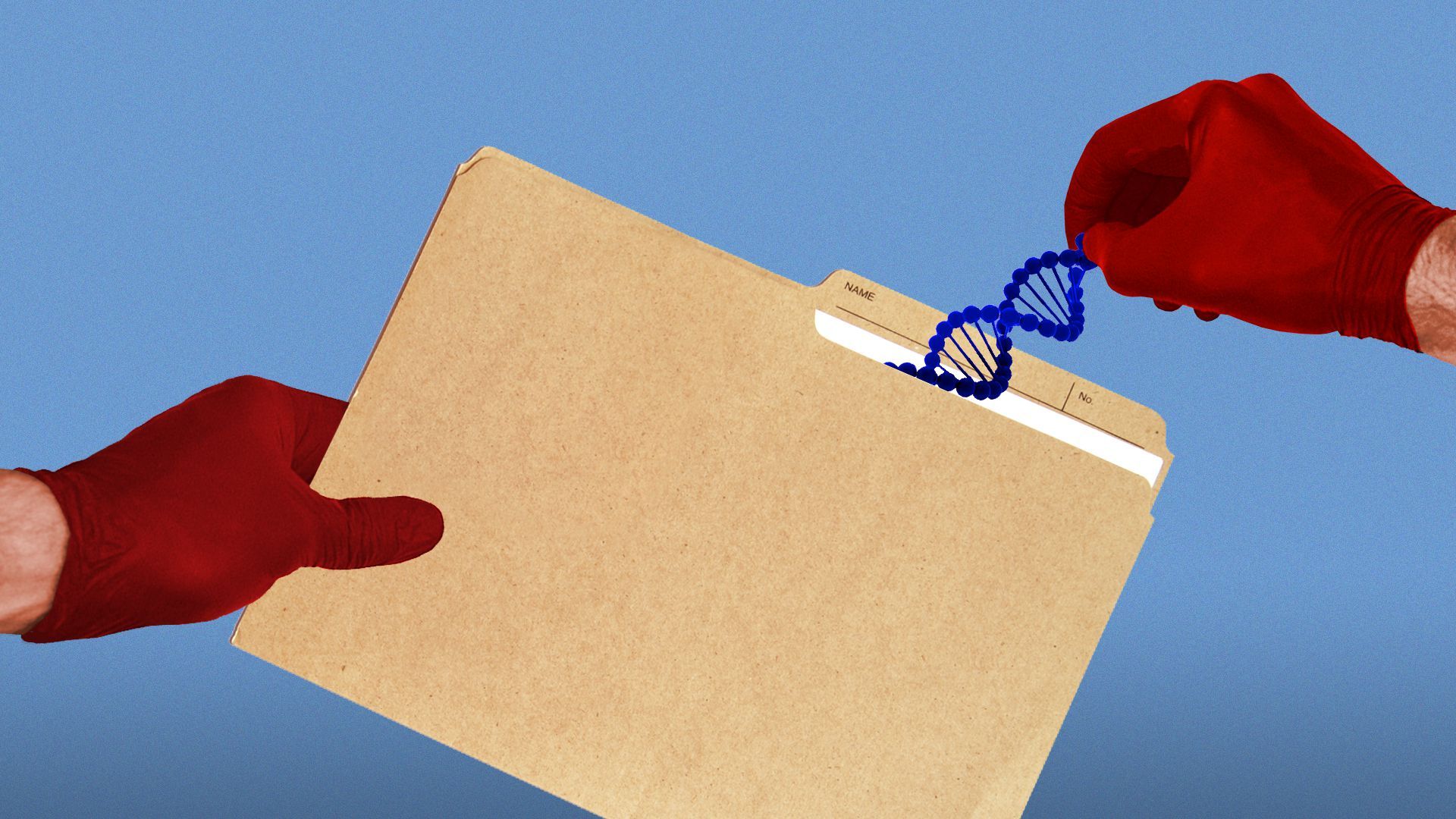
A leading Chinese gene sequencing and biomedical firm that said it would build a gene bank in Xinjiang is supplying coronavirus tests around the world.
Why it matters: U.S. officials are worried that widespread coronavirus testing may provide an opportunity for state-connected companies to compile massive DNA databases for research as well as genetics-based surveillance.
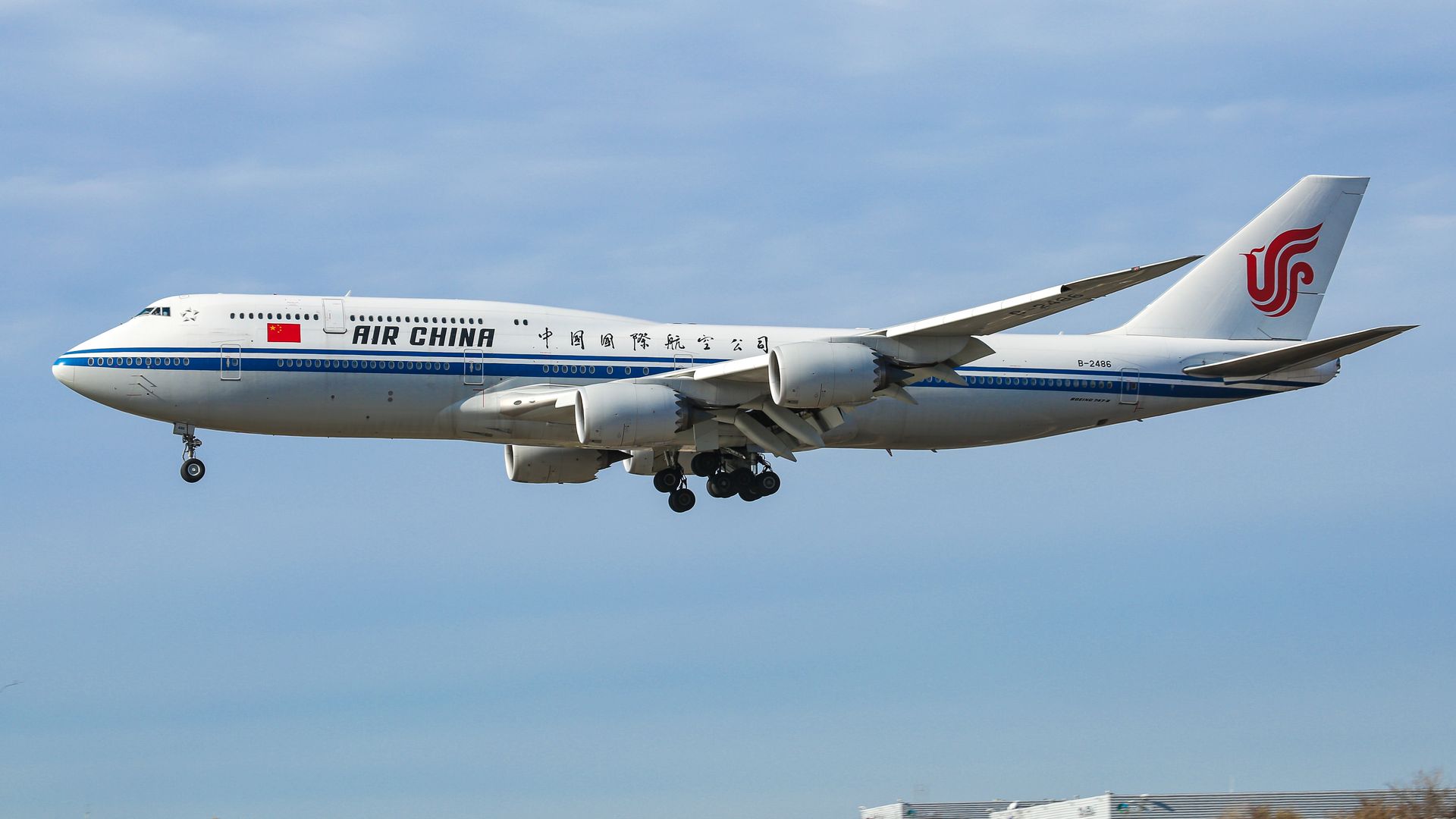
The Department of Transportation announced Wednesday that Chinese passenger airlines will be banned from flying to the United States starting June 16.
Why it matters: Heated tensions between Washington and Beijing are now beginning to impact the airline industry, as the DOT has accused the Chinese government of preventing U.S. airlines from resuming flights to China after suspending them earlier this year due to the coronavirus pandemic.
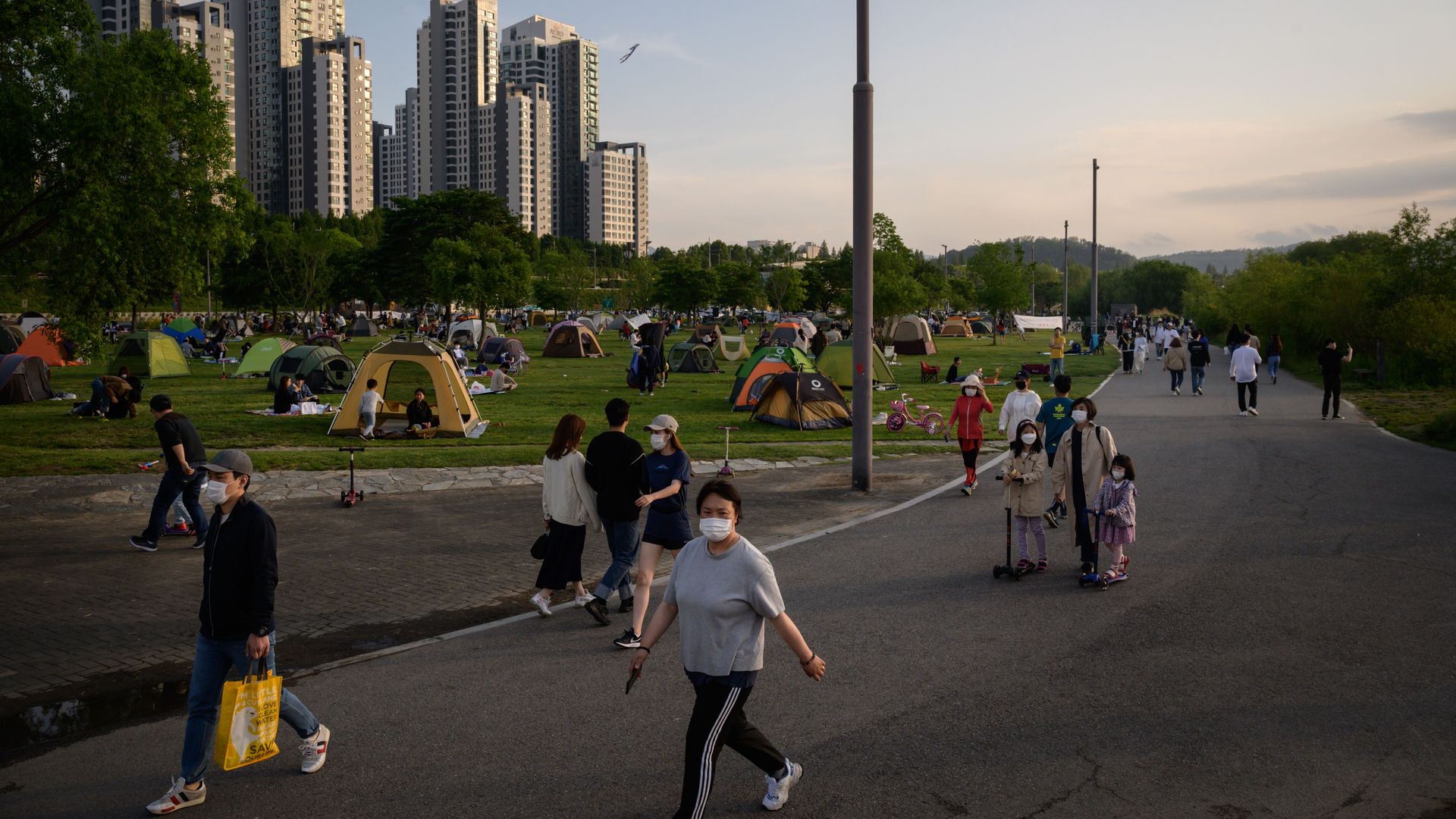
Looking at the economies of South Korea and Taiwan leads to a discomforting takeaway: "Reopening isn’t going to be an economic cure-all," Matthew C. Klein writes for Barron's.
What it means: "Both countries contained the virus better than the U.S., yet consumers in those countries remain reluctant to spend and venture out," Klein notes.
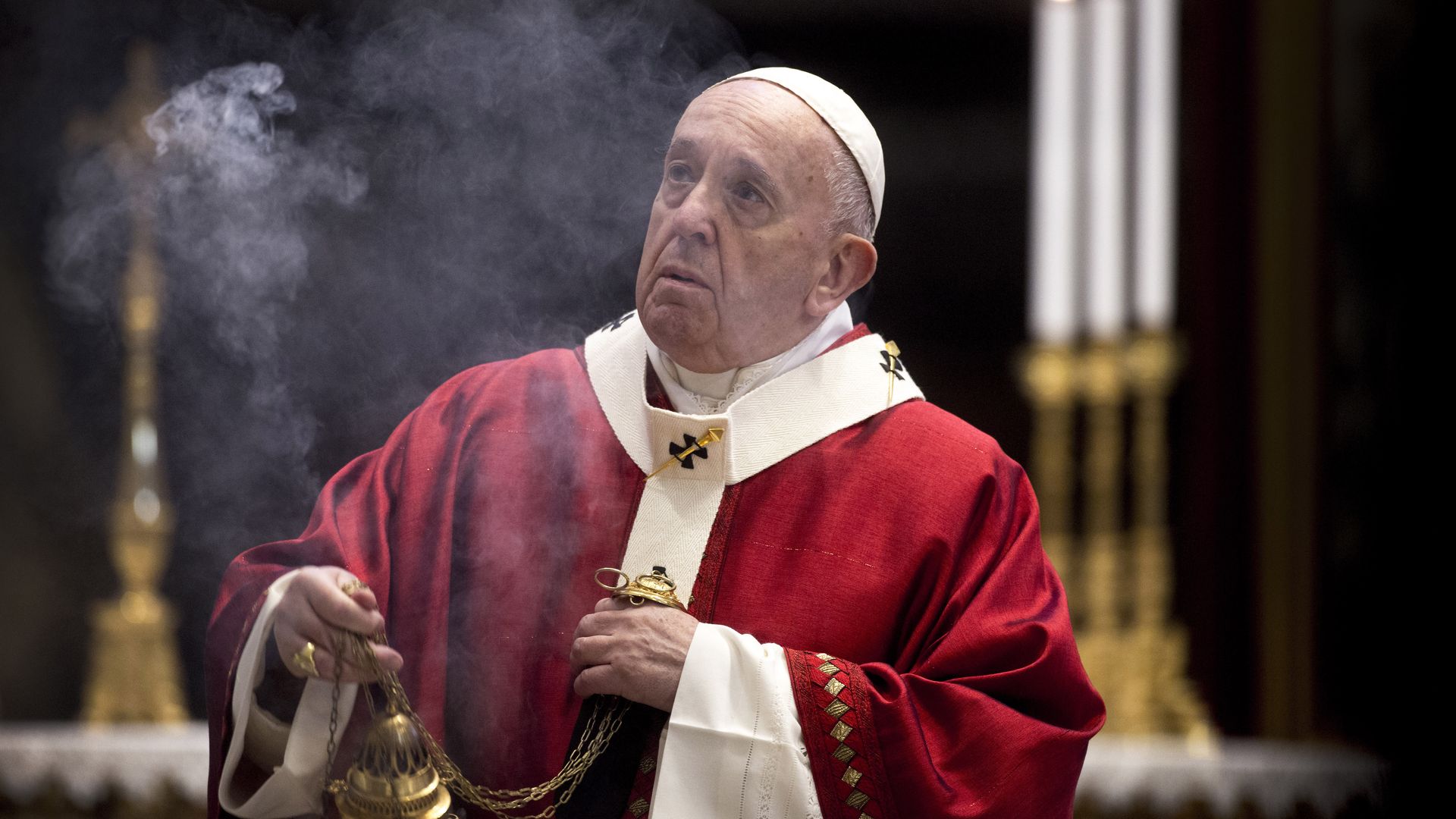
Pope Francis condemned Wednesday the "tragic" killing of George Floyd, while praying for "all those others who have lost their lives as a result of the sin of racism."
What he's saying: "My friends, we cannot tolerate or turn a blind eye to racism and exclusion in any form and yet claim to defend the sacredness of every human life," the pope said to people in the U.S. "At the same time, we have to recognize that 'the violence of recent nights is self-destructive and self-defeating. Nothing is gained by violence and so much is lost,'" he added, quoting a statement from Los Angeles Archbishop José Gomez.
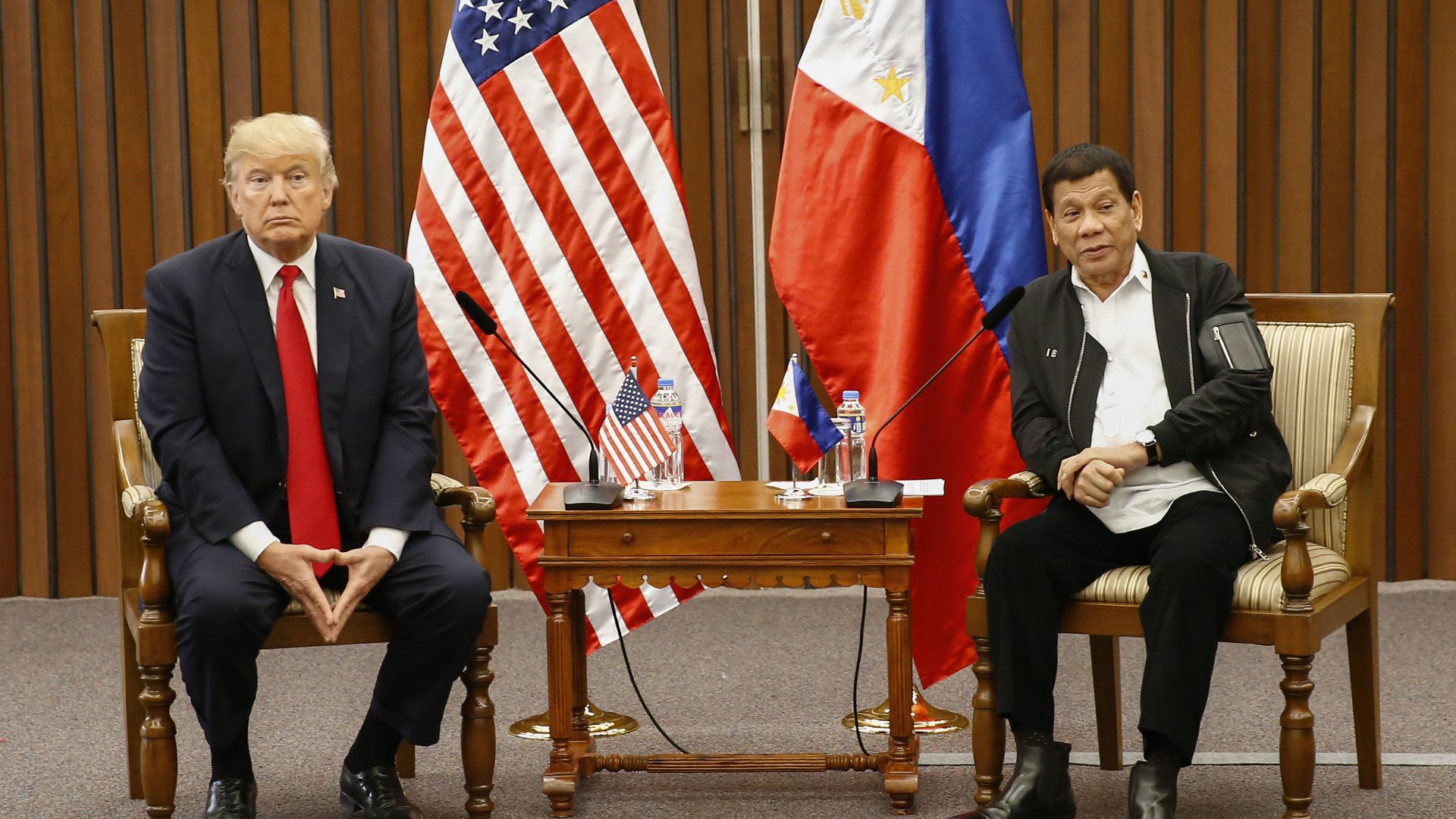
The Philippines has announced that it no longer plans to terminate a major military pact with the U.S. — at least for now.
Why it matters: The Visiting Forces Agreement — which allows U.S. and Philippine troops to conduct joint exercises and share intelligence — will resume at least for the next six months amid China's continued militarization in the South China Sea.
Breaking it down: That’s not the highest rate in the world. Authorities in Brazil, the Philippines and Venezuela, for example, kill significantly more people as a proportion of their populations. But America’s rate is far higher than those of most other wealthy countries.
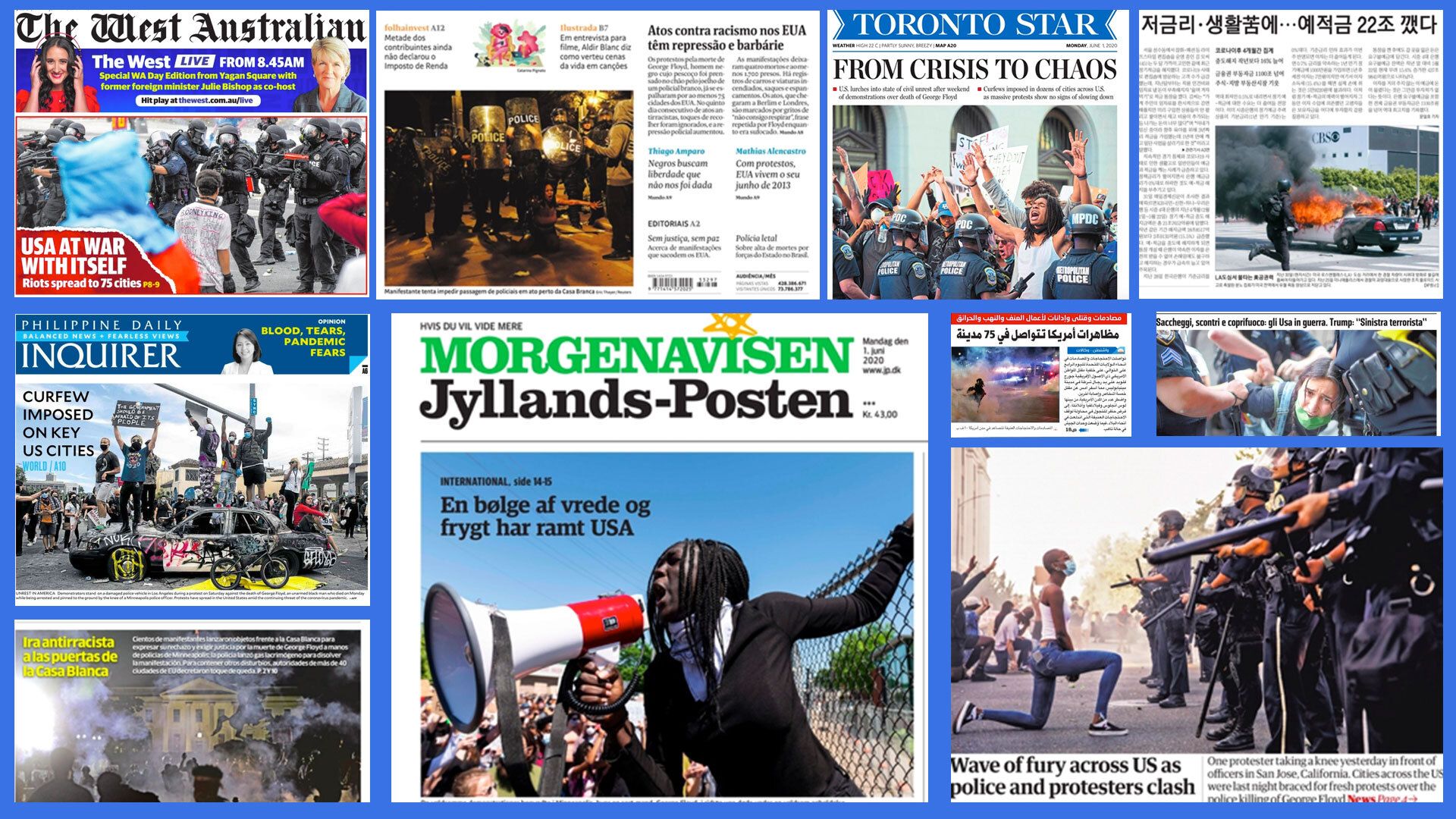
The world is watching the grief and anger,violence and pain in America's streets.
The big picture: The U.S. accounts for nearly one-third of the world's deaths from COVID-19. The killing of a black man, George Floyd, by police has sparked days of protest and nights of chaos in America's major cities.