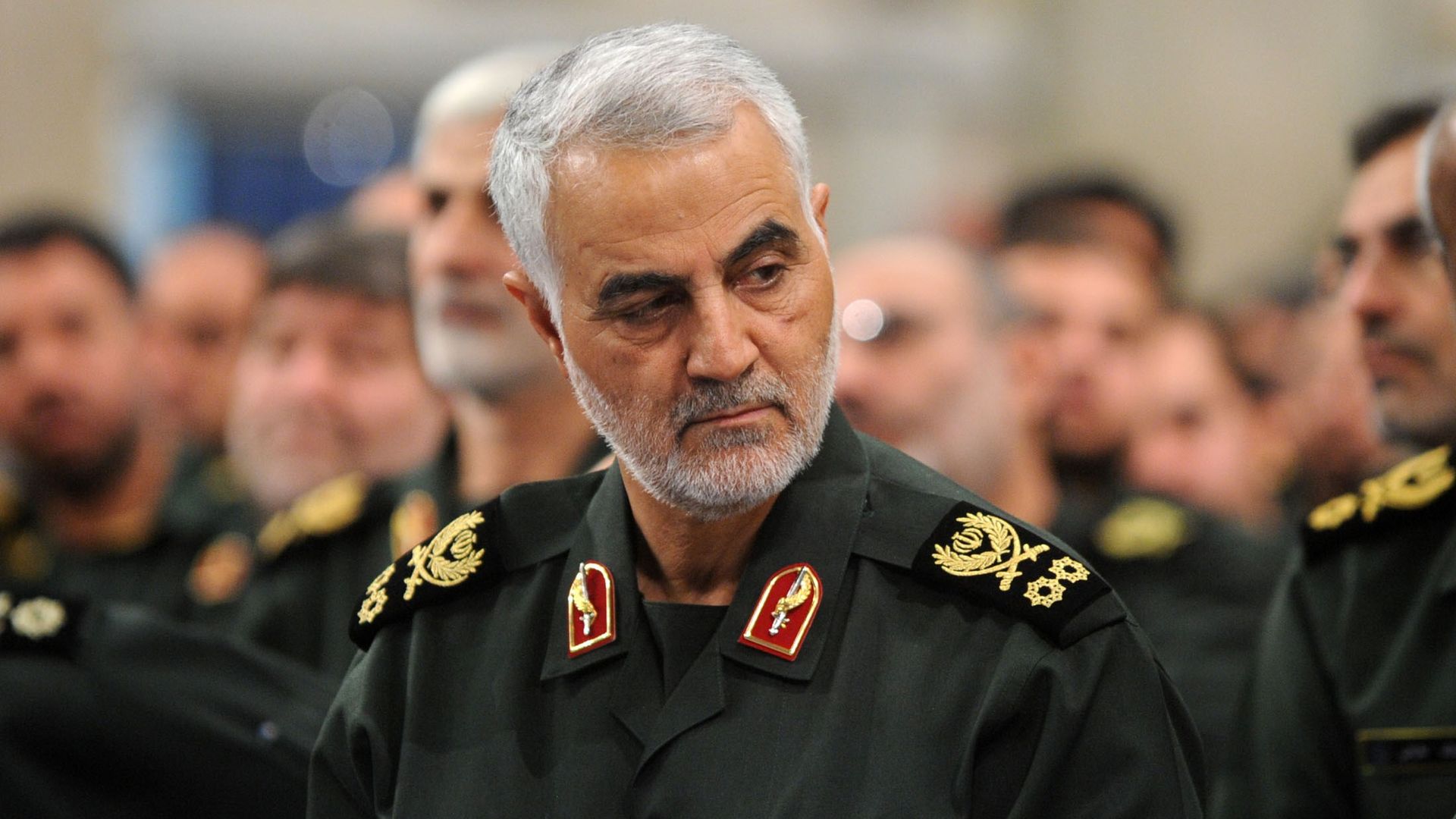
During a press conference Friday, Department of Defense spokesperson Jonathan Rath Hoffman announced 34 U.S. troops were diagnosed with traumatic brain injuries following Iran's attack on U.S. bases in Iraq on Jan. 7.
The state of play: Hoffman confirmed 8 of the 34 troops have returned to the U.S., while 16 of the injured were treated in Iraq and have returned to service. Iran's attack came after a U.S. drone strike killed Iranian Gen. Qasem Soleimani.
Americans are more likely to support the U.S. drone strike that killed Iranian general Qasem Soleimani, despite general skepticism about President Trump's handling of foreign affairs, an Associated Press-NORC poll out Friday indicates.
By the numbers: 41% of respondents approved of the strike, while 30% disapproved. Another 28% didn't express an opinion. Among Republicans, 80% approved while 5% disapproved of the decision. Only 15% of Democrats approved, with 53% disapproving.
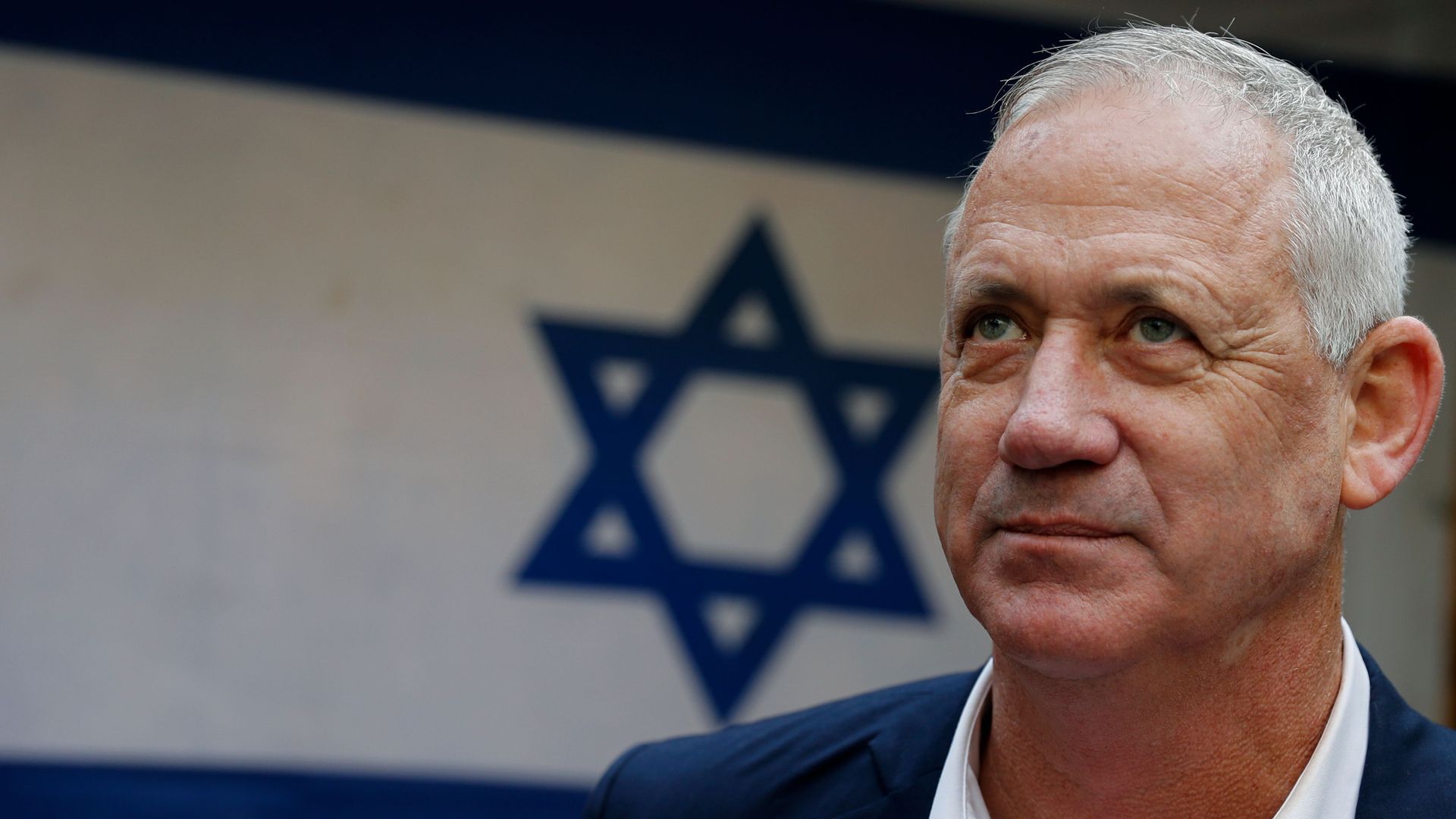
Benny Gantz, the leader of Israel's Blue and White party and the main political opponent to Israeli Prime Minister Benjamin Netanyahu, is considering turning down President Trump’s invitation to come to Washington next week to discuss the U.S. Israeli-Palestinian peace plan.
The big picture: Blue and White officials tell me Gantz and his aides are concerned the invitation to Washington is a political trap orchestrated by Netanyahu a little more than a month before the country's elections on March 2.
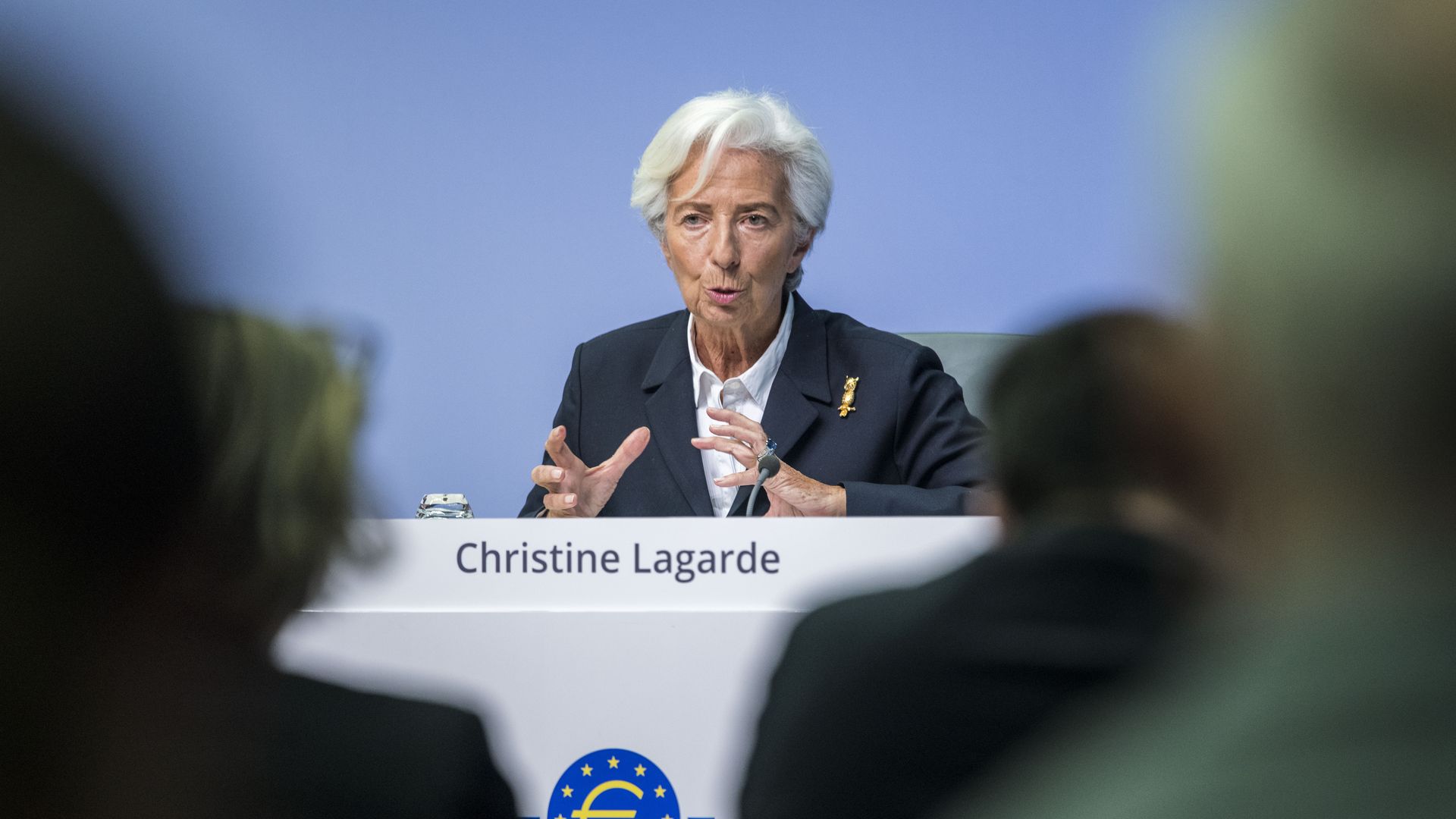
European Central Bank governor Christine Lagarde said Thursday the central bank would begin its first strategic review in 16 years. However, Lagarde's praise for negative interest rates and the stimulus programs from her predecessor, Mario Draghi, has investors betting the ECB holds rates at the current level of -0.5% for at least 18 months.
Quick take: The ECB left policy unchanged at Thursday’s meeting, and Lagarde said interest rates would only be raised from negative territory when eurozone inflation "robustly" meets the central bank’s target of just under 2%.
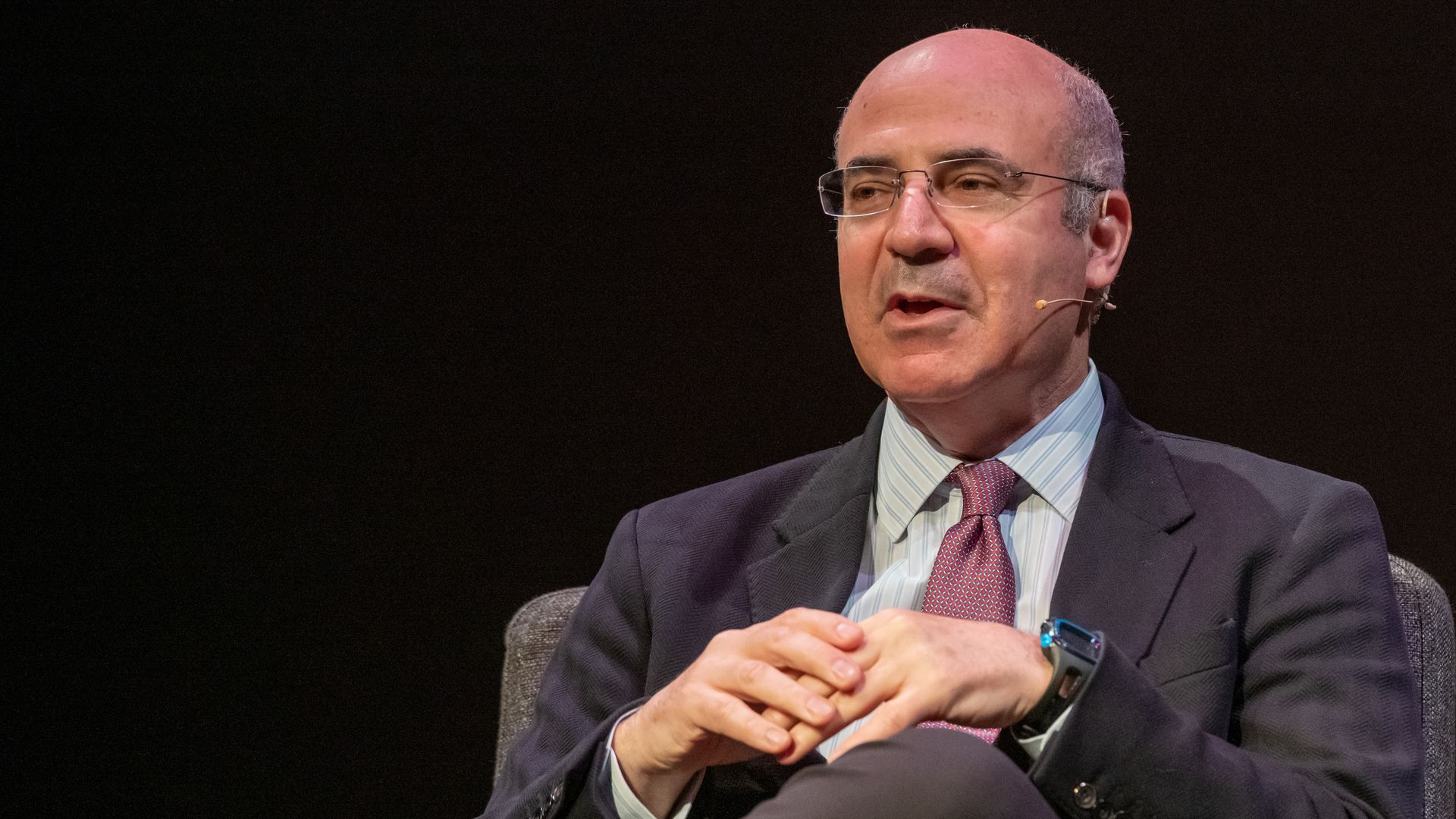
No story caused a bigger stir in Davos this week than the news that two suspected Russian spies had been caught in August posing as plumbers in the Alpine town.
Between the lines: One prominent attendee instantly suspected a personal connection. Bill Browder, a U.S.-born financier and long-standing thorn in the side of Vladimir Putin, tells Axios that before departing for Davos he received a warning from the British security services — passed along by their Swiss counterparts — that he could be in danger.
Editor's note: After this article was published in January, the Chinese government removed the court case from their website. The document is available here.
A Chinese student at the University of Minnesota has been arrested in China and sentenced to six months in prison for tweets he posted while in the United States, according to a Chinese court document viewed by Axios. Some of the tweets contained images deemed to be unflattering portrayals of a "national leader."
Why it matters: The case represents a dramatic escalation of the Chinese government's attempts to shut down free speech abroad and a global expansion of a Chinese police campaign to track down Twitter users in China who posted content critical of the Chinese government.