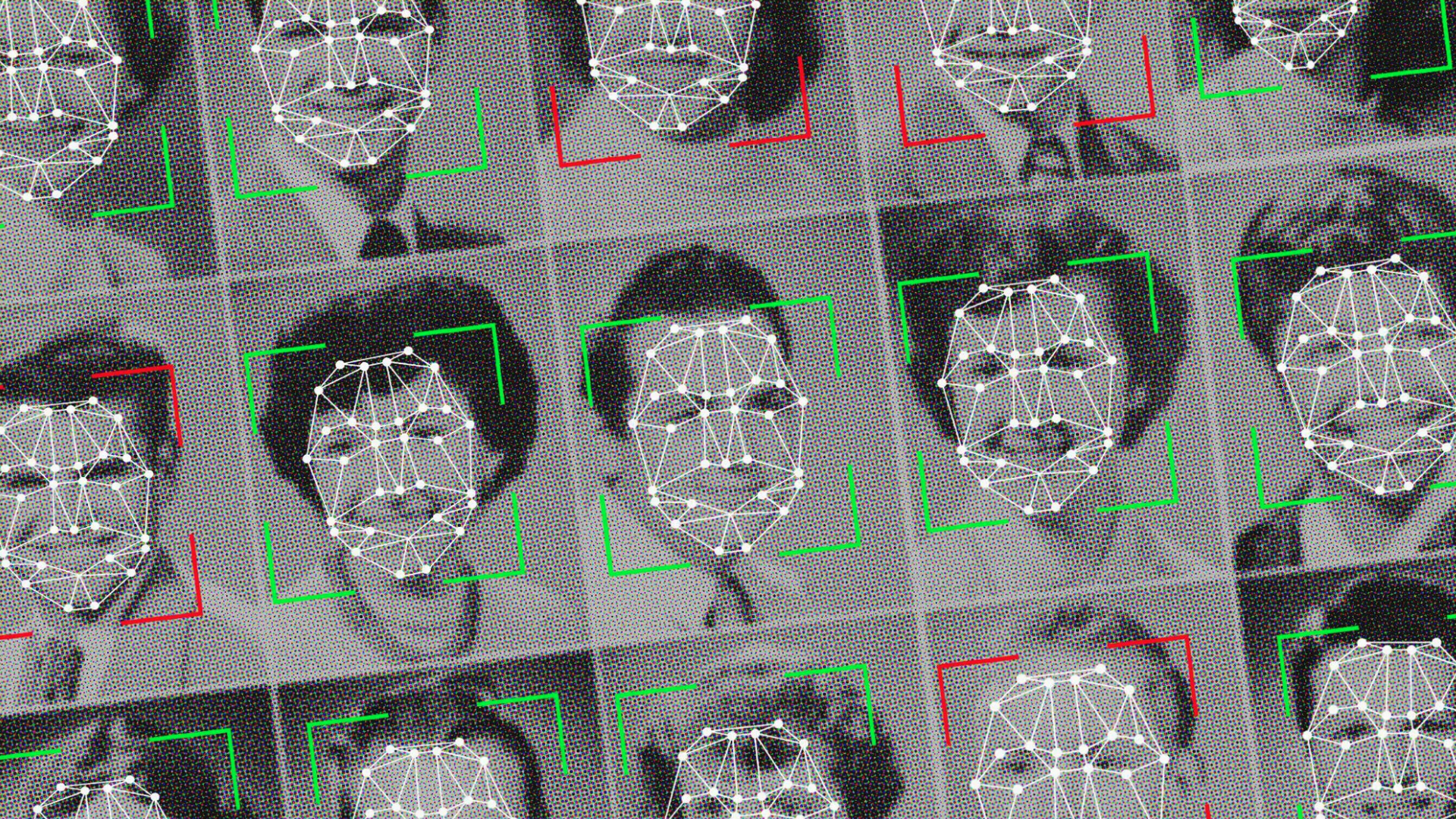
The FBI warned in a letter to Senate Minority Leader Chuck Schumer (D-N.Y.) Monday that it considers mobile applications developed in Russia, including the popular photo-aging app "FaceApp," to be "potential counterintelligence threats."
The backdrop: FaceApp is a Russian-owned mobile application that allows users to upload photos of themselves and see what they may look like at a different age. Experts warned about potential privacy and national security concerns when the app spiked in popularity this past summer, prompting Schumer to request that the FBI and Federal Trade Commission look into the matter in July.
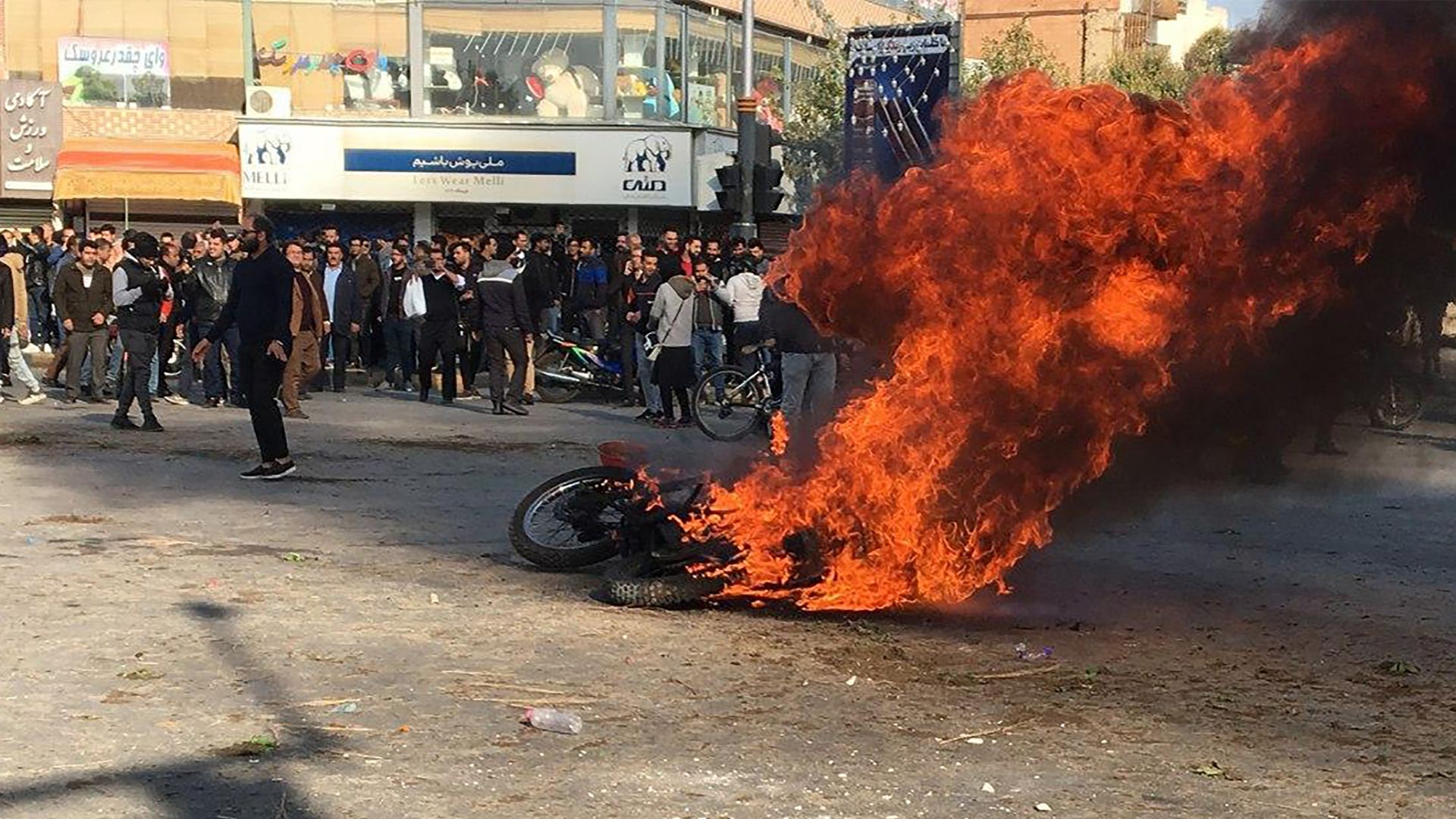
Iranian Supreme Leader Ali Khamenei has likened the recent wave of protests to a “vast, very dangerous and planned conspiracy,” but, in fact, the demonstrations reflect growing shifts among the people of Iran and in neighboring countries.
The big picture: Khamenei and the rest of the regime have long pointed a finger abroad when under strain at home. But they're now facing greater pressure and responding with firmer tactics, including the use of lethal force under the cover of an internet blackout.
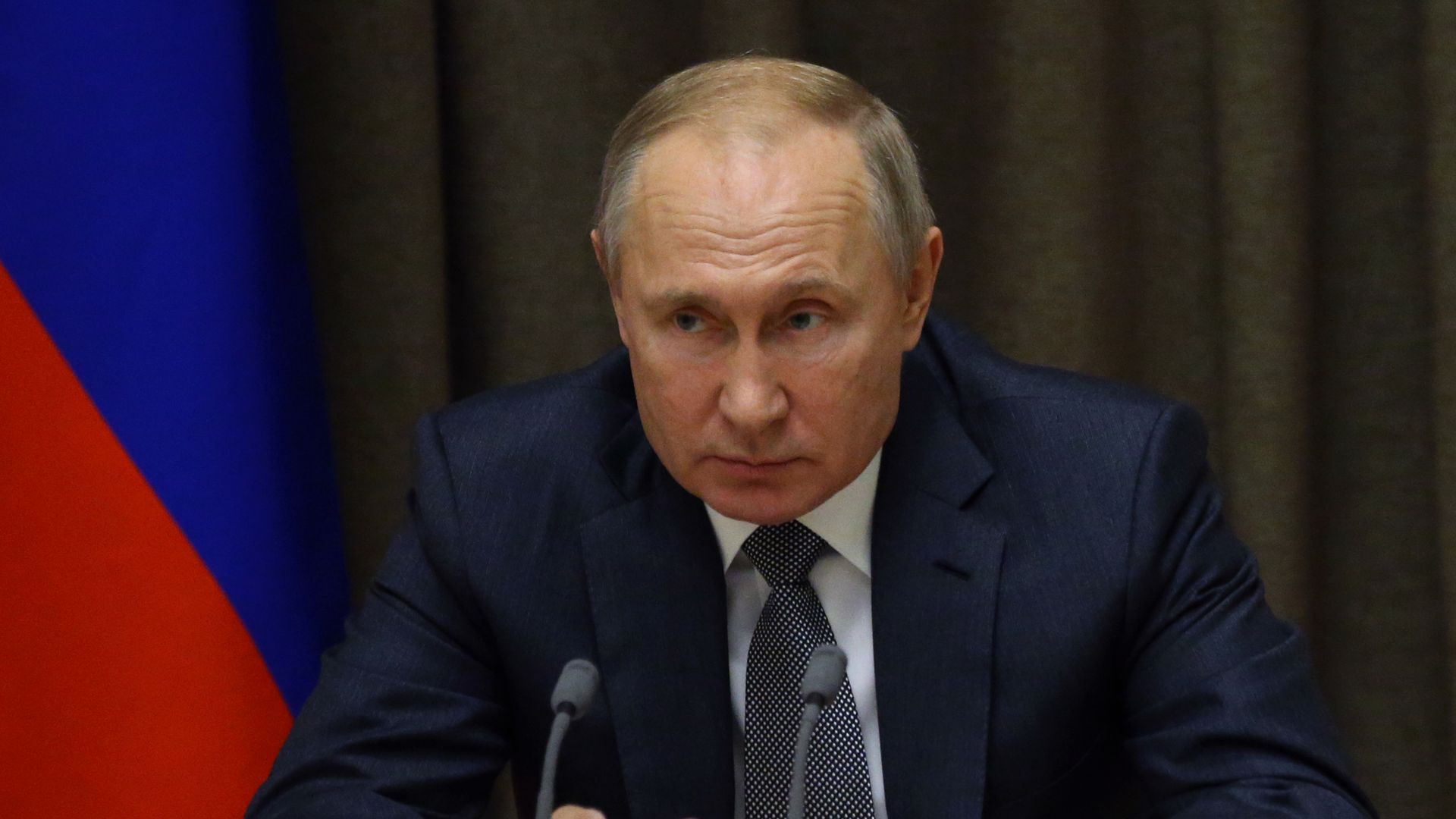
Russian President Vladimir Putin enacted legislation on Monday that requires all consumer electronics sold in the country, including smartphones, laptops and smart TVs, to come pre-installed with Russian software, Reuters reports.
Why it matters: Electronics retailers, including Apple, Samsung and Huawei, have criticized the law, claiming the government adopted the legislation without consulting them.
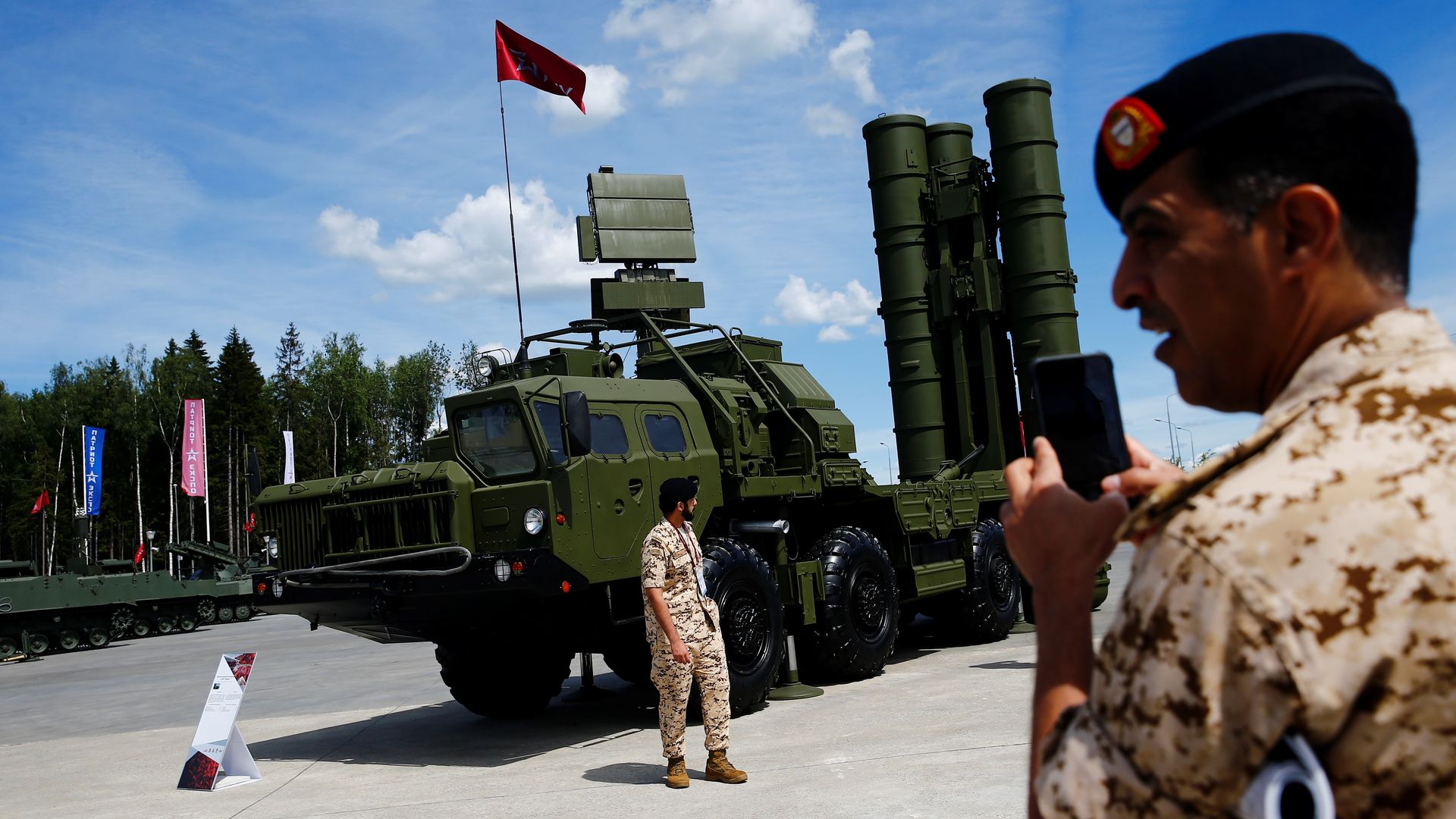
Sens. Chris Van Hollen (D-Md.) and Lindsey Graham (R-S.C.) asked in a letter to Secretary of State Mike Pompeo Monday to sanction Turkey for violating U.S. law by testing a Russian-made S-400 air defense system in Ankara this week.
Why it matters: The senators sent the letter a day before NATO leaders, including Turkish President Recep Tayyip Erdoğan, convene for a summit in London on a myriad of pressing topics, including the risk posed by Turkey testing Russian missile systems.
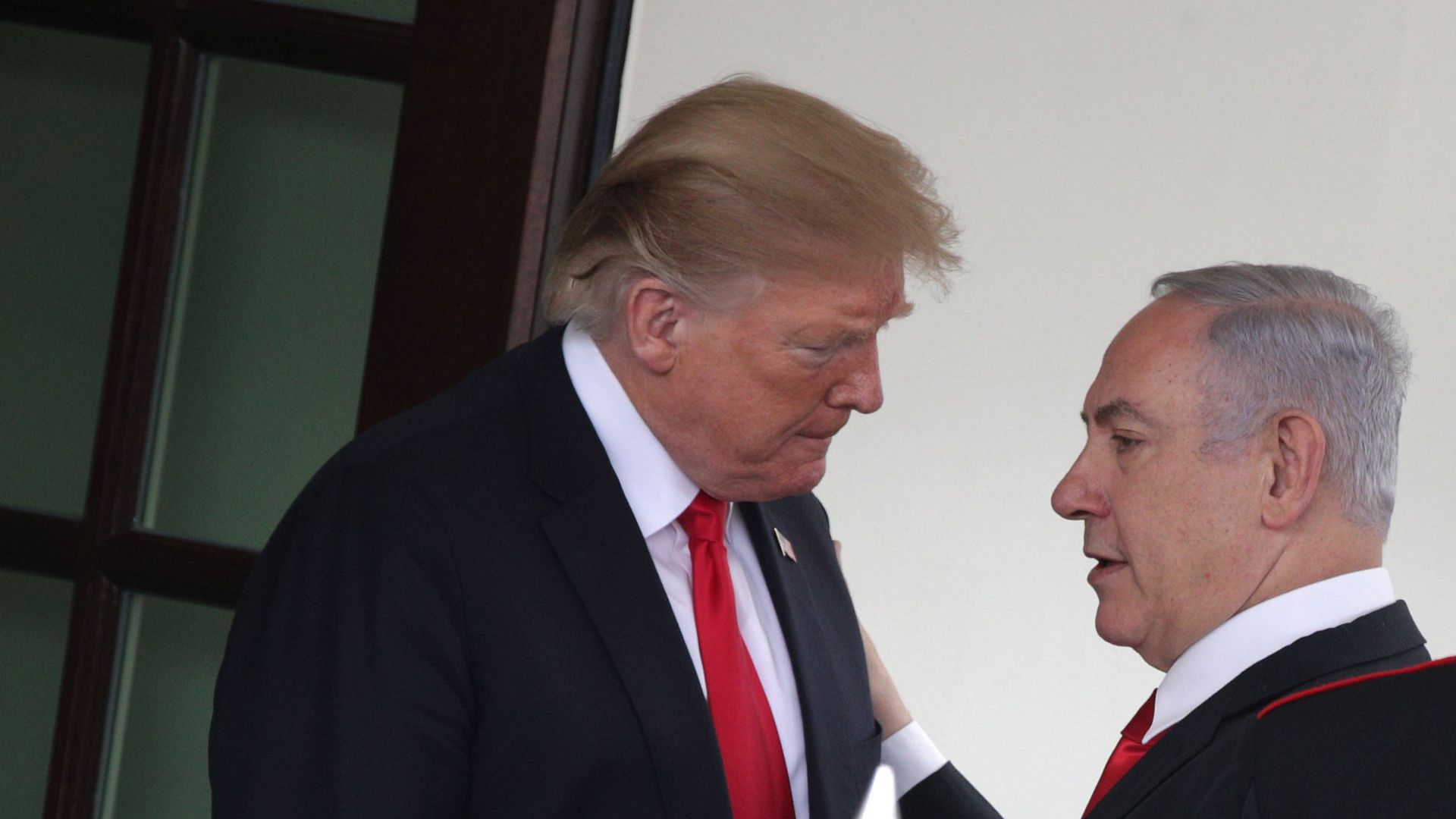
Israeli Prime Minister Benjamin Netanyahu says he and President Trump discussed the possibilities of a U.S-Israel defense treaty as well as Israeli annexation of the Jordan Valley in the West Bank in their call last night.
Why it matters: This is mostly about domestic political positioning for Netanyahu as he and opposition politician Benny Gantz stare down a Dec. 11 deadline to form a government. Netanyahu gave the impression that Trump was favorably disposed toward both goals and called on Gantz to form a unity government to accomplish them.
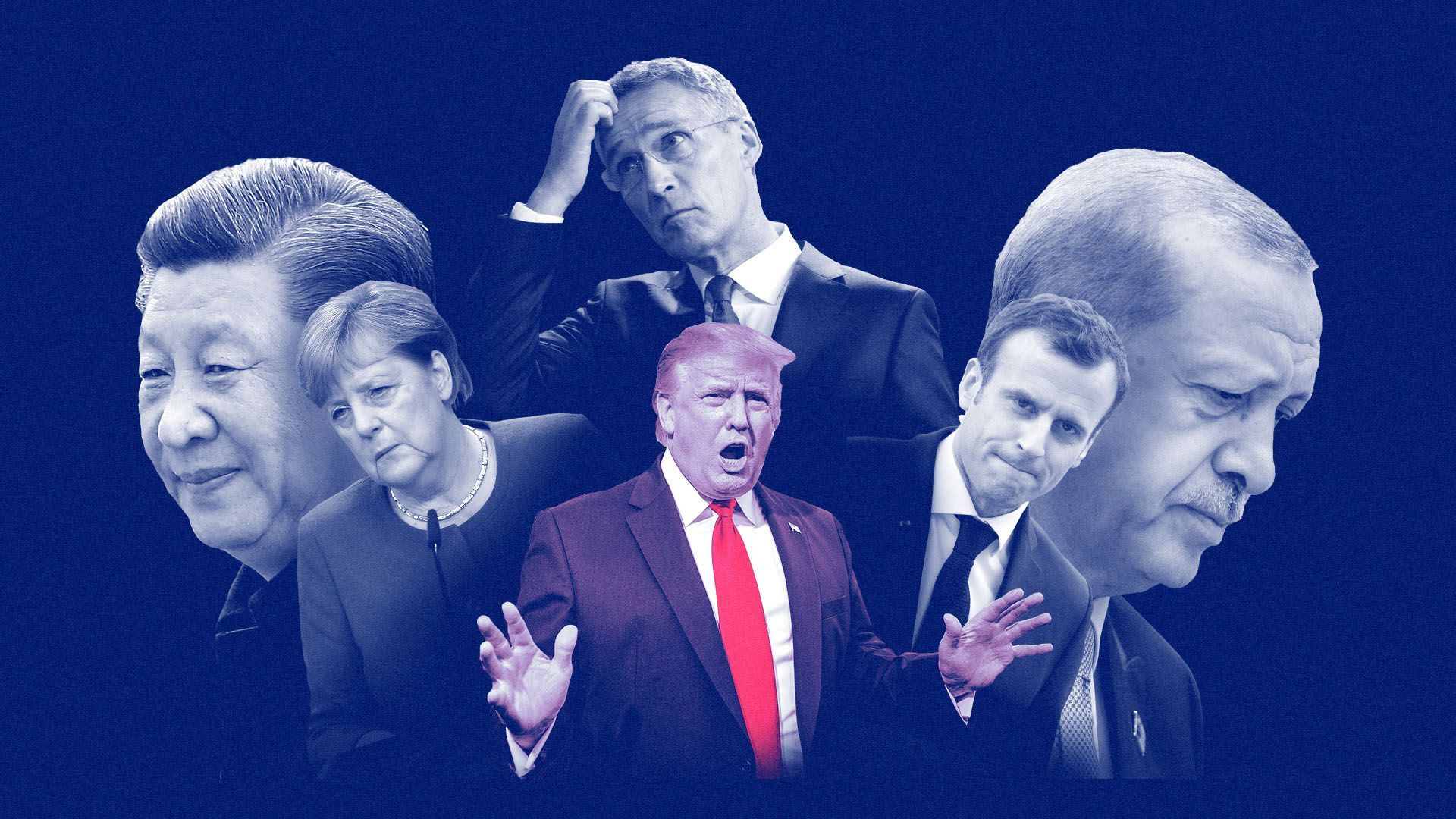
This week's NATO meeting in London will be "a celebratory leaders' meeting," according to a White House talking point ahead of President Trump's trip. But European officials aren't betting on it, and Trump has been privately complaining about France's President Emmanuel Macron.
Best-case scenario, for Europeans: Trump sticks to the script — taking credit for a stronger NATO and celebrating the fact that the Europeans are spending more on their defense.
The United Nations' standards for facial recognition, video monitoring, and city and vehicle surveillance are being shaped by Chinese tech groups including ZTE, Dahua and China Telecom, according to leaked documents reported by the Financial Times.
Why it matters: Companies that help shape standards are able to craft regulations to fit their own goals and specifications. Developing countries in Africa, the Middle East and Asia, where China has sought to grow its influence through the Belt and Road Initiative, often adopt standards developed by the UN's International Telecommunication Union (ITU) as policy, according to the FT.