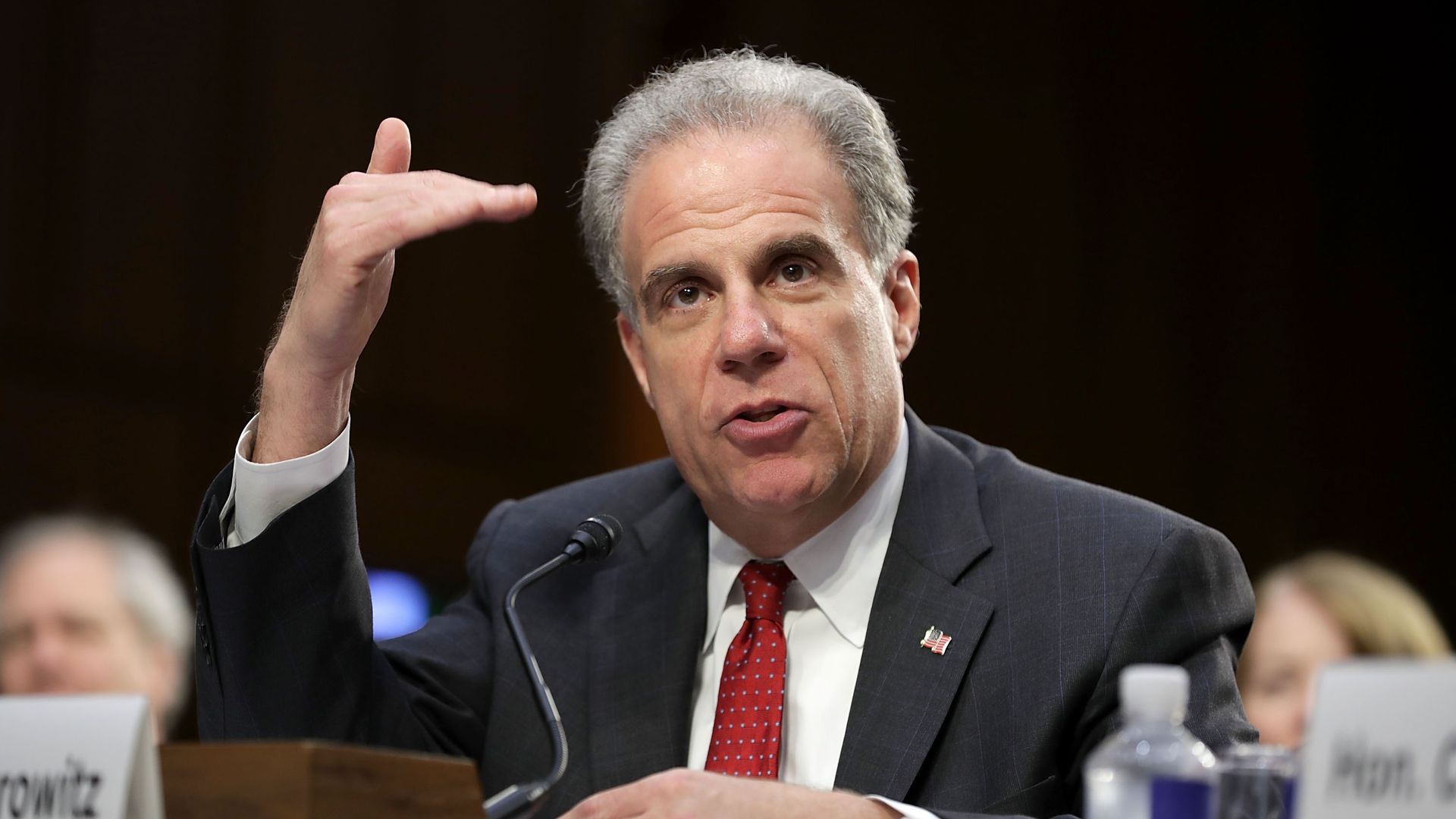
Justice Department Inspector General Michael Horowitz will testify before the Senate Judiciary Committee on Dec. 11 about his investigation into alleged abuses of the Foreign Intelligence Surveillance Act (FISA) during the Russia probe, Chairman Lindsey Graham (R-S.C.) announced Monday.
Why it matters: Horowitz's highly anticipated report is expected to explore, among other things, whether the FBI's court-ordered surveillance of former Trump campaign aide Carter Page was properly handled. Trump allies hope that Horowitz's report, as well as a separate investigation into intelligence collecting led by prosecutor John Durham, will undermine the findings of the Russia investigation.
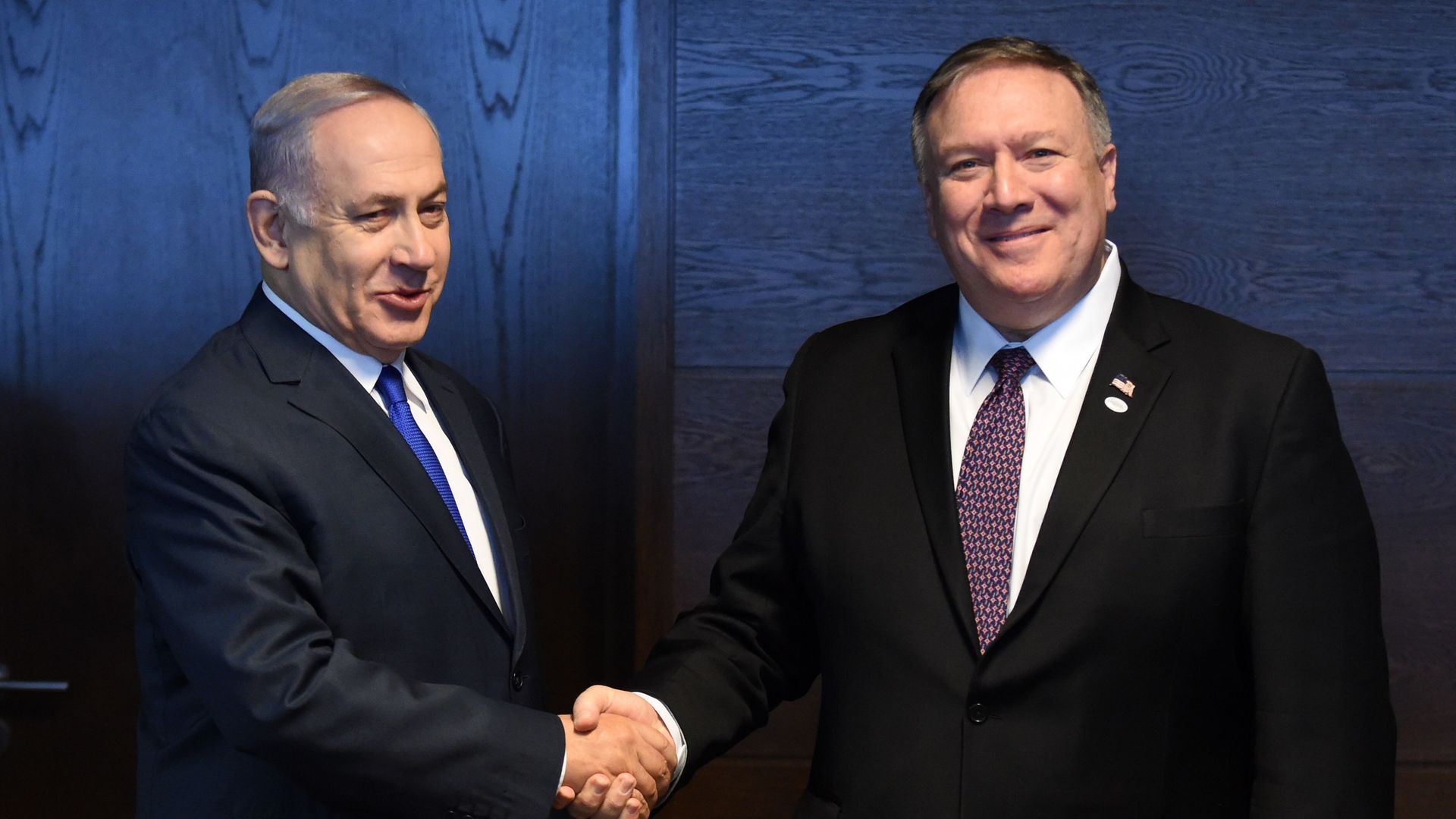
Secretary of State Mike Pompeo announced Monday that the U.S. will no longer view Israeli settlements in the West Bank, Golan Heights and East Jerusalem as "inconsistent with international law."
Why it matters: This move is an important shift because it cancels a legal position held by the U.S. State Department since 1978, when the Carter administration determined that the settlements were a violation of international law.
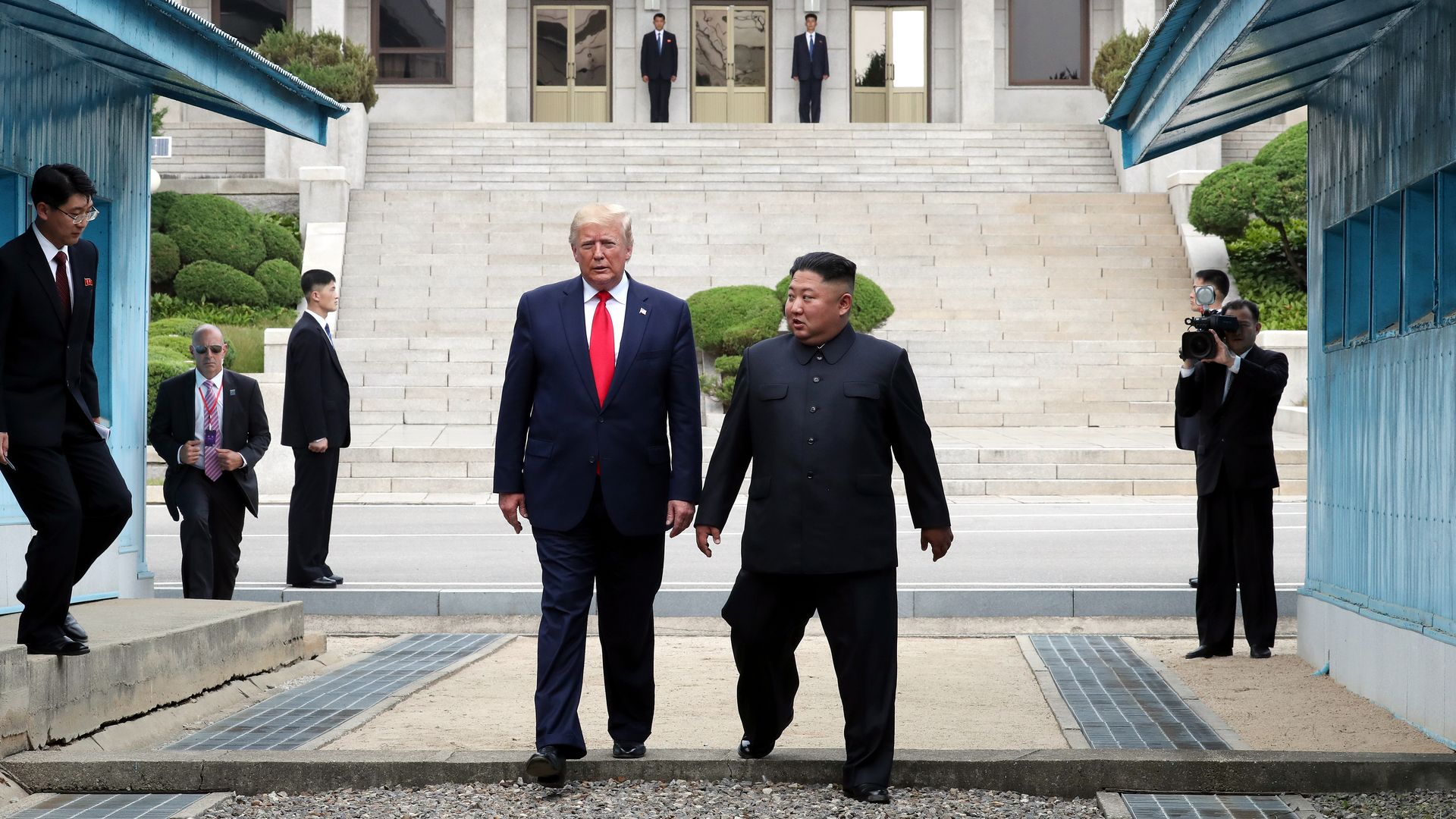
North Korean state media accused President Trump of using meetings with Kim Jong-un as something to "brag about," and said Pyongyang isn't interested in further summits unless it gets concrete results, per the Washington Post.
Context: Referring to Kim as "Mr. Chairman," Trump tweeted yesterday that North Korea's characterization of Joe Biden as a "rabid dog" was "somewhat" off the mark, but added that he's the man with whom to strike a deal. While Trump signed off with "see you soon," North Korea insists the U.S. is using nuclear talks to stall for time and has issued an end-of-year deadline to keep them alive.
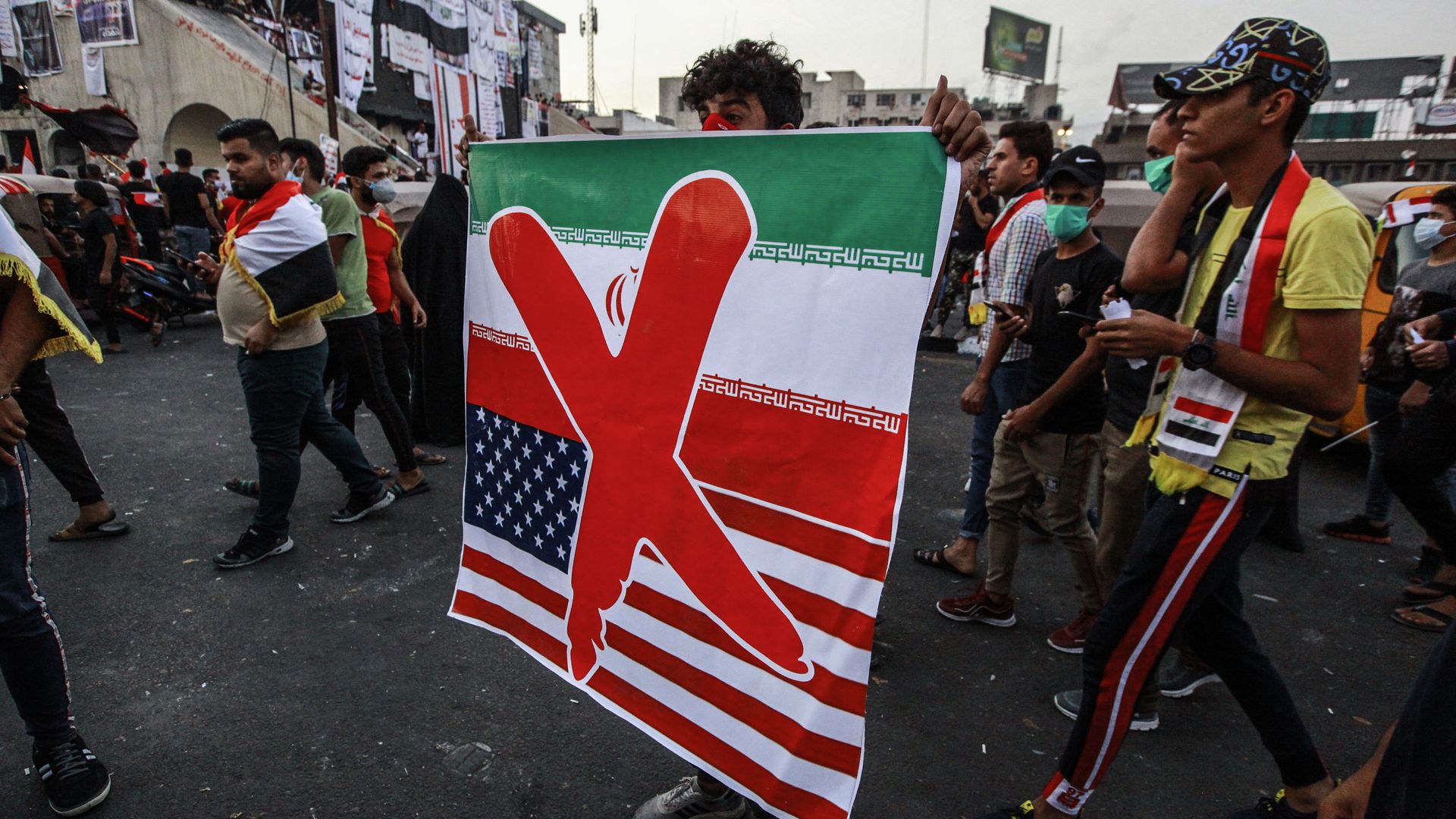
Hundreds of secret Iranian intelligence cables obtained by the Intercept and shared with the New York Times "show how Iran, at nearly every turn, has outmaneuvered the United States in the contest for influence" in Iraq, per the Times.
Why it matters: Widespread protests in Iraq against corruption and poor government services have in some cases been spurred on by another grievance: Iranian influence over Iraqi politics. These documents, which date to 2014-2015, offer glimpses of how that influence was built and exercised — often at the expense of, and due to failures by, the U.S.
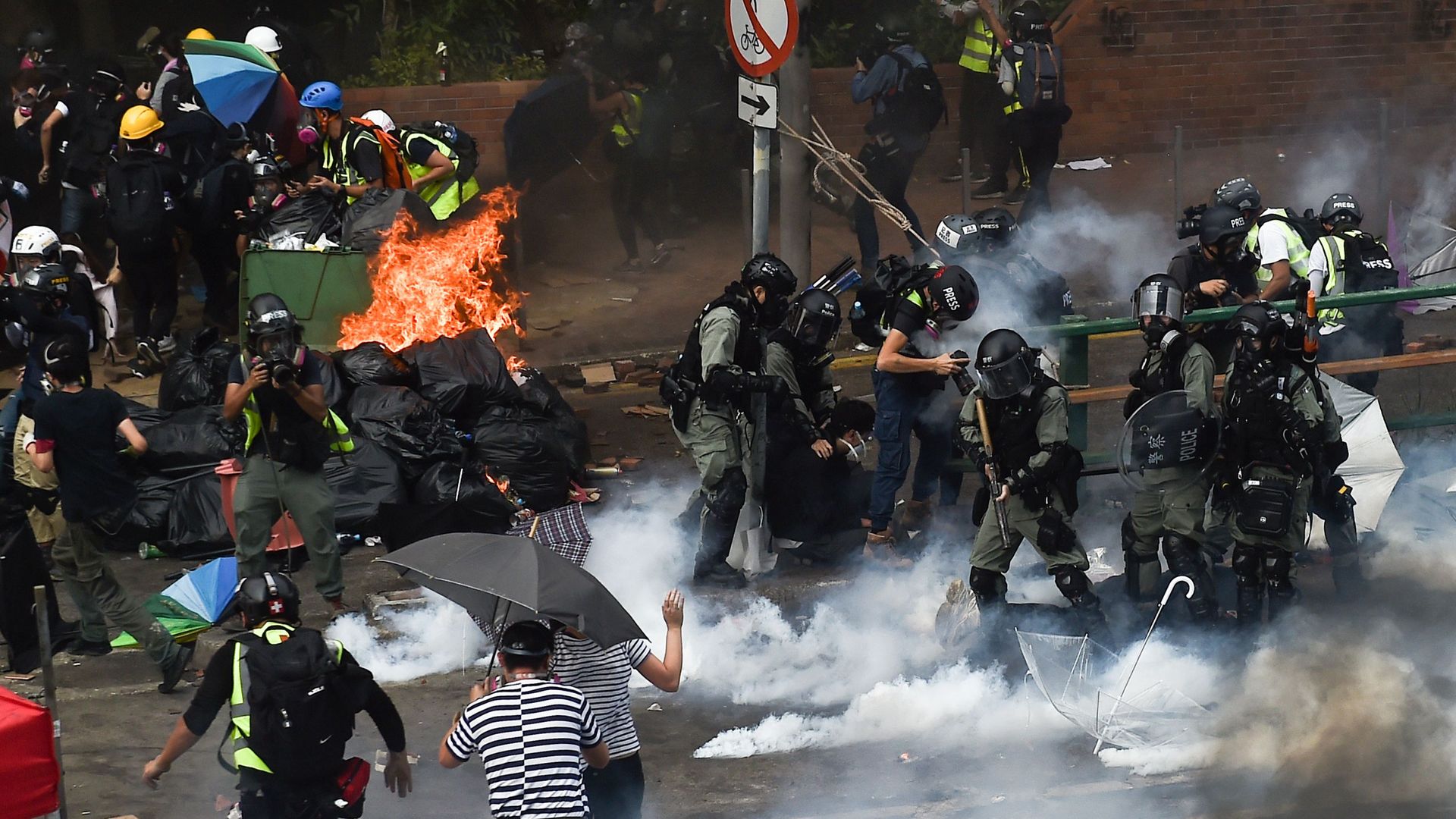
The unemployment rate ticked up to 3.1% in Hong Kong last month from 2.9%, according to new data released by the government on Monday.
Why it matters: The standoff between pro-democracy protestors and police isn't letting up — capping a stretch of the bloodiest clashes between police and protesters since the protests began in June. Monday's data adds to a spate of worsening economic indicators in Hong Kong, which is in the midst of its first recession in 10 years.
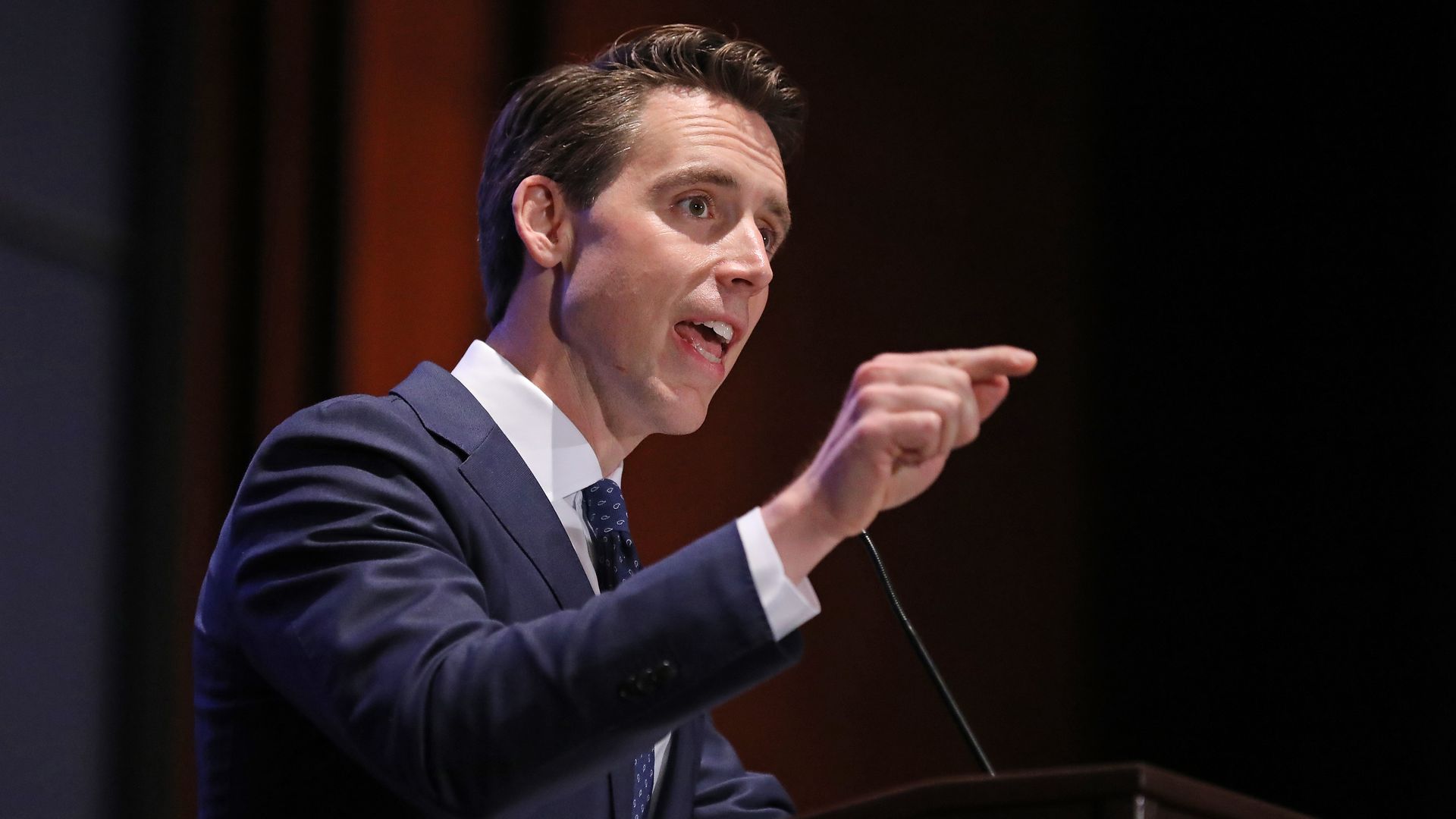
Republican Sen. Josh Hawley, a prominent big tech critic, will introduce legislation Monday meant to protect Americans' online data from flowing to China and other countries that raise national security concerns.
How it works: Hawley's bill takes aim Apple and TikTok by prohibiting American companies from storing user data or encryption keys in China, and preventing Chinese companies from collecting more information on American users than necessary to provide service here.
Ian Bremmer, president and founder of Eurasia Group, warned at the consulting firm's annual GZERO Summit in Tokyo Monday that a rising "tech Cold War" between China and the West poses "the greatest threat to globalization since the end of World War II."
What he's saying: "Beijing is building a separate system of Chinese technology — its own standards, infrastructure, and supply chains — to compete with the West," Bremmer said. "Make no mistake: This is the single most consequential geopolitical decision taken in the last three decades."
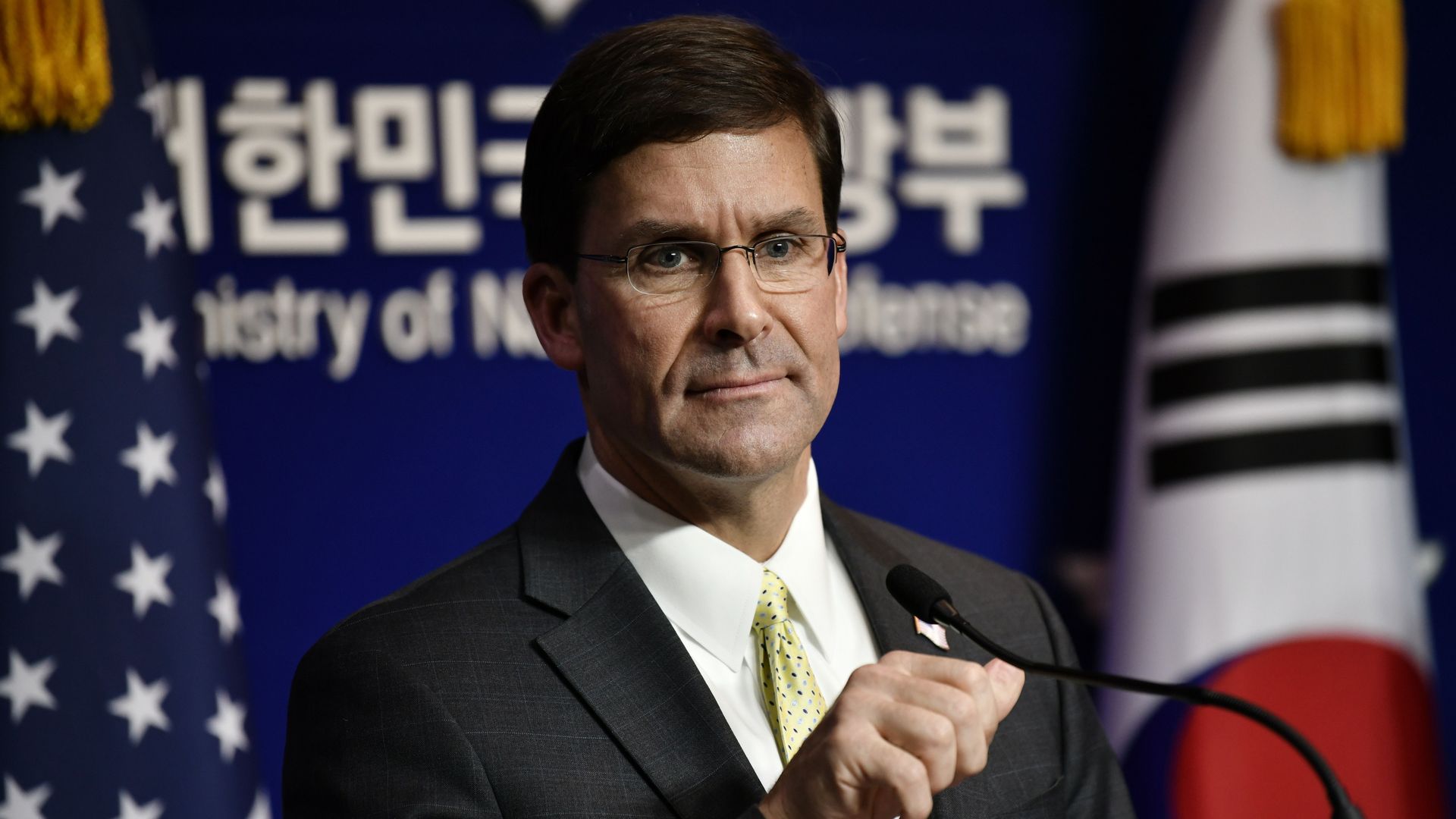
Defense Secretary Mark Esper announced Sunday that the U.S. and South Korea have canceled an annual joint military exercise as an "act of goodwill" in order to “keep the door open” for talks to eliminate North Korea’s nuclear weapons, according to the Associated Press.
The big picture: The U.S. and its regional allies have been trying to coax North Korea back to negotiations to eliminate its nuclear weapons and missiles since talks stalled earlier this year.
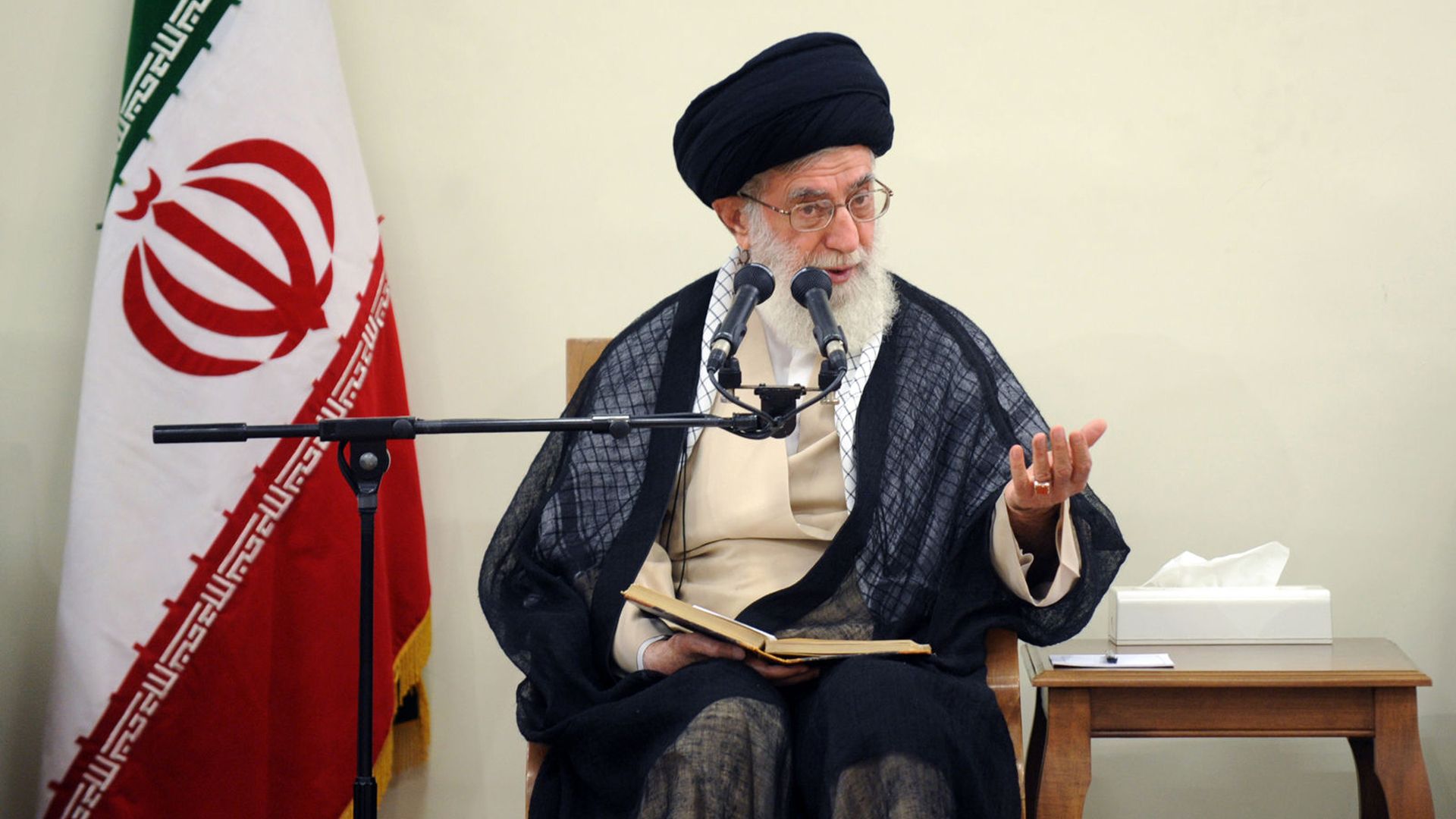
Iran's Supreme Leader Ayatollah Ali Khamenei defended in a televised address Sunday gasoline price increases and rationing that have triggered deadly protests in the country, which he blamed on "foreign enemies," Reuters reports.
"The counter-revolution and Iran’s enemies have always supported sabotage and breaches of security and continue to do so. ... Unfortunately some problems were caused, a number of people lost their lives and some centers were destroyed."