The British pound jumped to a fresh 5-month high on news that a Brexit deal had been reached between U.K. and European Commission negotiators, but petered out nearly as quickly after the Northern Irish Democratic Unionist Party said it would not vote for the deal.
The big picture: Sterling fell below $1.28 before steadying again, closing closer to its highs on the day than its lows as investors retained some optimism.
More than 6-in-10 Russians consider it a "great misfortune that the Soviet Union no longer exists," according to a new Pew survey. That's 13 points higher than in 2011.
The big picture: The survey reveals far more nostalgia for the Soviet Union in Russia than elsewhere in Eastern Europe. And while that sentiment is highest (71%) among those who spent most of their lives in the USSR, half of Russian 18- to 34-year-olds agree.
Jared Kushner will travel to Israel during the last week of October, Israeli officials tell me. He is expected to meet Prime Minister Benjamin Netanyahu as well as Benny Gantz, the man seeking to replace Netanyahu as prime minister.
Why it matters: Kushner knows Netanyahu well after their many meetings, but this will be his first meeting with Gantz since his entry into politics. This is another acknowledgement by the Trump administration, which had dealt solely with Netanyahu for two and a half years, that Gantz is a key political player in Israel.
China is applying tougher cybersecurity standards more widely as of Dec. 1, requiring companies to open their networks and deploy government-approved equipment. The changes worry international organizations and underscore the difference between U.S. and Chinese approaches to cybersecurity.
The big picture: China already has a law, applying to the most secure networks, that allows the government to audit private business networks and mandates the use of government-approved security equipment. That law will now apply to all networks.
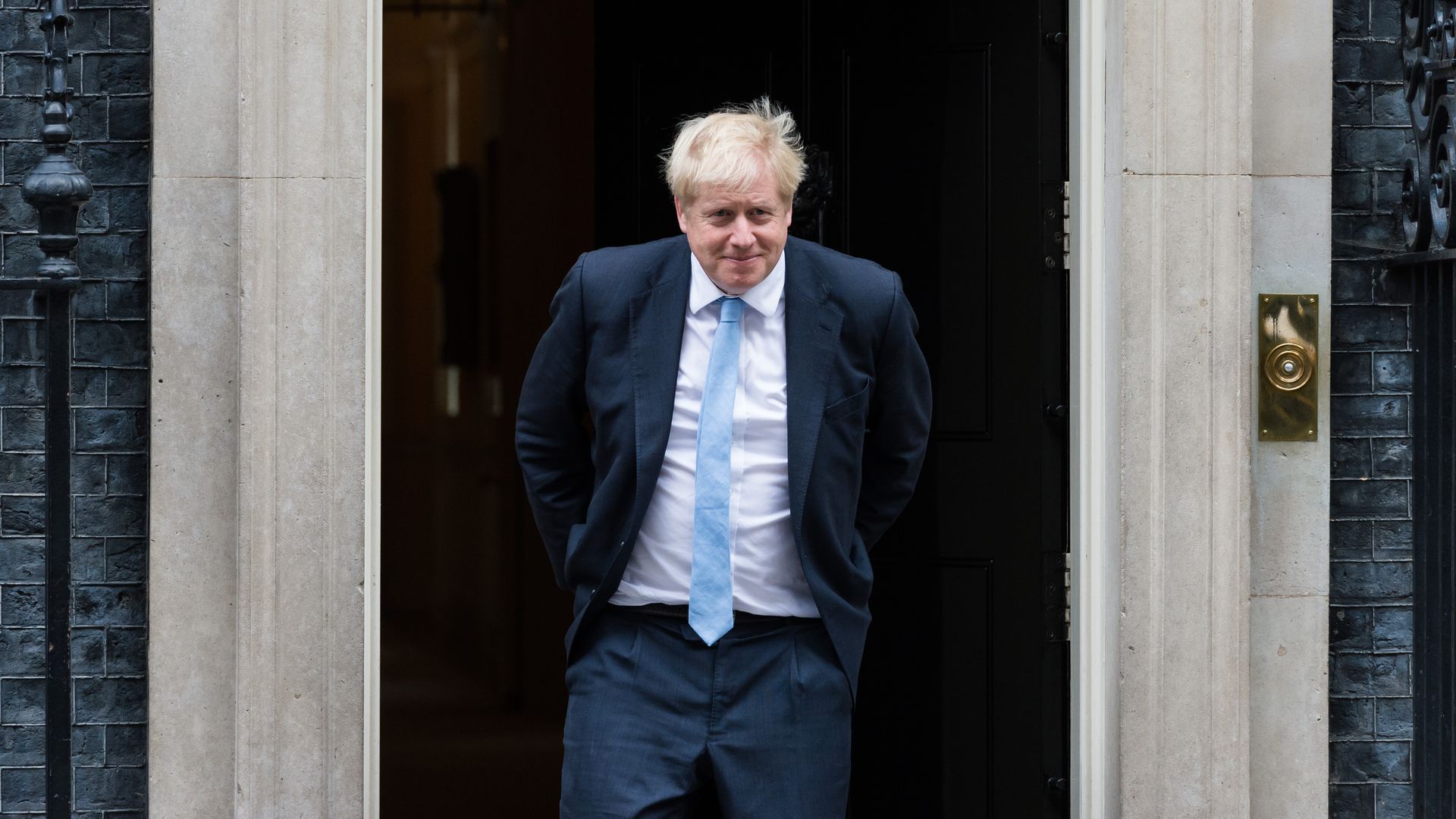
U.K. Prime Minister Boris Johnson announced this morning that he's reached a "great new" Brexit deal with the European Union — a statement almost unforeseeable one week ago, when Johnson seemed to be steaming toward a constitutional crisis over a potential "no deal" Brexit on the Oct. 31 deadline.
Between the lines: Johnson's deal is similar to the one his predecessor, Theresa May, saw repeatedly rejected in Parliament (including by Johnson), with some tweaks around the crucial issue of Northern Ireland.
Cozy Bear, the less-discussed of the two Russian hacker groups that breached the Democratic National Committee in 2016, had been thought to be scaling back operations since that election, but a new report finds the group instead became more covert.
The big picture: The report, from cybersecurity firm ESET, shows that Cozy Bear switched to a different toolkit after 2016, continuing to target the ministries of foreign affairs in at least three European countries and the Washington, D.C., embassy of a European country.
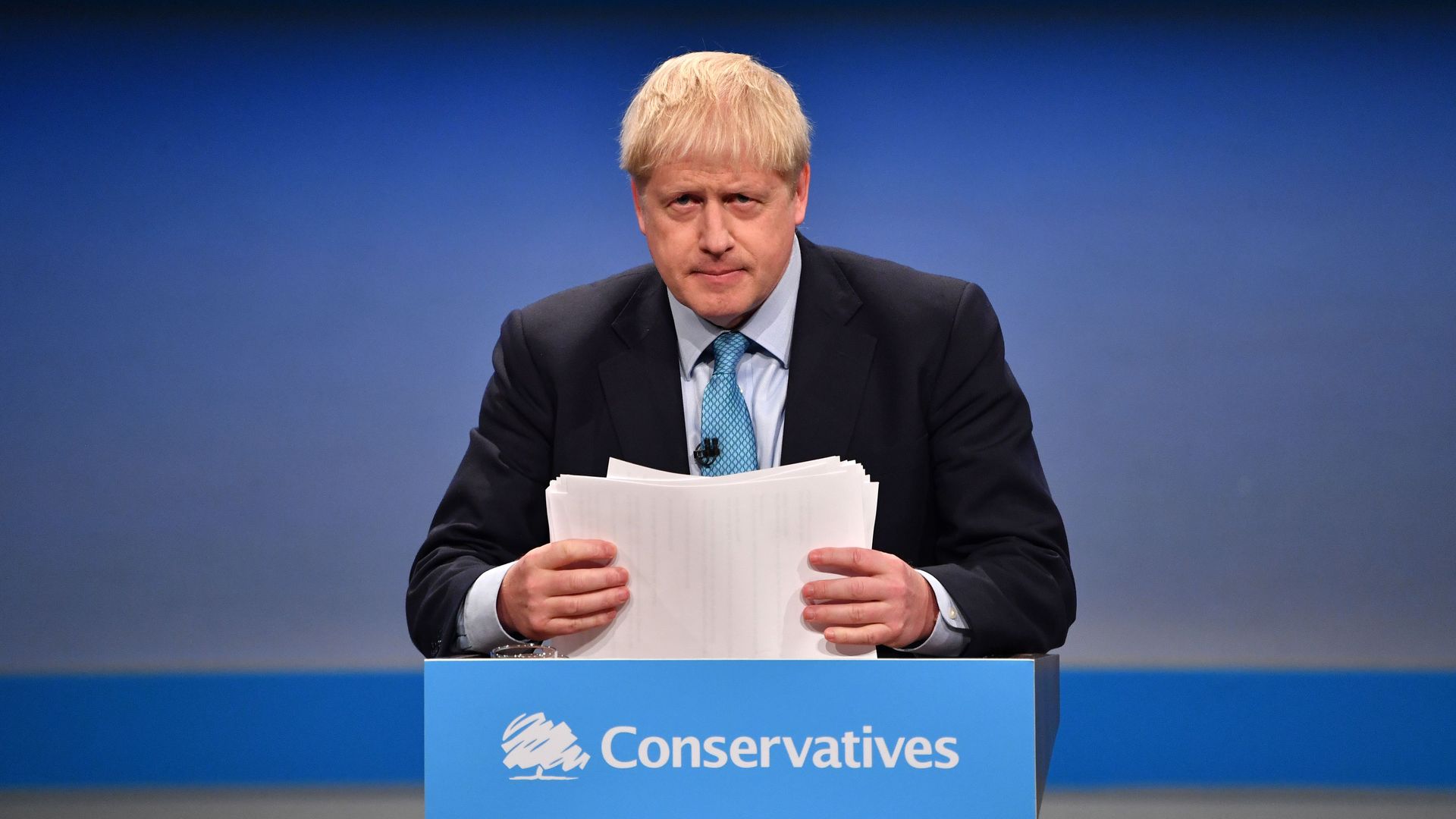
British Prime Minister Boris Johnson's minority government partner, Northern Ireland's Democratic Unionist Party, said in a statement Thursday that it can't back the Brexit deal he's negotiated with the European Union "as things stand."
Why it matters: It's a major blow to Johnson as the DUP's support is vital to his plan to get an agreement approved by the British Parliament. The United Kingdom is due to exit the EU on Oct. 31.
The consensus in Washington is increasingly clear: The security threat to the U.S. from Chinese firms is bigger than just Huawei.
Why it matters: If the administration views every Chinese company with suspicion, it could prolong the trade war and put the U.S. and China on a crash course toward a swift technological decoupling.




/2019/10/17/1571325631800.gif?w=3840)