American brands are facing challenges in the Chinese market, as trade and geopolitical disputes wage on for the two countries, the Wall Street Journal reports.
Why it matters: Western executives had long-established plans to dominate the Chinese market, but global consumer brands now have a smaller market share in China than at any other time since the last financial crisis, per WSJ.
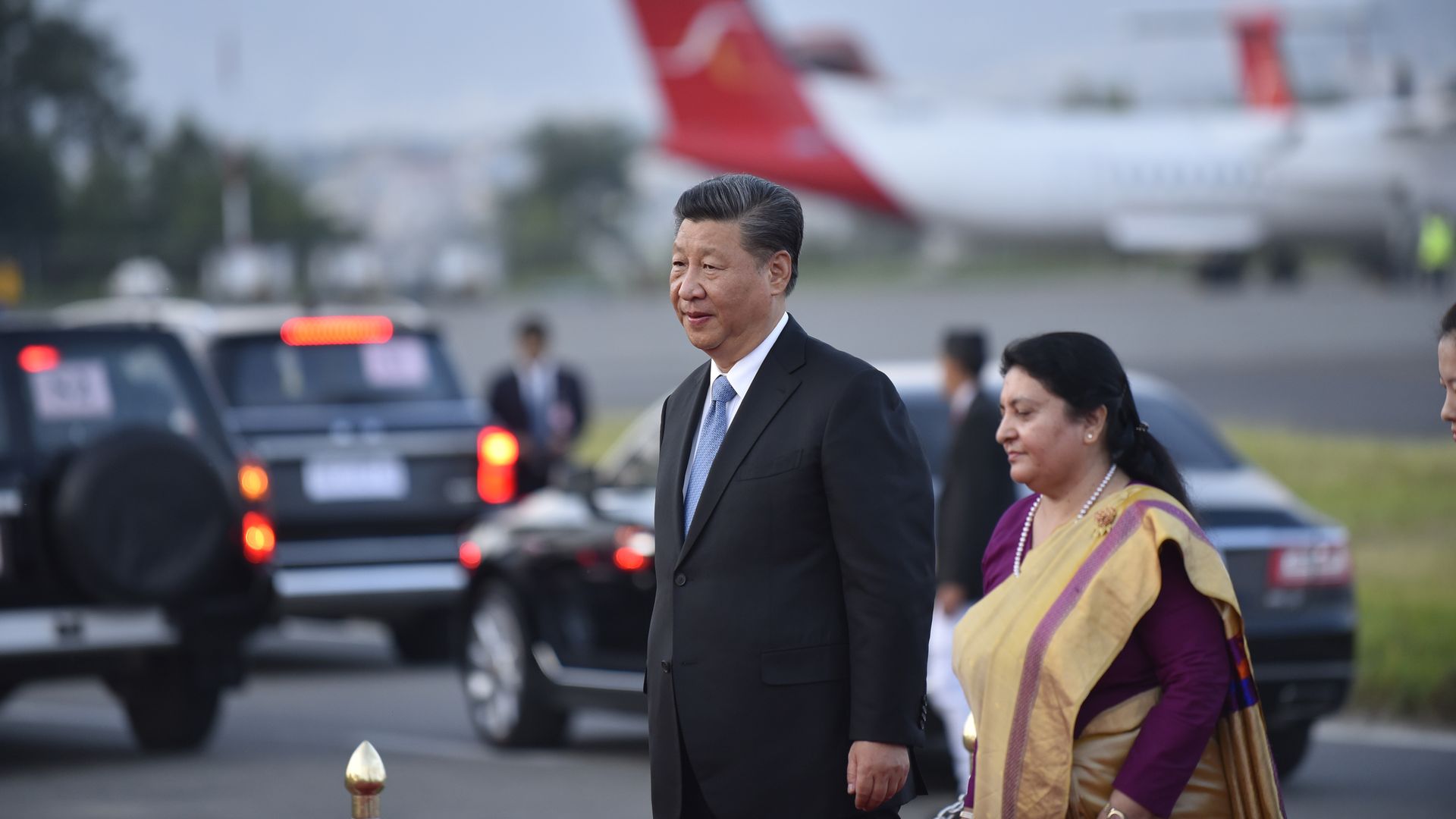
President Xi Jinping became the first Chinese president to visit Nepal in 2 decades on Saturday, as Chinese investors continue to pour millions of dollars into "one of Asia's poorest and least-developed democracies," the New York Times reports.
Why it matters: Xi's visit emphasizes China's increasing interest in using South Asia as a "strategic hub for defense and transit projects," per the Times.
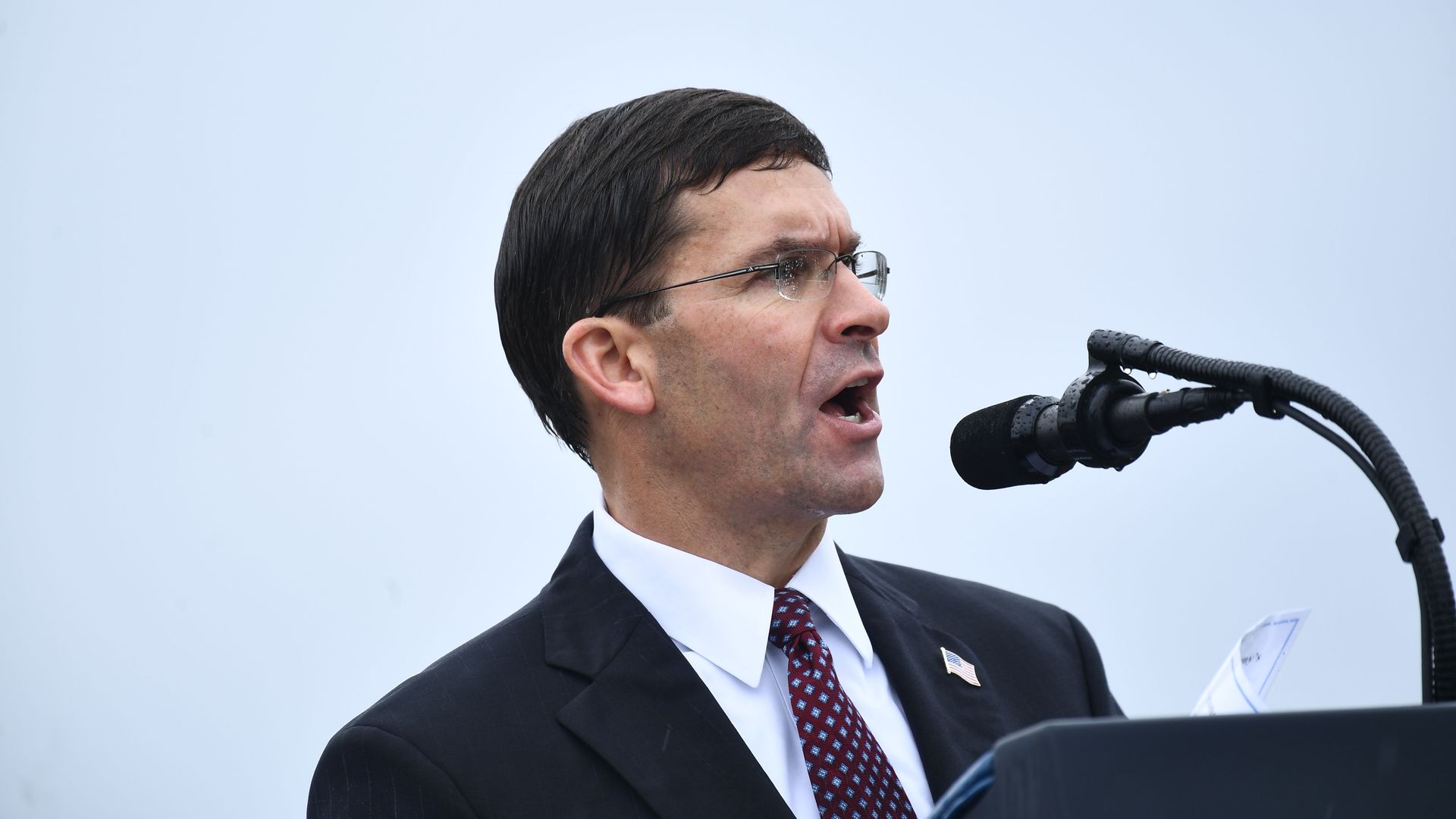
Secretary of Defense Mark Esper declared Friday that "Turkey must stop this incursion now," referring to the ongoing offensive against Kurdish forces in Northern Syria. He insisted the U.S. had "not abandoned the Kurds," whom he noted had "helped us destroy the physical caliphate of ISIS."
Why it matters: Esper said his top priority since taking office had been to prevent the exact scenario that has unfolded since President Trump's announcement Sunday that U.S. troops would move out of the way of an impending Turkish attack. He said administration officials are urging Turkey to halt, but he's had "no indication they are willing to."
Russia attempted to use an Israeli-American woman sentenced today to 7.5 years in prison on drug charges as a bargaining chip in a failed prisoner swap, Israeli officials tell me.
Why it matters: Russia's proposed prisoner swap included the release of Naama Issachar, who was sentenced on Friday in Moscow, in exchange for a Russian hacker set to be extradited to America. Israeli officials tell me they believe Russia's security services were behind the effort, and that the affair will inflame tensions between the countries.
Recent controversies over free speech about the Hong Kong protests are highlighting the widening schism between the U.S. and China and creating a messy situation for tech companies with business ties to both countries.
Why it matters: Both the U.S. and China aim to make their tech industries less interdependent, but the deep ties are tough to sever, and doing so would disrupt business on both sides of the Pacific.
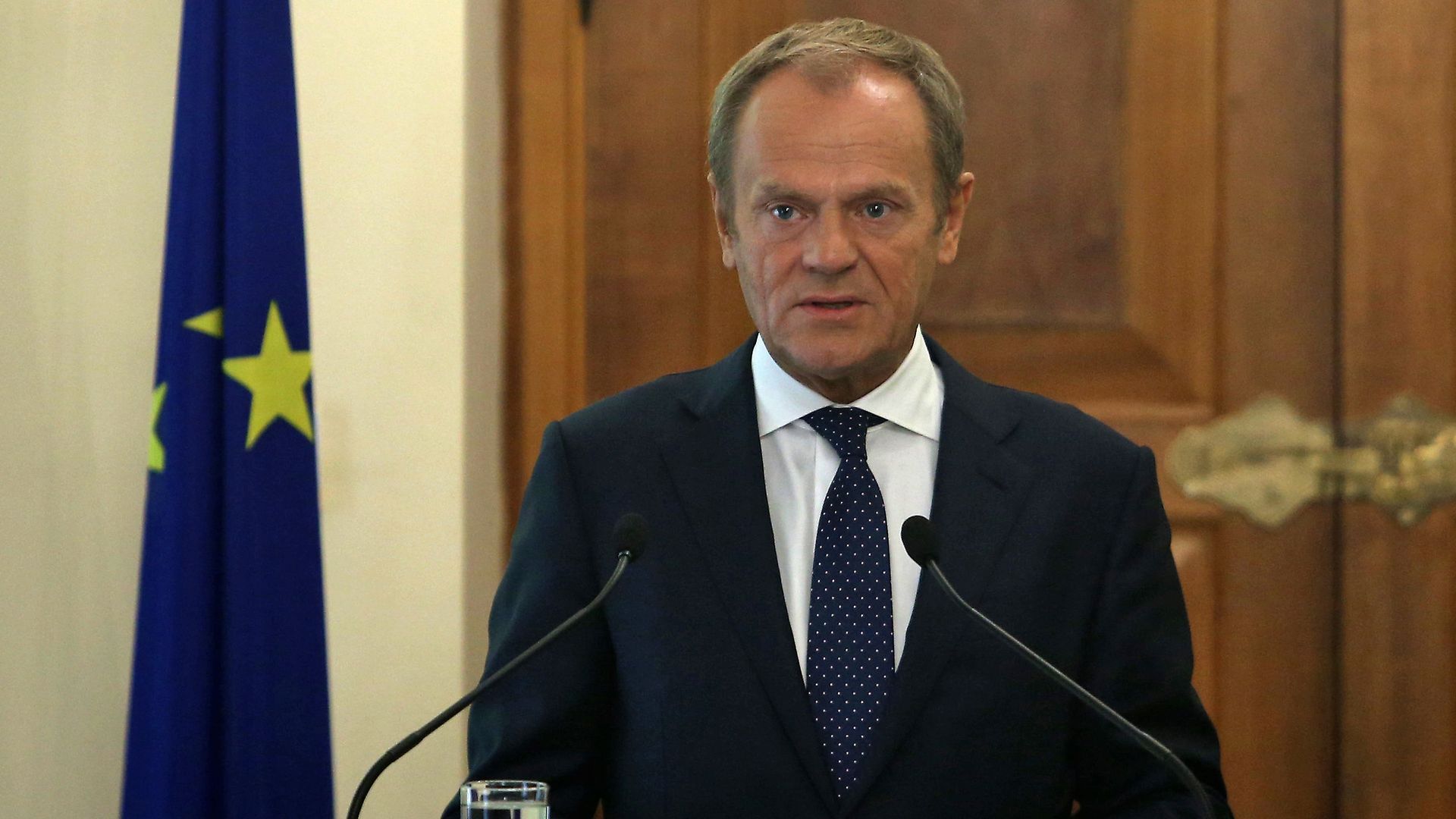
European Council President Donald Tusk said Friday that there have been "promising signals" in Brexit talks between British Prime Minister Boris Johnson and Irish Taoiseach Leo Varadkar, adding that both have seen "for the first time ... a pathway to a deal."
The big picture: The major sticking point in the negotiations continues to be the Irish backstop, deciding precisely which regulatory and customs system Northern Ireland, which is a part of the U.K., will be aligned with after Brexit — and for how long — and how that will affect its border with Ireland.
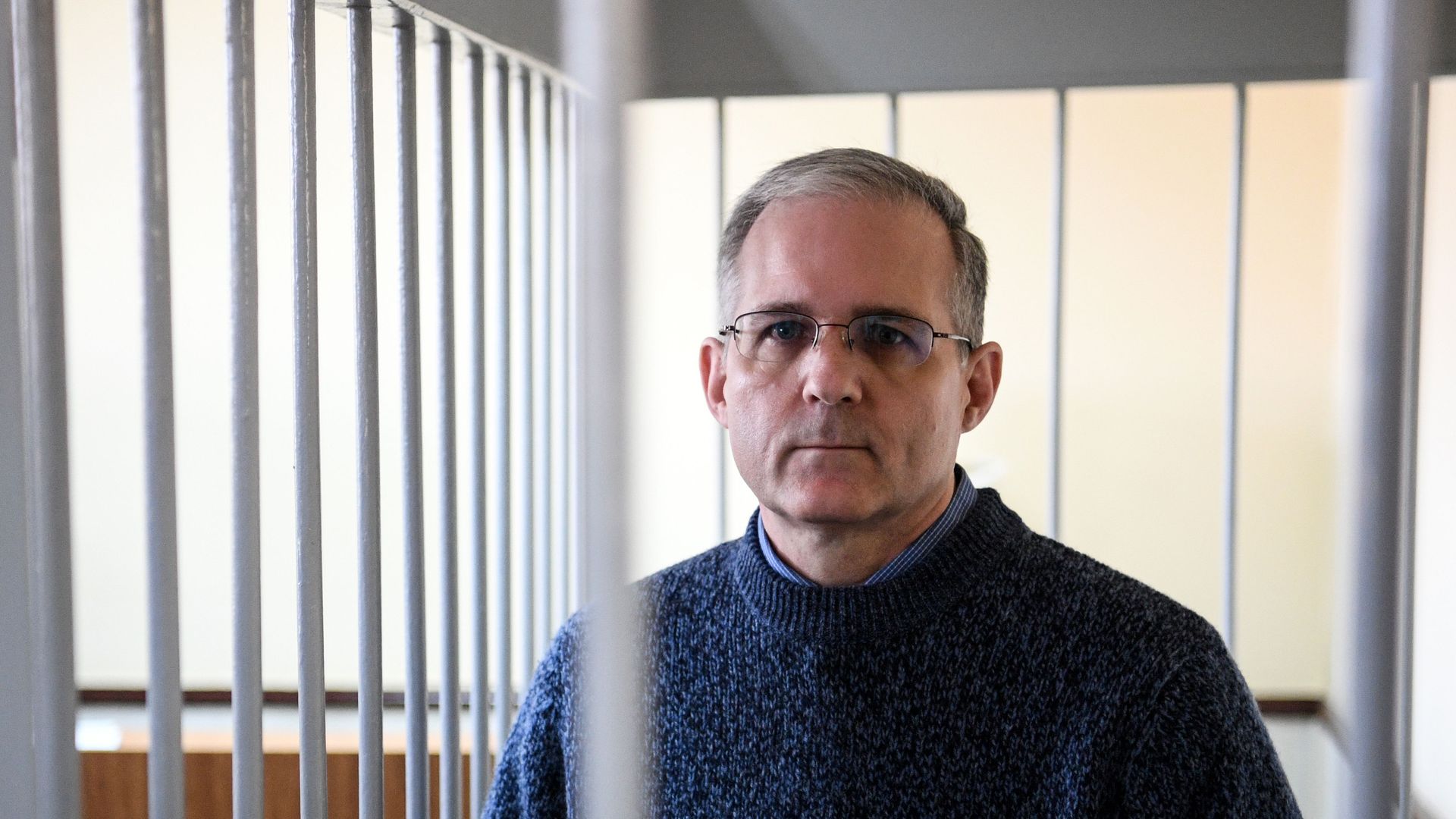
Axios has obtained a lobbying disclosure form showing President Trump's former Pennsylvania campaign director, David Urban, will be working to free Paul Whelan, an American who has been detained in Russia since December 2018. A source with direct knowledge said Urban will be working pro-bono for Whelan's family.
Why this matters: Russian authorities have accused Whelan of espionage — a charge he denies. Whelan could be sentenced to between 10 and 20 years in a Russian jail, according to the New York Times.