In the past week, Google, Twitter and Facebook each deactivated networks of accounts found to be waging Beijing-backed global influence campaigns — a sign that China is taking pages out of Russia's propaganda playbook.
Why it matters: These campaigns, which aim to discredit the massive protests underway in Hong Kong, show China not only censoring information domestically but increasingly promoting disinformation abroad.
Iranian cryptocurrency developers have created a blockchain platform, IranRescueBit, to facilitate aid donations in Bitcoin, Ethereum and Litecoin — a move that threatens to undermine sanctions at the center of the Trump administration's "maximum pressure" campaign.
Why it matters: The platform's purported aim is to circumvent U.S. sanctions that prevented international donations from reaching the Iranian Red Crescent Society following damaging spring floods in Iran, but its scope appears likely to expand.
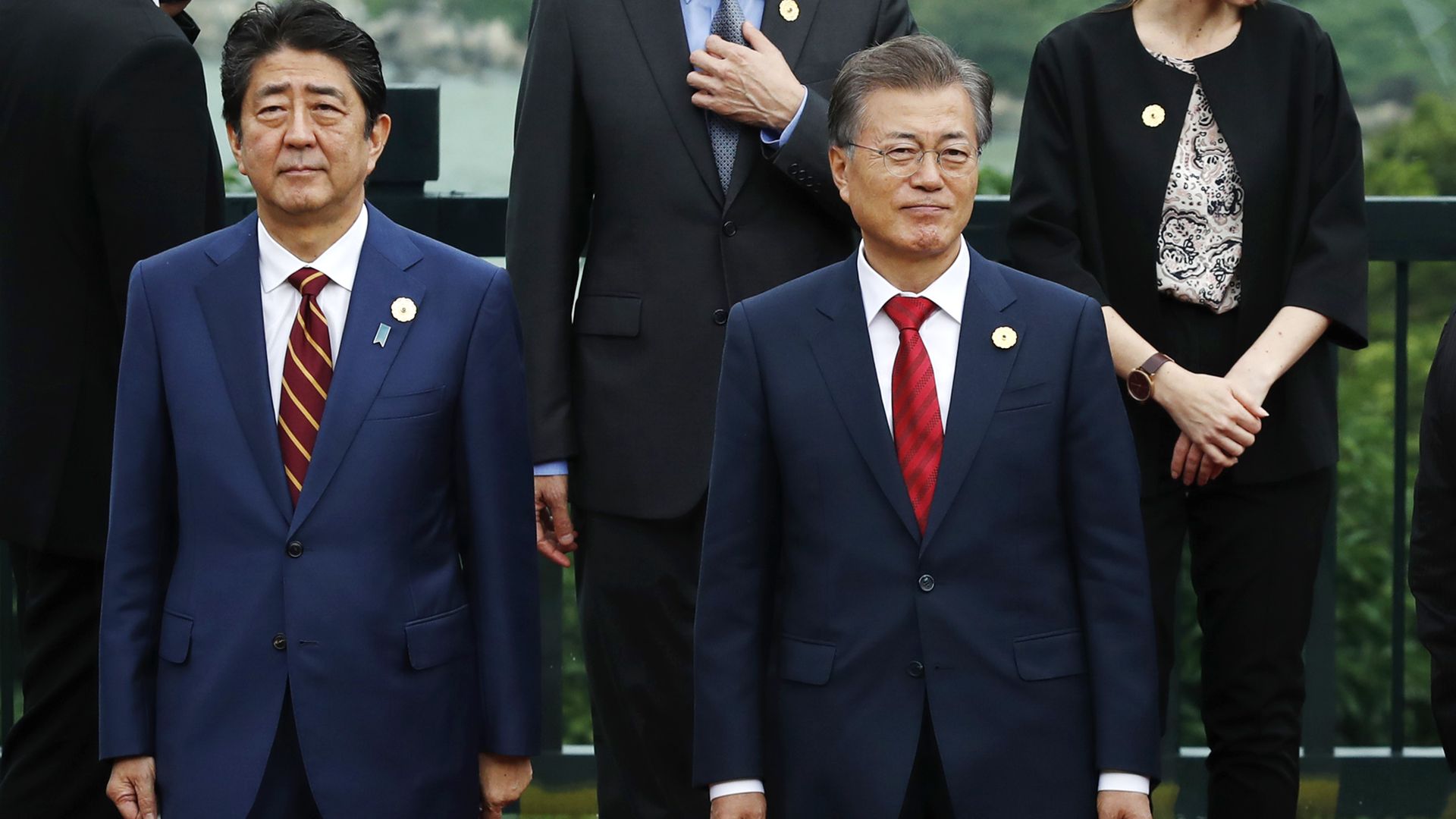
Why it matters: The Trump administration had urged South Korea not to take this step, which could hamper communication over the threat from North Korea. It came after Japan elected to slow exports of sensitive materials to South Korea on national security grounds, a move that provoked outrage and boycotts in South Korea. The bitter feud is linked to colonial-era abuses by Japan and looks unlikely to be resolved soon.
Americans are at each other's throats. Politically, socially and culturally, we suspect each other's motives and plain sanity. So certain are we of the other's intent to do the nation harm, some of us have joined political gangs and assaulted one another, resulting in at least 1 death.
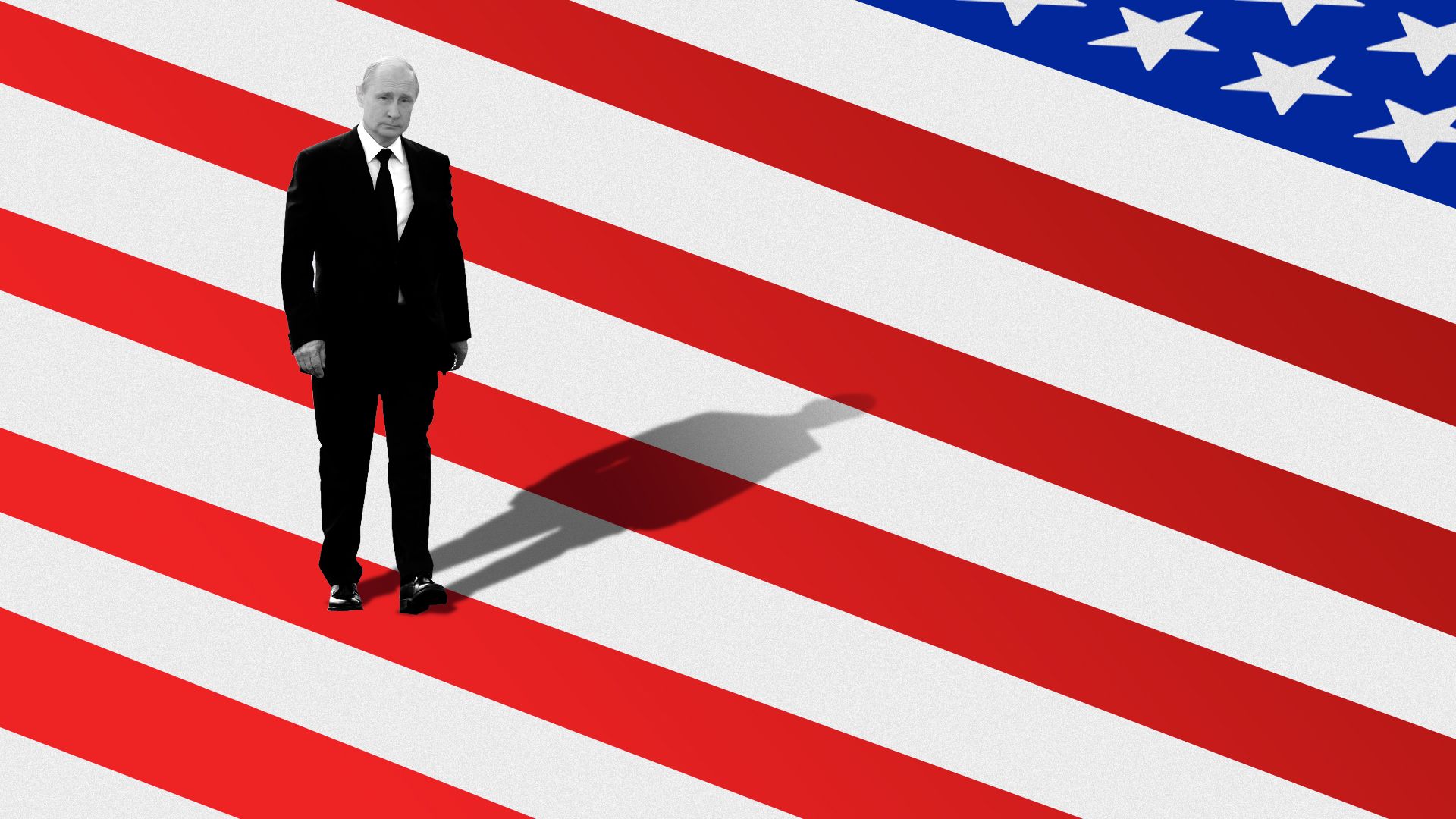
Which is to say: Americanshave played into Russian President Vladimir Putin's hands — again. It is assumed he can attack next year's elections if he so chooses, but since no outsider knows exactly how, what comes next is one of the great underlying mystery-dramas of the 2020 election campaign.
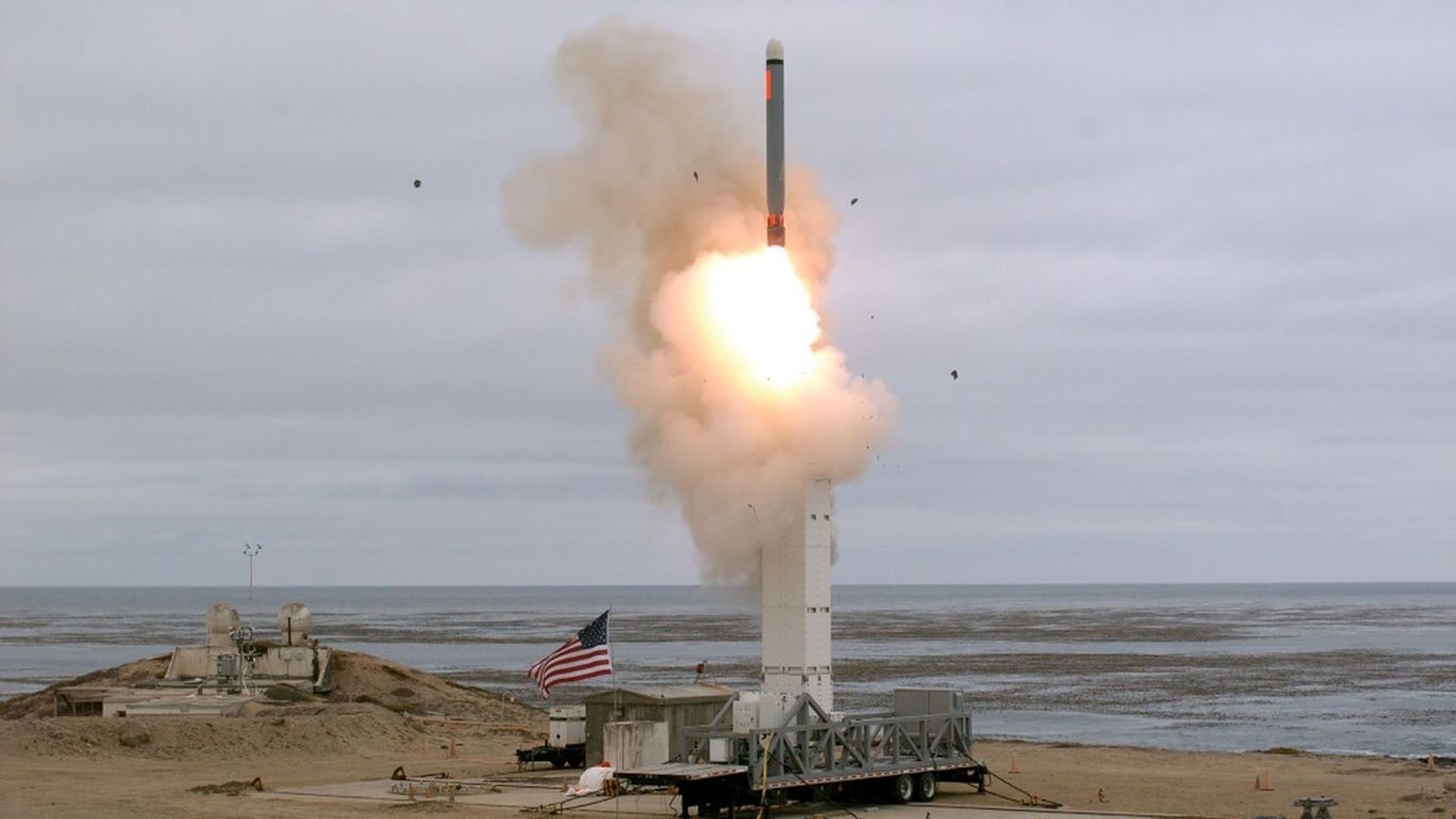
North Korea on Thursday called the recent U.S. cruise missile test and military plans including the deployment of F-35 jets around the Korean peninsula "dangerous," warning the action "would trigger a new cold war."
Why it matters: Denuclearization talks between the U.S. and North Korea have continued to stall, despite President Donald Trump and North Korean leader Kim Jong-un agreeing at a June 30 meeting to restart the negotiations. The situation on the Korean Peninsula remains tense. North Korea has conducted 6 weapons tests since June 25.



/2019/08/23/1566581486877.gif?w=3840)