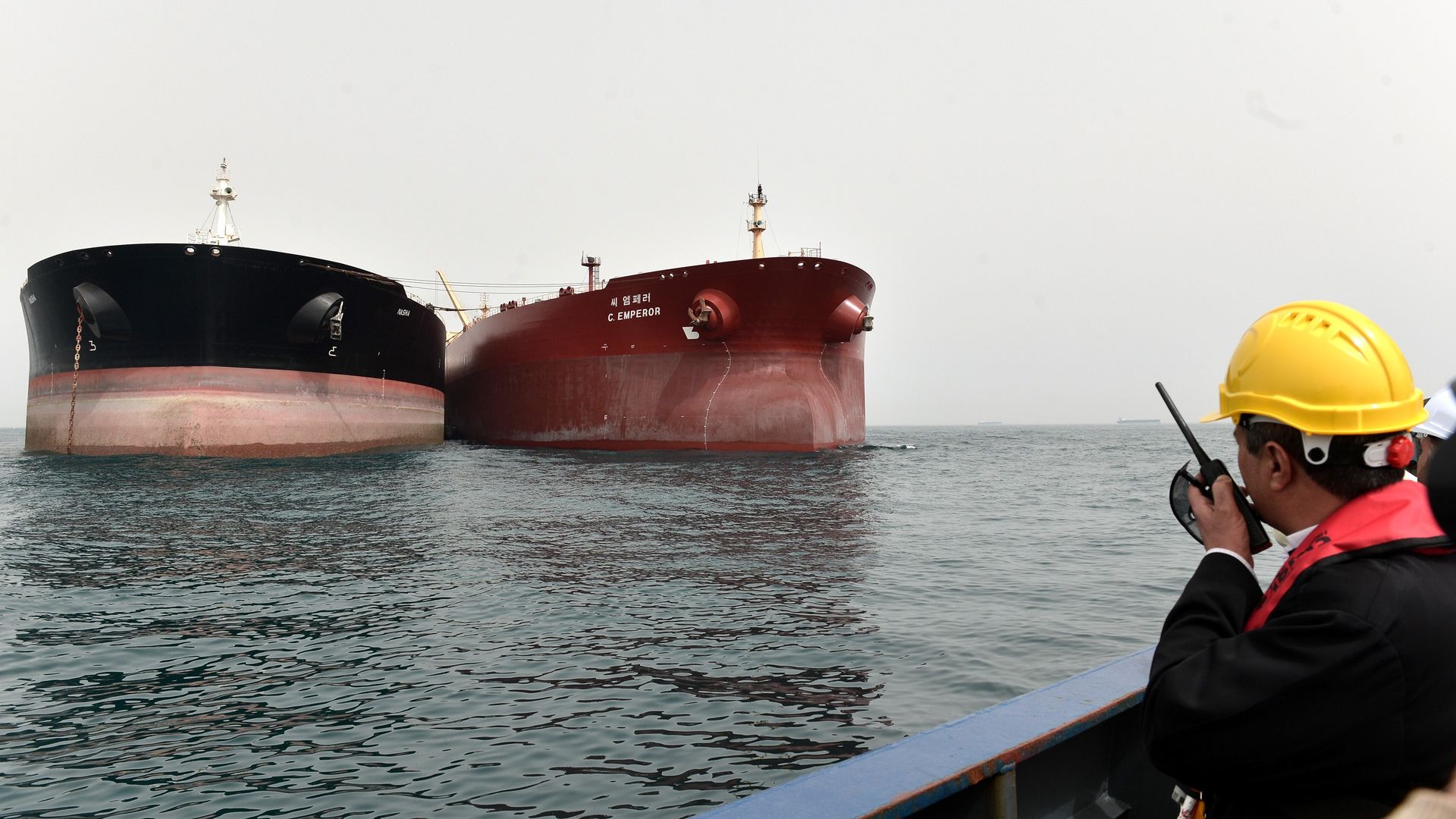
Iranian Offshore Oil's CEO Hamid Bovard claims that Iran's oil production has not seen any reduction and the country has loaded crude oil for export, Bloomberg reports.
What's happening: U.S. sanctions have driven down Iranian oil exports, which were believed to be roughly 1.3 million barrels per day last month. It is unclear how well Saudi Arabia and OPEC can fill in the gaps as less Iranian oil enters the global market, CNBC reports.
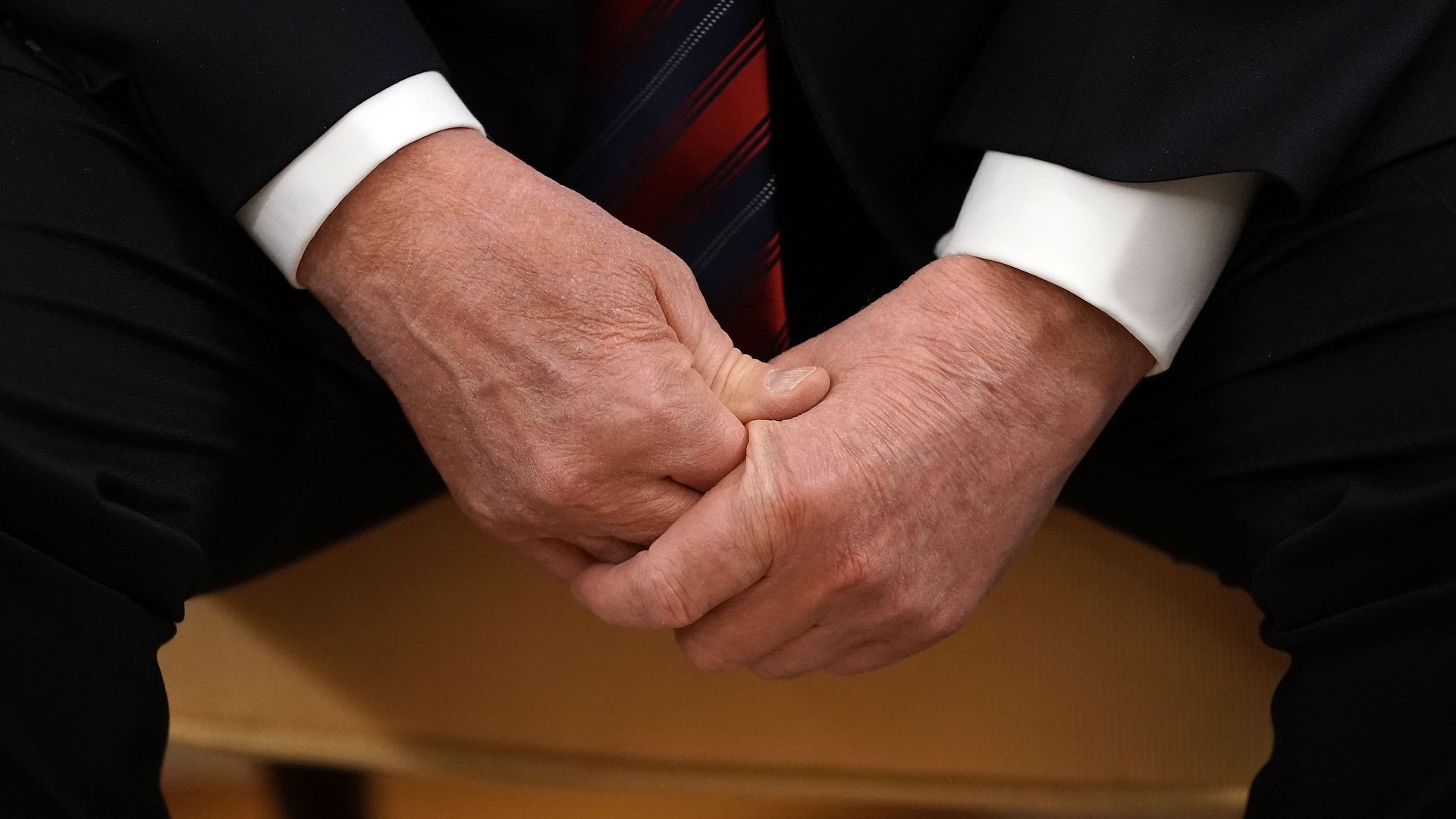
President Trump is trying to move into a new, post-Mueller phase in his relationship with Vladimir Putin.
The state of play: Trump apparently feels liberated, after the conclusion of the Mueller report, to return to his default of trying to do business with the Russian president.
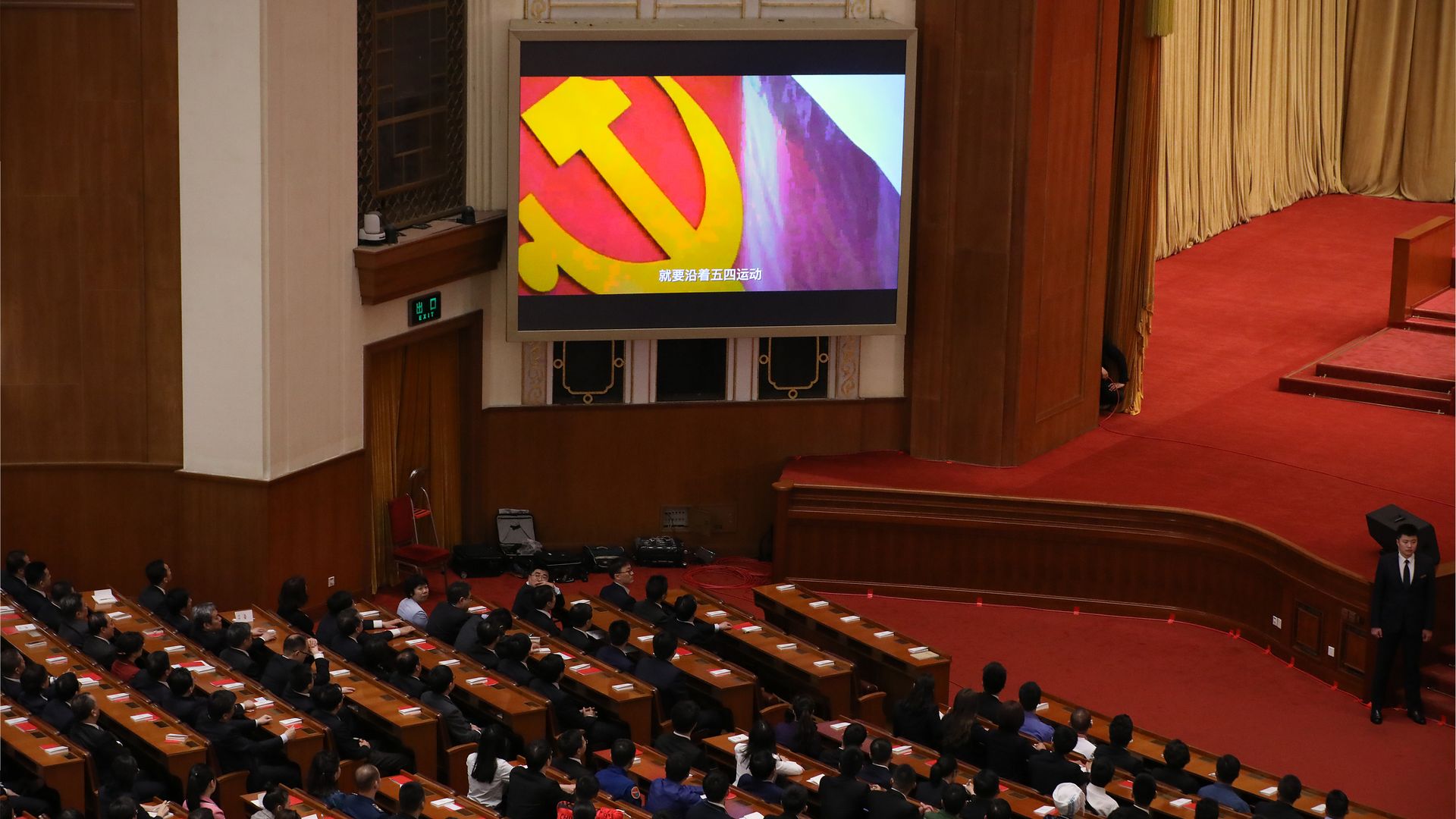
Tomorrow is the 100th anniversary of the May 4th Movement, which sparked the rise of many radical Chinese political and social leaders, and is one of the sensitive events this year that has the PRC government locking things down even more tightly than normal.
Why it matters: At the same time, the Party, which controls the official history of the movement, is again trying to harness the legacy of May 4 for its own goals.
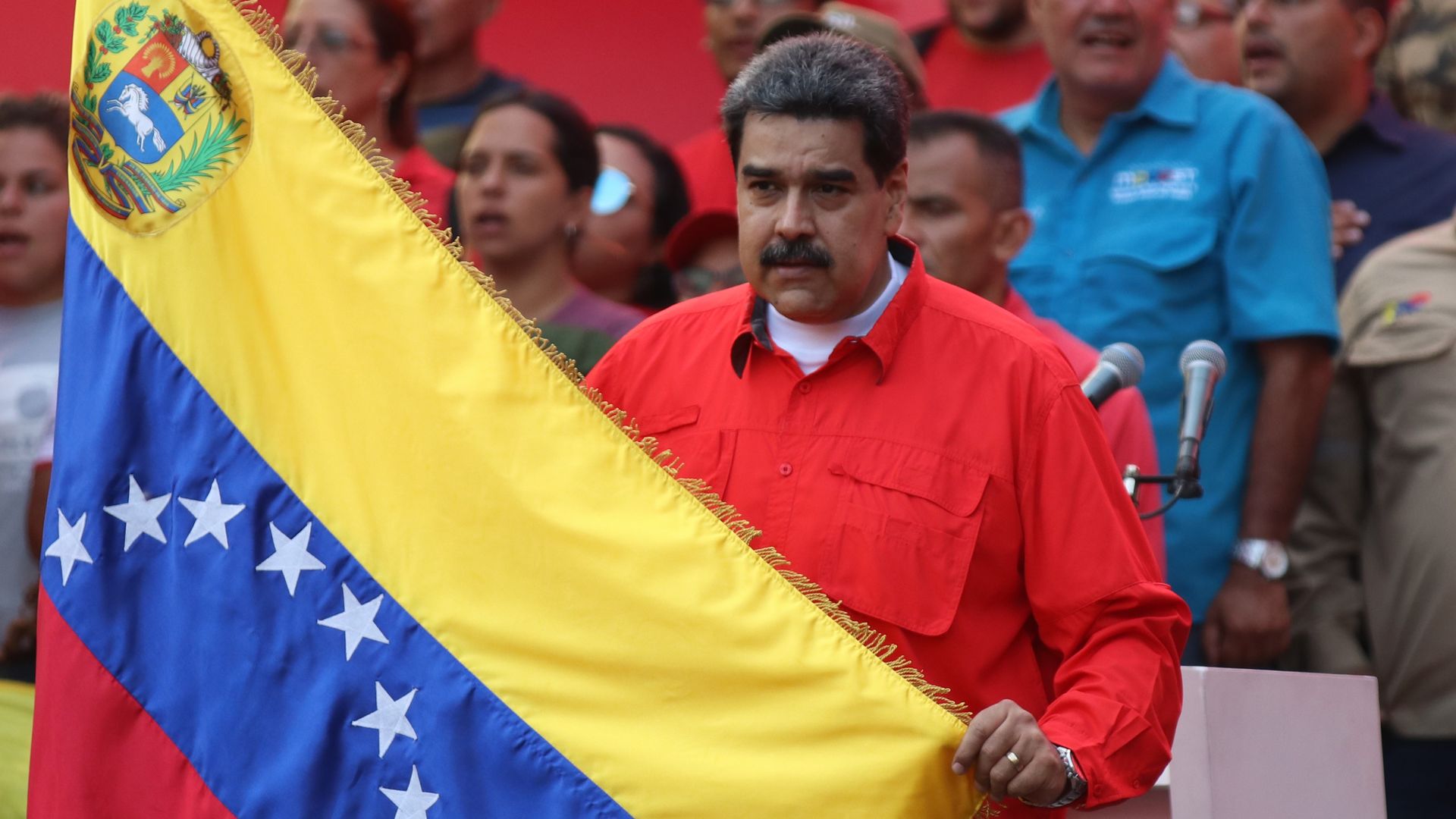
Revelations of talks between regime loyalists and the opposition interim government this week left Nicolás Maduro scrambling to close new fissures and raised the risks of further violence and instability in Venezuela.
The big picture: Nearly 30 years after the last Cold War battles in Europe, a similar fight is playing out in Latin America, with Russia propping up a dictator. More than 160 Venezuelans lost their lives during pro-democracy demonstrations in 2017, and the greatest turmoil may still lie ahead.
Driving the news: The leaders discussed the Mueller report — Sanders said they agreed "there was no collusion" — Venezuela, North Korea, and nuclear arms control. Trump later confirmed the call in a pair of tweets, saying that "getting along with Russia, China, and everyone is a good thing, not a bad thing."
Jared Kushner, who is leading President Trump's Middle East "peace team," said on Thursday night at a dinner hosted by the Washington Institute that the upcoming peace plan will address "Palestinian political aspirations," and propose ideas for how to solve issues like borders and Jerusalem.
Why it matters: Kushner didn't offer any details in the 45-minute interview, but emphasized again and again that the Palestinians and those criticizing the administration in the U.S. and around the world should not reject the plan out of hand. Kushner even said "people would be surprised" by the plan when they see it.