Sunday's world stories

Scoop: Netanyahu asked U.S. to cut aid for Palestinian refugees
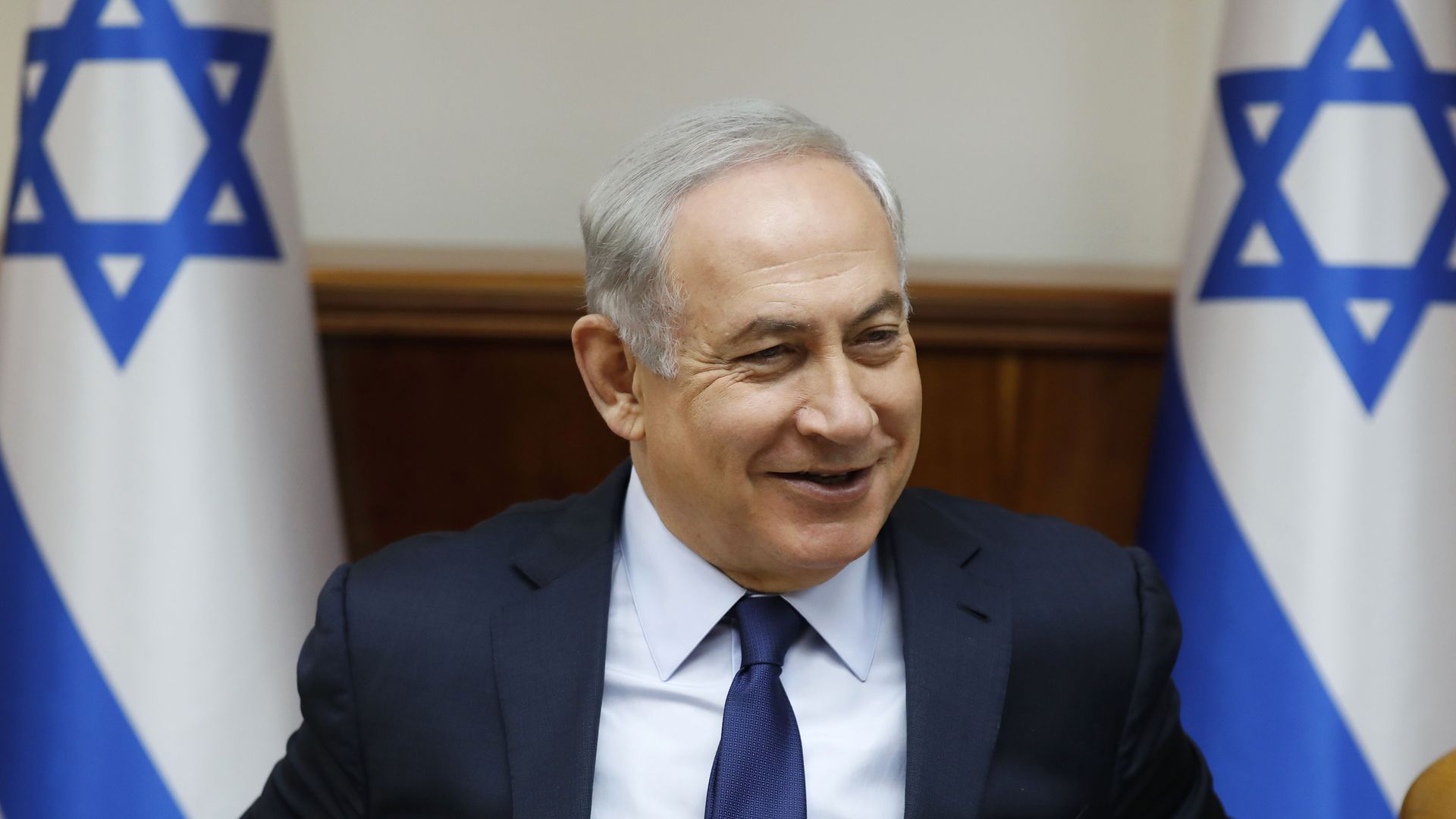
Around two weeks ago, Israeli Prime Minister Benjamin Netanyahu privately conveyed a message to the White House stressing that Israel's position regarding the United Nations Relief and Works Agency for Palestine Refugees in the Near East (UNRWA) has changed — and that it now supports a complete cut of all U.S. funding to the agency, which gives aid to Palestinian refugees, Israeli officials told me. The officials added Netanyahu communicated with the Trump administration without consulting Israel's security chiefs.
Why it matters: As with almost every past U.S. administration, Israel's position plays important part in White House's decision making on Israeli-Palestinian issues. Until several weeks ago, the Israeli policy was that any cut in American funding of UNRWA should be gradual and without any aid cuts to Gaza, thanks to the fear of a humanitarian collapse and an escalation on the ground. This position was supported by the IDF, the Shin Bet intelligence service and by the Israeli Ministry of Defense. For a long time, this was also the position conveyed to the White House and Congress by Israeli officials.

EU's chief Brexit negotiator "strongly opposed" to U.K. proposal
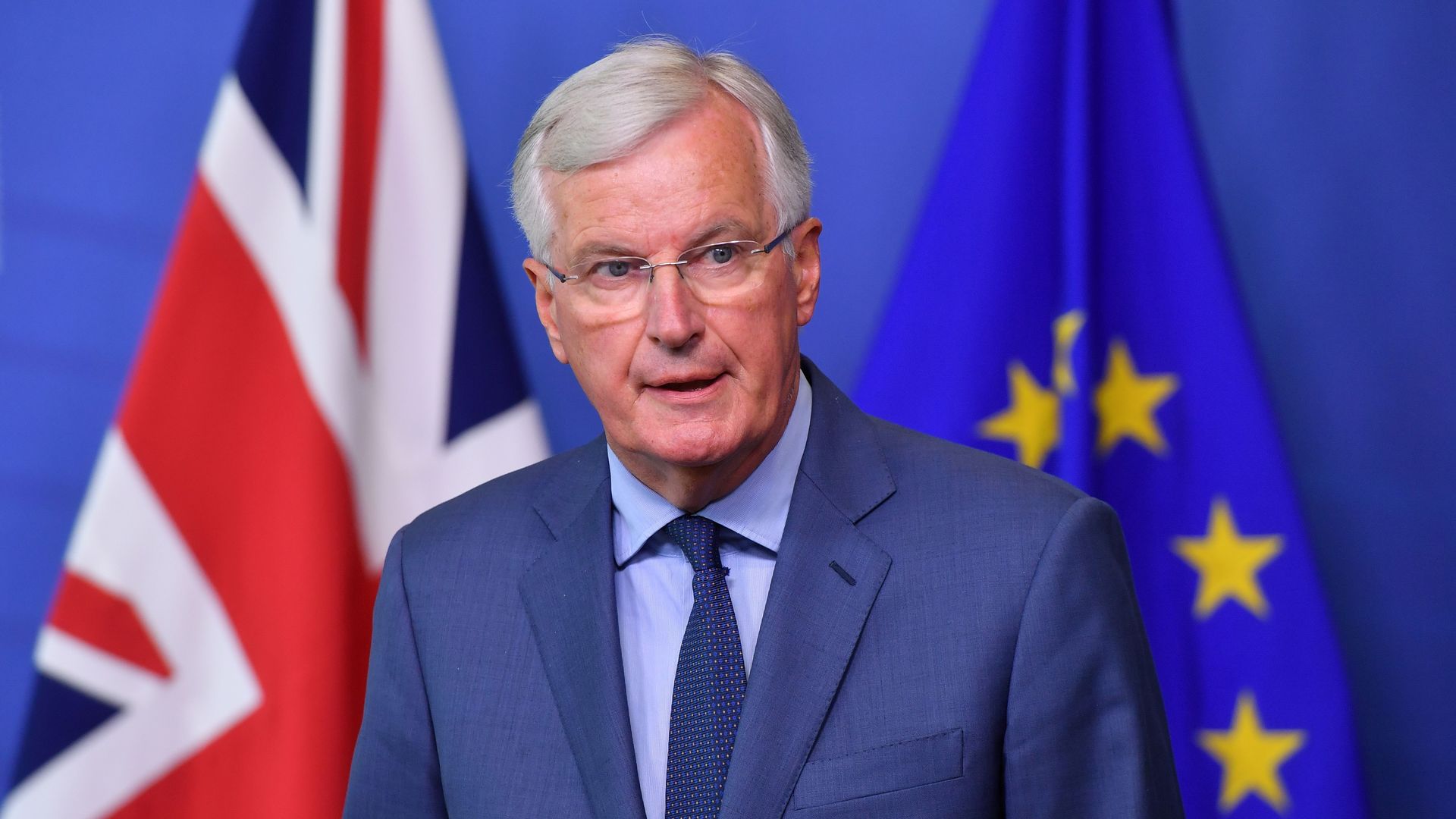
Michel Barnier, the EU's chief Brexit negotiator, said Sunday he is "strongly opposed" to British Prime Minister Theresa May's "Chequers proposal," which would keep the U.K. in the EU's single market for goods, but not services, reports BBC News.
Why it matters: In an op-ed published earlier today, May said she would refuse to make compromises on the Chequers plan that wouldn't serve the U.K.'s national interest. The rebuttal from Barnier seems to indicate neither side is willing to budge when it comes to trade, which remains the single most pressing issue as the potential for a no-deal Brexit deepens.
Scoop: Palestinian intelligence delegation in D.C. for talks with CIA
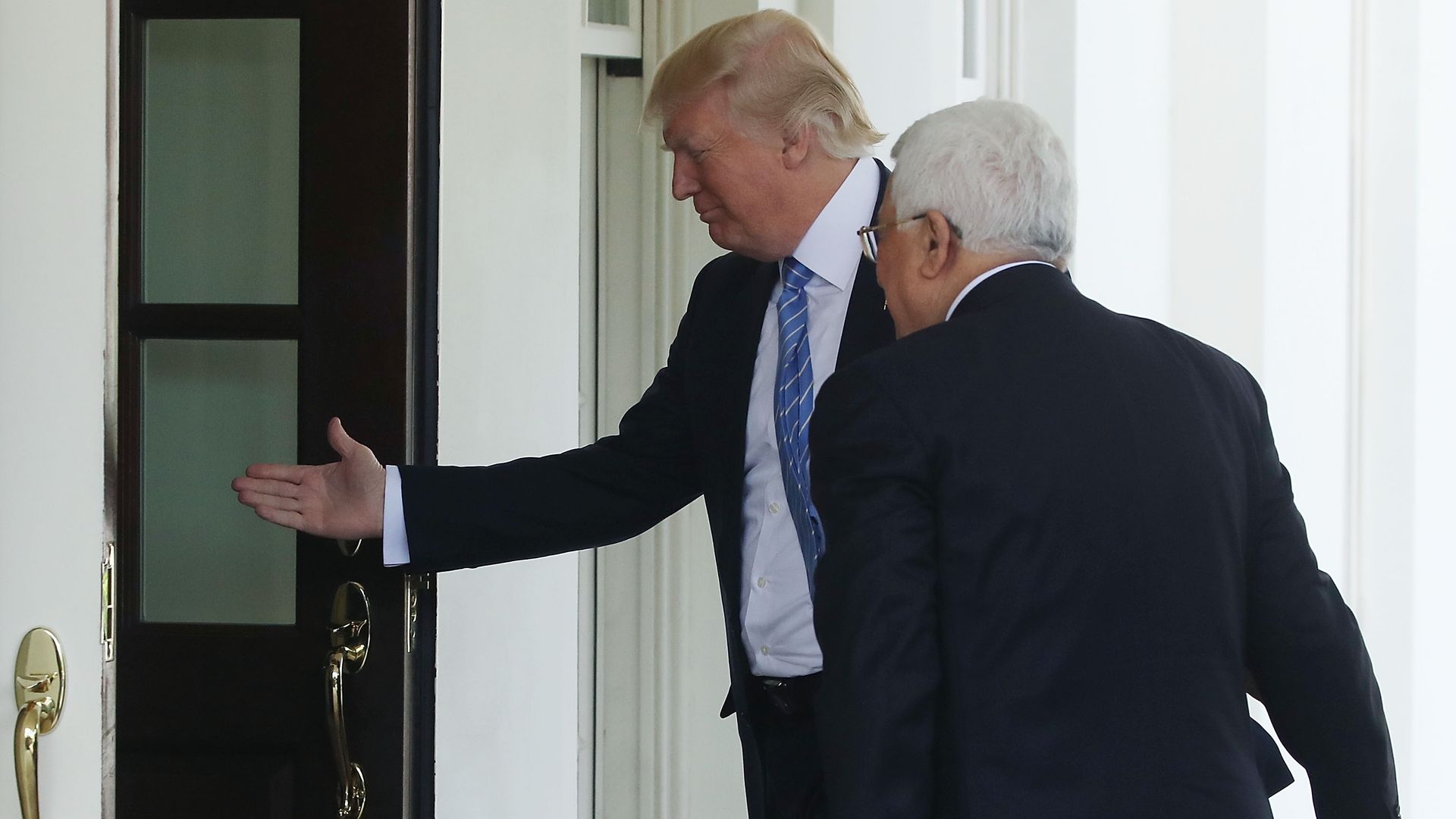
Palestinian President Mahmoud Abbas told Israeli members of the Knesset during a meeting in his office in Ramallah Sunday that — despite the deep crisis with the Trump administration — a Palestinian delegation of security and intelligence officials is in Washington, D.C. for talks with the CIA.
Why it matters: The connection between the CIA and the Palestinian General Intelligence service is one of the few functioning channels of communication between the Trump administration and the Palestinians. Despite cutting aid to the Palestinian Authority and projects in the West Bank and Gaza alongside its decision to stop funding the United Nations Relief and Works Agency for Palestine Refugees in the Near East, the Trump administration has decided to maintain the funding it gives to the Palestinian security services.
Theresa May: "There will be no second referendum on Brexit"
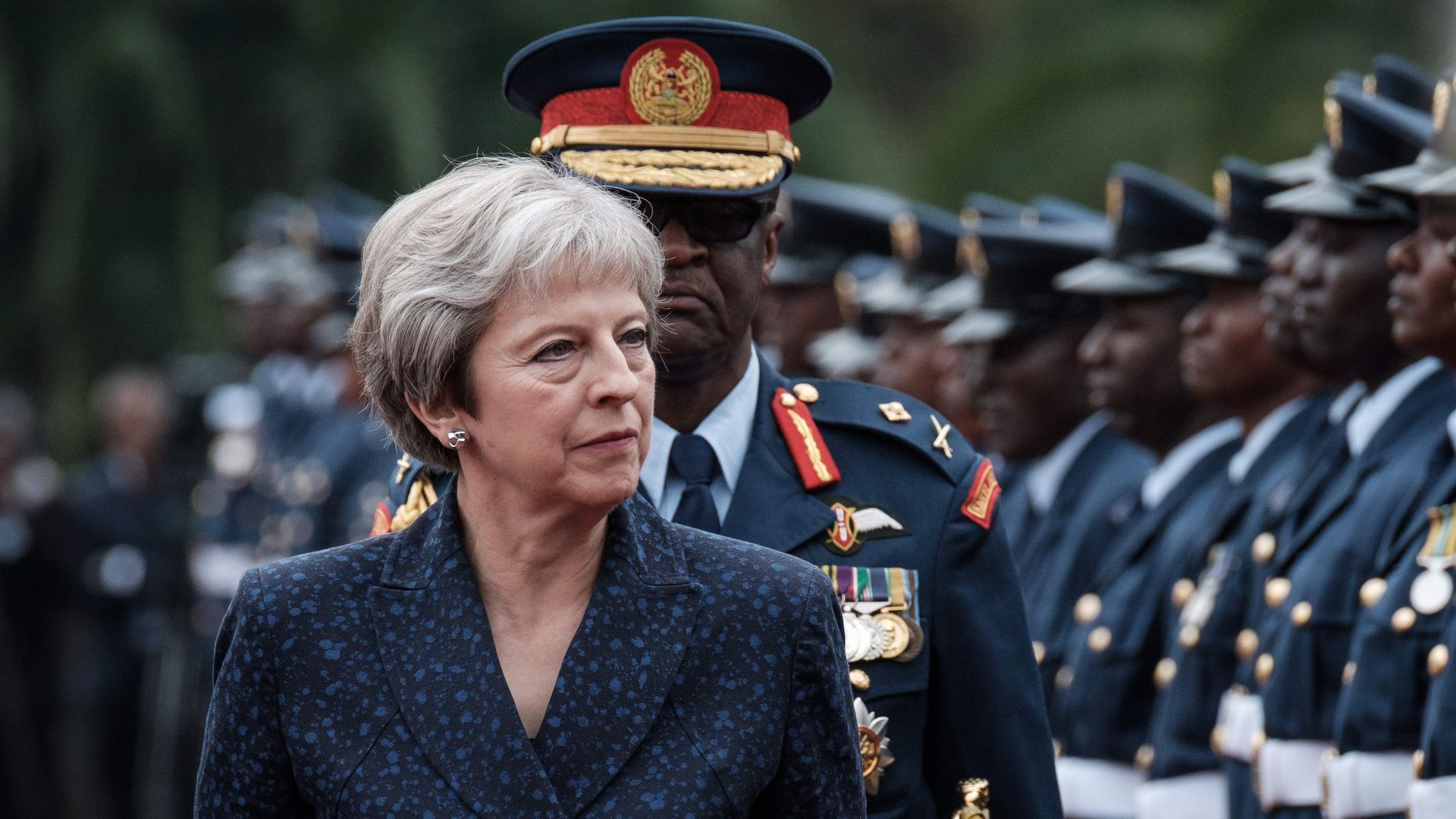
In an op-ed in the Sunday Telegraph, British Prime Minister Theresa May called the question of a second Brexit referendum "a gross betrayal of our democracy" and claimed that she would not make compromises on the "Chequers proposal" that wouldn't serve the U.K.'s national interest.
Why it matters: As the threat of a "no deal" Brexit looms over stalled negotiations between the U.K. and the EU, May is facing intense pressure from two sides — hardline Brexiteers like Nigel Farage, who have assailed the Chequers plan for being too weak, and EU negotiators who are pushing for more concessions. May's dismissal of the possibility of a second referendum comes as many British voters appear to be changing their tune on the benefits of leaving the EU.
Abbas says Kushner explored forming a Palestinian-Jordanian confederacy
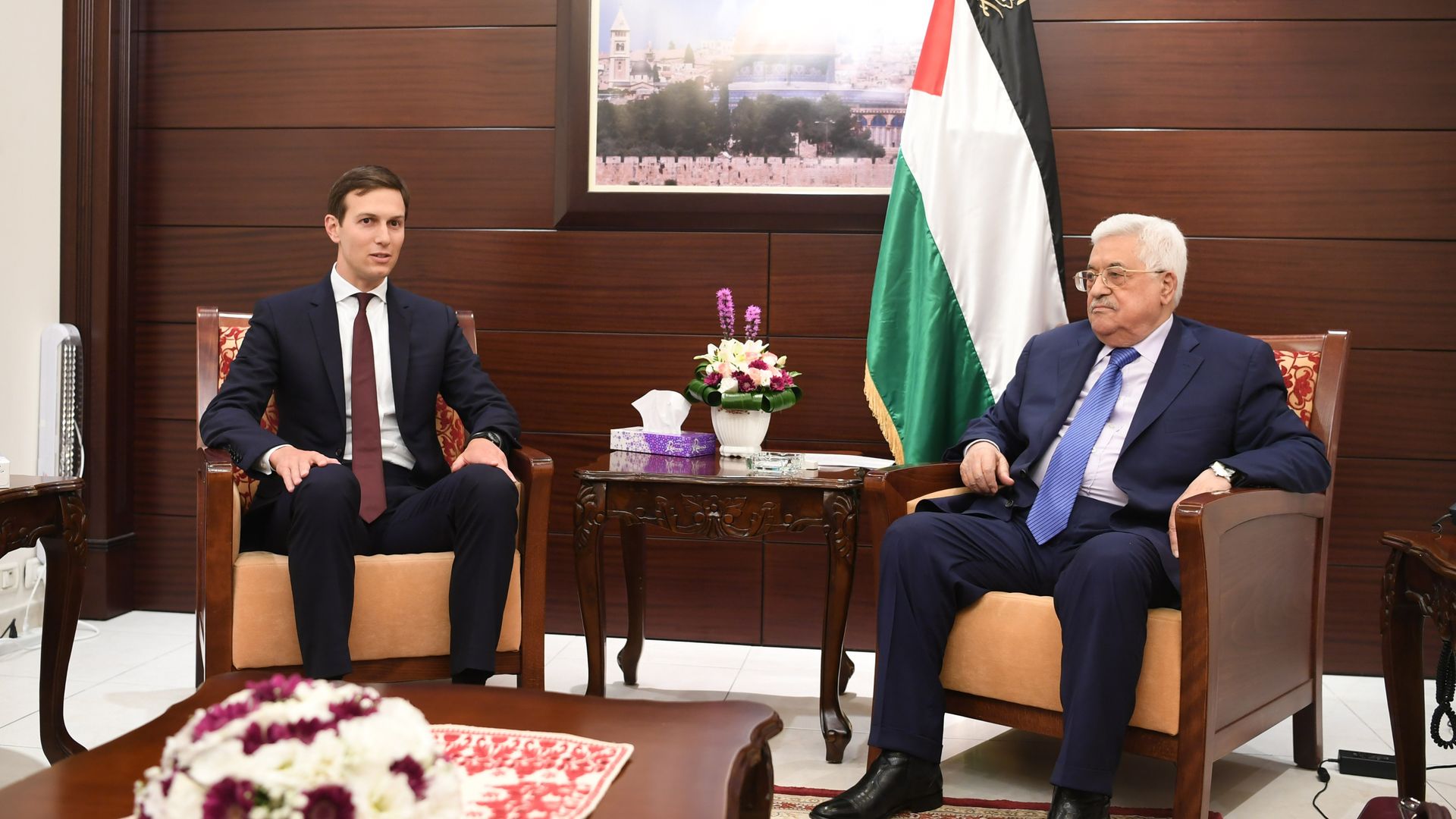
Palestinian President Mahmoud Abbas told a group of Israeli legislators who met him today in his office in Ramallah that President Trump's senior adviser Jared Kushner and U.S. special envoy Jason Greenblatt asked him in one of their meetings if he supports forming a Palestinian-Jordanian confederacy as part of a solution to the Israeli-Palestinian conflict.
Why it matters: Most of the details about the talks Kushner and Greenblatt had with the Israelis and the Palestinians over the last 18 months regarding their peace plan have never leaked. This is the first time any of the players in the region has mentioned that the U.S. has explored the possibility of a Palestinian-Jordanian confederacy. This idea hasn't been on the table in Middle East peace talks in the last 25 years.