Tuesday's world stories

Trump reportedly using campaign, RNC funds for Russia legal fees
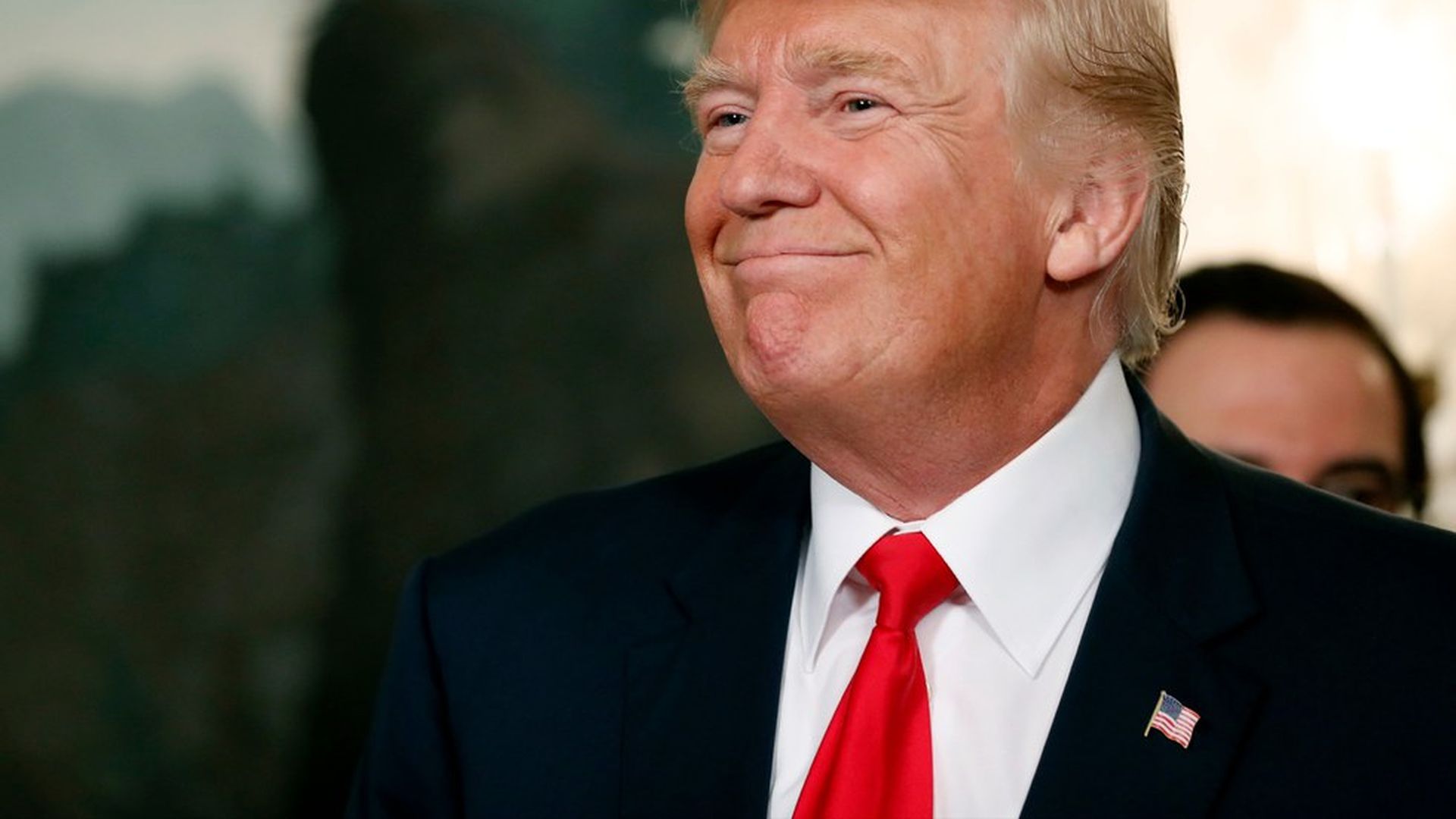
President Trump is using money from both his reelection campaign and the RNC for legal fees incurred as a result of the Russia investigation, according to a new Reuters report. Past presidents have used these funds for routine legal expenses related to their campaigns, but Trump would be the first modern president to use them for a criminal matter. Asked how Trump's bills were being paid John Dowd, his chief lawyer, told Reuters, "that's none of your business."
How it's legal: Trump, using a precedent set by Barack Obama in 2008, turned down public funding for his campaign, allowing him to utilize privately donated cash with fewer restrictions. The exact amounts may become clearer when the RNC files a financial disclosure statement later this week, with a similar disclosure for Trump's reelection campaign due next month.

The Federal Reserve is unwinding
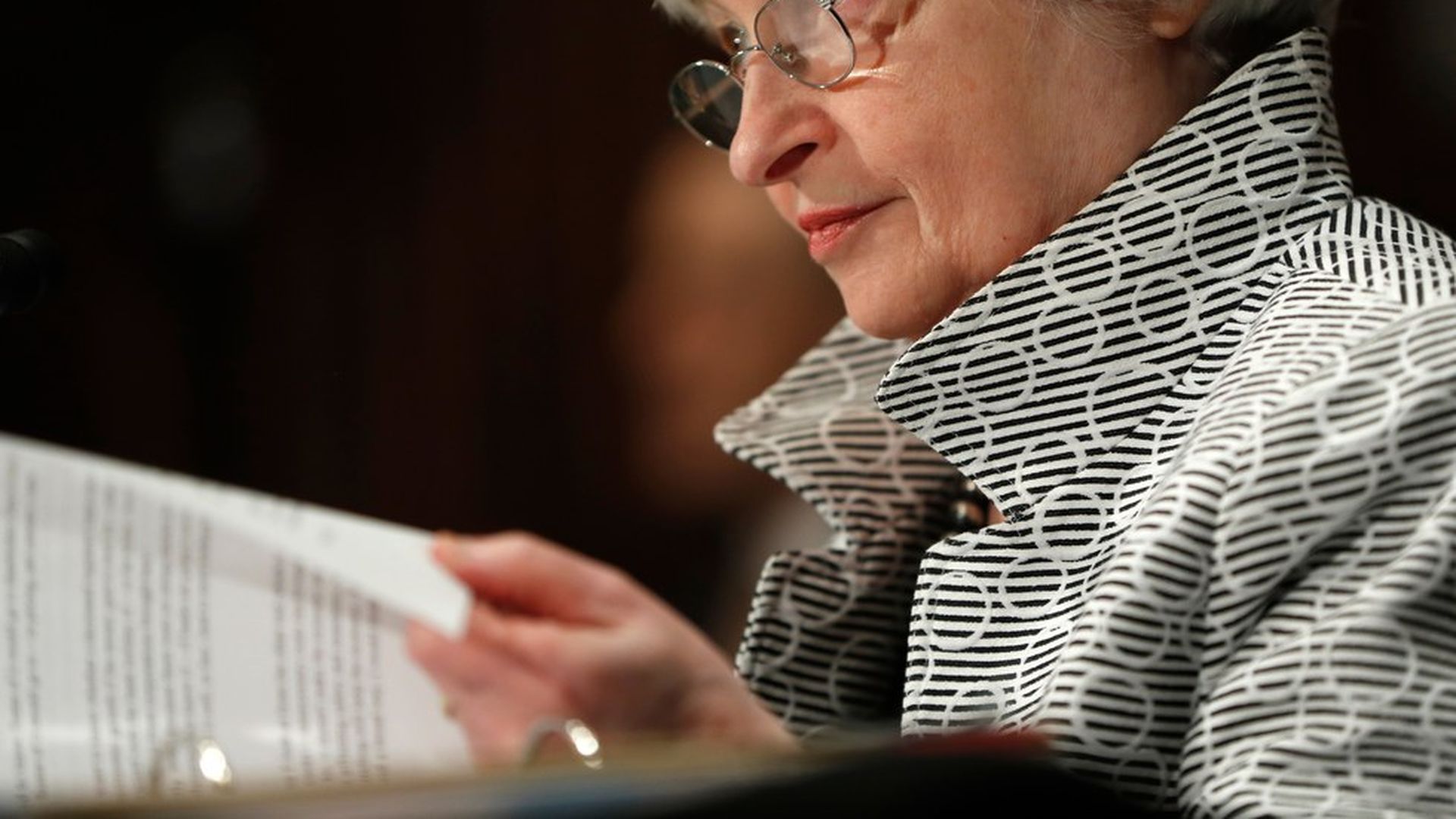
The Federal Reserve "is likely to announce Wednesday it will start slowly shrinking its $4.2 trillion portfolio of mortgage and Treasury bonds purchased during and after the financial crisis," the Wall Street Journal's Nick Timiraos writes on the front page:
Why it matters: "If it succeeds, the central bank will quietly close a chapter on an extraordinary policy experiment that lowered borrowing costs for homeowners, businesses and consumers, and will provide a model for other central banks that followed suit."

Mattis: U.S. has North Korea options that don't risk Seoul

Defense Secretary Jim Mattis told reporters at the Pentagon that there are military options for North Korea that don't put Seoul, South Korea's capital, at risk, NBC News' Hans Nichols reports. Mattis added he would "not go into details" but that there are "many military options in concert with our allies."
North Korea has artillery aimed at Seoul, just 35 miles away, meaning an attack on North Korea is likely to put the city of 10+ million people under threat of imminent military attack. It's hard to imagine a plan that completely removes that threat, but that seems to be what Mattis is suggesting.

Japan: “More dialogue with North Korea would be a dead end”
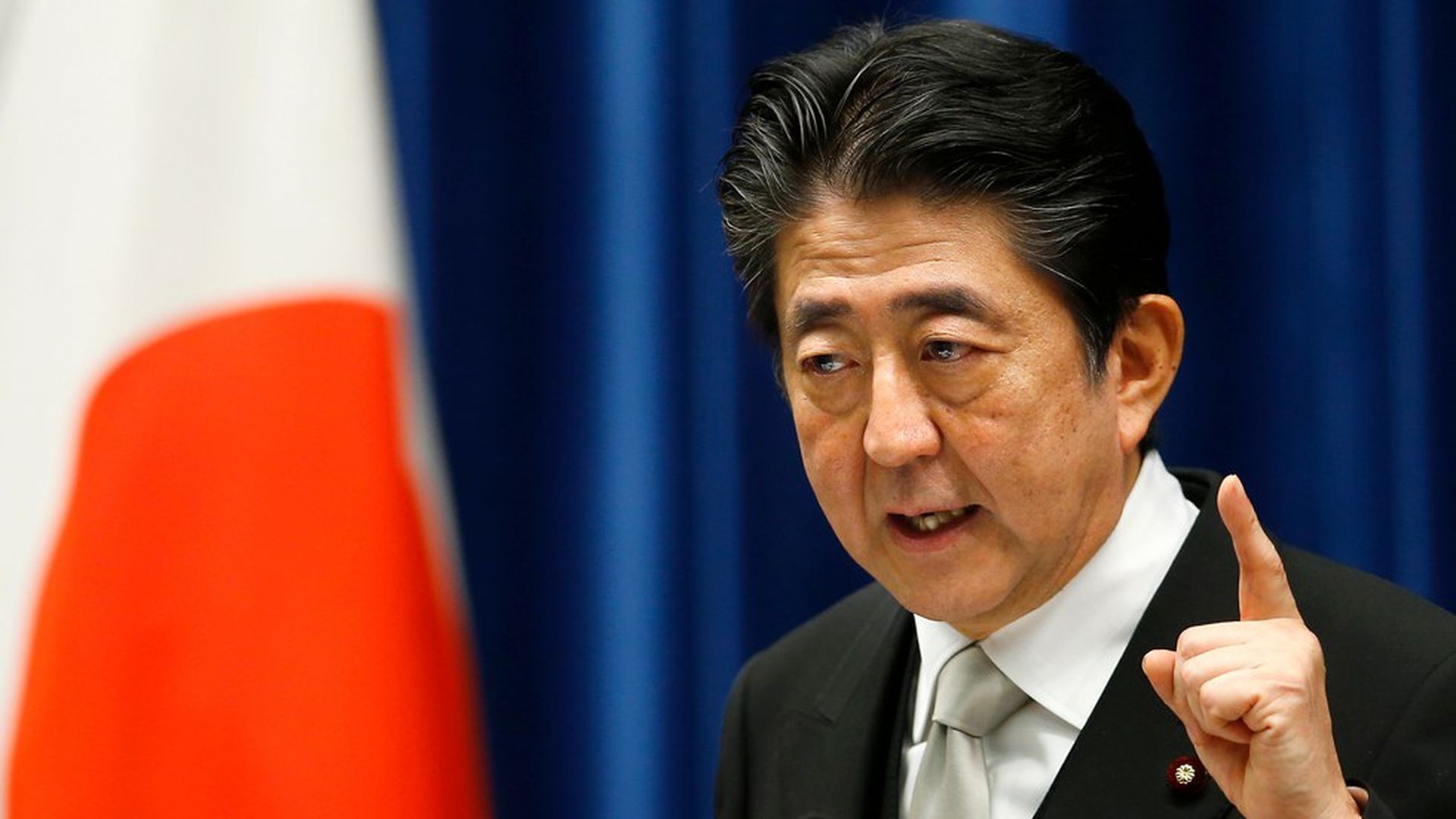
Japanese Prime Minister Shinzo Abe urged in a New York Times op-ed Sunday for the international community to ramp up pressure against North Korea, zeroing on the notion that more diplomacy and dialogue with Pyongyang would be a "dead end," as Pyongyang would see more talks as proof that other countries "succumbed" to the threat of its missile launches.
- On the UN Security Council's new round of sanctions: Abe describes them as an "important step," but acknowledges that North Korean leadership has consistently ignored most of its commitments.
- On the potential use of military force: Abe said he "firmly support[s]" the U.S. position that "all options are on the table."
His bottom line: "Now is the time to exert the utmost pressure on the North. There should be no more delays."