The FBI is facing its second hack in three months — and this breach could impact local law enforcement and any individual who has been arrested or reported missing.
Why it matters: It remains unclear who is behind the breach, which follows a wave of tech outages in the last week that affected private and government systems.
Platforms are restricting access to their content and data, challenging the open web's model of freely available information.
Why it matters: While declining traffic has encouraged platforms to experiment with new paid tiers and revenue streams, many ad-supported businesses will have to accept smaller audiences in the short term.
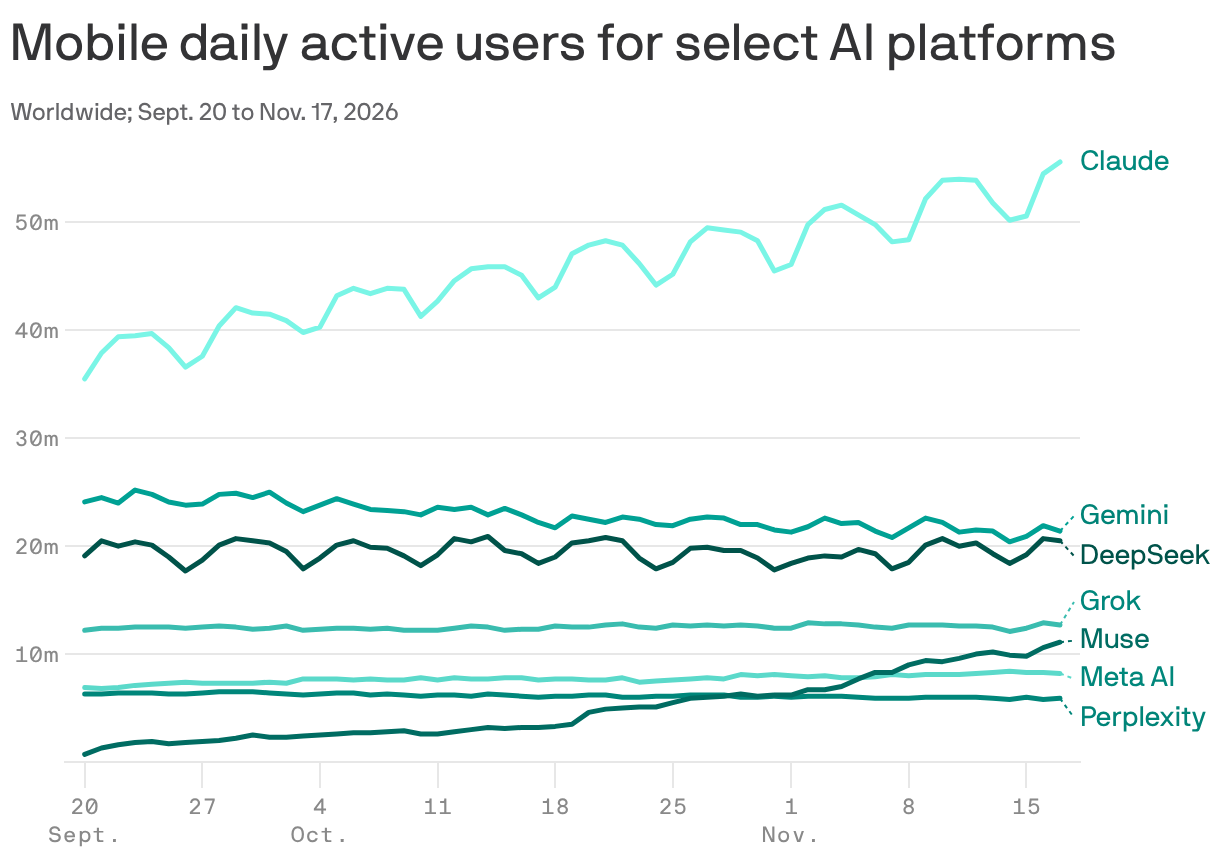
The recent Nvidia scandal has renewed scrutiny of Chinese enterprise tech, although Chinese consumer apps remain widely used and available to U.S. users.
Why it matters: The popularity of DeepSeek, Temu and TikTok highlights a disconnect between Washington's national security concerns and Americans' appetite for Chinese apps that offer cheap tools and entertainment.
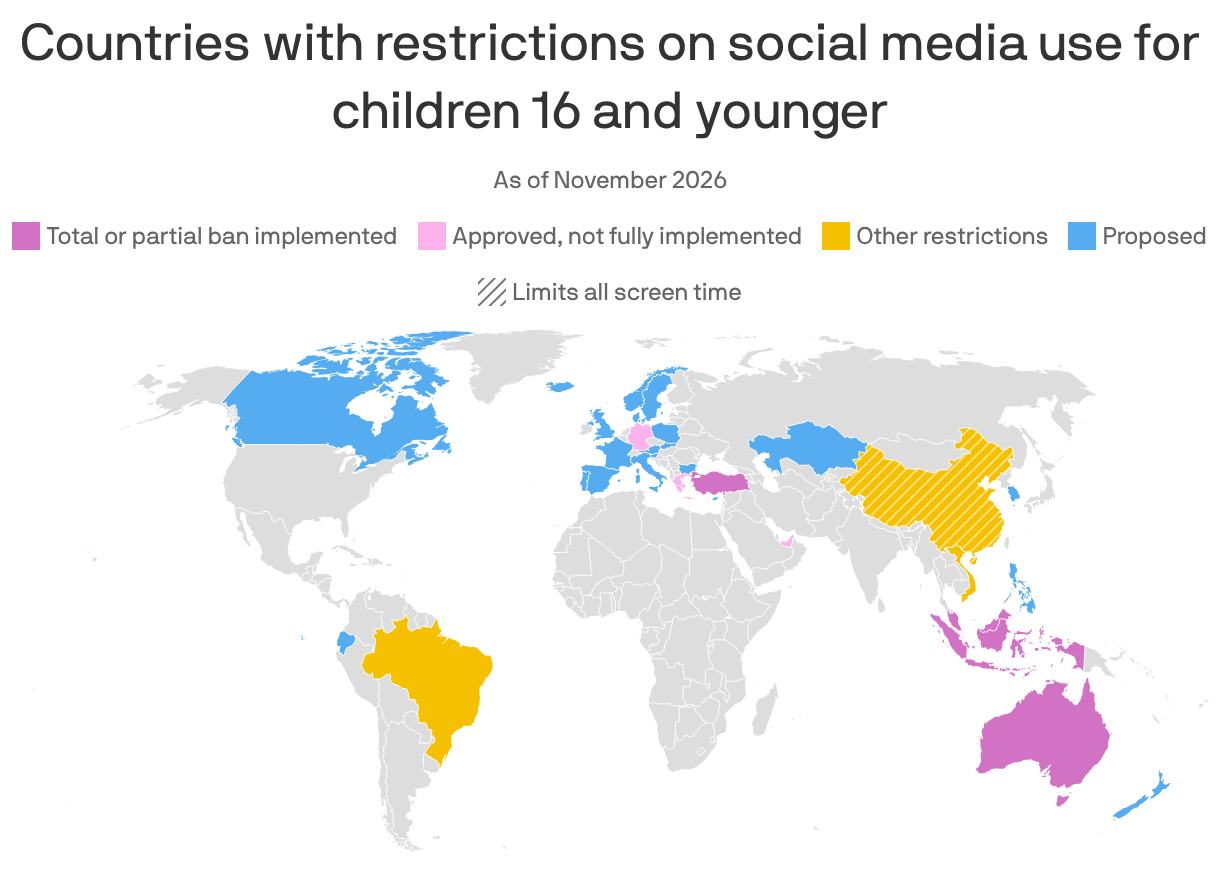
More countries are introducing social media restrictions and phone bans, putting pressure on platforms to introduce new safety and security features that limit advertising and engagement for young users.
Why it matters: A growing patchwork of restrictions has forced tech titans to reconsider product growth to limit legal risk and liabilities.
Twitch is making a big push into connected TV next year, joining a growing list of social platforms bringing creator-led entertainment to the living room.
Why it matters: As Hollywood experiments with short-form shows designed for phones, social platforms are bringing long-form programming to TVs and making entertainment more interactive.
Platforms are developing more ways for creators to find new audiences and make money from smaller, more engaged communities.
Why it matters: As more creators compete for attention and algorithms increasingly determine who sees content, follower growth has become harder to sustain.
Asking for moneyis a barrier many prospective GoFundMe users never overcome, but CEO Tim Cadogan says the giving platform is cracking the code on getting more people to take the leap.
The secret was breaking down a fundraising campaign into a sequence of steps. GoFundMe spent nearly a year launching an AI coach that is now driving record donations.
Why it matters: Deconstruction is a hidden key to AI adoption. As GoFundMe surpasses $50 billion in total funds raised, its approach to AI implementation is a blueprint. By focusing on specific pain points — like writing a headline or setting a financial goal — the company's AI tools have already been used more than 100 million times.
A deep, reflexive backlash against AI-generated writing, music and advertising is sweeping through the creative world.
But on Roblox, one of the world's most popular online videogame hubs, machine-assisted creation appears to be winning, and the players don't seem to mind.
Why it matters: The contrast offers a glimpse into the future of entertainment. Although audiences still demand human authenticity in traditional art, video game players have shown a pragmatic willingness to accept AI — as long as the result is fun.
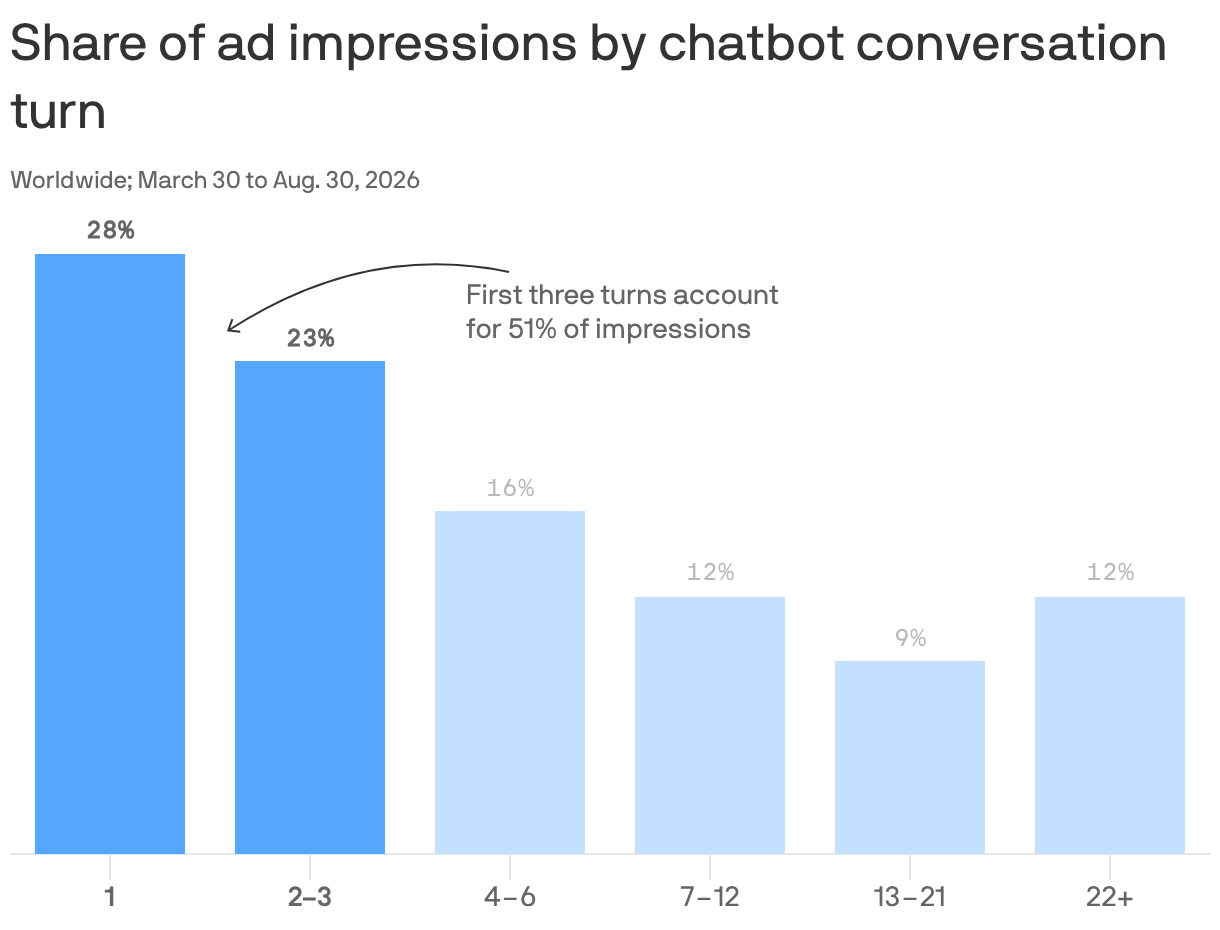
OpenAI and Google are rapidly expanding advertising in their AI interfaces, giving marketers new ways to target users with high purchasing intent.
Why it matters: User intent is much higher with AI interfaces than traditional search because conversations empower consumers to reveal their needs with more specificity.
Platforms are introducing more subscription tiers and paid features, not only generating new revenue for themselves but also helping creators earn more from their audiences.
Why it matters: Subscriptions offer recurring revenue beyond advertising as platforms bet people will pay extra for premium tools and exclusive access.
Governments worldwide are cracking down on streamers, forcing them to play by new rules that could upend the economics of the business.
Why it matters: Streamers have enjoyed fewer regulatory restrictions compared with traditional broadcasters. As viewing habits shift, regulators are closing that gap.
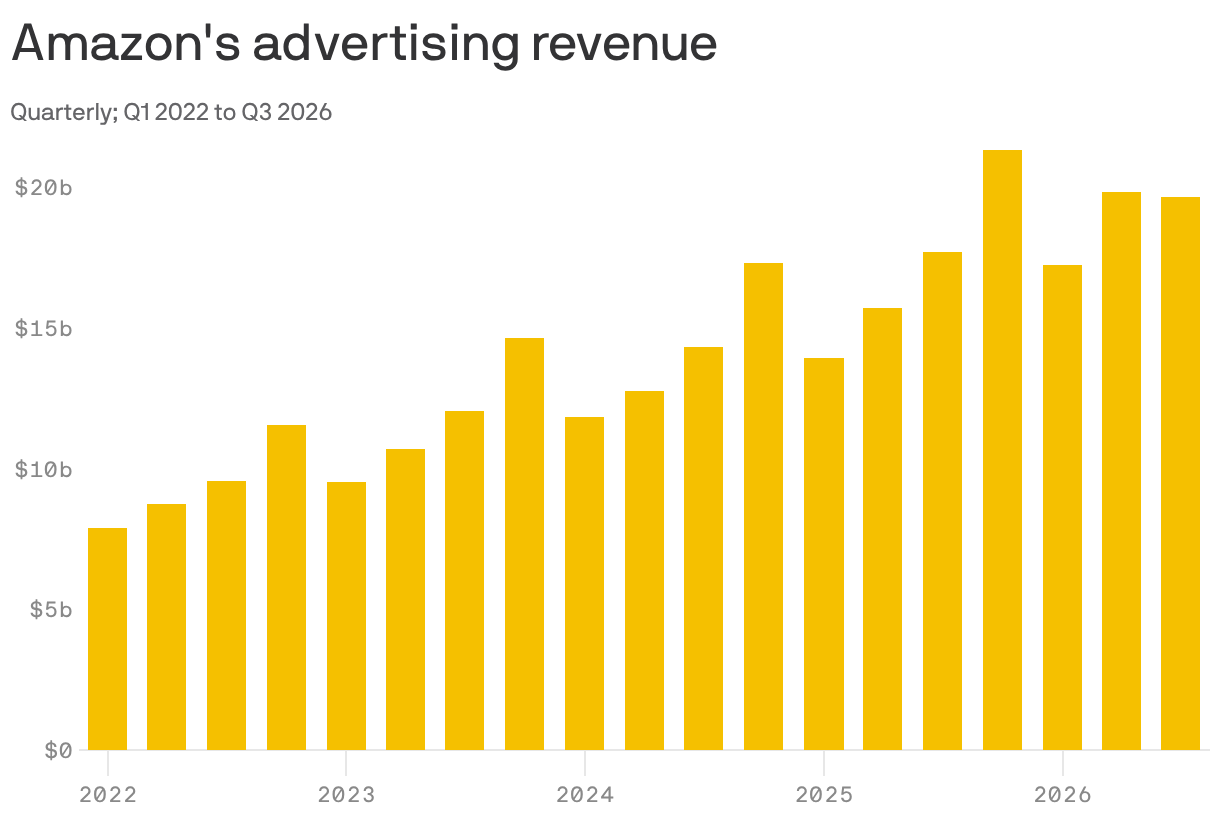
The Federal Trade Commission, alongside a bipartisan group of nearly two dozen state attorneys general, sued Amazon in federal court in August, making the first major federal lawsuit against the tech giant's ad business.
Why it matters: Amazon's ad business has grown so fast, it's now bigger than the entire linear television ad market.
Social platforms are adding livestreaming features to help creators reach audiences, engage fans and attract advertisers.
Why it matters: Real-time experiences can keep audiences engaged longer and build stronger connections between creators and fans amid an endless stream of on-demand short-form content.
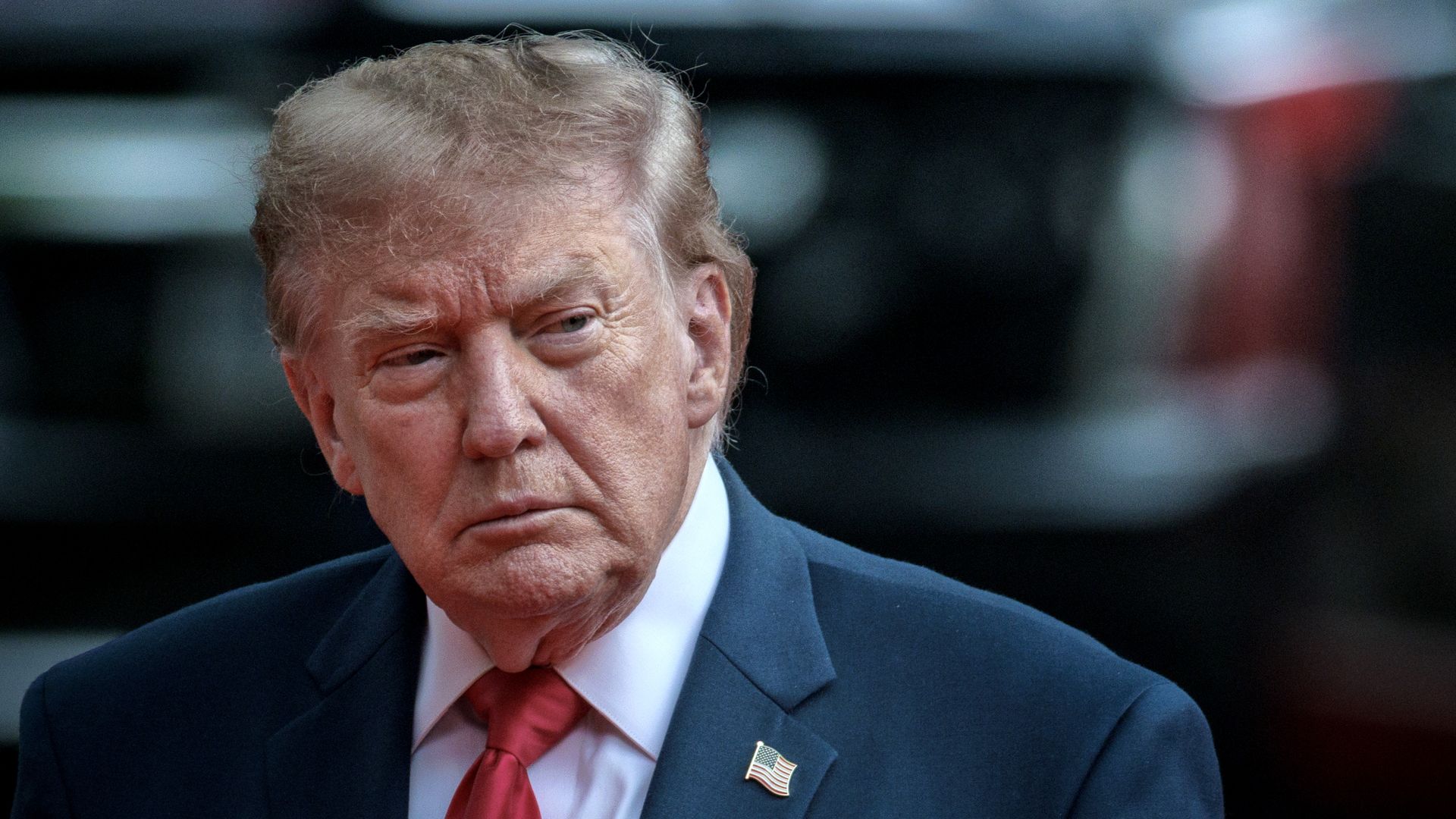
President Trump on Saturday said the reported hack of a crucial FBI database might have a silver lining — it could, he claimed, expose more details of what he called the "Russia Russia Russia hoax."
Why it matters: The president remains laser-focused on many of his past grievances about the FBI, even as the public grows increasingly alarmed about the vulnerability of government infrastructure.
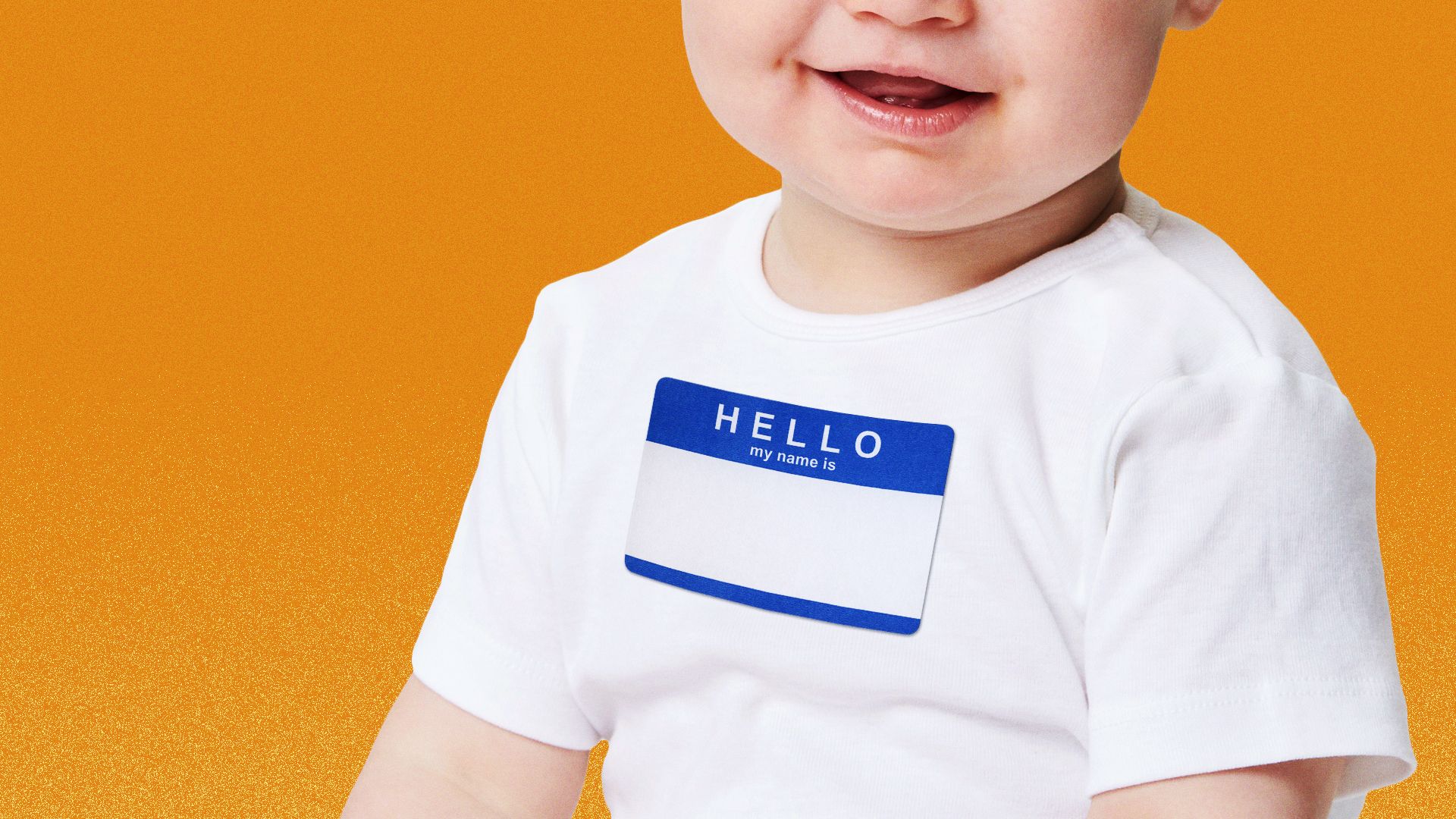
AI may have ruined the name Claude. But now parents are turning to it for help naming their babies.
Why it matters: Although AI doesn't know what it feels like to honor a late relative or choose a moniker with spiritual meaning, it can suggest plenty of names — and potentially influence which ones rise in popularity.