Google won't be forced to spin off its "network" ad business, which sells ads on others publishers' inventory, a federal judge ruled on Wednesday.
Why it matters: It's a massive win for the tech giant, which was found guilty last April of violating U.S. antitrust laws by exploiting its dominance of the online advertising and ad-tech markets.
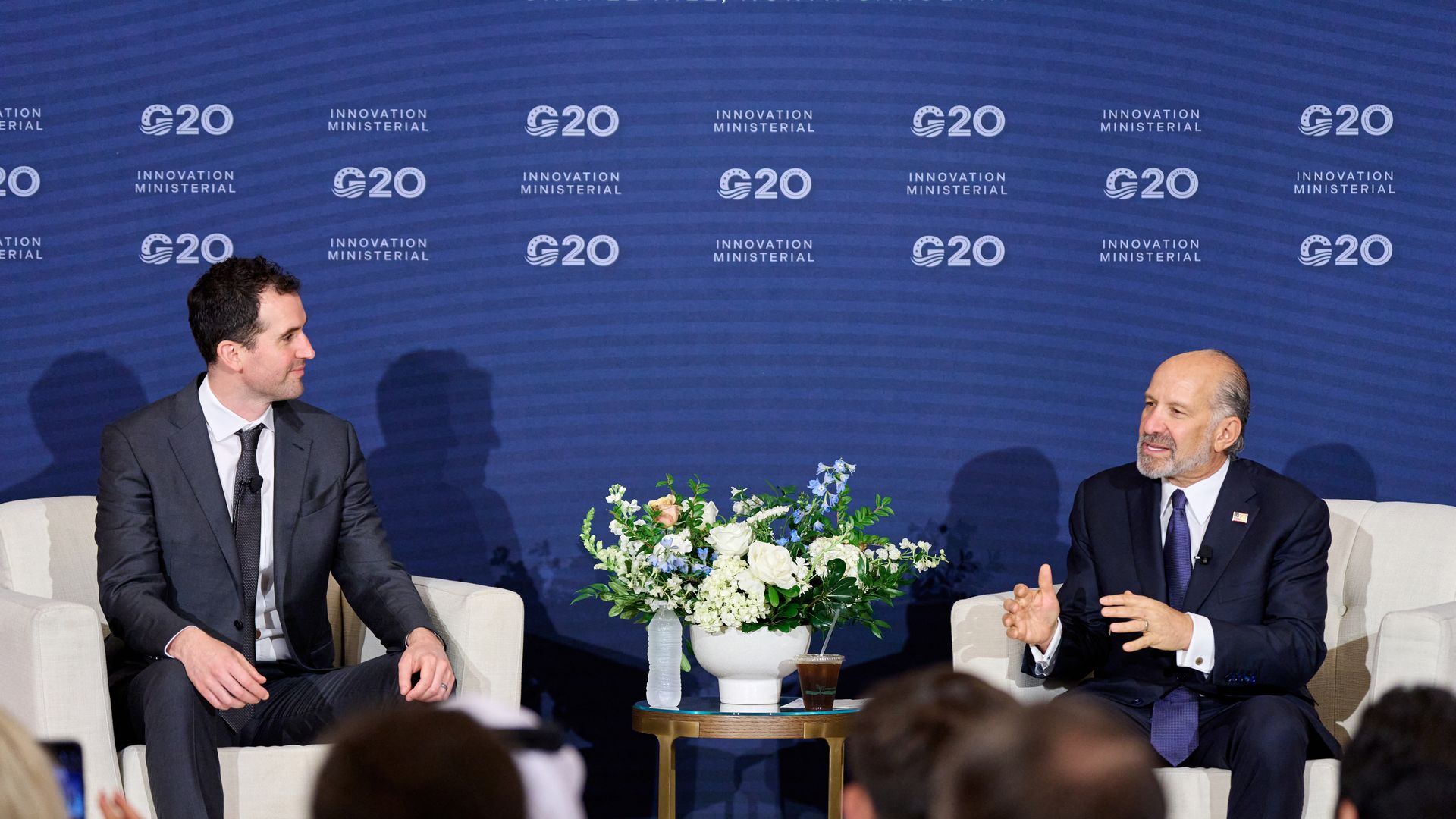
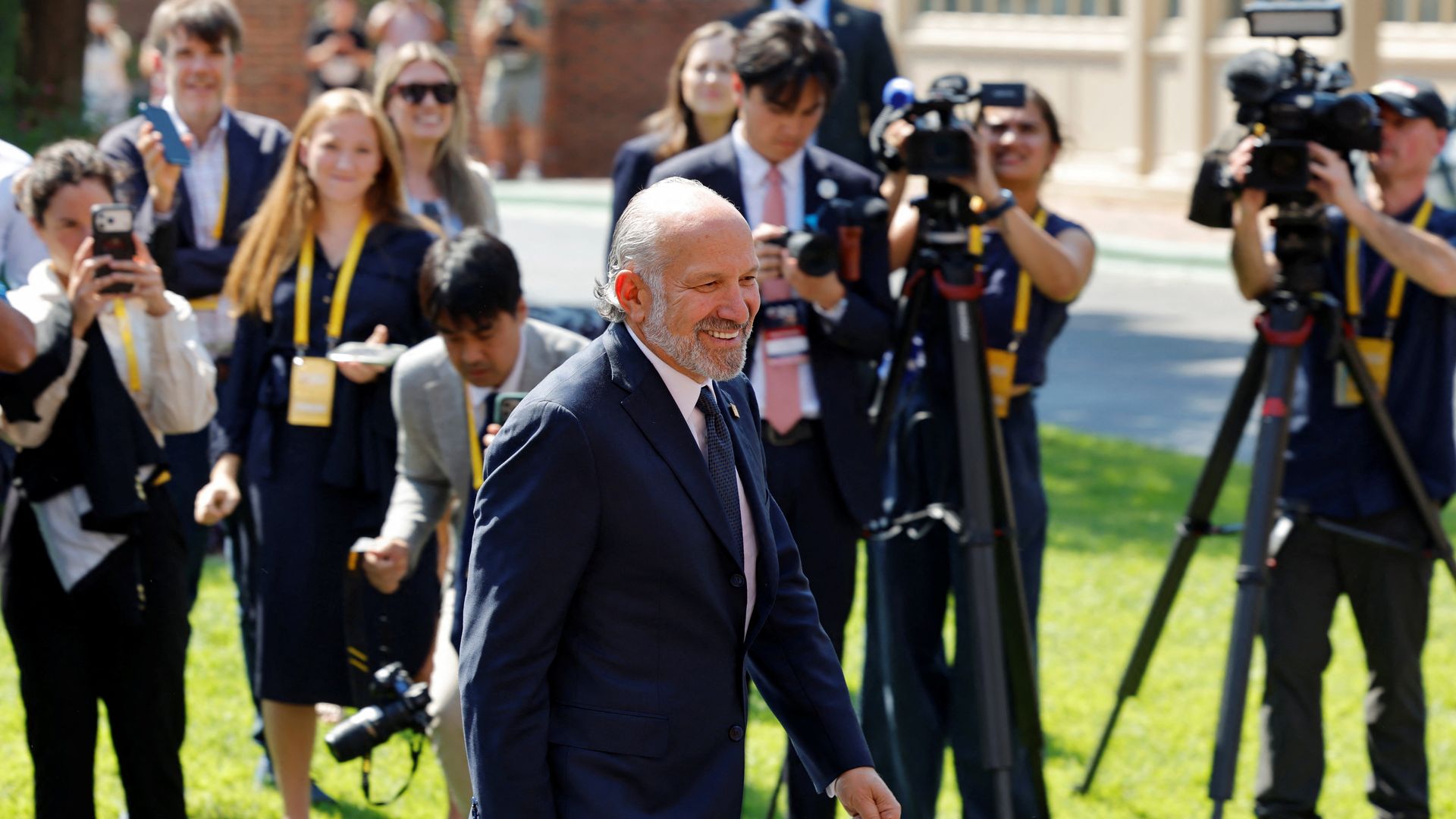
CHAPEL HILL, N.C. — Commerce Secretary Howard Lutnick said the Trump administration now trusts Anthropic following months of clashes with the AI company.
Why it matters: The statement marks a remarkable turnaround in a relationship strained by a bitter fight over national security and AI safeguards.
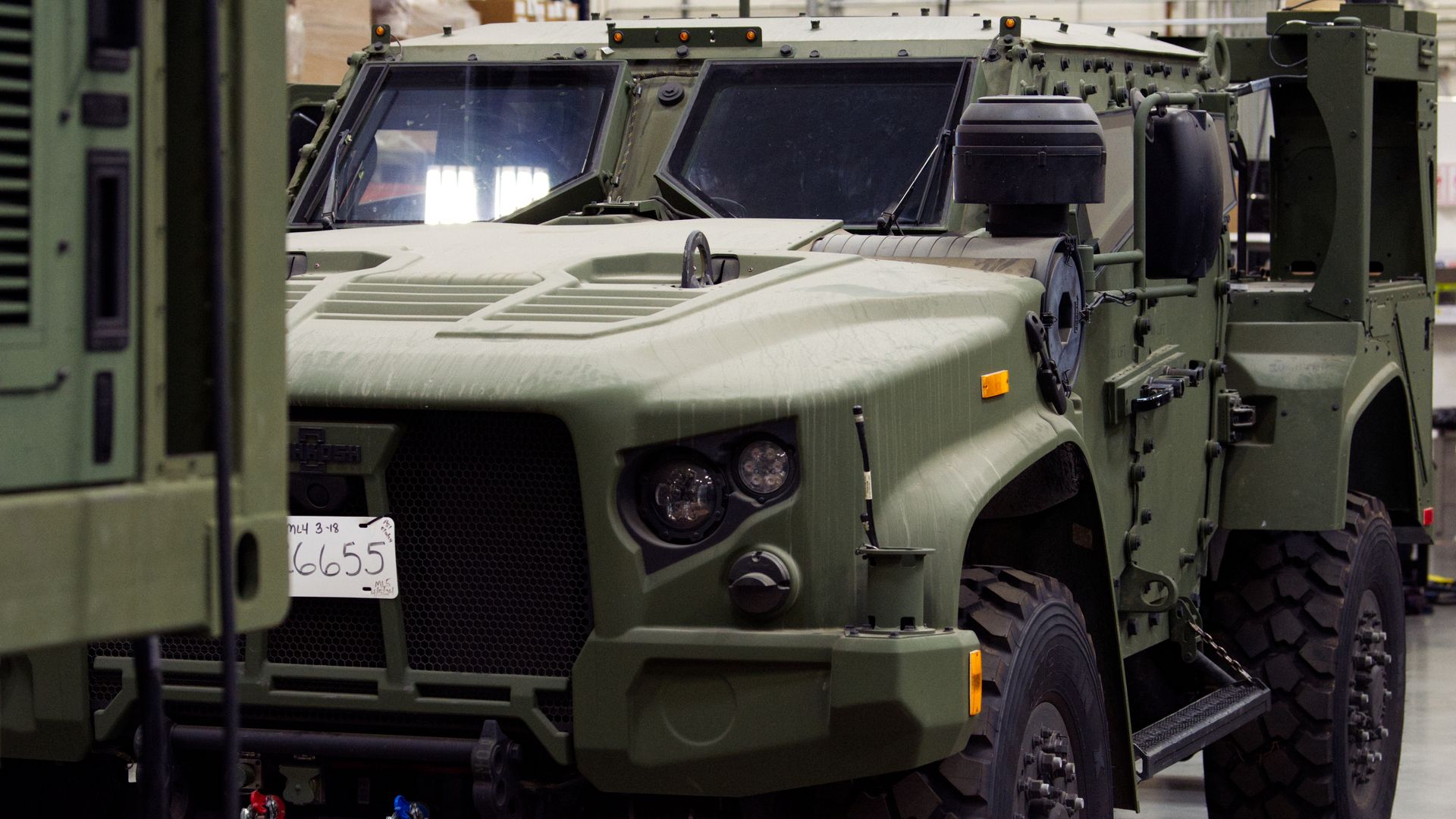
The U.S. Army has inked contracts worth a total of $192 million with Palantir Technologies and Anduril Industries for the production of eight Tactical Intelligence Targeting Access Nodes.
Why it matters: State-of-the-art TITAN trucks are cornerstones of the service's deep-sensing and long-range precision fires goals — in other words, the ability to find, track, shoot and kill more accurately from farther away.
They are also key contributors to the Joint All-Domain Command and Control networking nirvana the Pentagon has for years sought to achieve.
Uber plans to cut 10% of its workforce to simplify its operations.
The big picture: The reductions come amid a fervent conversation over the role of AI in replacing jobs, but Uber didn't cite AI as a catalyst for the cuts.
Investor fervor for the AI boom is so strong that companies are able to borrow billions of dollars right now essentially for free.
Why it matters: The record surge in zero-coupon convertible bonds — which don't pay regular interest — is surprising given that we're in a higher rate environment.
Typically, that would mean companies would pay higher borrowing costs.
Aitan on Wednesday emerged from stealth, backed by tens of millions of dollars and, by its own tally, hundreds of thousands of hours operating alongside the Israel Defense Forces.
Why it matters: The startup is offering "robotic sovereignty as a service" and "edge AI weapon systems" — giving governments and militaries a backbone to build out their unmanned and autonomous forces quickly and with the lessons of the Middle East and Eastern Europe already digested.
"Warfare has totally transformed over the past few years," co-founder Daniel Almog told Axios.
August came and went, and still no contract for the U.S. Navy's futuristic fighter, F/A-XX, was announced.
Why it matters: The date keeps slipping — inspiring memes, leaving defense industry giants in public limbo, pressuring the service's existing fleet and reminding military watchers of the Trump administration's warplane priority.
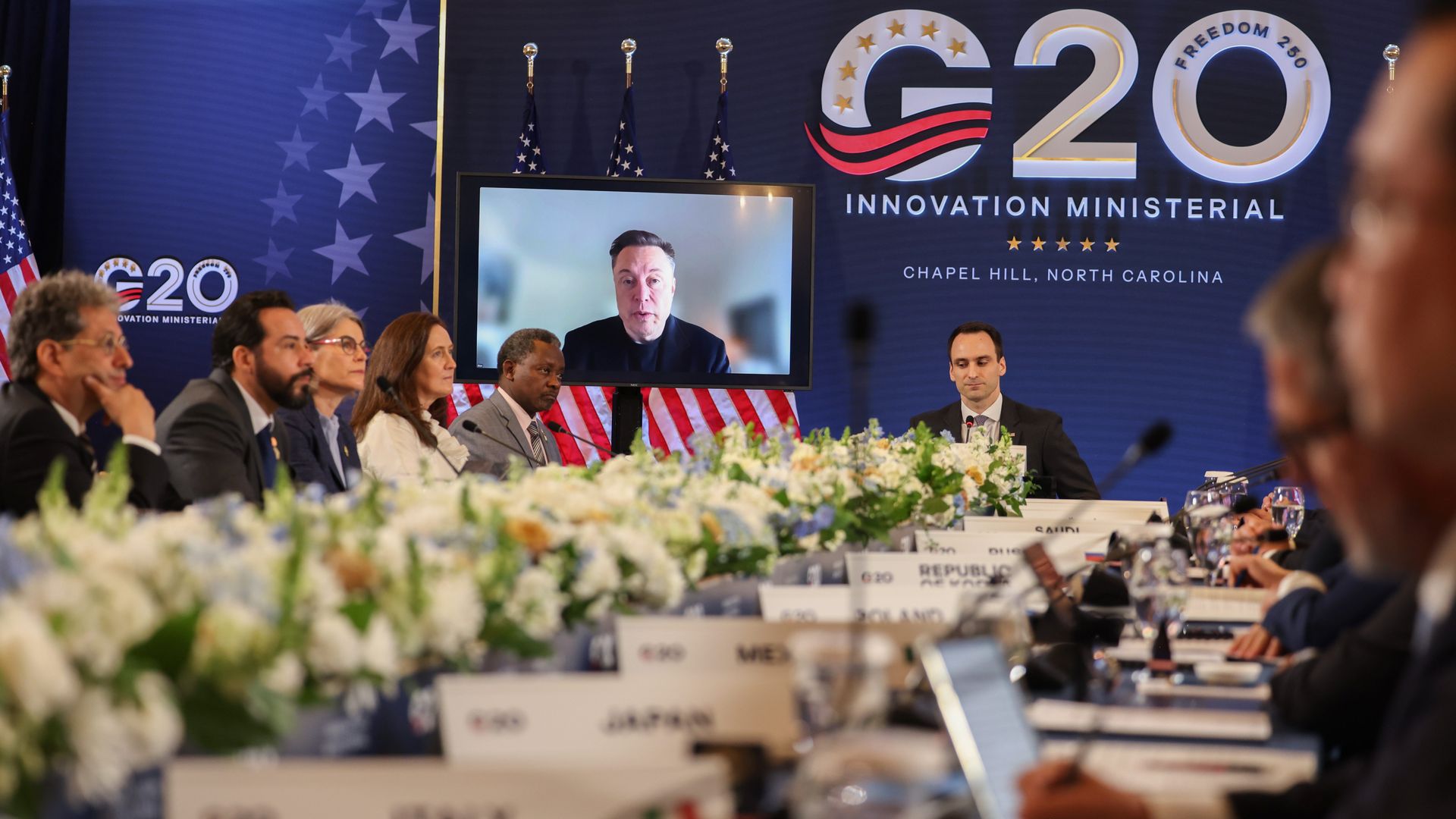
CHAPEL HILL, N.C. — Commerce Secretary Howard Lutnick, who'll preside over a parade of tech tycoons at today's G20 innovation summit, tells me he's confident the U.S. will stay ahead of China in the AI race by continuing to define the frontier.
"It's teacher-student," Lutnick said Tuesday in a sunny conference room between meetings with Chinese and Turkish officials.
China's open-weight models, he said, "study off of the large language models of America. ... The teacher is the smartest person in the world, and relentlessly pushing to the frontier. The student ... can't be in the lead, because they're learning from the teacher."
AI is already helping detect and monitor wildfires. Now, researchers are exploring how it could help fire officials decide where to deploy crews across multiple fires.
Why it matters: Studies show climate change is contributing to longer, more intense wildfire seasons, forcing officials to make high-stakes decisions about how to prioritize limited resources. AI could help them process information to make those decisions faster.
OpenAI and Anthropic are trying to strike a delicate balance: convincing Wall Street that their businesses are sound and fast-growing, while at the same time assuring governments and the world that their models don't pose unacceptable risks.
Why it matters: Both companies are aiming for potentially record-breaking initial public offerings soon.
CHAPEL HILL, N.C. — Trump administration officials came to this week's G20 innovation summit to project a united front on U.S. AI leadership. But tensions between the Commerce Department and the White House's tech policy shop are playing out behind the scenes.
Why it matters: The Trump administration wants the world to follow its lead on AI policy, even as it grapples with divisions at home.
A new cohort of fresh-faced delivery robots is arriving on college campuses this fall after the leading incumbent graduated last spring to chase bigger ambitions in the real world.
Why it matters: Students and universities have come to love the futuristic porters of lattes, pizza and late-night snacks, while robotics companies get something far more valuable: a chaotic, real-world proving ground for physical AI.