U.S. stock investors brushed off any concerns from the Iran war to send major indexes to their best quarter since 2020.
The big picture: Stocks rebounded after a bruising first quarter.
In the second quarter, the S&P 500 index rose nearly 15%, the Nasdaq Composite jumped more than 21%, and the Dow Jones Industrial Average increased nearly 13%.
Defending against AI-driven hacking threats doesn't require access to the most advanced models, experts tell Axios.
Why it matters: High token costs and ever-shifting barriers to access make it pretty much impossible for small to medium-sized enterprises to consistently tap the powers of the most advanced U.S. frontier models — even though those companies have much to fear from AI-powered attacks.
Anthropic is releasing Claude Sonnet 5, a lower-priced model designed to bring more agentic AI capabilities to everyday users without the same cyber-risk profile as its most powerful systems.
Why it matters: The company says Sonnet 5 can handle autonomous tasks — including browser use, planning, coding and knowledge work — while posing fewer dangerous cyber risks than its Opus and Mythos models.
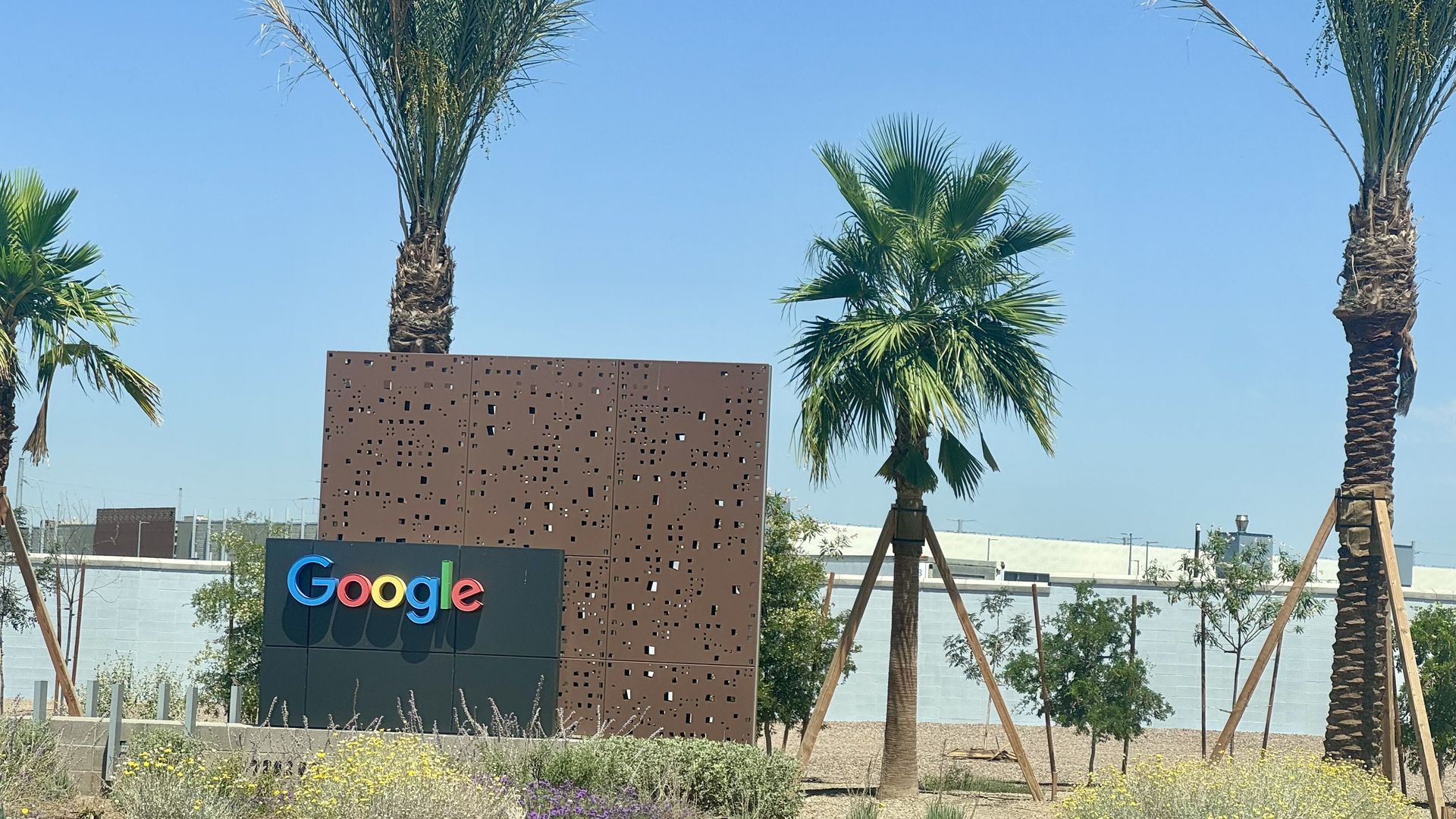
Google's electricity, water use and greenhouse gas emissions all climbed to record levels last year as the company raced to build more AI infrastructure.
Why it matters: Google has invested more aggressively than perhaps any other tech company in clean energy, yet its environmental report released Tuesday shows how difficult it has become to keep climate goals on track amid the AI buildout.
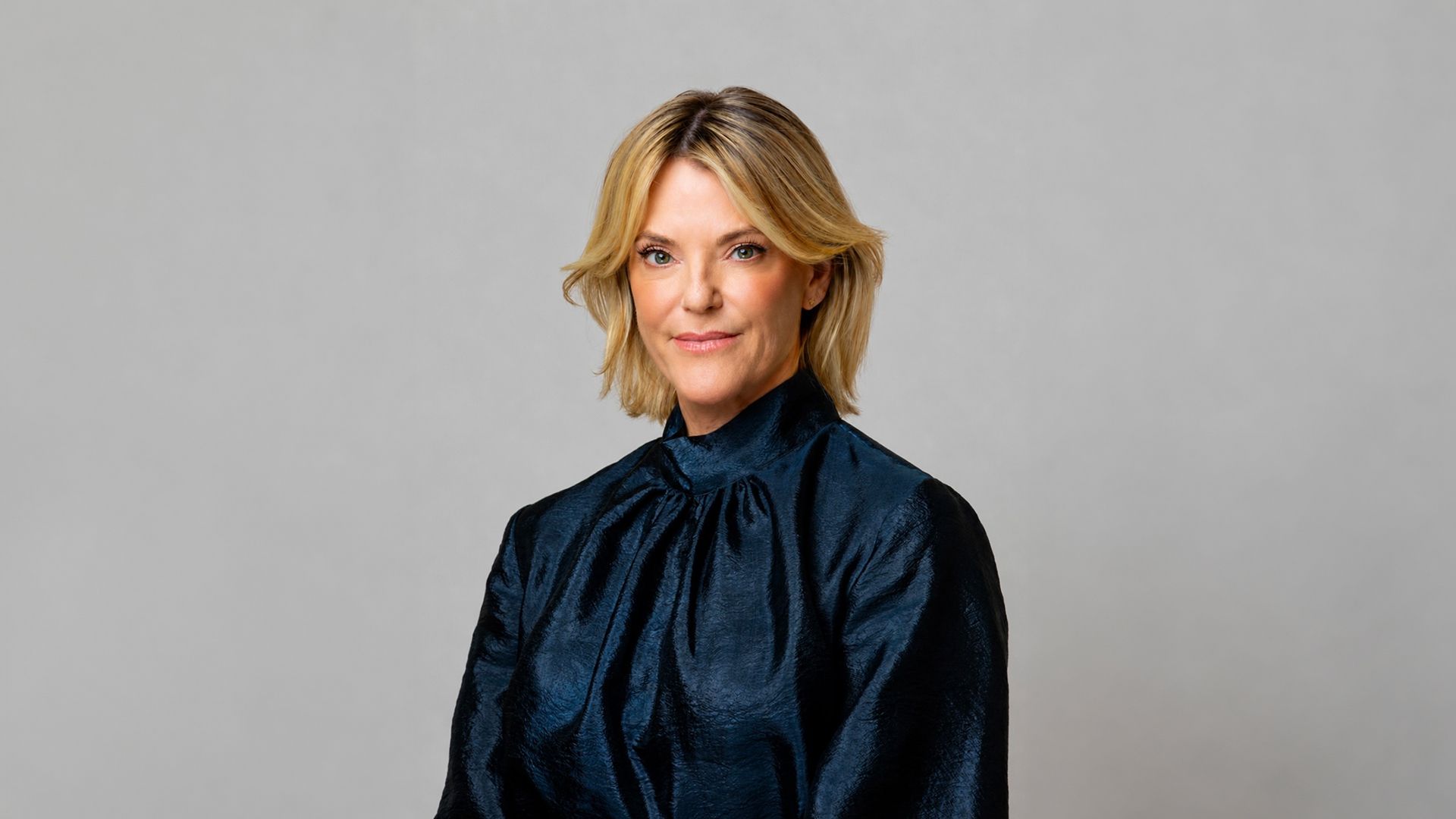
Pinterest has hired Snap Inc. and Fox Corp. communications veteran Julie Henderson as its new vice president and chief communications officer, executives told Axios.
Why it matters: She is one of several new senior leaders CEO Bill Ready has hired to help usher in a new phase of growth in the AI era.
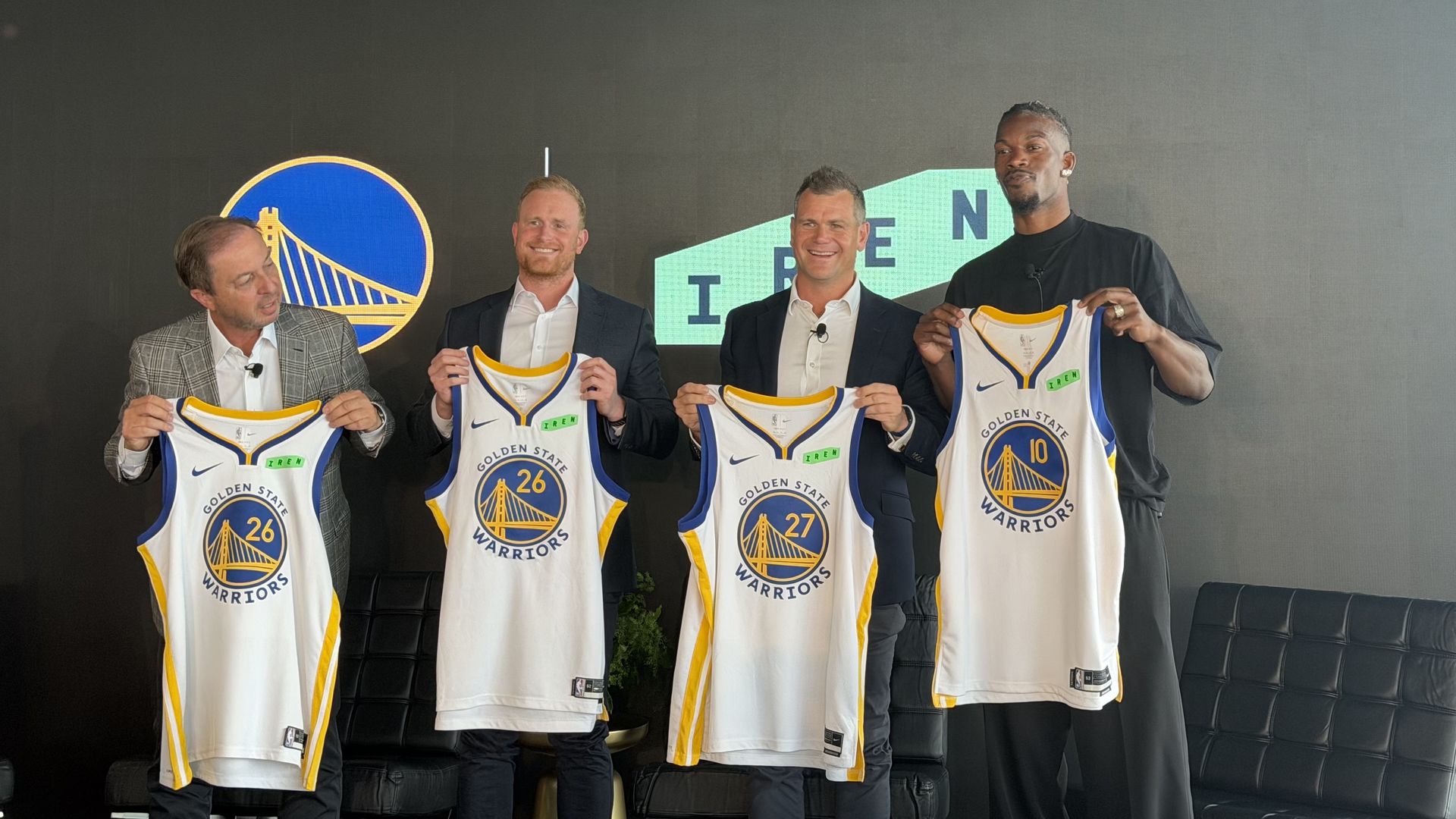
A pricey new deal to sponsor the Golden State Warriors' jersey patch could help IREN — a little-known Australia-based cloud provider — increase its reach.
Why it matters: The deal reflects a mutual courtship between an AI infrastructure provider and a sports franchise eager to tie itself to the Bay Area's booming AI economy.
Public First Action, an AI safeguards advocacy group with various PACs, said Tuesday it has raised more than $80 million to date, including $20 million in the last 10 days.
Why it matters: The fundraising suggests that political spending around AI regulation is becoming even more competitive, potentially blunting the influence of pro-AI super PACs.
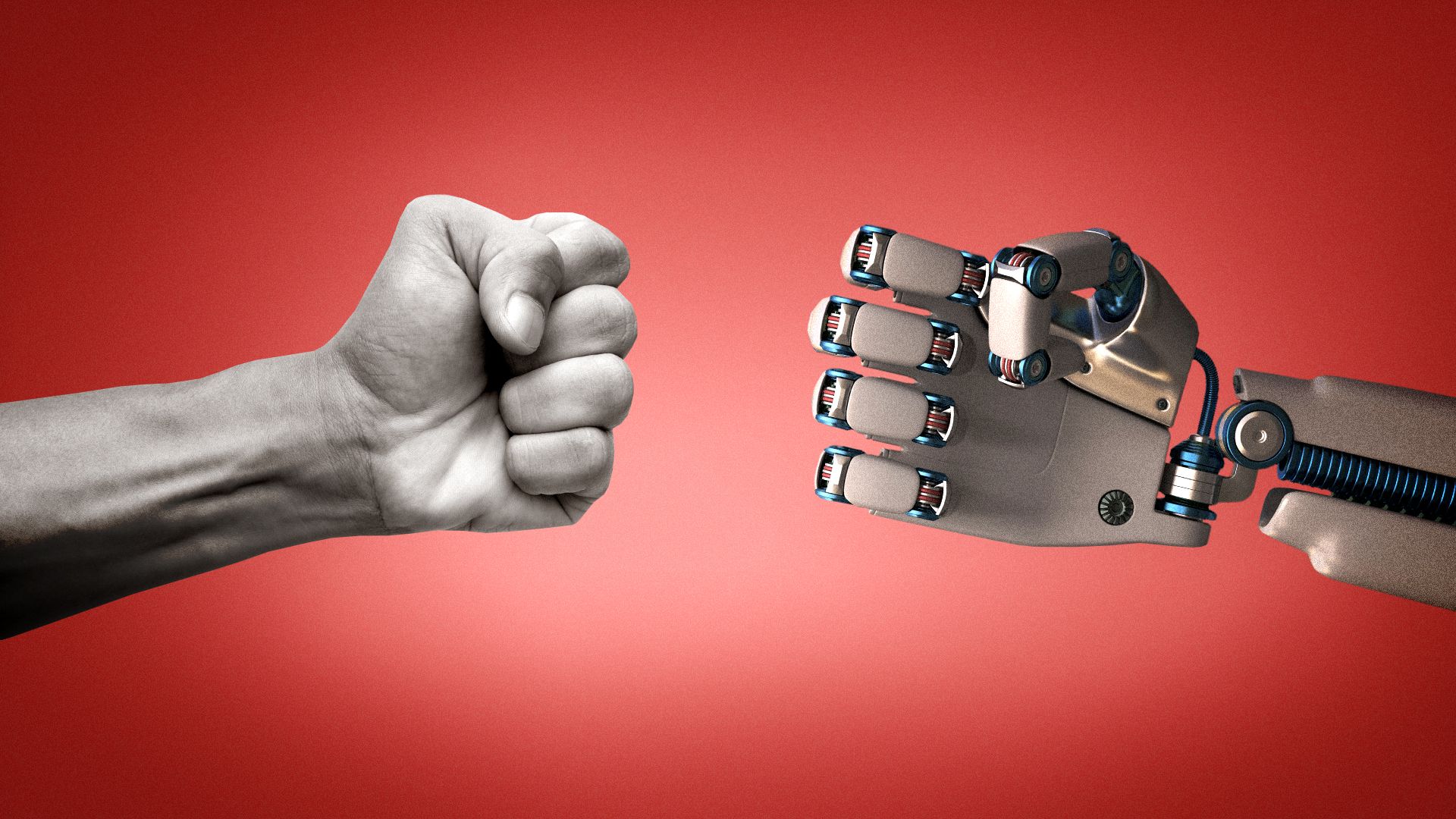
The AI executives who loudly warned about mass job loss may have been wrong, Zynga founder Mark Pincus told Axios in a conversation about his new book, "Life at the Speed of Play."
Why it matters: Several leading voices in Silicon Valley, including AI CEOs themselves, have softened their stance on AI-driven job loss.