"Today is the last day I believe anything I see on the internet," X, TikTok and YouTube commenters joked on September 30, the day OpenAI released its Sora video app.
Why it matters: The latest version of Sora has unleashed a torrent of fake videos into the feeds of every place people scroll. The sophisticated, high-quality videos can make it hard to distinguish AI from real footage.
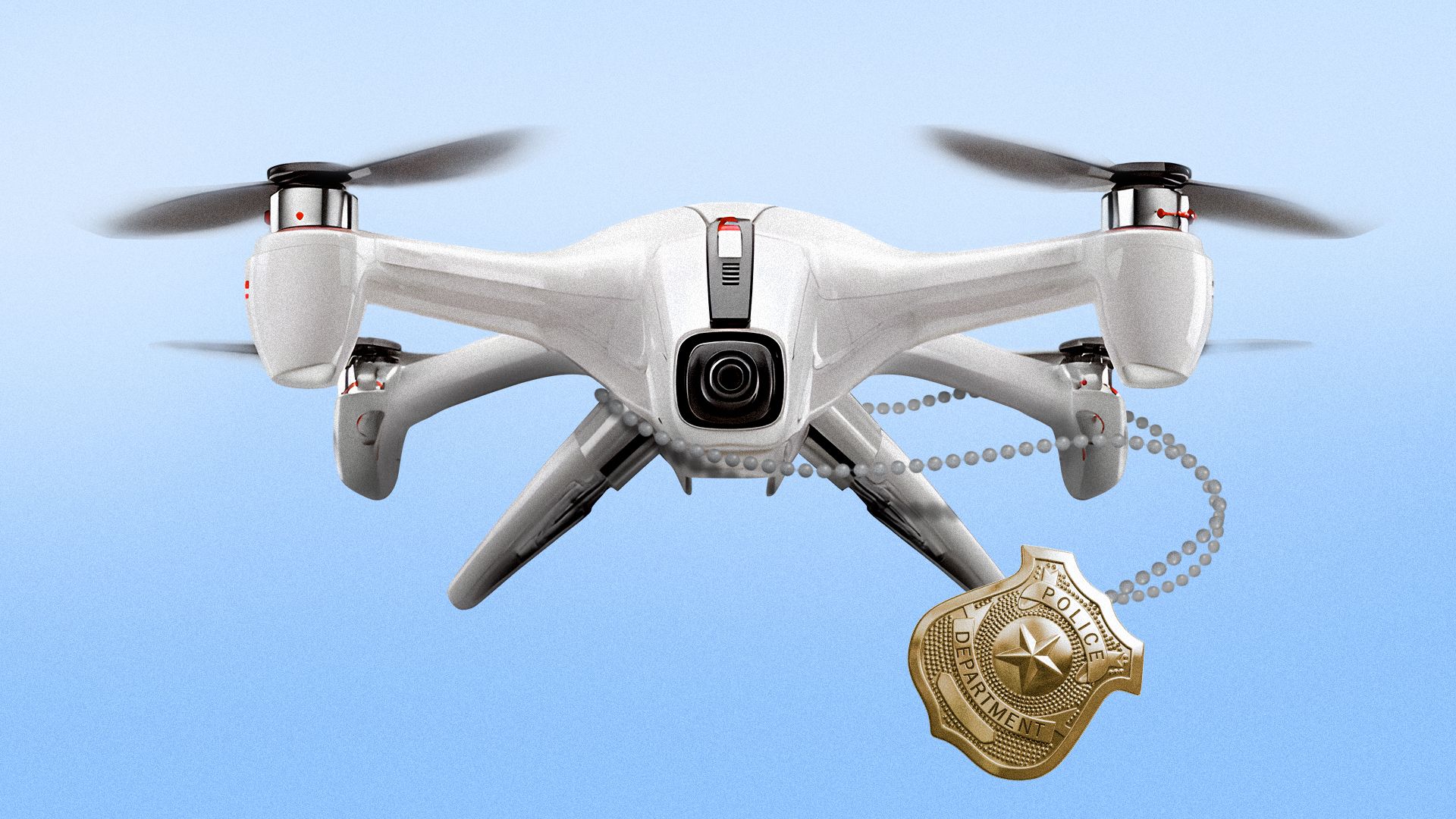
Police and sheriff's departments across America are using AI-powered drones for pursuits, investigations and emergencies — even delivering Narcan to stop overdose deaths.
Why it matters: Local law enforcement agencies are facing chronic staffing shortages amid pressures to reduce violent crime. AI-powered drones can do some police work — but using them raises new questions about surveillance and privacy.
For years, patients have had to navigate a maze of conflicting mammogram advice. Now, artificial intelligence could help cut through the noise — by tailoring breast cancer screening schedules to individual risk.
Why it matters: AI is beginning to bridge the gap between one-size-fits-all screening guidelines and personalized medicine. By analyzing thousands of mammograms and patient outcomes, new tools can help doctors better identify who's at highest risk — and when they should be screened.