OpenAI's Sora app lets friends swap AI video cameos

Add Axios as your preferred source to
see more of our stories on Google.
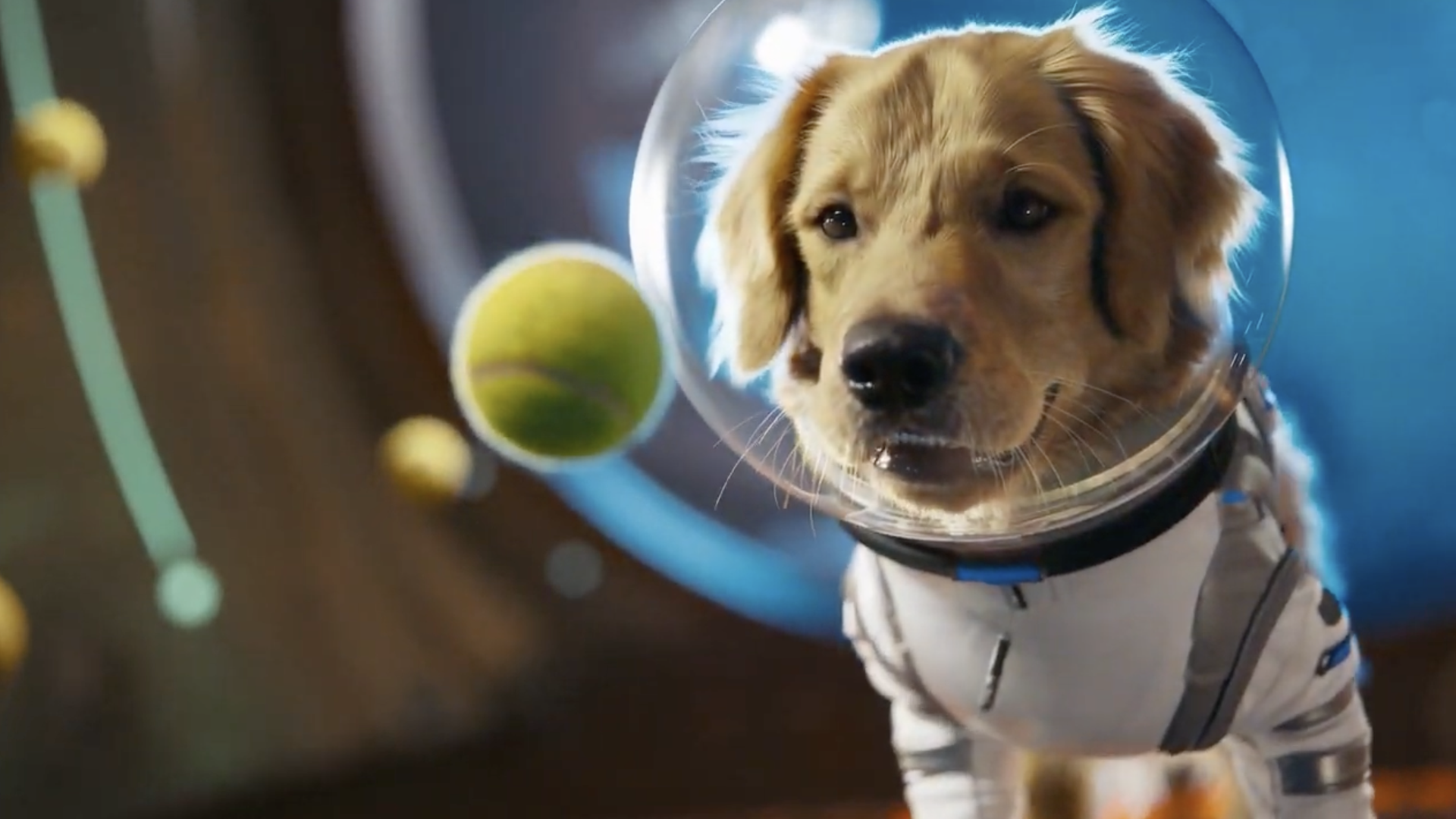
Screenshot from an AI-generated video provided by OpenAI
OpenAI released a new Sora app Tuesday that lets people create and share AI-generated video clips featuring themselves and their friends.
Why it matters: The move is OpenAI's biggest foray yet to turn its AI tools into a social experience and follows similar moves by Meta.
Driving the news: The Sora app on iOS requires an invitation. An Android version will follow eventually, OpenAI told Axios.
- The social app is powered by Sora 2, a new version of OpenAI's video model, which also launched Tuesday.
- Sora 2 adds support for synchronized audio and video, including dialogue. OpenAI says Sora 2 is significantly better at simulating real-world physics, among other improvements.
- "The original Sora model from February 2024 was in many ways the GPT-1 moment for video," OpenAI said in a blog post. "With Sora 2, we are jumping straight to what we think may be the GPT-3.5 moment for video."
How it works: The Sora app creates shareable 10-second video clips based on prompts or photos (as long as the photos don't have people in them).
- Sora users can include themselves in the video using a "cameo" feature that requires people to follow a series of instructions to authenticate themselves (an approach designed to avoid impersonation).
- They can also choose to allow their likeness to be used by friends in their videos. When someone's own "cameo" is used, they are notified and have the ability to approve the usage or delete the video.
- Videos can be shared publicly or just with friends via a group message. Others can choose to "remix" creations by adding tweaks to the prompt or their own cameo to the video.
The intrigue: OpenAI says it will prioritize access to those who were heavy users of the original Sora model and Pro subscribers, followed by Plus and Team plan users and eventually all users, including those using ChatGPT for free.
- Everyone who is invited to download the app will be given codes to give to friends.
Between the lines: OpenAI gives people tight control over their own identity but takes a hands-off approach to copyright, leaving it to rights holders to ask for removal.
- It's similar to the approach OpenAI has taken with ChatGPT's image generation feature, which is capable of recreating a wide range of fictional universes, such as Star Wars or The Simpsons.
- OpenAI has also taken steps to ensure Sora's creations are labeled as AI created, including both digital content credentials and visible watermarking when videos are downloaded.
The big picture: The move reflects a broader push to make AI a more social experience.
- Meta last week announced Vibes, its own social app for sharing AI videos.
- Speaking to reporters ahead of the launch, the Sora team said the app is built to spark creativity over passive consumption, framing it as a tool for real-world friends.
- The company also outlined a list of controls available for parents, including deciding whether or not teens have access to direct messages and whether their feed should be interrupted after extended scrolling.
- OpenAI detailed a separate set of parental controls for ChatGPT on Monday.
What to watch: While Meta — and now OpenAI — are betting that people want to spend time making and sharing AI creations, it's not clear yet that they will.
