Investors will be seeking signs Wednesday of how President Trump's trade war is affecting Nvidia when the AI chip giant reports earnings in the afternoon.
Why it matters: With U.S. export restrictions for AI chips tightening, Nvidia finds itself in a revenue pickle — trying to maintain as much business as possible in China while appeasing the American government.
AI chatbots have made scam emails harder to spot and the tells we've all been trained to look for — clunky grammar, weird phrasing — utterly useless.
Why it matters: Scammers are raking in more than ever from basic email and impersonation schemes. Last year, the FBI estimates, they made off with a whopping $16.6 billion.
International law enforcement and federal prosecutors unveiled at least four major takedowns of malware strains or key cybercrime arrests that happened just last week.
Why it matters: Arrest and criminal takedowns are rare — four major ones in a week is practically unheard of.
The big picture: Law enforcement takedowns make it harder for cybercriminals to use a particular malware strain in their attacks.
Arrests are hard to accomplish since many cybercriminals live in countries that don't have extradition treaties with the United States.
Zoom in: One week ago, a 19-year-old hacker pleaded guilty to hacking PowerSchool, the education technology company whose data breach last year is considered the largest involving American children's sensitive data.
🤖 DOGE is expanding its use of Grok AI, the generative AI chatbot that Elon Musk has deployed onto X, across the U.S. federal government to analyze data. (Reuters)
👀 The White House canceled a meeting with Israeli spyware vendor NSO Group last week after it learned that the vendor was trying to get off of a trade blacklist. (Washington Post)
🚫 The FBI has closed an internal watchdog office that was designed to help reduce the risk of misuses of various surveillance programs. (New York Times)
@ Industry
💰 U.K. department store chain Marks & Spencer said it will lose $400 million in operating profits due to last month's cyberattack. (Cybersecurity Dive)
Meta is restructuring its AI teams to speed up the rollout of new products and features, Axios has learned.
Why it matters: Meta faces stiff competition in the AI race, including from OpenAI and Google as well as Chinese rivals such as TikTok parent ByteDance.
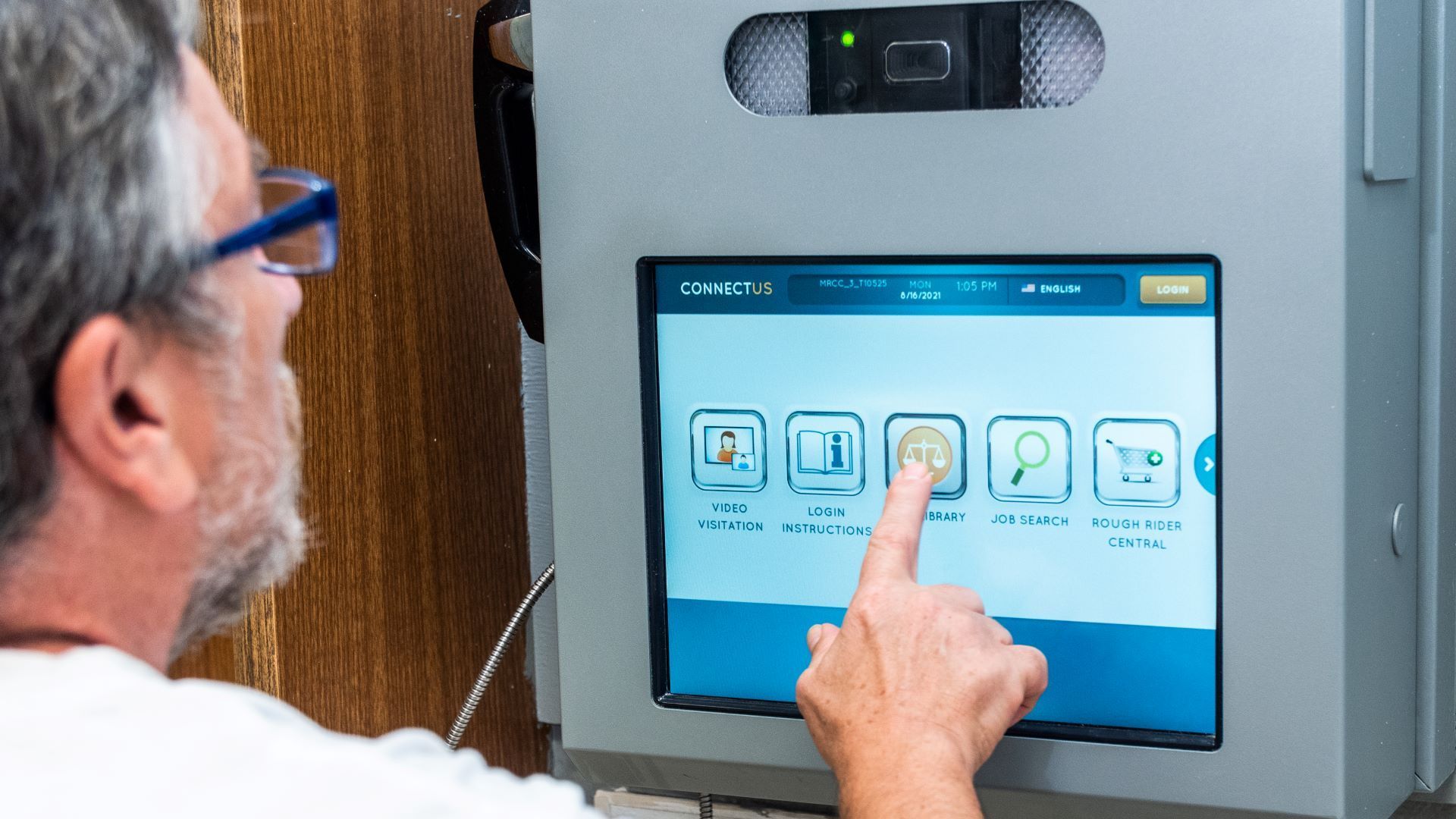
Empowering corrections facilities with technology solutions is essential to enhancing safety, optimizing operations, and strengthening rehabilitation for better reentry outcomes.
The combination of staff shortages and a 1.8 million prison population strains safety and security in U.S. correctional facilities
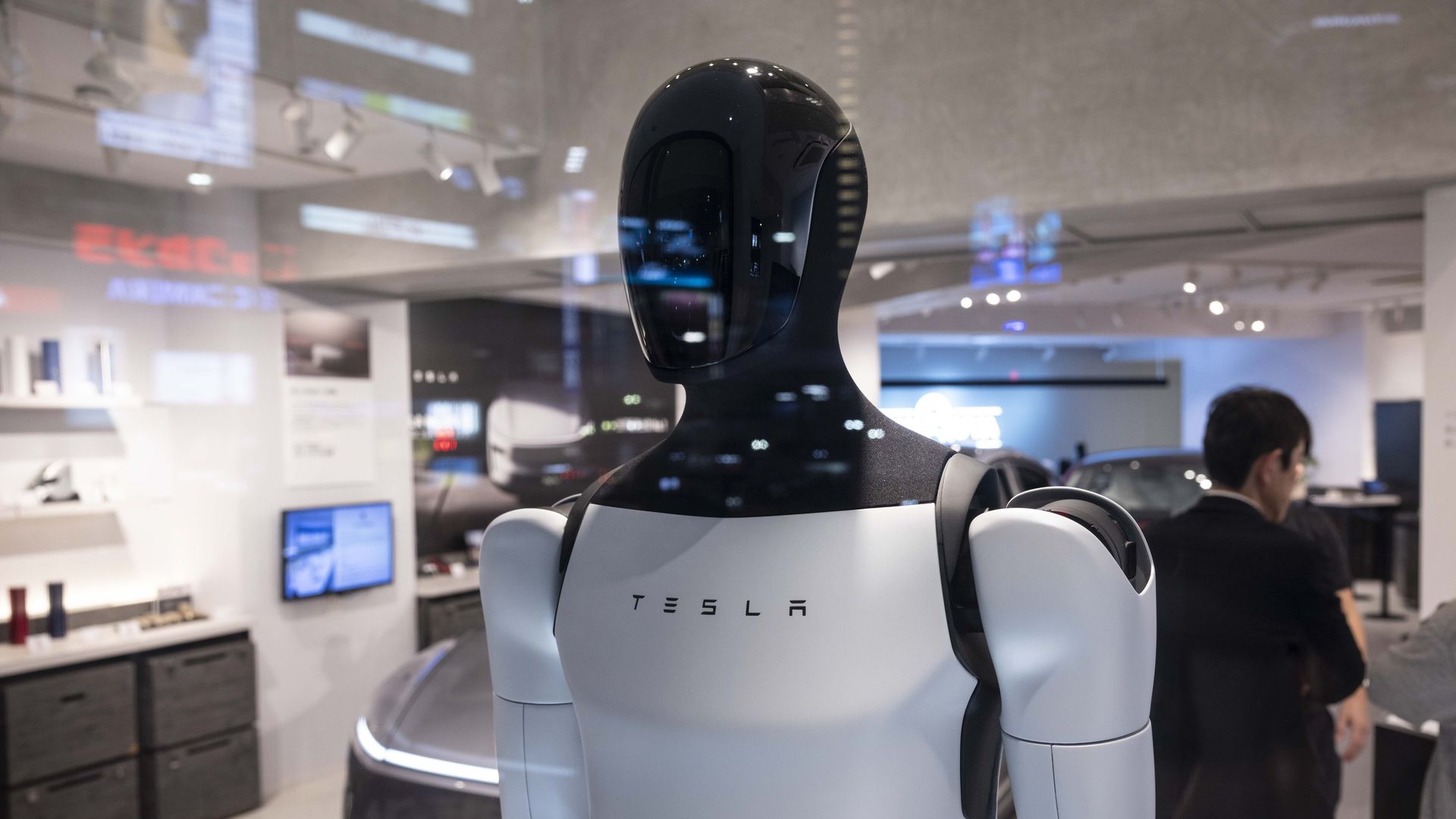
Advanced robots don't necessarily need to look like C3PO from "Star Wars" or George Jetson's maid Rosie, despite all the hype over humanoids from Wall Street and Big Tech.
In fact, some of the biggest skeptics about human-shaped robots come from within the robotics industry itself.
Why it matters: Robots are meant to take over dirty, dangerous and dull tasks — not to replace humans, who are still the most sophisticated machines of all.
While the tech industry floors the pedal on AI, the U.S. public would be happy to hit the brakes.
Stunning stat: More than three-quarters of Americans (77%) want companies to create AI slowly and get it right the first time, even if that delays breakthroughs, the 2025 Axios Harris 100 poll found.
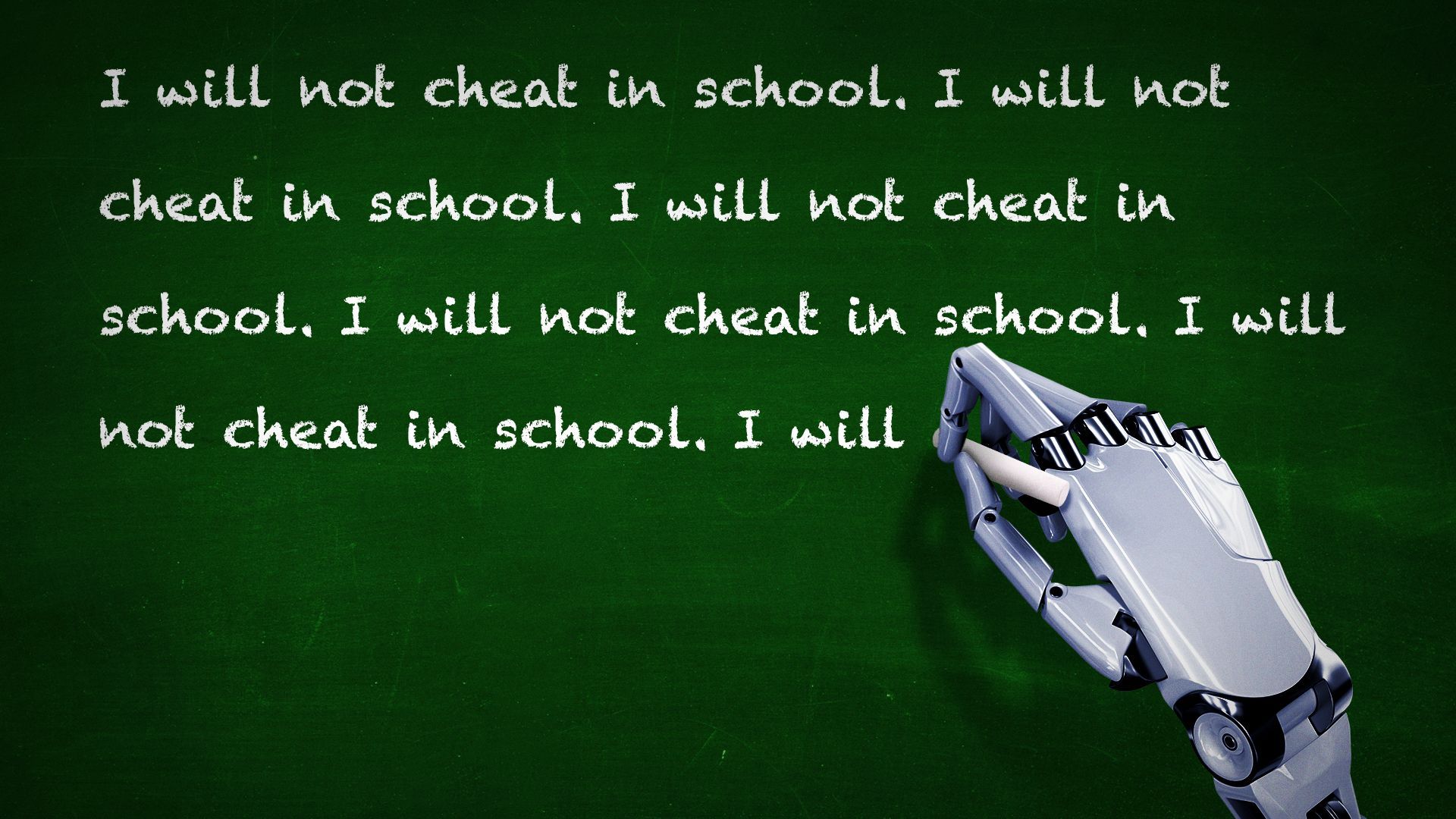
High schools and colleges are stuck in limbo: Use of generative AI to cut corners and cheat is rampant, but there’s no clear consensus on how to fight back.
Why it matters: AI is here to stay, forcing educators to adapt.
Travelers are using social media platforms like TikTok and Instagram to plan their trips, ditching the traditional travel agent.
The big picture: The travel agent industry expects to experience slow demand this year as travelers are booking independently with the help of online platforms, including social media.