OpenAI announced on Wednesday it has completed its long-anticipated funding round, raising $6.6 billion in the largest venture capital deal of all time, which values the company at $157 billion.
The intrigue: OpenAI is planning to shift to a for-profit structure and investors can ask for their money back if it hasn't completed those changes in two years, Axios has learned.
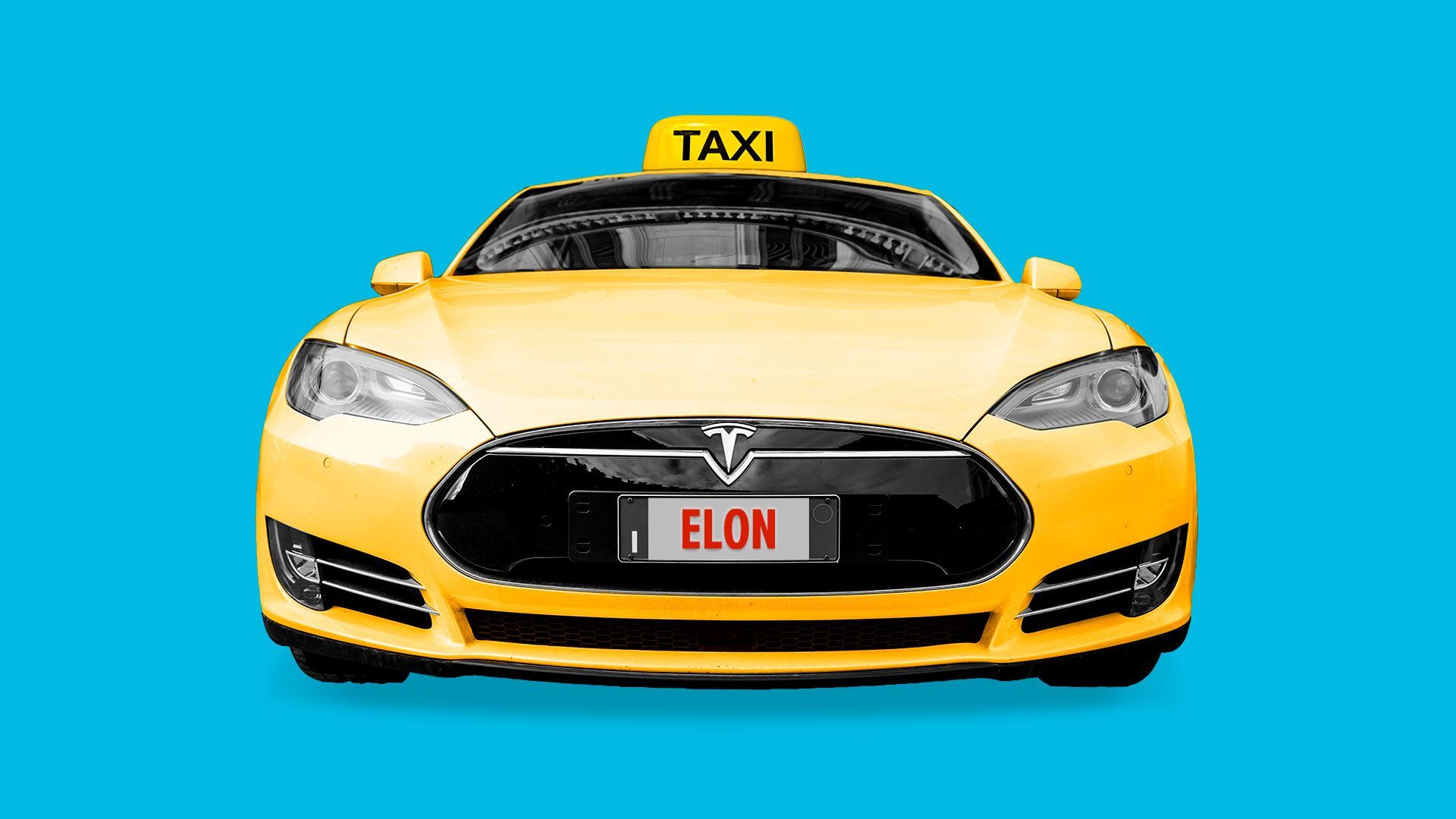
Tesla CEO Elon Musk has been promising self-driving taxis for years. Skeptics and true believers will find out soon whether he can deliver.
Why it matters: With new competitors eating into Tesla's electric vehicle market share, Musk is now betting the company on artificial intelligence, including robotaxis.
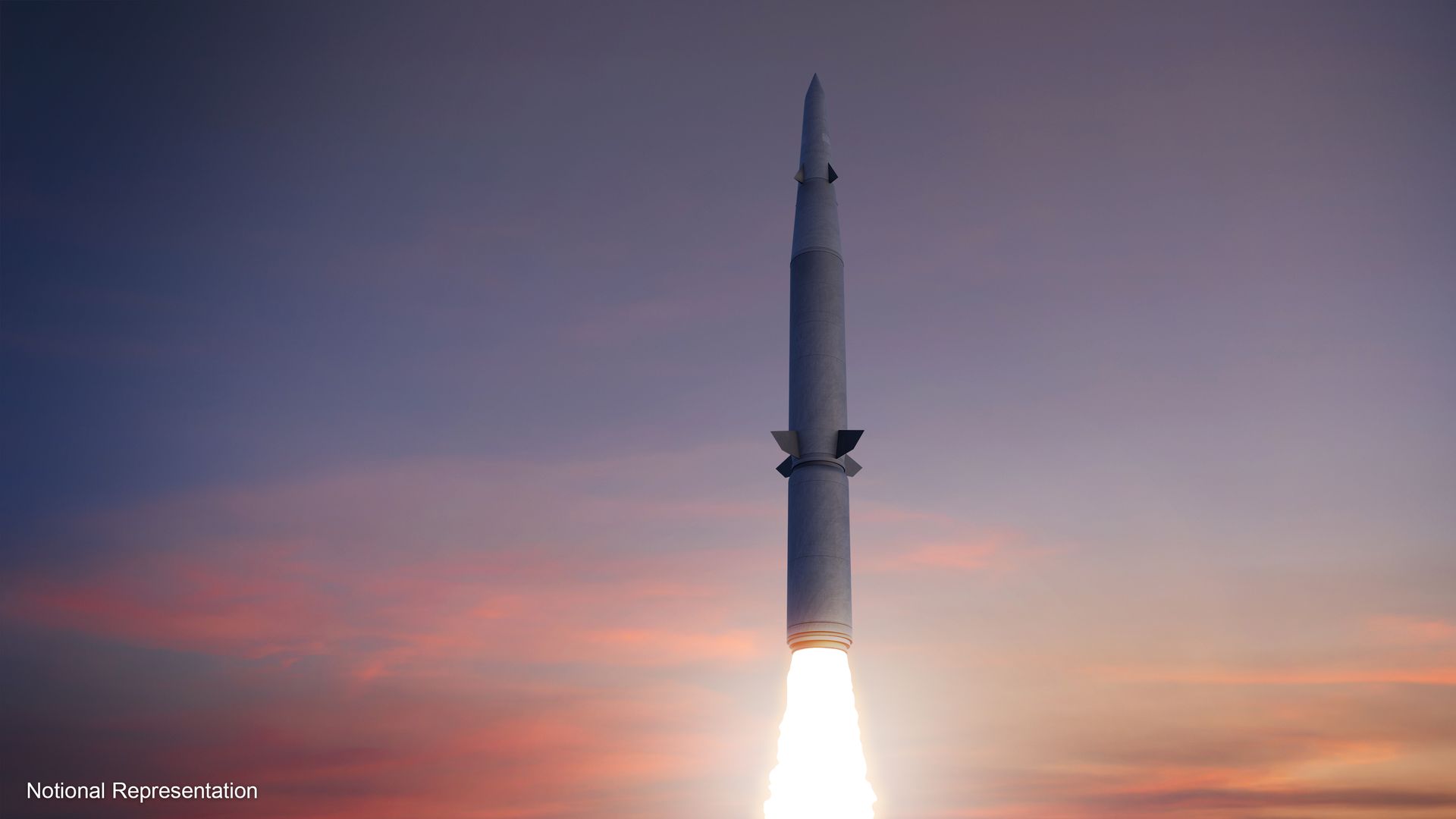
The U.S. and Japan are moving forwardwith hypersonic missile defense, selecting Northrop Grumman to further develop the Glide Phase Interceptor, meant to knock down attacks as they skirt through Earth's atmosphere.
Why it matters: Hypersonic weapons are widely feared for their speed — at least Mach 5, traveling miles in seconds — and maneuverability.
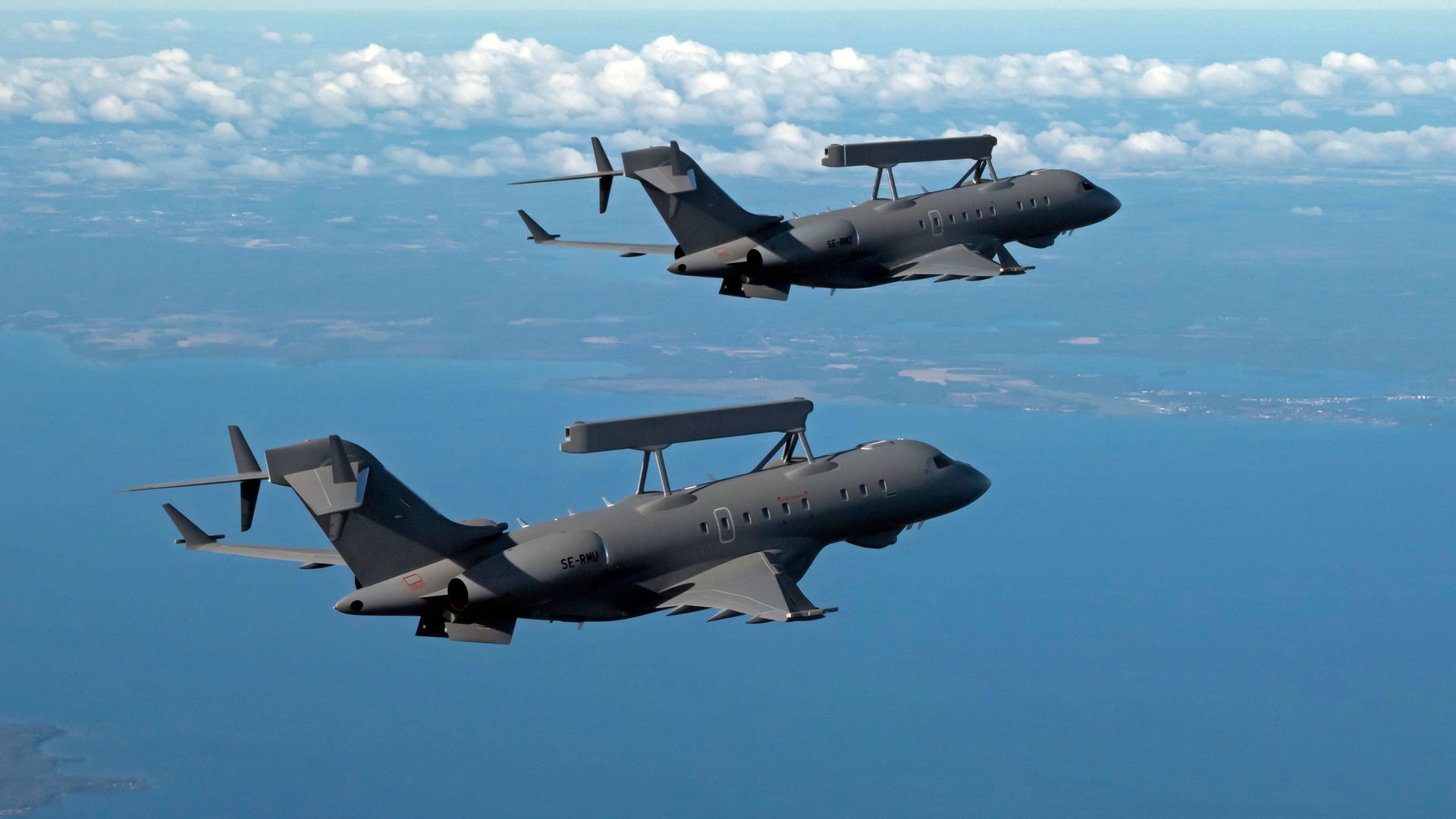
What do militaries and the rich and famous have in common? A taste for business jets.
Aircraft once the domain of world-touring rockstars are now being converted into spy planes of the future, outfitted with sensors that discern electronic signals, troop movements and more.
Why it matters: Just like Ukrainians building drones from parts found online, more buyers are turning to everyday outlets to beat supply-chain woes and red tape.
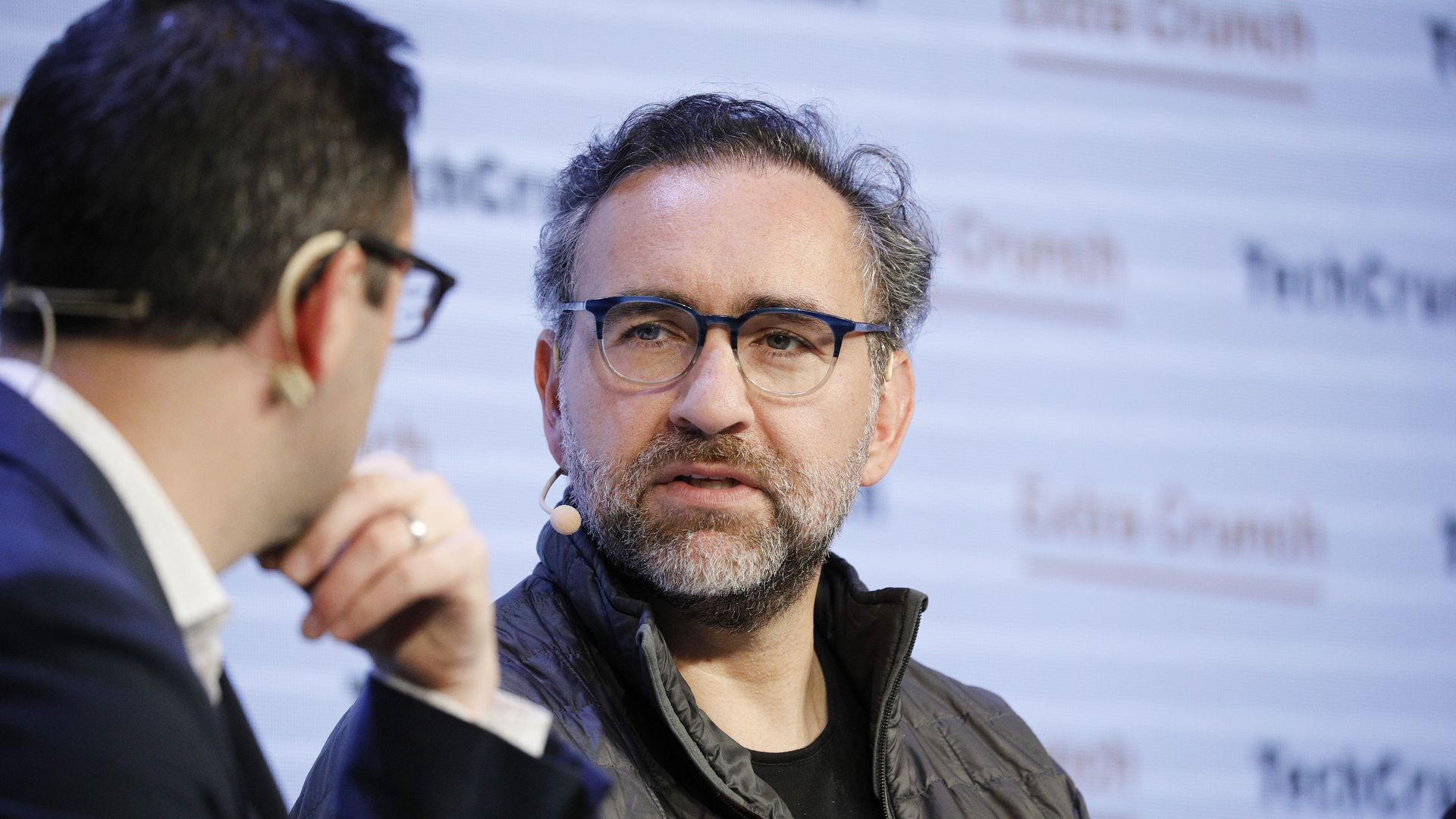
OpenAI's developer release on Tuesday of a powerful new speech technology highlights the rapidly changing dynamics within the ChatGPT creator — a shift that some say is putting the release of products above safety concerns.
The big picture: OpenAI is in the midst of a transformation from a nonprofit lab to an increasingly product-focused company seeking to attract and please investors.





/2024/10/02/1727885243433.gif?w=3840)