An AI security startup is launching a tool today designed to keep hackers out of increasingly popular open source AI models.
Why it matters: Hackers have gotten better at hiding malware inside the open source, foundational AI models available on platforms like Hugging Face — leaving companies that lack the resources to build their own proprietary models vulnerable to cyberattacks.
Spotify will unveil a newly designed iPhone app in March that takes advantage of options that weren't possible before the EU's Digital Markets Act takes effect around then, per a preview shared with Axios.
Driving the news: Thanks to the EU's major tech competition law, Spotify will soon be able to advertise promotions and enable purchases for products like audiobooks in the app without having to go through Apple, and without paying Apple a 30% commission.
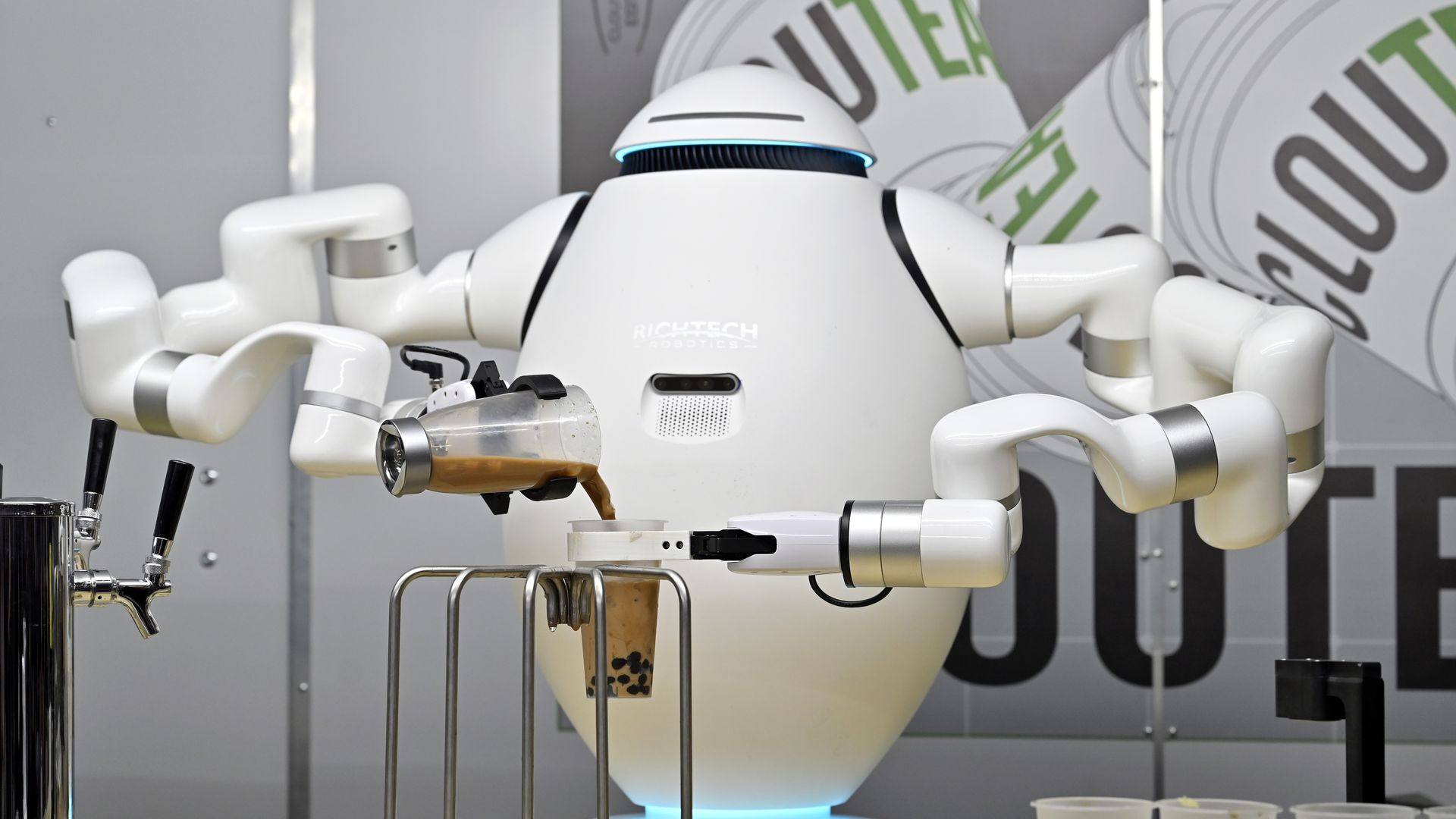
He can make 65-70 drinks an hour, never needs a bathroom break and doesn't ask for a tip — and soon, he'll be able to make conversation and take your order.
Adam the robotic bartender is an example of a new breed of restaurant robots that are moving from novelty items to hospitality mainstays.
There's no such thing as an AI system without values — and that means this newest technology platform must navigate partisan rifts, culture-war chasms and international tensions from the very beginning.
Why it matters: Every step in training, tuning and deploying AI models forces its creators to make choices about whose values the system will respect, whose point of view it will present and what limits it will observe.
The end of ransomware gangs' reliance on critical security flaws could be near, according to a new report shared exclusively with Axios.
Why it matters: Ransomware hackers have had to turn to so-called zero-day vulnerabilities to help launch their attacks, in part because of the success of law enforcement in the last year.
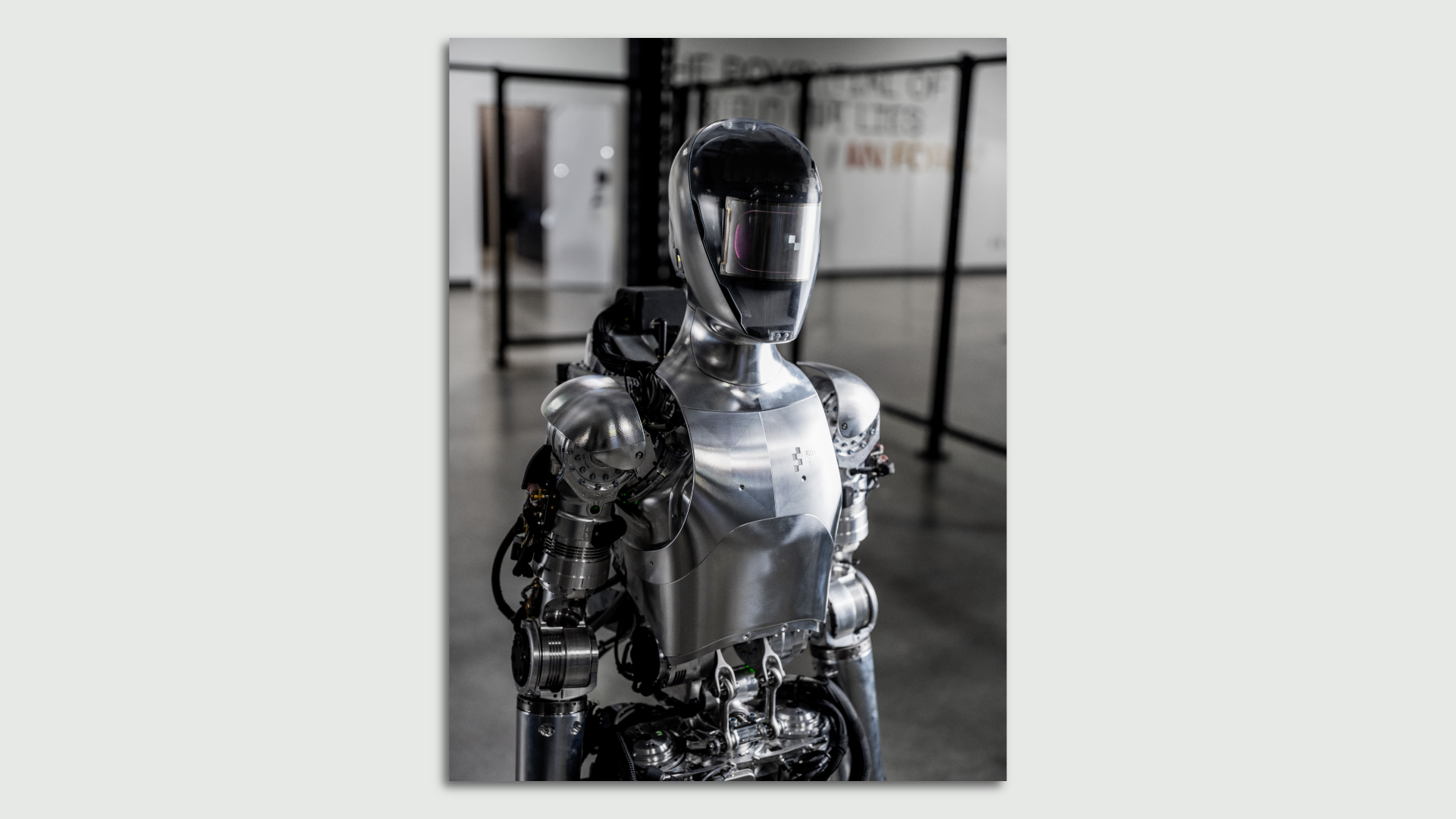
BMW's newest autoworker is 5'6," 130 pounds, walks on two legs, uses five-fingered hands to assemble machines — and takes a break every five hours to stroll to a charging station and plug itself in.
Under a first-of-its-kind deal, humanoid robots from a California company called Figure will begin working in BMW manufacturing plants, starting in Spartanburg, South Carolina.
AI infrastructure is in high demand and short supply, and that's pushing tech giants and chipmakers into a shotgun alliance with governments both in the U.S. and around the world to try to boost output and free up chokepoints.
Why it matters: This new "AI industrial complex"is rushing to spend fortunes to avoid overdependence on Taiwan's dominant chip factories.