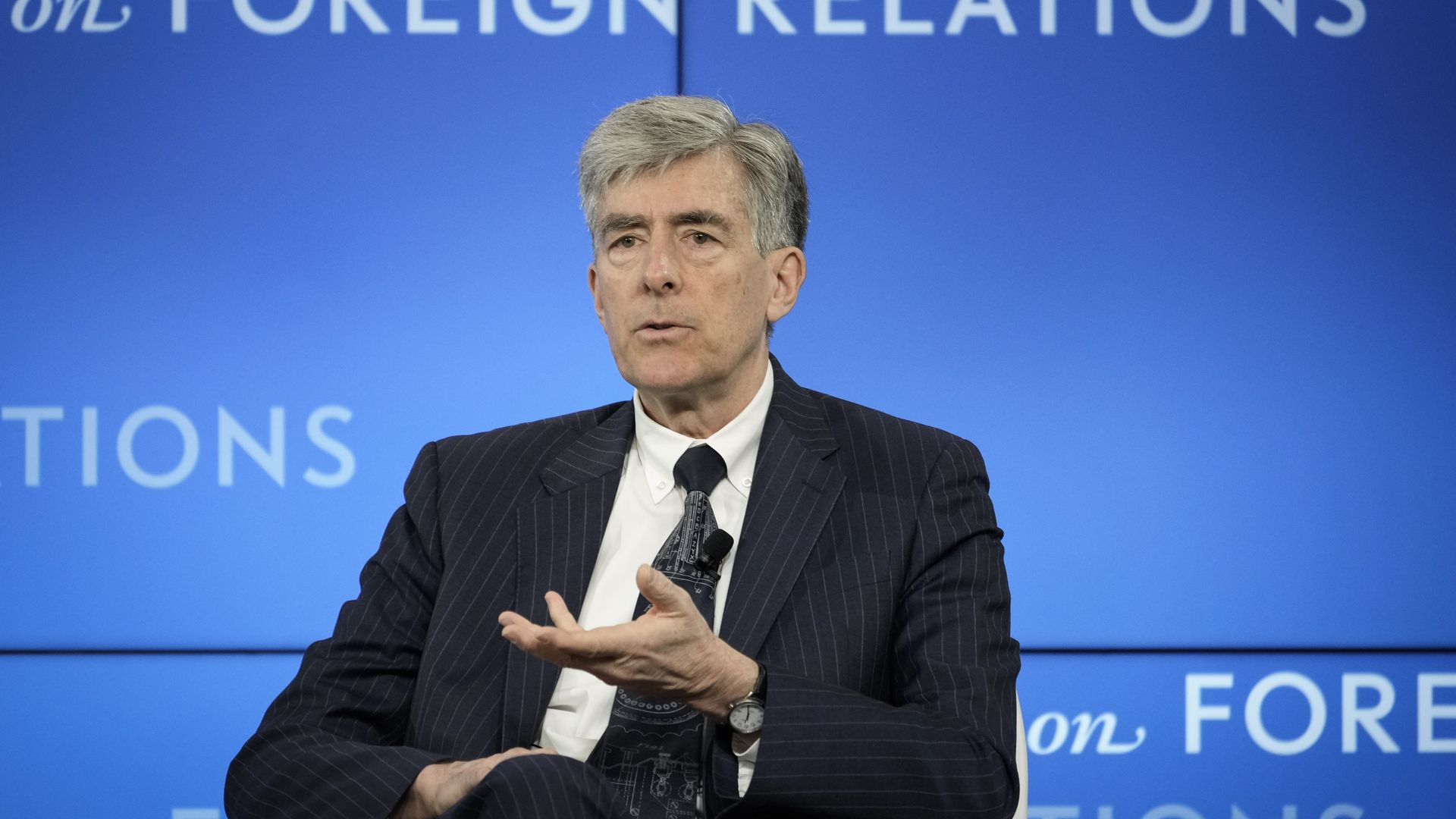
Chris Inglis, the first-ever national cyber director, is preparing to step down after spending the last 18 months standing up the new White House office, two sources familiar with the matter tell Axios.
Why it matters: The move, which could happen as early as next month and was first reported by CNN, would push the Office of the National Cyber Director (ONCD) into a new era after establishing a core team and solidifying its role in the nation's cyber defense strategy.
Spotify Wrapped, the music service's personalized year-in-review playlist, has grown so popular that all manner of consumer services are now trying a similar approach, from GrubHub to Nintendo to dating services.
Why it matters: Whether presented in aggregate, individually, or both, these year-end wrap-ups are a powerful way to present usage data back to users. The trick for the service provider is to offer fun and findings without creeping people out.
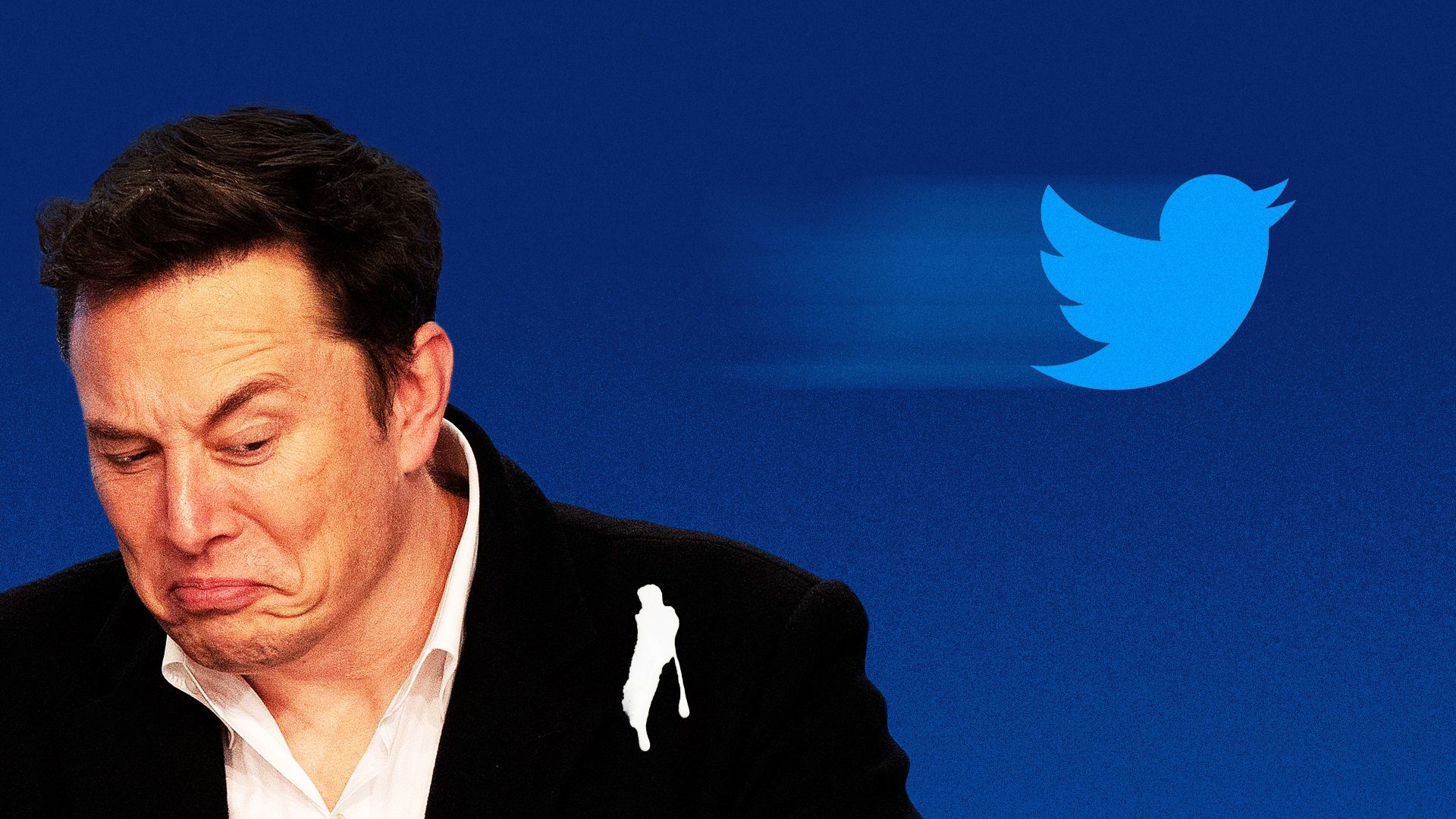
Elon Musk tweeted Tuesday evening that he would resign as Twitter's CEO "as soon as I find someone foolish enough to take the job."
Why it matters: Musk’s day-to-day involvement with Twitter has so far been chaotic and unpredictable, but it’s unclear if a new leader will be able to address the company’s business and morale problems under Musk’s ownership.
It's not just the government on Microsoft and Activision's case these days. A group of 10 gamers filed a private antitrust lawsuit in California Tuesday to attempt to stop Microsoft from buying Activision Blizzard.
Why it matters: While the case doesn't have close to the muscle of the Federal Trade Commission's recent lawsuit to block the merger, it's a sign of just how annoyed some players are with the planned deal.
Heading into 2023, cybersecurity companies are starting to see the first signs of the economic downturn hitting their businesses.
The big picture: More companies are starting to see their customers prioritize services like incident response over more costly, proactive IT investments like transitions to the cloud.
2022 is the year everyone remembered just how little hackers need to make big trouble for companies and governments.
The big picture: For years, executives and network defenders have braced as more sophisticated attacks, like the SolarWinds supply chain intrusions, made headlines. But in 2022, most high-profile attacks could be traced back to simple tactics like phishing emails or spoofed text messages.
A bevy of proposals to limit Big Tech firms' power gave up their last gasp Monday night as Congress released the text of its year-end spending bill.
Driving the news: The spending bill, known as the omnibus, was the final ticket out of the 117th Congress to the president's desk. But major tech-related bills, including two that supporters were fiercely pushing for, failed to make it in.
TikTok on Tuesday said it will soon start explaining to users why it is recommending a particular video to them.
What's happening: The new feature, which is expected to roll out in users' main "For You" feed in coming weeks, is part of a wider effort by TikTok to be more transparent about how its content-choosing algorithm works.
Elon Musk said Monday that future polls on Twitter's policies will be limited to paying Twitter Blue subscribers.
Why it matters: It was one of Musk's first tweets since Twitter users voted for him to step down as head of the company via a poll he initiated and pledged to follow.