Checks for comedy specials at Netflix are shrinking.
Why it matters: The streaming giant is in the midst of a transformation to make itself both leaner and more reliant on ad dollars when it eventually rolls out ad-supported options.
The streaming music industry is on the B-side of its maturity, Hope writes.
Driving the news: Apple, which “has prided itself on marketing its brand differently” than other mass consumer companies — including Budweiser and Coke — just signed a multiyear agreement to take Pepsi’s spot as sponsor of the Super Bowl halftime, according to NYT.
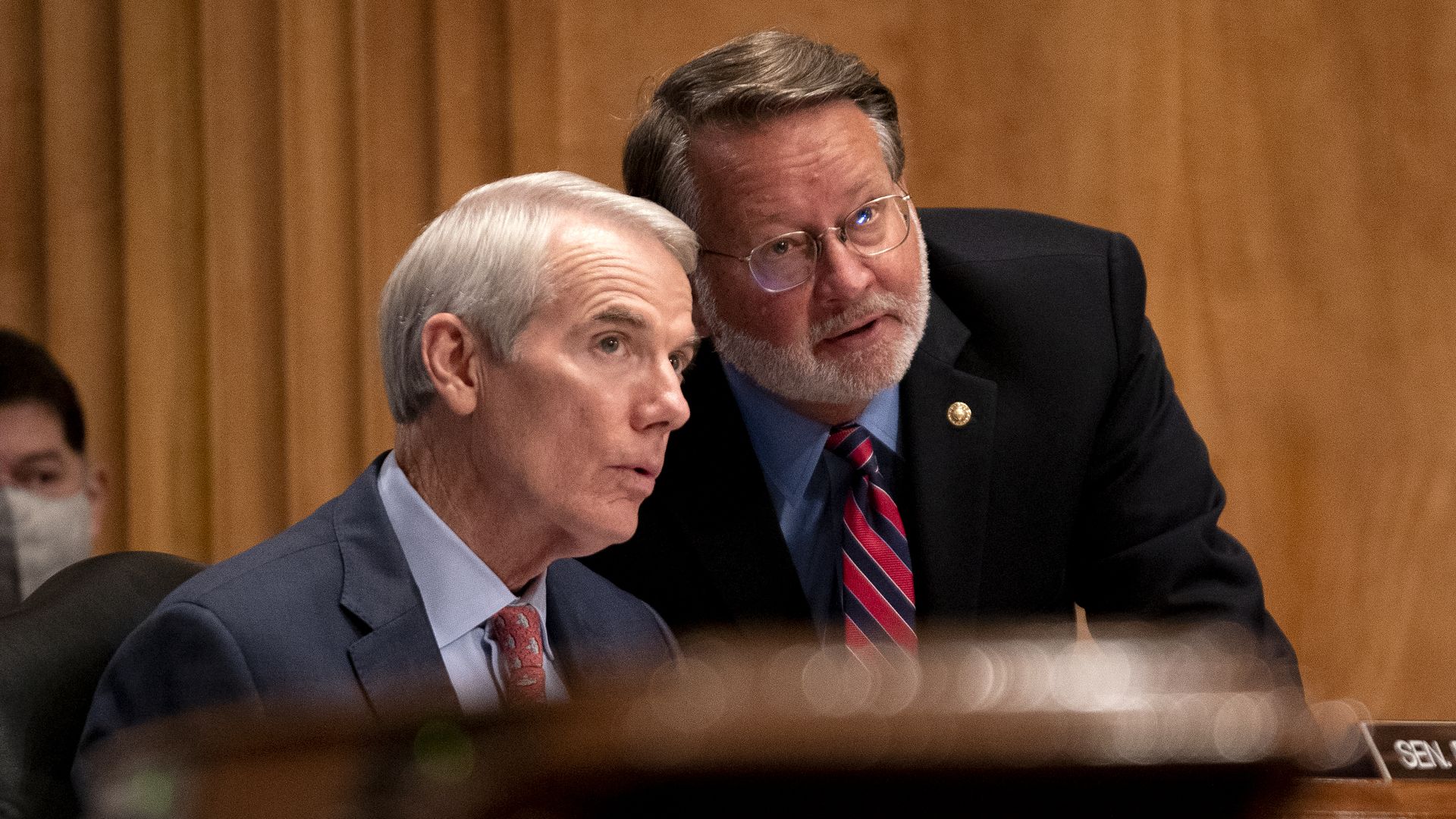
A pair of influential senators have devised a plan to beef up the federal government’s approach to securing open-source software, or tools that developers create for free public consumption.
Driving the news: Senate Homeland Security Committee leaders Gary Peters (D-Mich.) and Rob Portman (R-Ohio) introduced a bill Thursday requiring CISA to develop a risk framework laying out how the federal government relies on open-source code.
Six companies fromthe telecommunications, finance and energy sectors came together this week to host a cyberattack simulation to get a sense of what is — and isn't — working in their defense strategies.
The big picture: This week's event marked the first time companies across these three critical infrastructure sectors have hosted a live-action simulation together.
Cybercriminals' aggressive targeting of smartphones is weakening the crux of many organizations' security procedures: text-based, multifactor authentication (MFA).
The big picture: Experts have long warned that authentication protocols that rely only on sending a code to someone's phone to confirm their identity are easily manipulated.
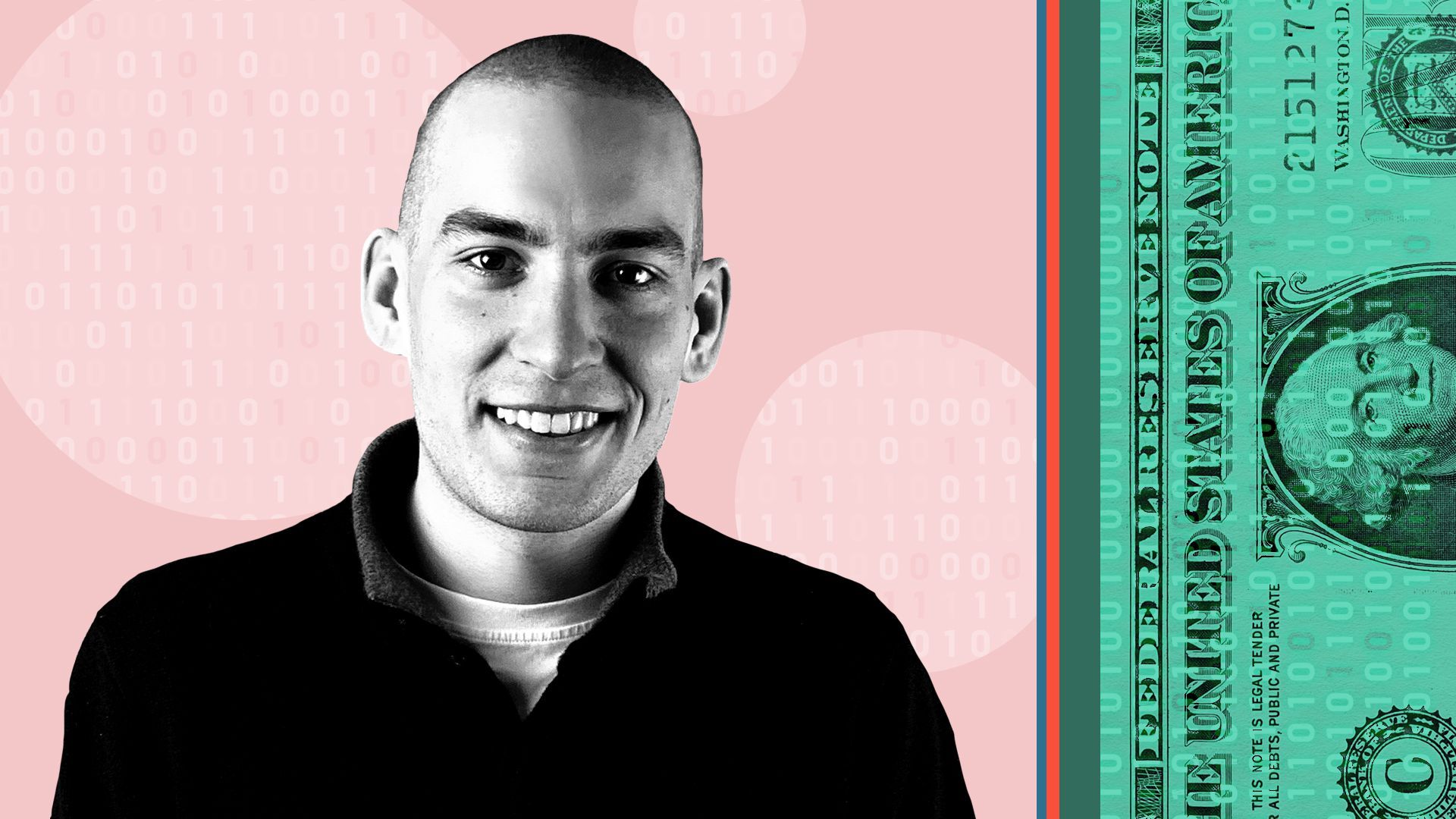
To Centrifuge CEO and cofounder Lucas Vogelsang, decentralized finance (DeFi) is "the future of the financial system" here, in the now — filling a niche that traditional finance has largely found not worth its time.
Why it matters: Centrifuge provides liquidity from real-world assets (RWA), specifically for those with little access to this type of financing from traditional banks.
Driving the news: Investors have sent Adobe's shares down roughly 20% since it announced the deal to buy the maker of a highly popular collaborative tool for designers.
NFT artists who can no longer count on a frothy crypto market to buoy sales aren't giving up, but they're having to lower their financial expectations and get more creative.
Why it matters: Artists have struggled to pay the bills since time eternal, and when NFT mania struck last year, many hoped the tech would provide a lasting solution.
Most of the Xbox games released in the past decade are at less risk of becoming unplayable in the future. That’s thanks to a change Microsoft has quietly made to how its current consoles handle users' rights to their games.
Why it matters: It’s a win for video game preservationists and anyone else who imagined running recent Xbox games in the far future without worrying about the status of any remote servers.
Bitcoin changed Udi Wertheimer's life, and then mocking its copycats turned him into a micro-celebrity. He had every reason to double down on that approach, but the latest crypto boom changed him — now his favorite folks to mock are all the people copying his old playbook.
Why it matters: In an era when it seems like every tribe that could behave tribally is doing so and nothing creates online celebrity faster than attacking tribal heretics, Wertheimer is one of a select group of bitcoin diehards who has done something very surprising: he's changed.
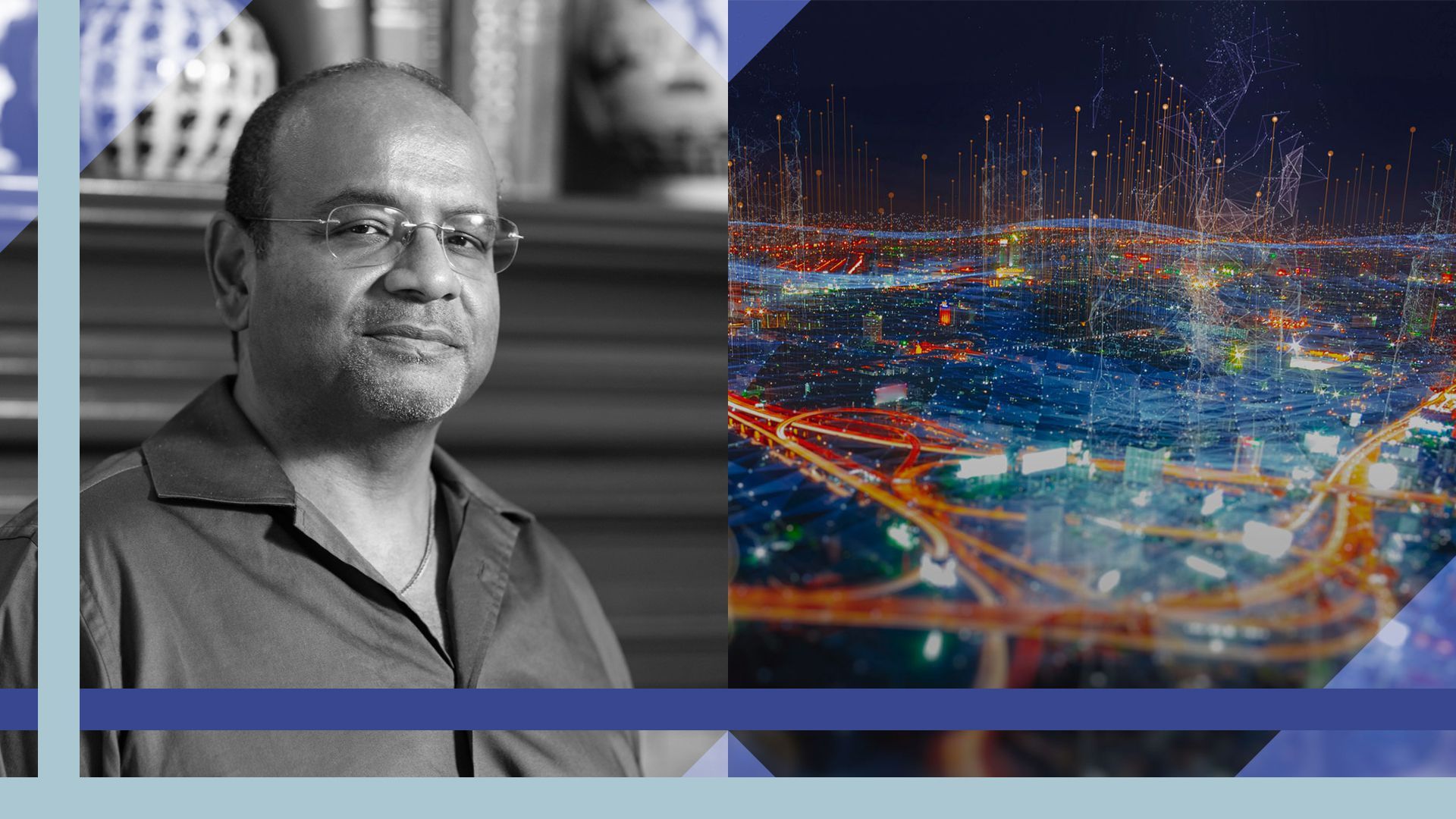
The CEO of Semtech doesn't mind that you have never heard of his chip company, but hopes the low-power wireless technology it is pushing will soon be on everyone's radar.
Why it matters: The technology, known as LoRa, has the potential to connect billions of devices without simultaneously inflicting further harm on the planet, Semtech CEO Mohan Maheswaran told Axios.
Infrastructure startup Skip, built to enable companies built in blockchain ecosystems to bid to move their transactions up in validators' queues, has raised $6.5 million from brand name crypto VCs.
Why it matters: Miner extractable value (MEV) arose as a theme in 2021. It was discovered as a way for traders to take advantage of blockchain transparency and steal others' savvy trades. Since then, it's developed into, at least in part, a way to improve the user experience of some aspects of using cryptocurrencies.