Two committees of the European Union Parliament today voted to move forward draft legislation to take all privacy out of cryptocurrency transactions.
Why it matters: The committees voted for rules that would ban transactions that state authorities can't readily tie to a person or an organization, striking a blow to the pro-privacy bent of so many crypto users.
Three NFT video game believers and one skeptic faced off at the Game Developers Conference last week, sharing conflicting takes on the future of the controversial gaming tech.
Why it matters: The abundance of NFT panels at GDC proved that there’s money and interest in the sector but little clarity about where it’s going.
The Entertainment Software Association has again canceled its formerly annual gaming midyear trade show E3, the group confirmed to Axios.
Why it matters: What had been a story in recent years of the pandemic’s impact on trade shows is giving way to signs of an organization struggling to maintain its former signature event.
Former Google CEO Eric Schmidt hit Capitol Hill this week to urge lawmakers to create a digital service academy that would train Americans in artificial intelligence and cybersecurity in exchange for government service.
Why it matters: The looming threat of cyberattacks from U.S. adversaries such as Russia underscores the need for tech-savvy employees through the federal workforce.
Sony PlayStation has laid offupward of 90 workers in its North American offices, as it eliminates numerous sales and marketing positions.
Driving the news: The previously unreported cuts took effect this week, according to one affected worker who spoke to Axios as well as documents related to the change viewed by Axios.
Google on Thursday said it's adding a new label to search results for news stories, interviews, announcements and press releases that are frequently cited by other media outlets in an effort to elevate original reporting.
Why it matters: Google's search algorithm is designed to prioritize pages that are the most relevant and useful for users based on their unique queries. Sometimes, the most relevant and useful pages aren't the source of original information, but they cite the pages that are. Google wants to help point users to those pages.
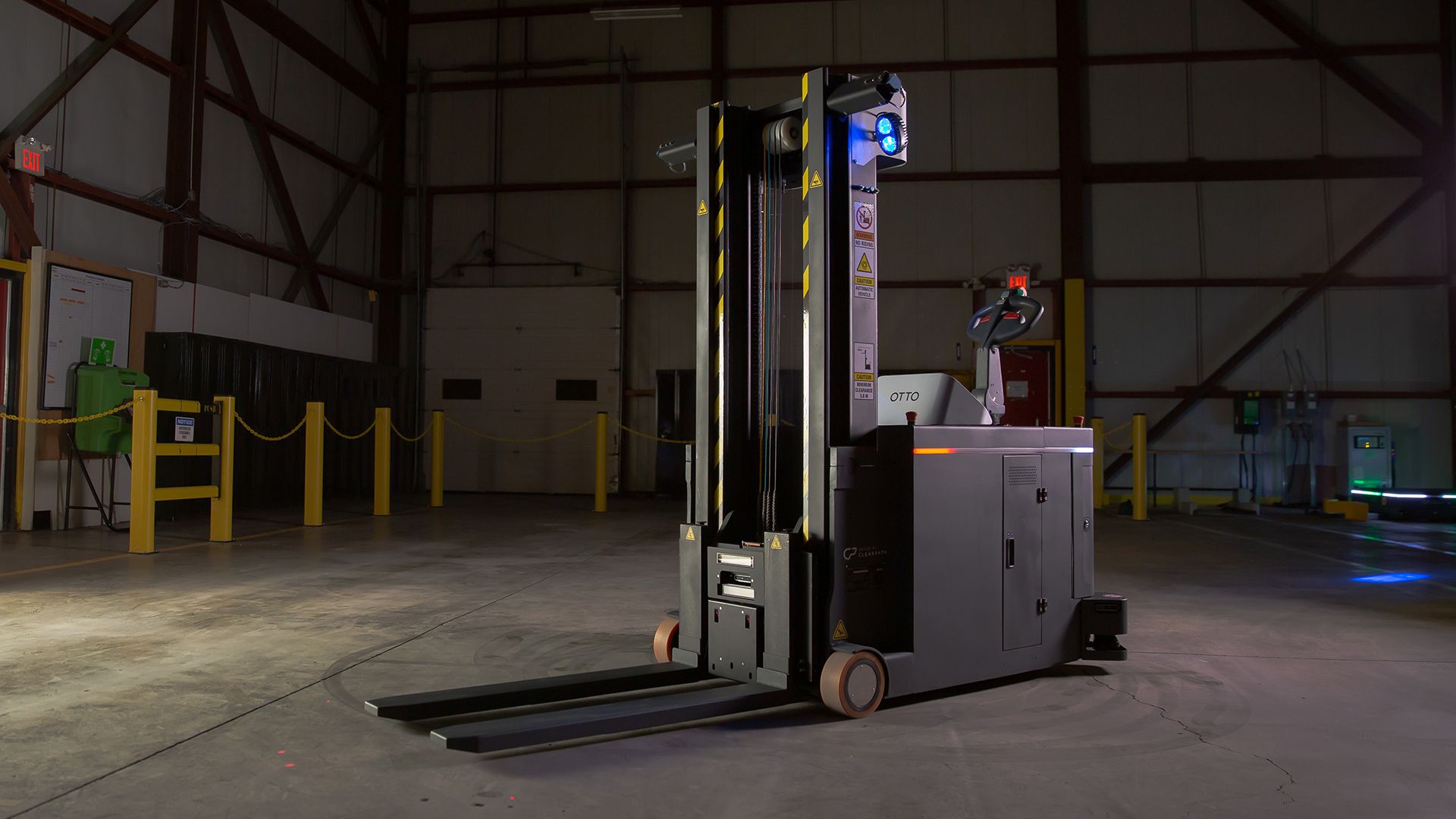
A self-driving forklift may be the next wave of warehouse and factory innovations, saving companies on labor and, ideally, making industrial settings safer for everyone.
Why it matters: Demand for logistics help is soaring, but forklift operators and other skilled workers are in short supply. Robotic vehicles are one way that manufacturers and logistics companies can address labor shortages while running their operations more safely and efficiently.
Red and blue states across the country are leaning on technologists to help automatically clear eligible criminal records as a way to expand the workforce.
Why it matters: Criminal records are a barrier for employment and housing, but clearing them can be a costly and time consuming process, and millions of eligible Americans don't even try.
Don't speed, swerve or ride illegally on a sidewalk in one of the new scooters from Superpedestrian — its "Pedestrian Defense" technology will forcibly slow you to a stop if you misbehave.
Why it matters: Safety concerns are holding cities back from deploying more e-scooters as alternatives to cars. Superpedestrian's new system could help snuff out dangerous moves by riders, potentially broadening e-scooter acceptance and making cities safer.