Three major Star Wars games in development at EA underscore how big Disney is going with video games — without committing to making any big games of its own.
The big picture: Despite Disney’s struggles to make its own hit games and its divestment of internal development studios, it's been able to create a new era by connecting the industry’s top teams with its globally popular franchises.
A video game that copied the title, gameplay concept and design of 2021 indie hit Unpacking is no longer listed on Apple and Google’s mobile app stores, an apparent delisting a day after it topped the iOS charts.
Why it matters: For all of the talk of content curation by app giants like Apple, game developers regularly see clones rocket to app store success.
U.S. companies using key chips are down to a five-day supply, according to a Commerce Department report out Tuesday stressing the fragility of the semiconductor supply chain.
Why it matters: The global chip shortage has stymied production of electronics, vehicles and other items.
Google Tuesday said it's changing its plan for replacing the cookies that help advertisers target users to a new system called Topics, in which advertisers will place ads via a limited number of topics determined by users' browser activity.
Why it matters: The new Topics proposal replaces Google's previously-announced plan called FLoC (Federated Learning of Cohorts), which was criticized by privacy advocates who worried the new ad-targeting solution would inadvertently make it easier for advertisers to gather user information.
Bitcoin has lost nearly half its value since its November peak, wiping away hundreds of billions — and any remaining suspicion that the cryptocurrency isn't correlated to risk assets like equities.
State of play: Bitcoin’s latest selloff parallels the recent stock market declines stemming from the Federal Reserve’s hawkish pivot (it even rode the same rollercoaster equities did Monday).
NewsGuard, a service that uses trained journalists to rate news and information sites, will become available to millions of public school students this week through a partnership with the American Federation of Teachers.
Why it matters: Kids increasingly turn to the internet when looking for homework help or doing research for school projects. But unlike books in a library or articles in a journal, online resources can be difficult to filter for quality and misinformation.
With many bellwether tech stocks down more than 10% since the year's start, the industry is once again debating whether it faces a "big one" — a financial earthquake that will end a two-decade run of spectacular growth.
The big picture: Whether January's downs prove a turning point or just a minor "correction," tech's giants know that, either way, they'll come out on top.
A fan-made first-person shooter version of Pokémon has met a predictable fate, with The Pokémon Company International getting videos and images of it removed due to copyright claims.
Why it matters: The Pokémon Company is tied to Nintendo to create its namesake series, a company with a quick trigger finger on sending any fan-made games or projects cease-and-desist notices.
Attorneys general in Washington, D.C., Texas, Indiana and Washington state are suing Google for allegedly deceiving consumers to obtain their location data.
Driving the news: The lawsuit alleges that Google uses "dark patterns, including repeated nudging, misleading pressure tactics, and evasive and deceptive descriptions of location features and settings, to cause users to provide more and more location data (inadvertently or out of frustration)."
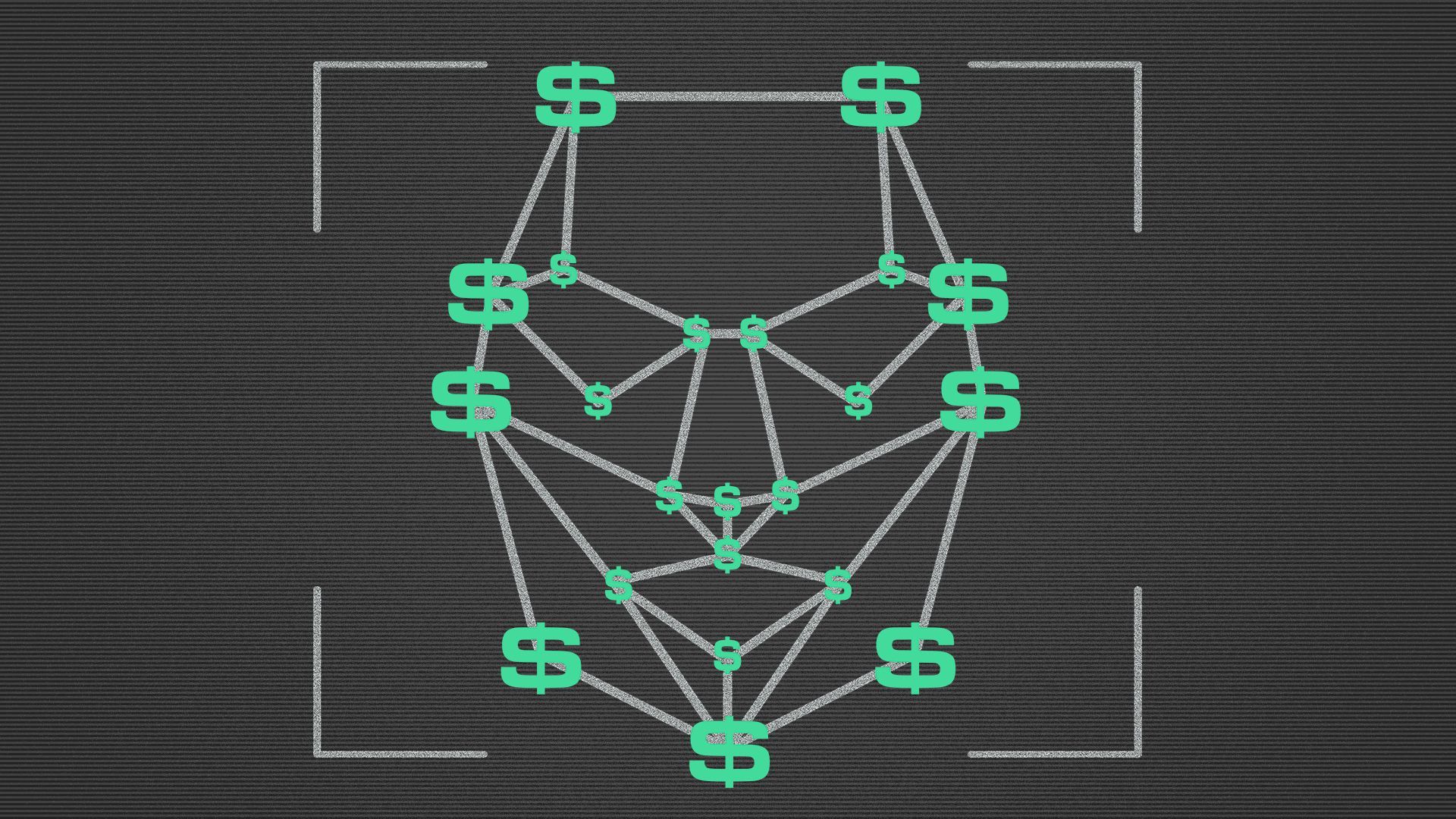
The IRS' move to require some taxpayers to use facial recognition to identify themselves is reigniting a debate over how the government should use such technology.
Why it matters: Critics warn that, without sufficient guardrails, information collected by one agency for a seemingly benign purpose could easily be re-used in other ways.
Analysts are forecasting a difficult year ahead for subscription streaming companies in response to a massive selloff of Netflix shares last week that was prompted by weak subscriber growth forecasts.
Why it matters: Wall Street has grown accustomed to equating paid subscriber growth at major media firms to market value, but Netflix's decline "calls into question the end-state economics of these businesses," wrote Michael Nathanson, a top media analyst, in a note to clients.