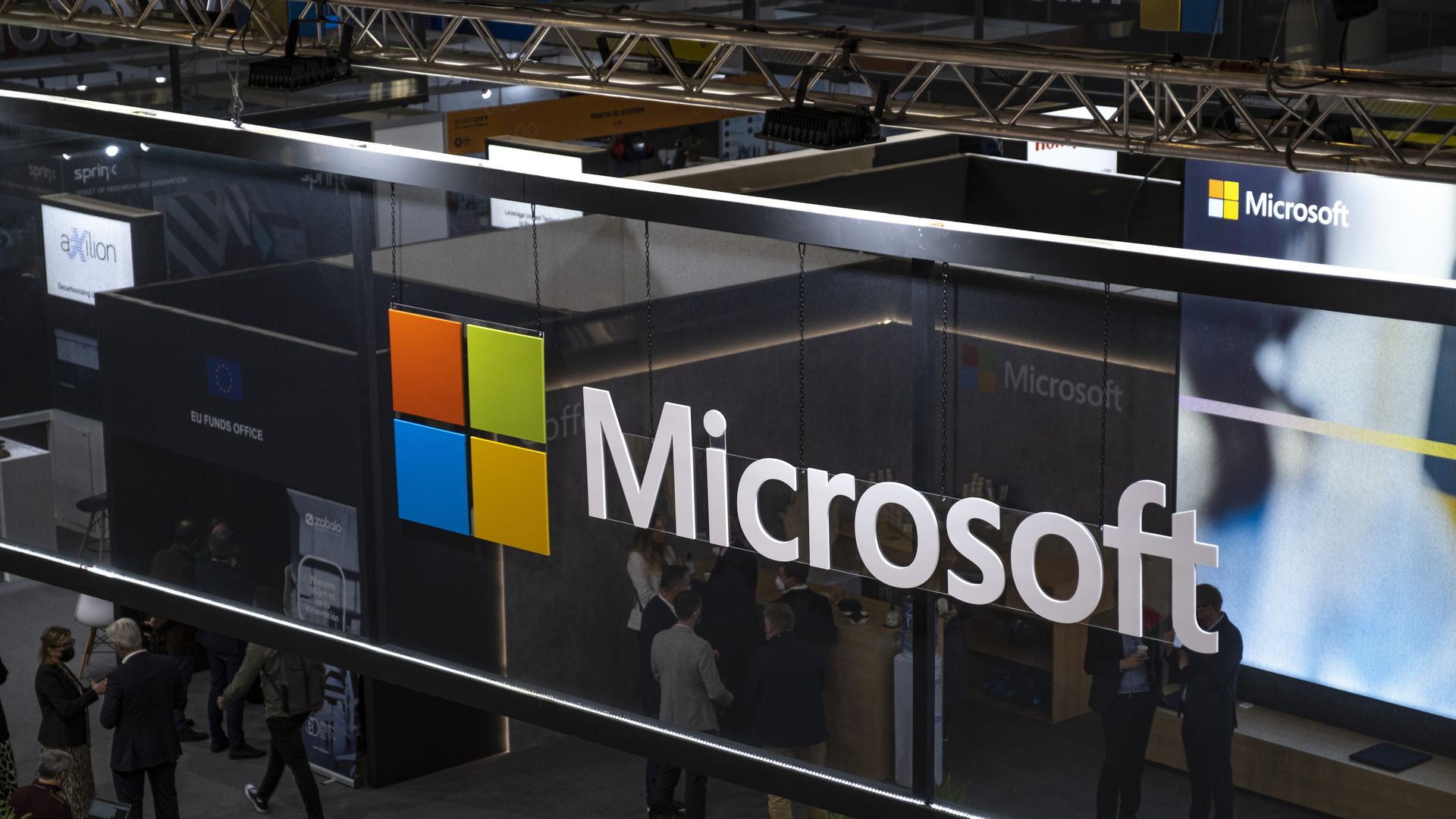
Microsoft announced Monday that it has seized a number of websites that were being used by a China-based hacking firm to carry out cyberattacks in 29 countries, including the U.S.
Why it matters: Microsoft said it believed the sites "were largely being used for intelligence gathering from government agencies, think tanks and human rights organizations."
Organizers say more than 60 workers at the Call of Duty: Warzone studio Raven Software, owned by Activision Blizzard, walked out today, demanding the reinstatement of a dozen workers from the testing department.
Why it matters: Walkouts, long a maneuver of organized labor, are becoming a tactic in the non-unionized U.S. video game sector.
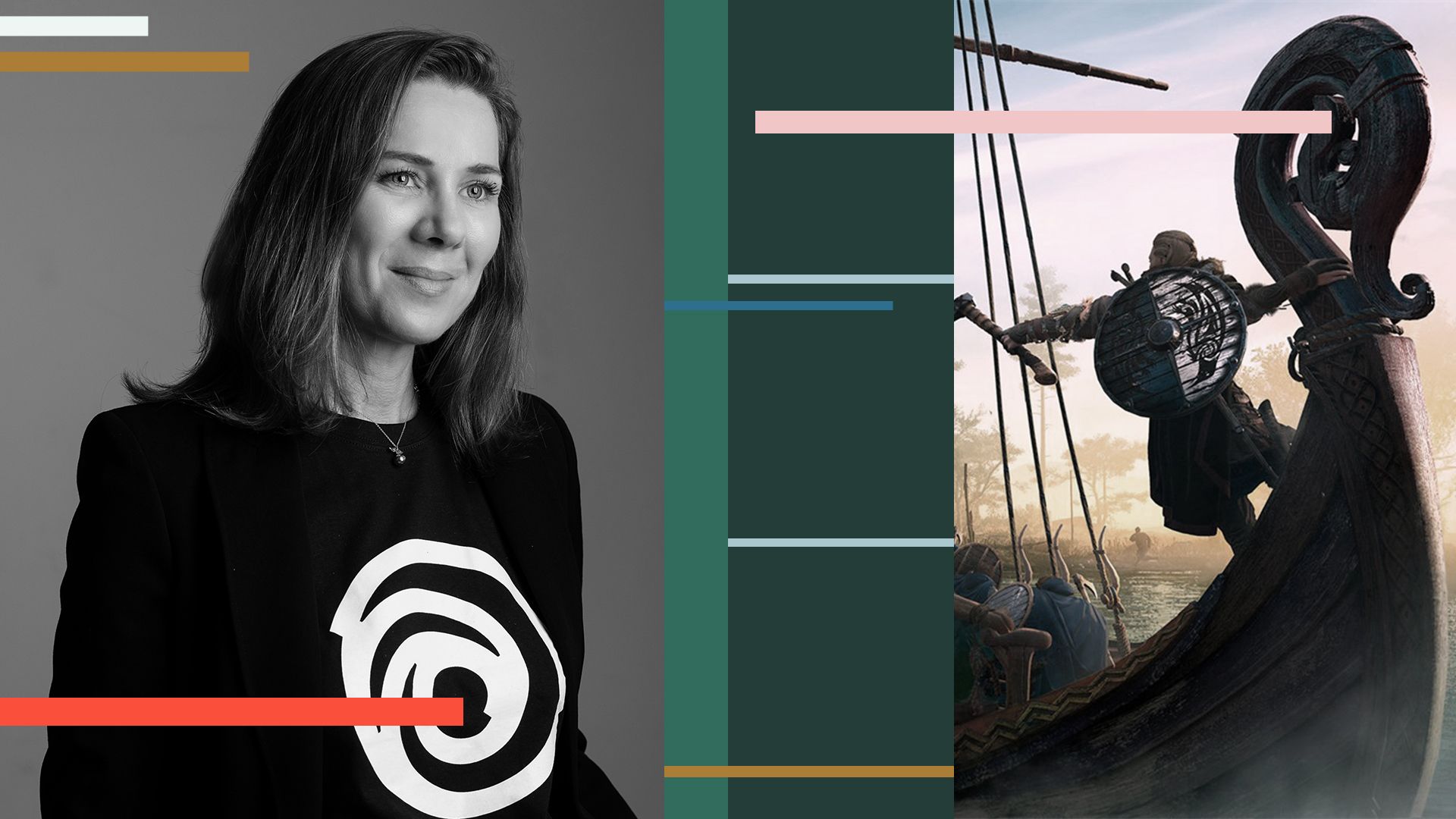
Ubisoft management is acknowledging that its initial response to an ongoing and wide-reaching workplace misconduct scandal was flawed, even as it argues that its corrective actions were largely swift and correct.
Why it matters: Those comments, in an exclusive interview with Axios, come amid recent pushback from workers that the publisher of Assassin’s Creed and Just Dance hasn’t sufficiently addressed a cascade of #MeToo allegations since mid-2020.
DoorDash is making a foray into the ultra-fast grocery delivery market with a small pilot in NYC's Chelsea neighborhood.
Why it matters: Delivering purchases within 10-15 minutes is the latest trend in grocery delivery, so it's no surprise that established companies like DoorDash are trying to keep up.
Autonomous vehicle companies are exploring the use of a common language — standardized light patterns or sounds — that would help driverless cars communicate their intentions to humans.
Why it matters: Autonomous vehicles will share the road with human-driven vehicles, pedestrians and cyclists for a long time. The development of a standard communications method could build trust and reduce traffic accidents.
Unlike today's drivers, AVs can't make eye contact with other road users or gesture to indicate it’s OK to cross the road.
People with limited vision now have access to technology designed to help them independently navigate public transportation more easily.
Why it matters: Knowing which bus just arrived or when a particular subway stop is approaching are privileges that sighted people take for granted. People with limited vision often have to rely on fellow passengers for help.
What's happening: WeWALK, the maker of a smart cane for those living with sight loss, has teamed up with Intel-owned Moovit, a trip planning app, to help sight-challenged people use public transit safely and confidently.
The big picture: There are more than 253 million visually impaired people worldwide, many of whom rely on a cane to get around.
WeWALK's smart cane, invented in 2019, warns users of obstacles like low-hanging tree branches, through ultrasonic sensors and a vibrating handle.
It also has a Bluetooth connection, built-in touchpad and voice assistance, so blind pedestrians can interact with their smartphone without removing it from their pocket.
What's new: WeWALK is now integrating its smart cane technology into Moovit's transit app, which combines official information from local transit agencies with crowdsourced data to recommend the best route.
That means blind passengers can navigate to the right bus stop more easily and get real-time information to know when their bus or train is arriving.
They can also get step-by-step accessible route guidance throughout their journey, including audio and text alerts when it is time to get off, and service alerts to re-route their journey in case of disruptions.
What they're saying: “While blind and partially sighted people have more independence than ever before, getting around via public transit can still be daunting and overwhelming," said Yovav Meydad, Moovit’s chief growth and marketing officer.
"Through our partnership, we aim to instill more reassurance in people by breaking down some of these mobility barriers, empowering them to access more opportunities available to them.”
Despite bipartisan support in the Senate, a plea by the Commerce Secretary and growing desperation from industry officials, Congress still can't get a key bill that funds the U.S. chip business over the finish line.
Why it matters: With the global chip shortage continuing to crimp the economy, the semiconductor industry has ramped up pressure for funding of U.S.-based manufacturing facilities as one remedy.
Why it matters: Her attorney Debra Katz said in a statement that she heard "the hypocrisy" of his on-air words about his brother, former New York Gov. Andrew Cuomo, and was "disgusted by his efforts to try to discredit these women," so "retained counsel to report his serious sexual misconduct against her to CNN."







/2021/12/05/1638728723166.gif?w=3840)