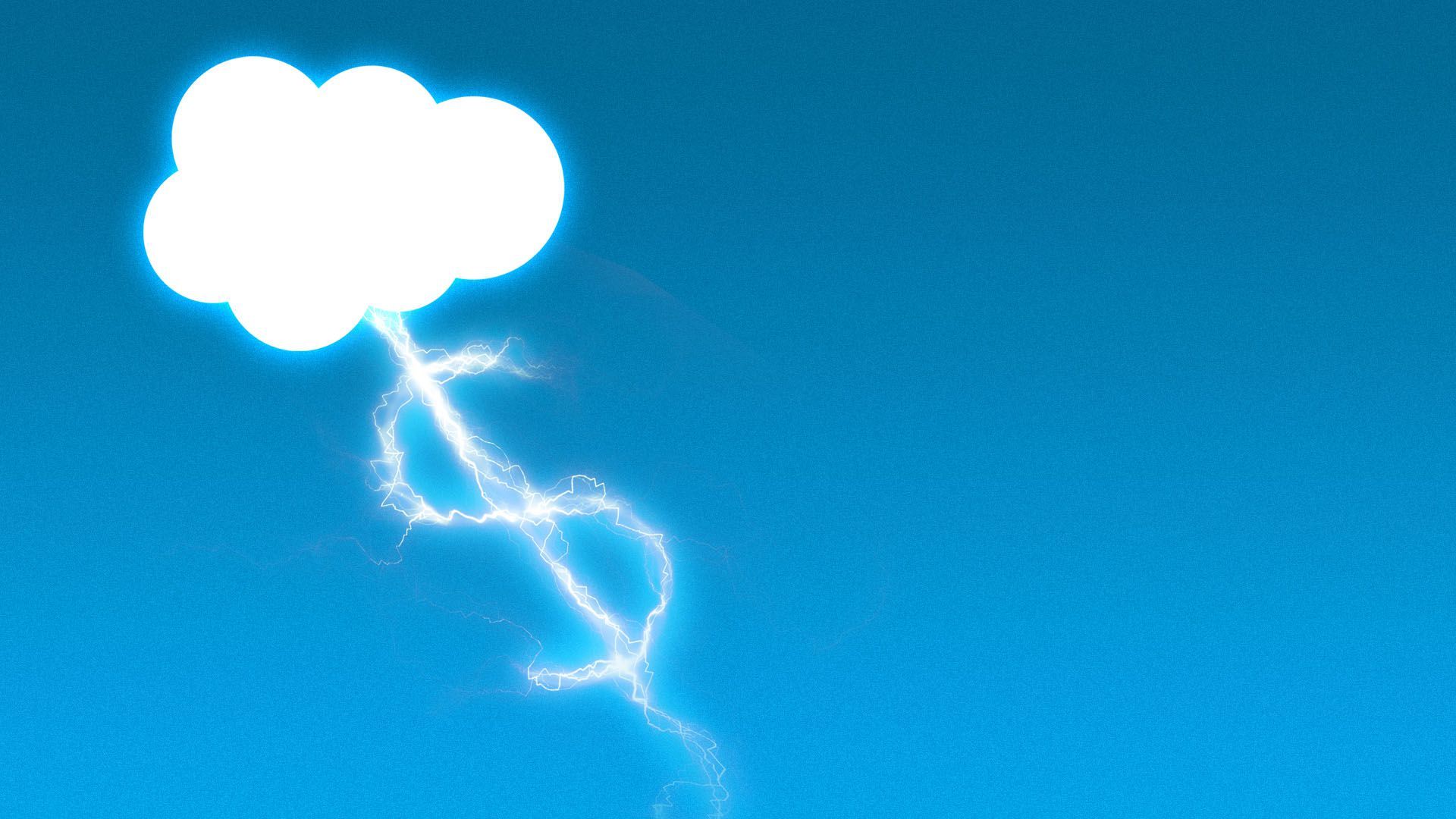
Salesforce on Tuesday afternoon said the company will pay $27.7 billion in cash and stock to buy workplace collaboration platform Slack.
Why it matters: This is the largest software merger since IBM agreed to buy Red Hat in late 2018, and it creates a cloud giant that can better compete with Microsoft.
More than 20,000 people have submitted cases to Facebook's independent Oversight Board since the board started accepting user appeals in October, the organization announced Monday, and it has selected six initial cases for review.
Why it matters: The number of submissions speaks to the multitude of people who feel the platform's moderation of their content has wronged them. The tiny number of cases getting reviewed speaks to the limits of human oversight on a platform the size of Facebook, as well as to the novelty of the board's process and the complex nature of the cases chosen.
Hospitality giant Airbnb on Tuesday set terms for its upcoming IPO, saying it plans to raise up to $2.6 billion.
Big number: The company would have an initial market cap of $28 billion, or an enterprise value of around $32 billion, were it to price shares in the middle of its proposed price range of $44-$50 per share.
Facebook announced Monday that it has purchased a customer service chatbot startup called Kustomer. The app reportedly cost Facebook $1 billion, the same amount it paid for Instagram in 2012.
Why it matters: The deal is the latest sign that the world's biggest tech companies, despite facing enormous antitrust scrutiny globally, will not stop buying up other companies. .
Salesforce's likely acquisition of workplace messaging service Slack — not yet a done deal but widely anticipated to be announced Tuesday afternoon — represents a big gamble for everyone involved.
For Slack, challenged by competition from Microsoft, the bet is that a deeper-pocketed owner like Salesforce, with wide experience selling into large companies, will help the bottom line.
The Trump administration is pressing Congress to repeal the tech industry's prized liability shield, Section 230 of the Communications Decency Act, as part of a must-pass end-of-year defense-spending authorization bill, sources tell Axios, while Senate Republicans try to improvise a more limited change.
Between the lines: The last-minute maneuvering shows that the White House is hoping bipartisan animus against Big Tech will help it notch a win on the topic before Trump leaves office.
Facebook said Monday that it plans to launch Facebook News in the U.K. in January, with several big publishers, including Conde Nast, The Economist, Guardian Media Group, Hearst and others, initially providing content.
Why it matters: The creation of Facebook's dedicated News tab has helped the company appease regulator demands globally for more equitable relationships with news publishers.
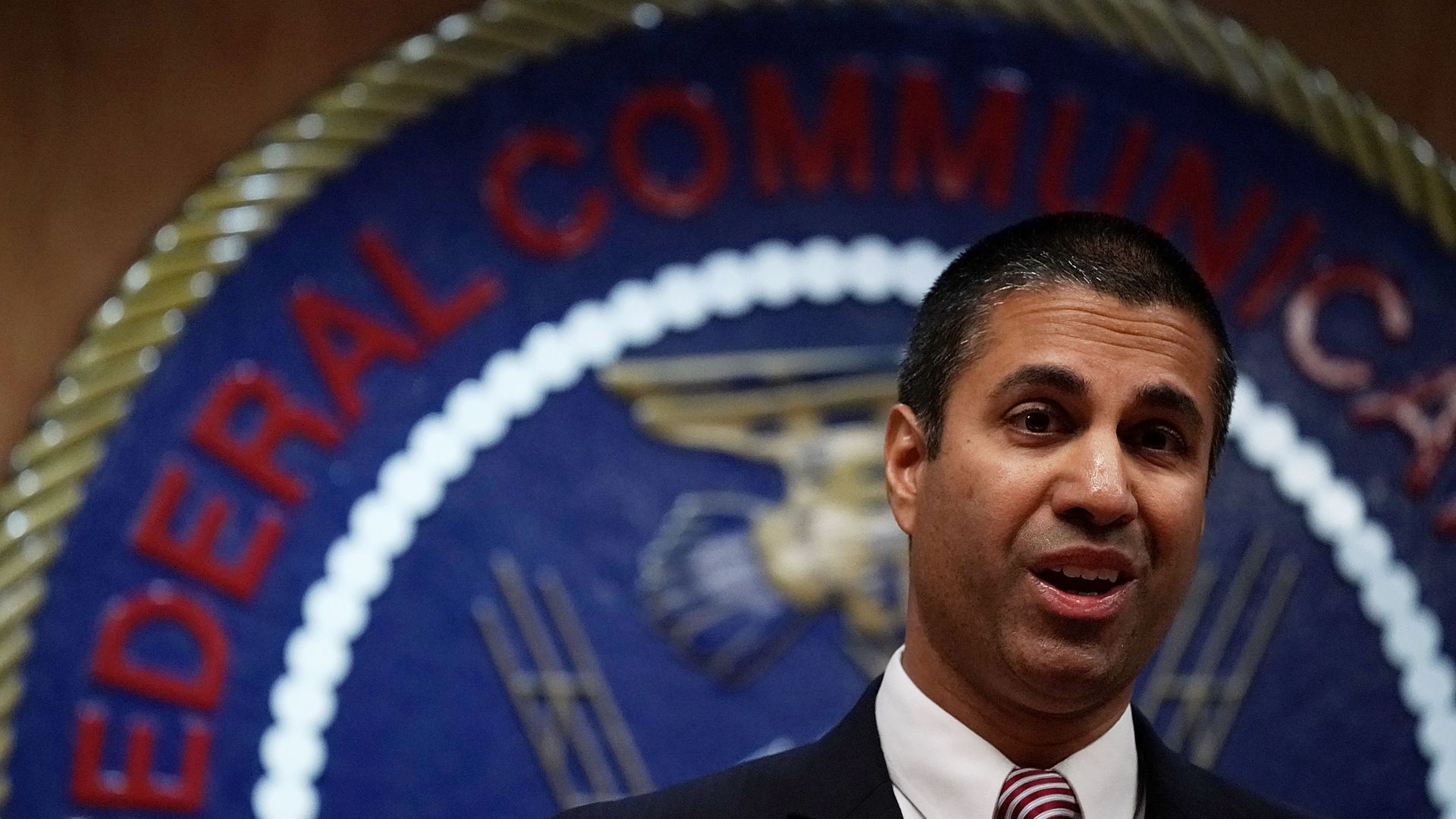
Ajit Pai will leave his post as chairman of the Federal Communications Commission on Jan. 20, the agency said today.
Why it matters: Pai's Inauguration Day departure is in keeping with agency tradition, and could set up the Biden administration with a 2-1 Democratic majority at the FCC if the Senate fails to confirm another Trump nominee during the lame-duck period.
A group aimed at helping startups bring climate-friendly tech to market announced this morning its first funding recipients and partnership with venture capital firms and corporate giants including Microsoft and BP.
Why it matters:Third Derivative, an accelerator from New Energy Nexus and Rocky Mountain Institute unveiled months ago, aims to speed the timeline from lab innovation to real commercial deployment — and avoid problems that thwart many researchers, especially in hardware.
Americans saw more political ads on Facebook in the week before the 2020 election than they did the prior week despite the company's blackout on new political ads during that period, according to Global Witness, a human rights group that espouses tech regulation.
Why it matters: The presidential election was a key stress test for Facebook and other leading online platforms looking to prove that they can curb misinformation. Critics contend measures like the new-ad blackout barely made a dent.
Right now, everyone from Senate leaders to the makers of Netflix's popular "Social Dilemma" is promoting the idea that Facebook is addictive.
Yes, but: Human beings have raised fears about the addictive nature of every new media technology since the 18th century brought us the novel, yet the species has always seemed to recover its balance once the initial infatuation wears off.