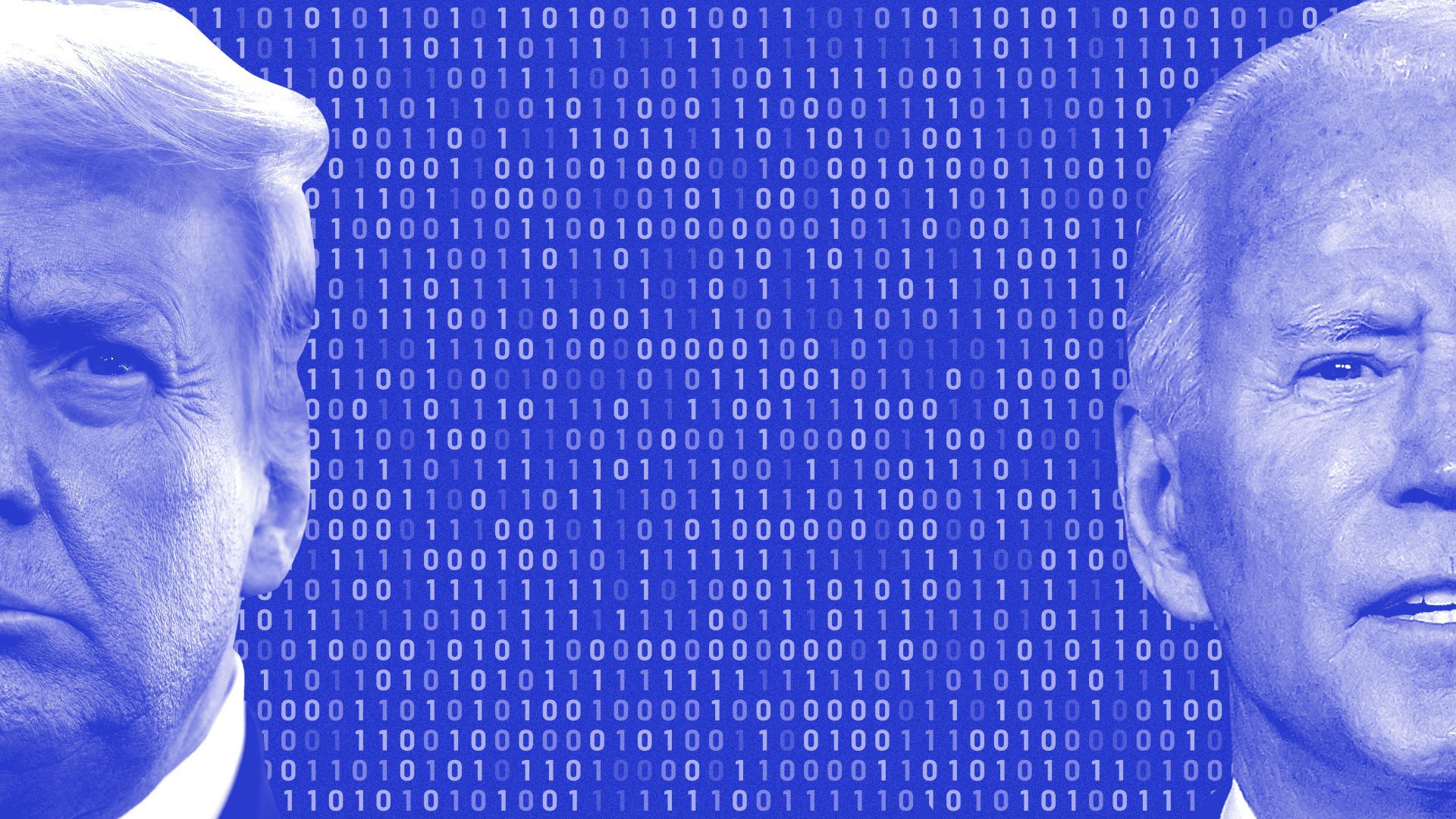
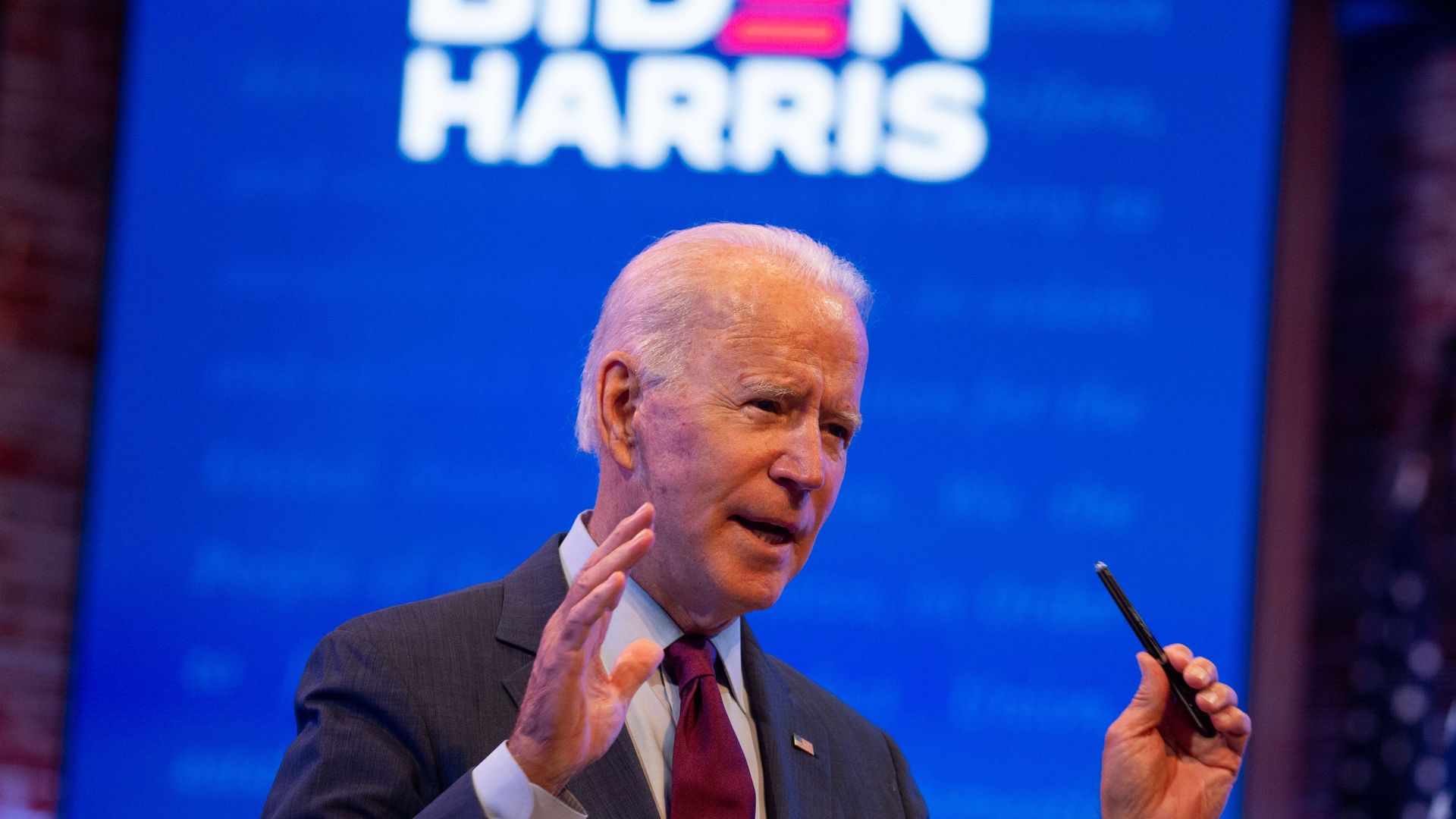
A baseless conspiracy theory that Joe Biden would wear an electronic device in his ear during the first presidential debate on Tuesday went viral on social media hours before the event.
Why it matters: The conspiracy originated on social media before appearing in a text message sent by President Trump’s re-election campaign to supporters. It was then regurgitated by media outlets like Fox News and New York Post, who cited the Trump campaign, throughout the day, according to NBC News.
Cameo, a marketplace in which users pay for personalized video messages from celebrities, has gone from niche novelty to very big business. More than 5,000 messages are sold each day, with one celebrity recently surpassing $1 million in earnings.
Axios Re:Cap digs into how the company came to be, and how it works, with CEO Steven Galanis. Plus, a "cameo" from one of the site's top stars, and Axios politics editor Margaret Talev on what to watch for in tonight's debate.
Mostly academics will be testifying at Thursday's House Judiciary antitrust subcommittee hearing, which will reveal where its year-long investigation into Big Tech and competition is going, a source familiar with the matter told Axios.
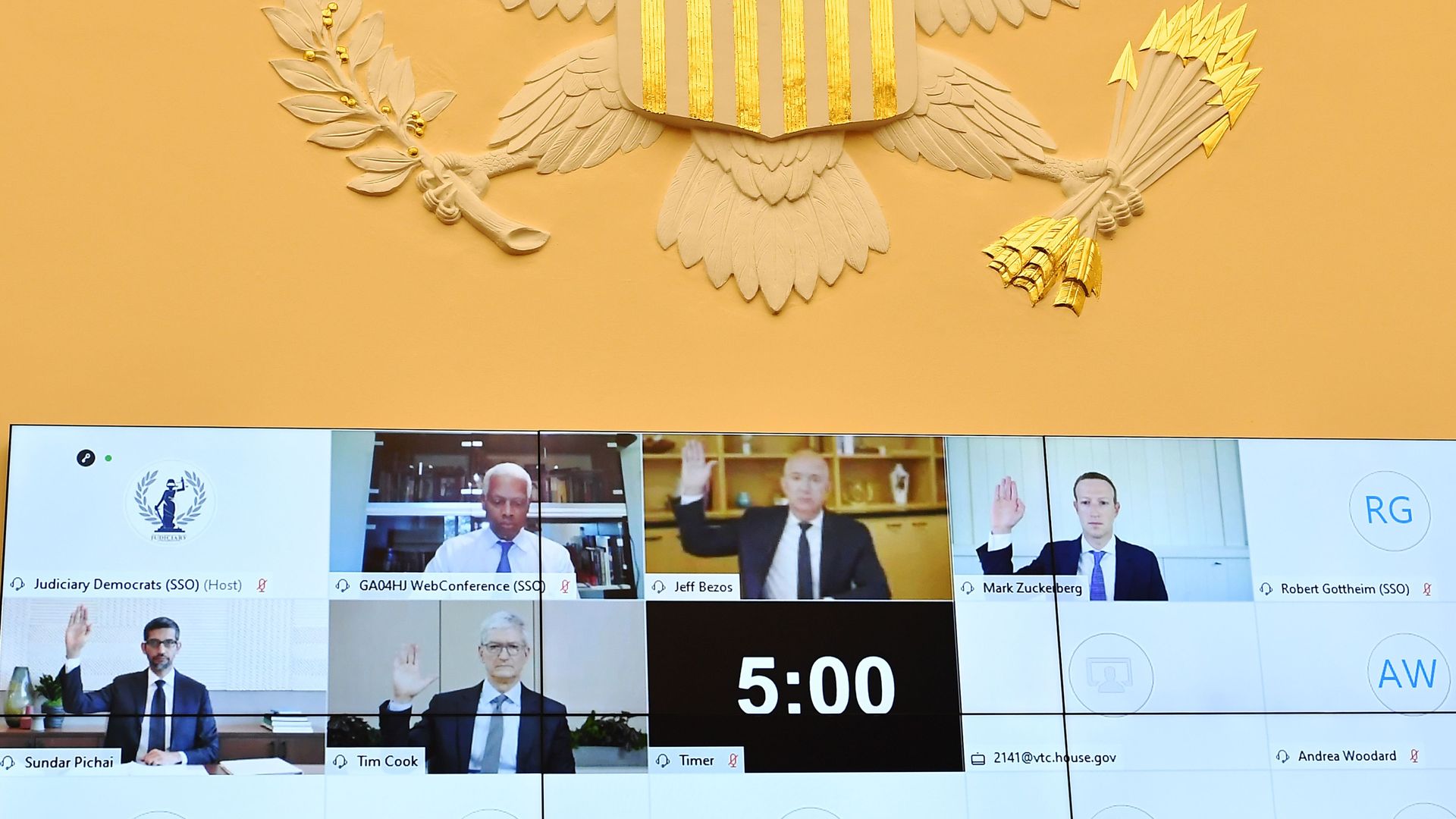
Why it matters: The hearing is the next step following testimony from Facebook's Mark Zuckerberg, Google's Sundar Pichai, Amazon's Jeff Bezos and Apple's Tim Cook before the committee in July. A showing of academics and think-tank types signals the lawmakers are still sorting out competition theories and possible legislative fixes to perceived antitrust abuses.
TikTok said Tuesday that it's debuting a new in-app elections guide to connect users with credible information about the elections from sources like the National Association of Secretaries of State, BallotReady, and SignVote.
Why it matters: The move comes amid scrutiny from the Trump Administration over whether the Chinese-owned app is a national security threat.
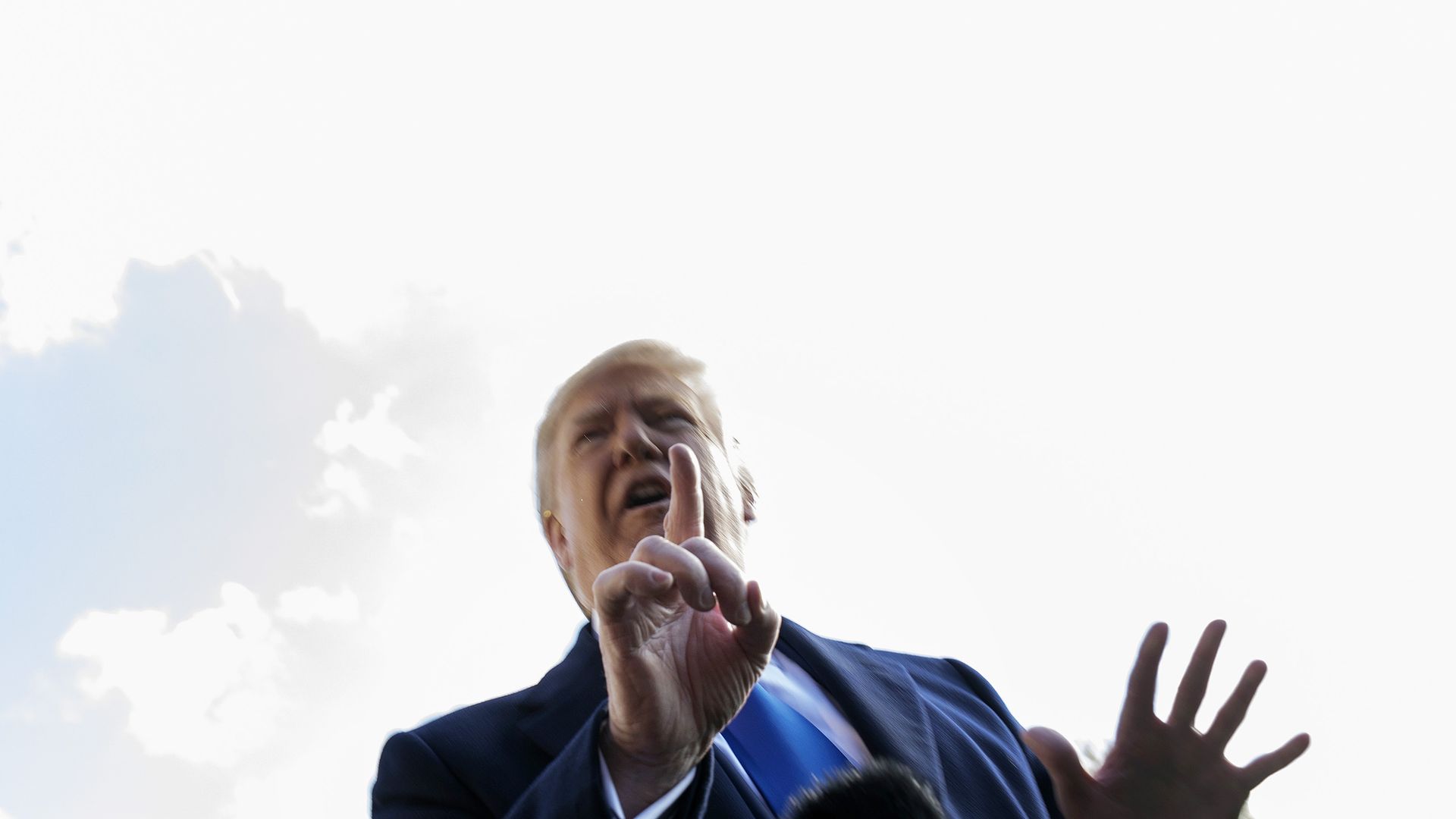
In 2016, the Trump campaign's voter database placed 3.5 million Black voters in a category called "deterrence" with the aim of trying to discourage them from voting, according to an investigation by a British TV network.
Driving the news: The U.K.'s Channel Four News got a hold of what it says is the Trump campaign's 2016 voter database of nearly 200 million records.
The Trump administration's campaign against TikTok gets all the headlines, but the U.S. move last week to place restrictions on Semiconductor Manufacturing International Corp. (SMIC), China's top chipmaker, could end up making a greater difference.
Why it matters: Semiconductor analysts say SMIC represented China's strongest bid to build a domestic chip industry and bolster its tech independence. Sanctions that cut off its access to advanced manufacturing and testing equipment from the U.S. could seriously set that effort back.
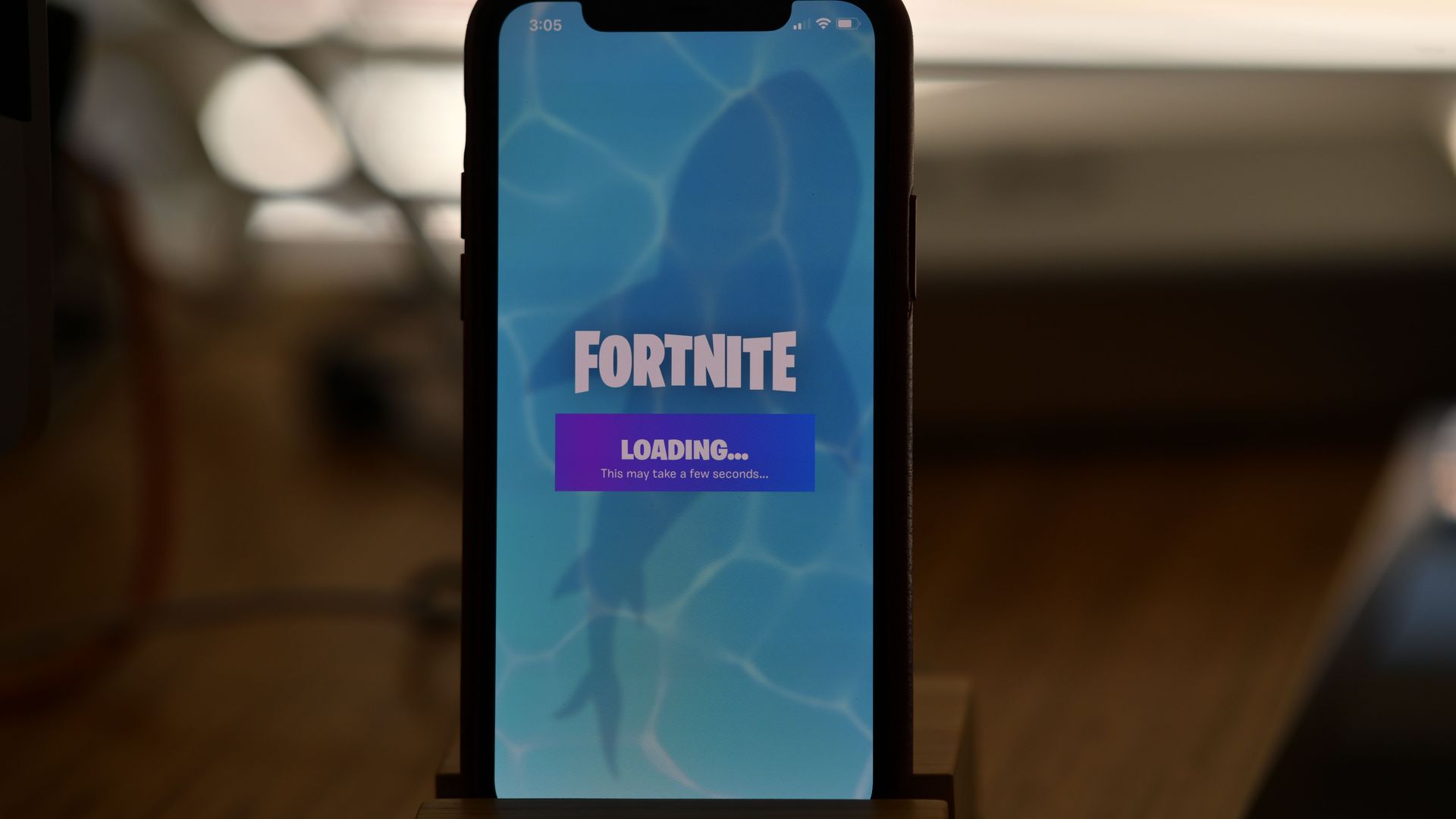
Epic Games' legal fight with Apple is likely headed to a July trial, and Fortnite won't be back on the App Store anytime soon, Apple Insider reports from a virtual hearing in the case Monday.
Why it matters: In challenging Apple, Epic has raised a banner for smaller companies seeking to curb Apple's power as a gatekeeper to mobile phone users. But the fight is getting messy and will almost certainly see it drag into next year.
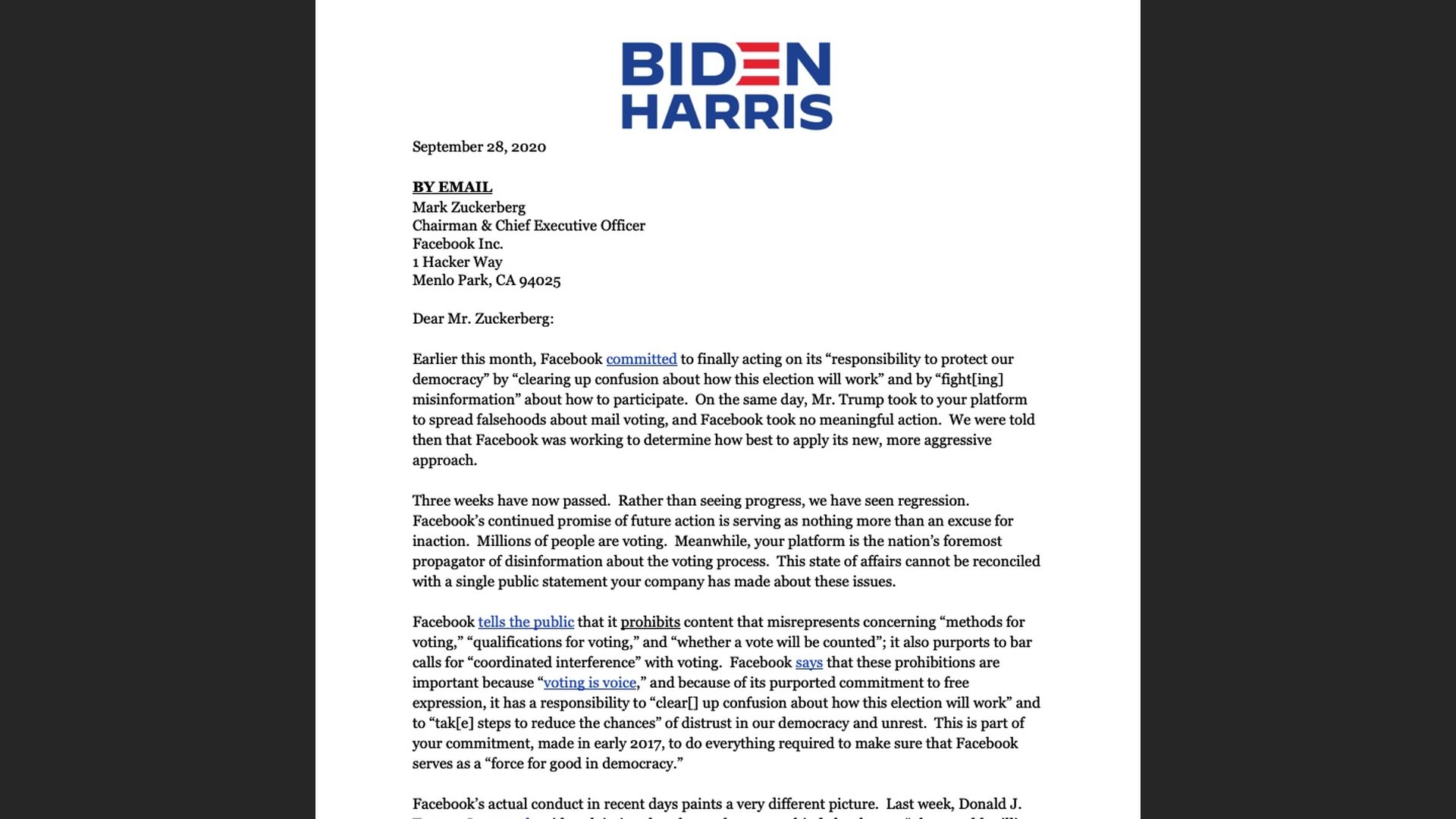
On the eve of the first presidential debate, the Biden campaign is pressing Facebook to remove posts by President Trump — and slamming the social media company as "the nation’s foremost propagator of disinformation about the voting process."
Why it matters: By publicly escalating the conflict, the campaign is pressing Facebook to enforce its policies against misinformation more aggressively.
A U.S. district judge has dismissed New Mexico's privacy lawsuit against Google, saying the tech giant adequately meets federal guidance on complying with the Children's Online Privacy Act.
Why it matters: As a federal antitrust case looms, Google has also been fighting off legal challenges in various U.S. states as well as across the Atlantic. This victory means there's one less investigation to deal with for now.
A federal court judge on Sunday granted TikTok's request for a temporary restraining order against a ban by the Trump administration.
Driving the news: Judge Carl Nichols on Monday unsealed his opinion, in which he concluded that the ban seeks to regulate the exchange of "informational materials" — something that's expressly exempted from the law laying out the emergency powers Trump invoked.
Facebook’s rules for what people can say on the world’s largest social network have been a long-term headache for the company, but now it faces similar troubles on the internal network its own staff uses.
Driving the news: As political arguments on Facebook’s employee discussion boards have grown more heated and divisive, the company ordered new restrictions on the forums earlier this month, which run on Facebook’s Workplace platform.
Joe Biden has laid out a more concrete tech agenda whereas President Trump has focused on tax cuts and deregulation while criticizing tech firms for anti-conservative bias. That's according to a side-by-side analysis of the two candidates' tech records by the Information Technology & Innovation Foundation shared exclusively with Axios.
Why it matters: The tech industry needs to prepare for either four more years of Trump's impulsive policy approach or for a Biden administration that's likely to be critical of tech but slow to take action.
Match Group on Monday will announce that Tracey Breeden has been hired as its first-ever head of safety and social advocacy, a newly-created role.
Why it matters: The hire speaks to growing concerns over harassment, data privacy, social bias and minority safety on dating platforms. Match Group is one of the world's largest dating tech companies.
The gap between the weighting of the five largest companies in the S&P 500 and the 300 smallest rose to the highest ever at the end of August, according to data from the Leuthold Group.
Why it matters: The concentration of wealth in a few massive U.S. tech companies has reached a scale significantly greater than it was before the dot-com bubble burst.
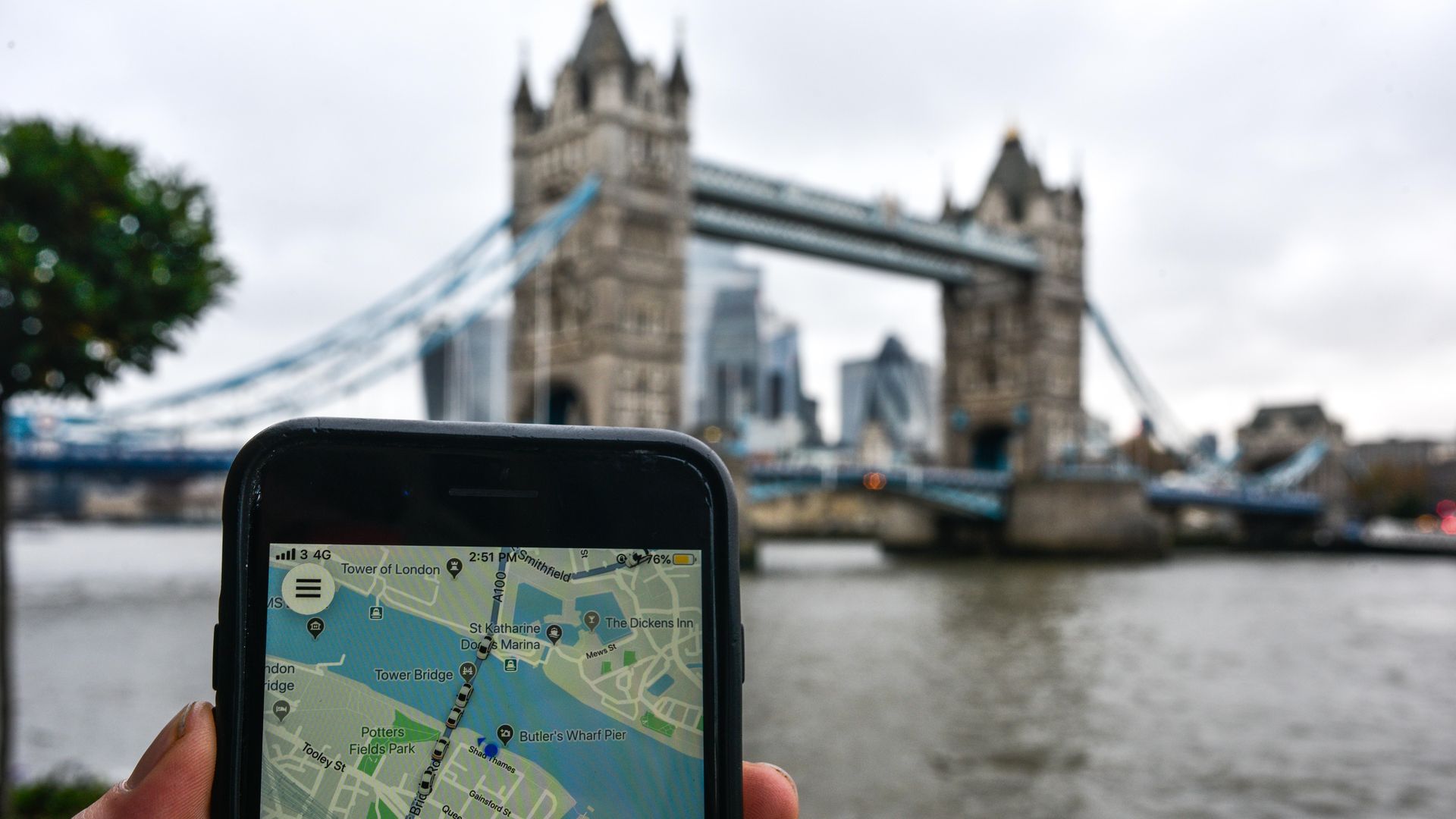
A judge has restored Uber's operating license in London after the company appealed the city's decision from Nov. 2019 not to renew it, citing at the time a "pattern of failures by the company including several breaches that placed passengers and their safety at risk."
Why it matters: London is one of Uber's biggest markets around the world.




/2020/09/29/1601387488172.gif?w=3840)