The United Nation's disarmament chief warned the U.N. Security Council on Friday of a rise in cybercrime during the coronavirus pandemic, with a 600% jump in malicious emails, AP reports.
Why it matters: Izumi Nakamitsu told the council that the uptick in attacks and vulnerability follows increased global digital dependency. She noted, "There have also been worrying reports of [cyber] attacks against health care organizations and medical research facilities worldwide" and other infrastructure since the virus outbreak.
Two electric vehicle startups — Rivian and Lucid Motors — are best positioned to survive the fallout from the pandemic, industry experts tell Axios.
Why it matters: With solid funding and strong in-house technology, they've got a path to success — provided they can get back on track quickly as the economy recovers.
IBM announced layoffs Friday to its global force of approximately 350,000 workers, as a massive pandemic-inspired worldwide recession continues to take a toll on employment.
By the numbers: IBM won't say how many employees are being given notice in the cut, which was first reported by Bloomberg, but according to the Wall Street Journal the layoffs will hit several thousand workers.
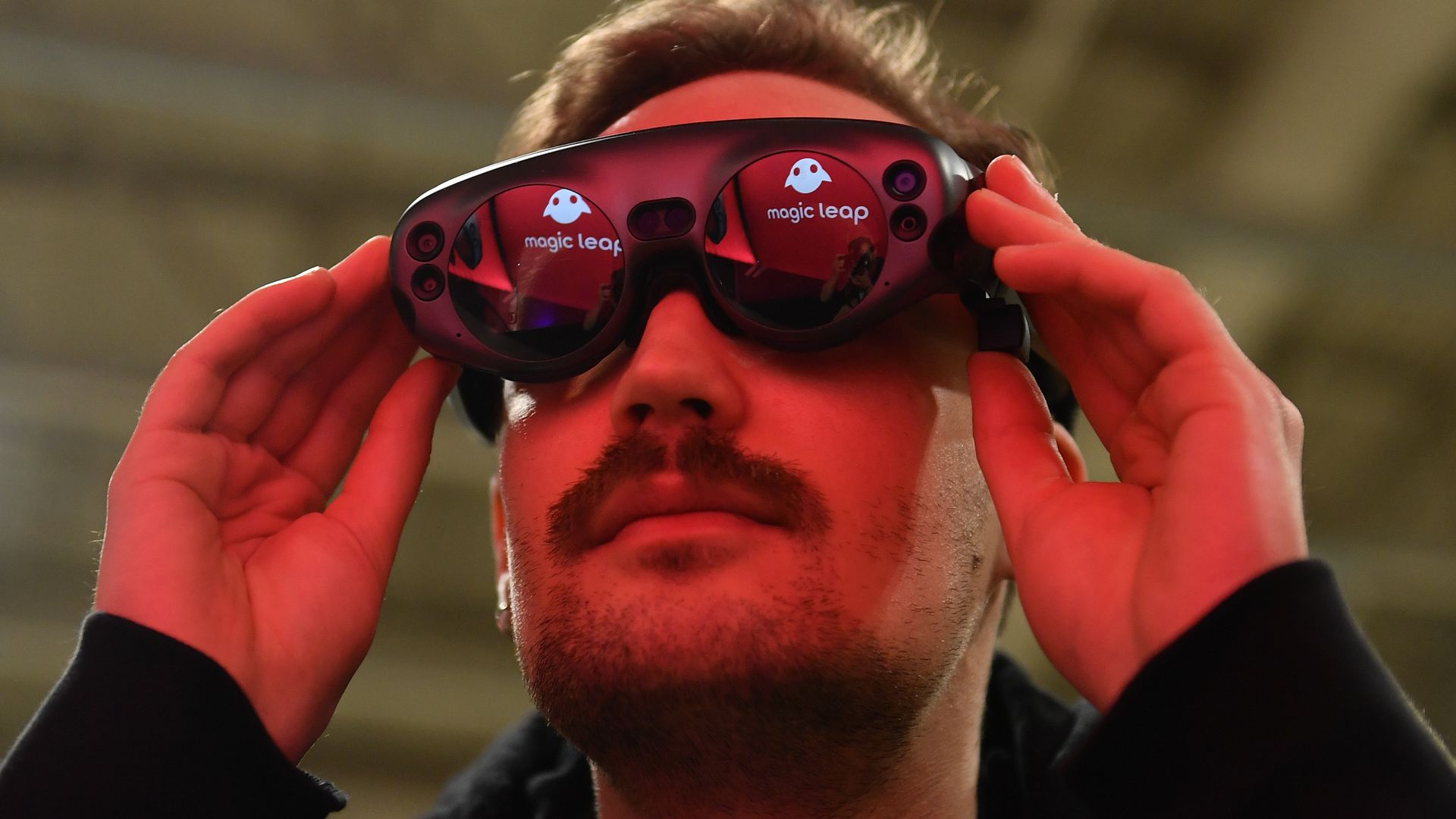
Magic Leap, a Florida-based maker of augmented reality devices, raised $350 million in new funding, according to a company memo first reported on by Business Insider.
Why it matters: It puts a whole new spin on the company's name. Magic Leap previously raised nearly $3 billion, repeatedly missed product launch targets and then, once it did launch to critical cackles, almost no one wanted to buy.
A team of Google veterans and others is launching the nonprofit CVKey Project to help communities restart amid the coronavirus pandemic. Its centerpiece, for now, is an app to let venues assess the health risk a particular person poses and whether to admit them.
Why it matters: There are a lot of ideas on how best to store data about coronavirus risk and exposures, but privacy concerns abound as well.
Why it matters: The moves came as the industry commemorated Global Accessibility Awareness Day on Thursday. The World Health Organization estimates that only one in 10 people with disabilities globally has the access they need to assistive technologies and products.
A new report from the U.S. Copyright Office is set to tee off another round in the long-running fight between tech platforms and the entertainment industry over copyright infringement.
Why it matters: Owners of music and movie libraries say piracy remains rampant online, and the entertainment lobby, which has long pushed tech platforms to do more to police for infringing material, now sees an opening to win concessions.









/2020/05/20/1590001135654.gif?w=3840)