Facebook removed "a network of several dozen Facebook pages" defending GOP congressional candidate and Trump donor Robert Hyde late on Friday, the Wall Street Journal reports — months after Buzzfeed revealed 23 of the pages featuring pro-Trump content.
Why now: Facebook's choice to take down the pages coincides with the House Intelligence committee releasing documents apparently showing that Hyde suggested to Lev Parnas, associate of Rudy Giuliani, that he had former U.S. ambassador to Ukraine Marie Yovanovitch under physical surveillance in Kyiv.
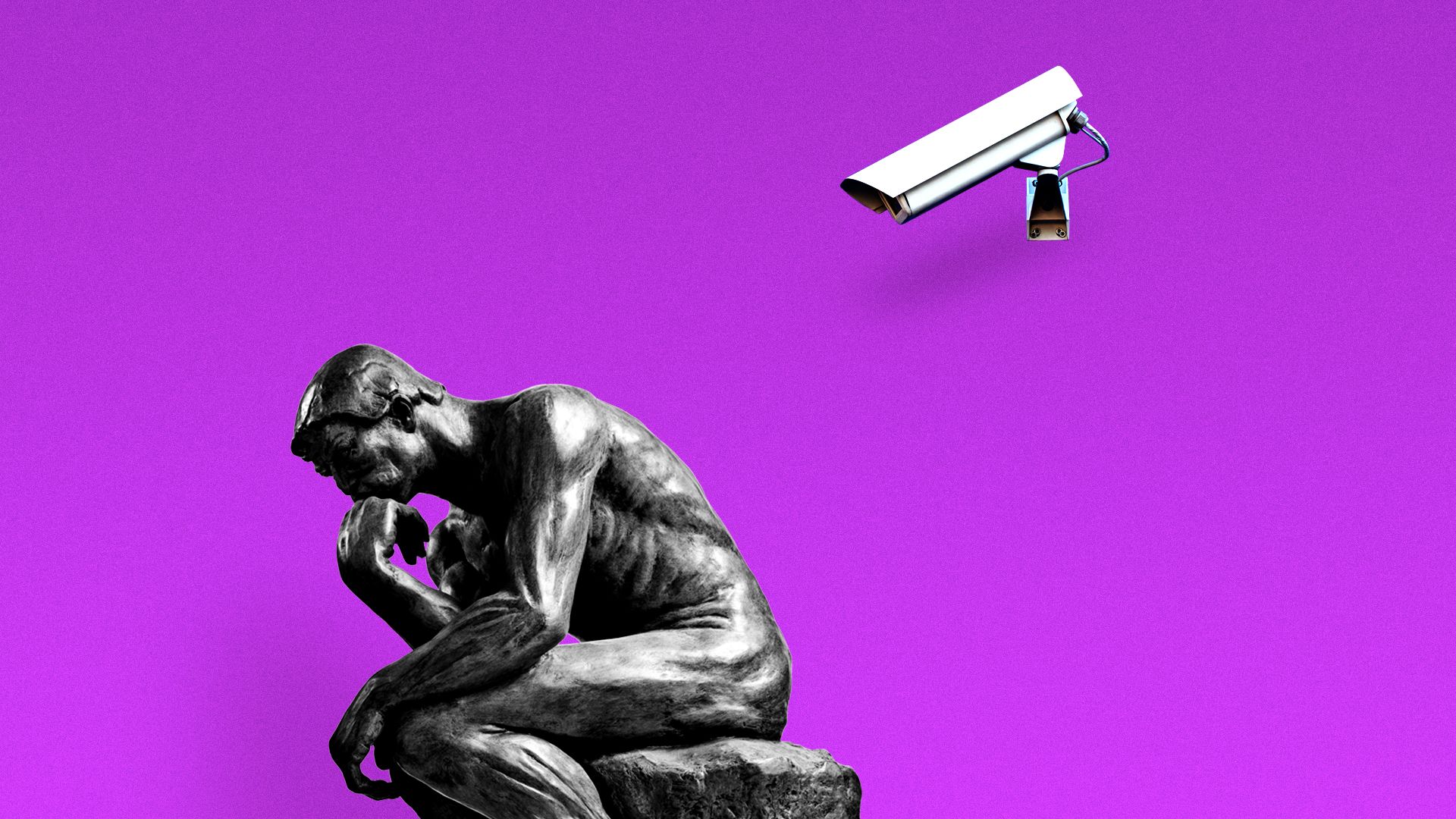
Ten states have introduced bills in 2020 that would regulate, ban or study facial recognition systems, according to the Georgetown Law Center on Privacy and Technology.
The big picture: There is no federal regulation on this tech, despite consensus for guardrails from its creators and bipartisan support for its restraint in Congress.
In China and Japan, high-tech cities are being developed as living laboratories to test automated vehicles, robots and artificial intelligence.
Why it matters: The real-world incubators could help accelerate the development of infrastructure and related ecosystems needed to support self-driving cars, at a pace the U.S. potentially can't match.
Cargo, a New York-based startup that sells snack boxes and other amenities to ride-hail passengers, has laid off around two dozen employees and will pivot to car-top advertising, the company confirms to Axios.
Why it matters: A growing number of startups are under pressure to build sustainable businesses instead of focusing on unprofitable, top-line growth.
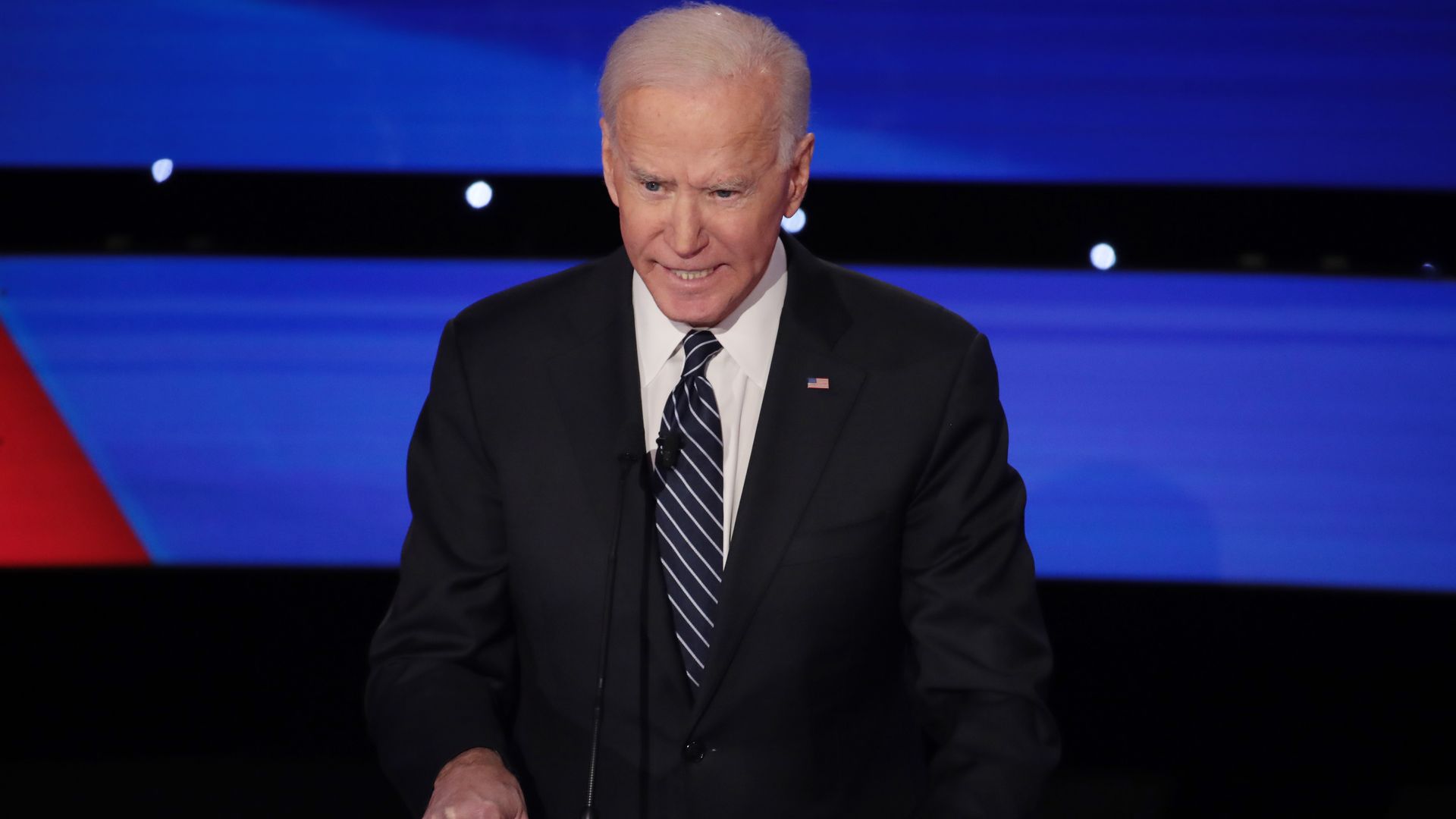
A 1996 law that protects online platforms from liability for material their users post should be "revoked, immediately ... for Zuckerberg and other platforms," Democratic presidential candidate Joe Biden said in a New York Times editorial board interview.
Why it matters: Inside the industry, Section 230 of the Communications Decency Act is seen as a cornerstone of the internet's success in giving users a voice. But as tech giants have consolidated their wealth and power, policymakers and industry critics — alarmed by the rise of online misinformation, privacy controversies and the impact of precision ad targeting — have zeroed in on Section 230 as a target.
TikTok: It's for teens. It's for memes. And sometimes, it's for getting help with a surprise medical bill.
The state of play: The New York Times spotlights Shaunna Burns, who posts videos on the popular social-media app offering life advice and encouragement — including one on hospital billing that garnered thousands of replies about "how baffling the American health care system can be."
Microsoft is pushing aggressive goals to tackle climate change while simultaneously supporting House Republicans' more modest efforts on the matter.
Driving the news: On Thursday, Microsoft announced its new pledge to become carbon negative in 10 years, while earlier in the week its president, Brad Smith, expressed support for House Republicans’ far narrower efforts on climate.
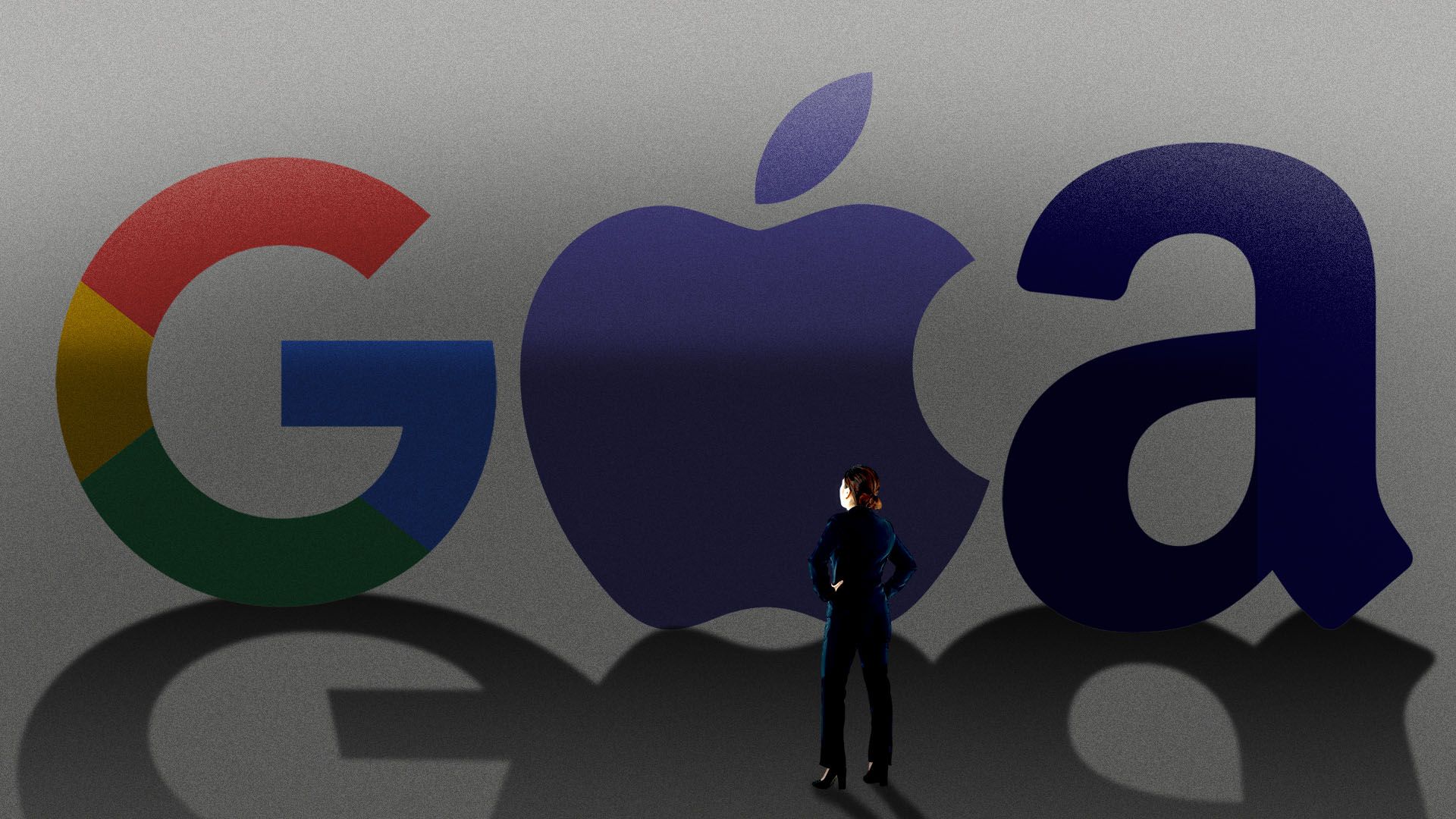
The tech industry's stories about itself always start with nimble startups with great ideas — typically founded, from Hewlett-Packard to Apple to Google, by two people in a garage. But today, many small tech companies feel like they're fighting for survival in an industry where giants have grown entrenched and domineering.
Driving the news: That latter perspective will be on display for lawmakers Friday at a House antitrust subcommittee hearing in Boulder, Colo., where four smaller companies will detail how Google, Amazon, and Apple have smothered their growth.