An exposé for New York Times Opinion out in December called "One Nation, Tracked," by Stuart A. Thompson and Charlie Warzel, walks readers through how they mined a data file of 50 billion location pings from the cellphones of 12 million Americans as they moved through several major cities, including D.C., New York, San Francisco and L.A.
Why it matters: Supposedly anonymous data isn't always all that anonymous.
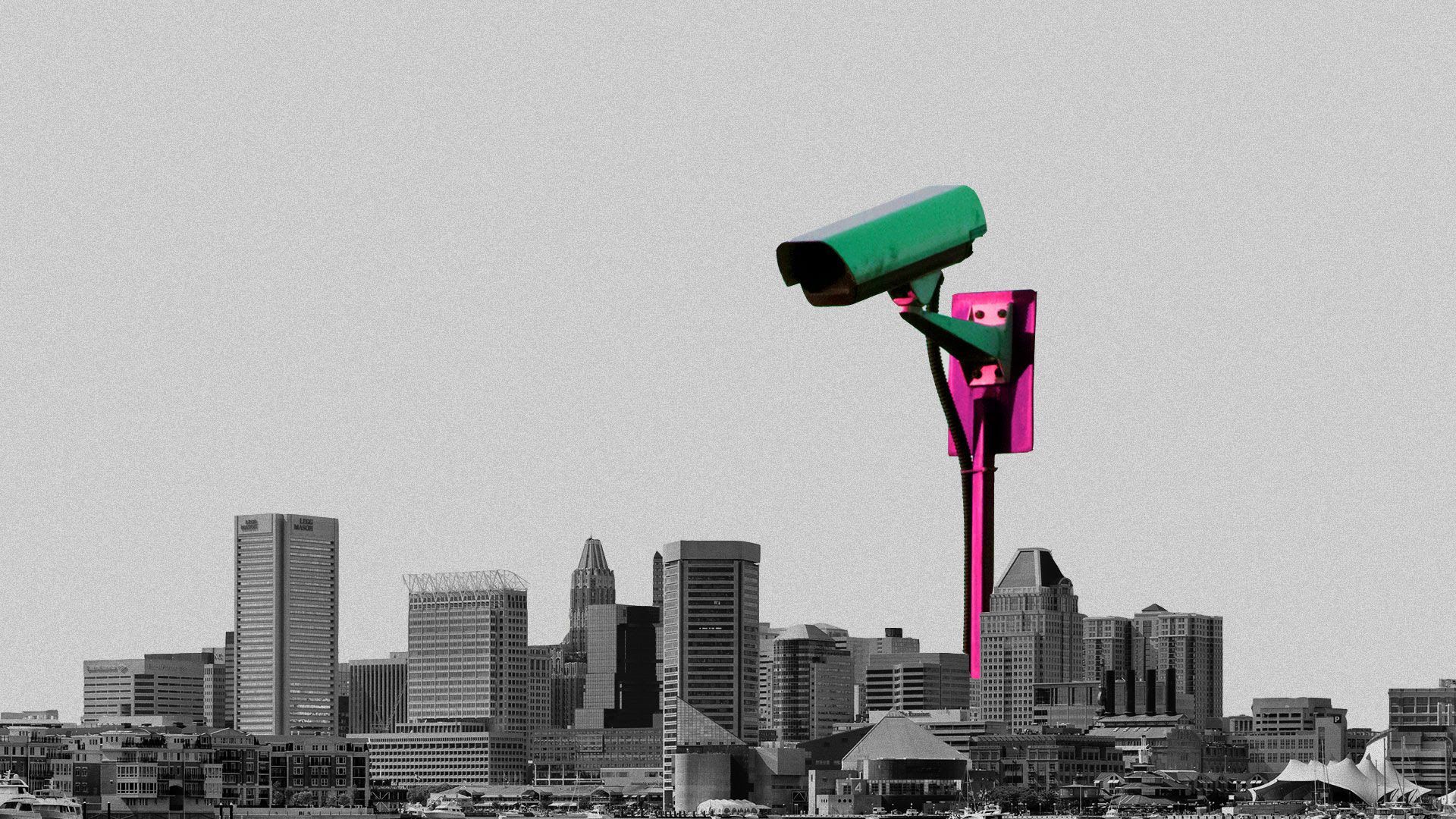
Baltimore will become the first city in the U.S. to pilot aerial surveillance, funded by philanthropists, to understand its impact on crime, per the Baltimore Sun.
Driving the news: Baltimore Police Commissioner Michael Harrison, who's been skeptical of the effectiveness of surveillance planes, has reversed course and said he supports a pilot program to let three private planes monitor the city from above.
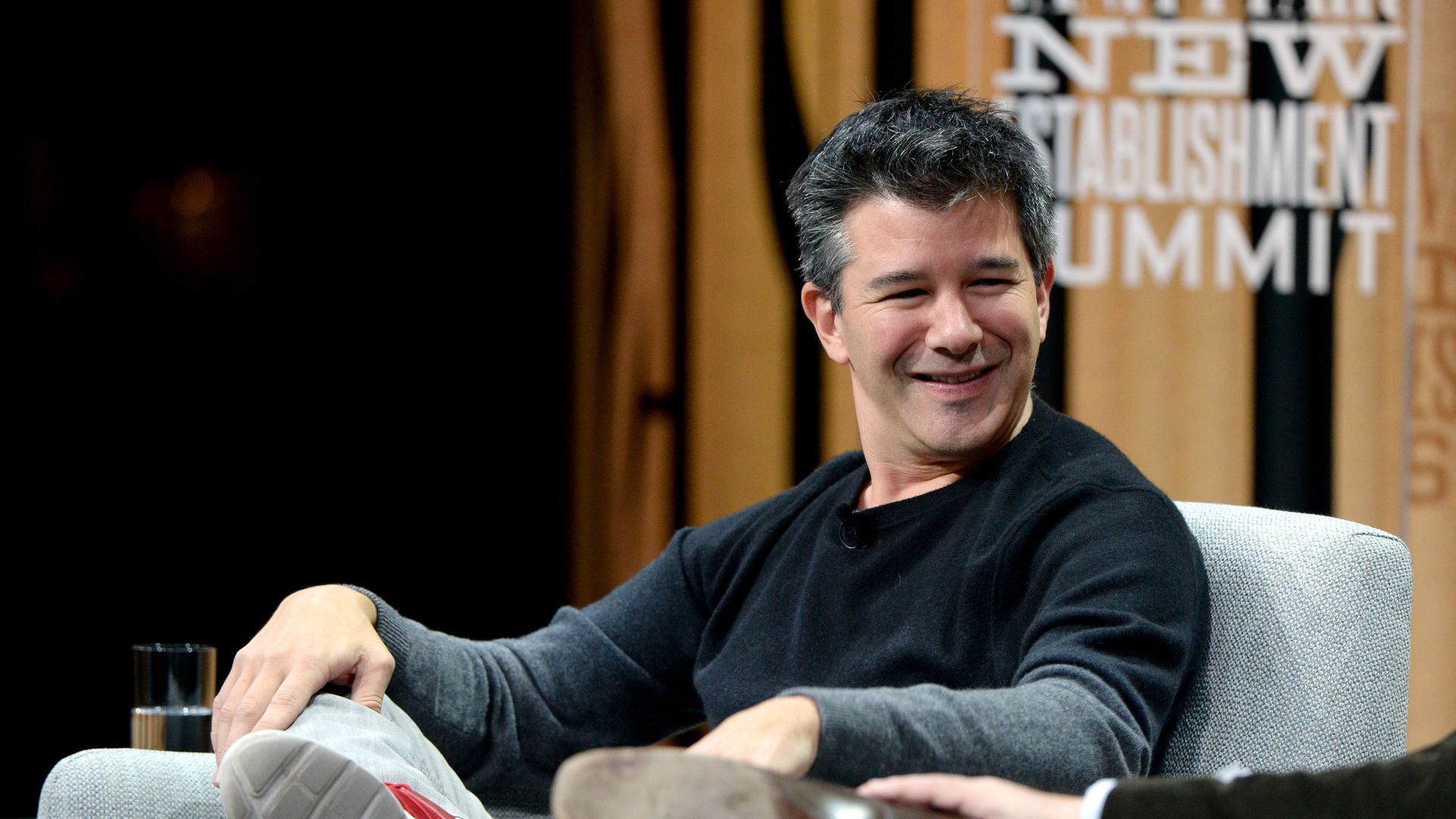
Travis Kalanick is stepping down as a board director with Uber, the company announced Tuesday.
Why it matters: Kalanick is credited with growing Uber into a global phenomenon, changing the way people get around town. But he's also responsible for a problematic culture, which contributed to his mid-2017 firing as CEO.
Momentum for smart cities projects, which has been fed by big promises from industry and big hopes in government, is slowing down in the face of a wave of public skepticism.
Driving the news: Alphabet-owned Sidewalk Labs, which has proposed a futuristic smart-city development for Toronto's waterfront, has pledged not to sell personal data collected at the project or use it for advertising to assuage privacy concerns.





/2019/12/20/1576863860117.gif?w=3840)