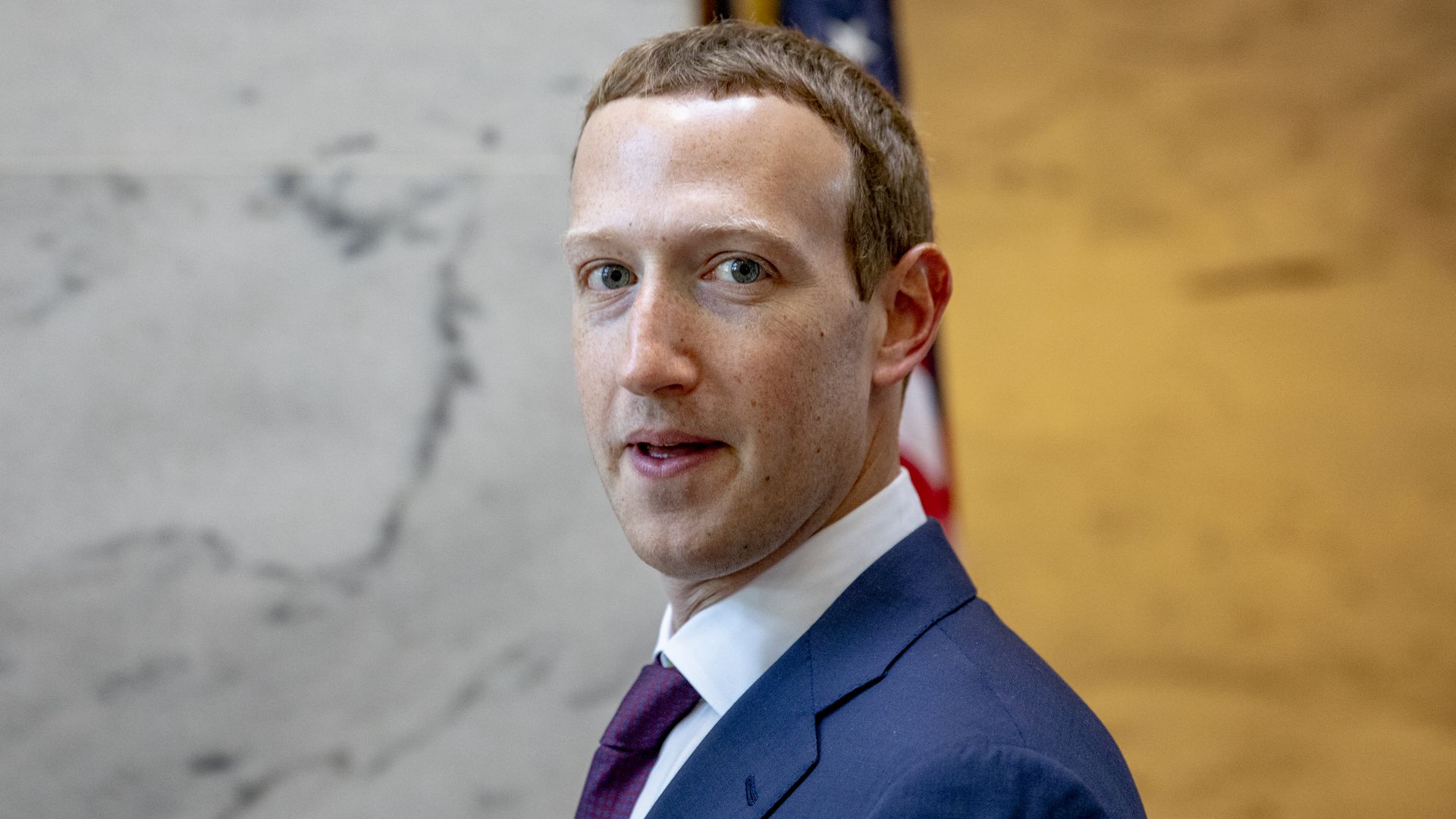
Facebook CEO Mark Zuckerberg plans to testify on Libra, Facebook's proposed global cryptocurrency, on Oct. 23. — in the wake of Visa, Mastercard, eBay, Stripe and PayPal pulling out of the project.
The big picture: Visa, Mastercard and Paypal were the largest payment companies in Facebook's "Founding Members" group, or organizations that said it would back the Switzerland-based foundation that plans to manage the Libra cryptocurrency.
Turn AI cameras on your employees and you can measure their productivity. Fly them over the Pacific Ocean and you've got yourself an automated shark-warning system.
What's happening: UC Santa Barbara, with the help of a few AI experts from Salesforce, is using drones to monitor sharks near California beaches in real time.
Uber has struck a deal to acquire a majority stake in grocery-deliver company Cornershop, as it tries to take a bigger bite out of the food retail market, the Wall Street Journal reports.
Why it matters: Uber is working to expand its business model beyond ride-hailing with its latest acquisition alongside its food-delivery service Uber Eats, per WSJ.
AI systems have an endless appetite for data. For an autonomous car's camera to identify pedestrians every time — not just nearly every time — its software needs to have studied countless examples of people standing, walking and running near roads.
Yes, but: Gathering and labeling those images is expensive and time consuming, and in some cases impossible. (Imagine staging a huge car crash.) So companies are teaching AI systems with fake photos and videos, sometimes also generated by AI, that stand in for the real thing.
As deepfakes become more convincing and people are increasingly aware of them, the realistic AI-generated videos, images and audio threaten to disrupt crucial evidence at the center of the legal system.
Why it matters: Leaning on key videos in a court case — like a smartphone recording of a police shooting, for example — could become more difficult if jurors are more suspicious of them by default, or if lawyers call them into question by raising the possibility that they are deepfakes.
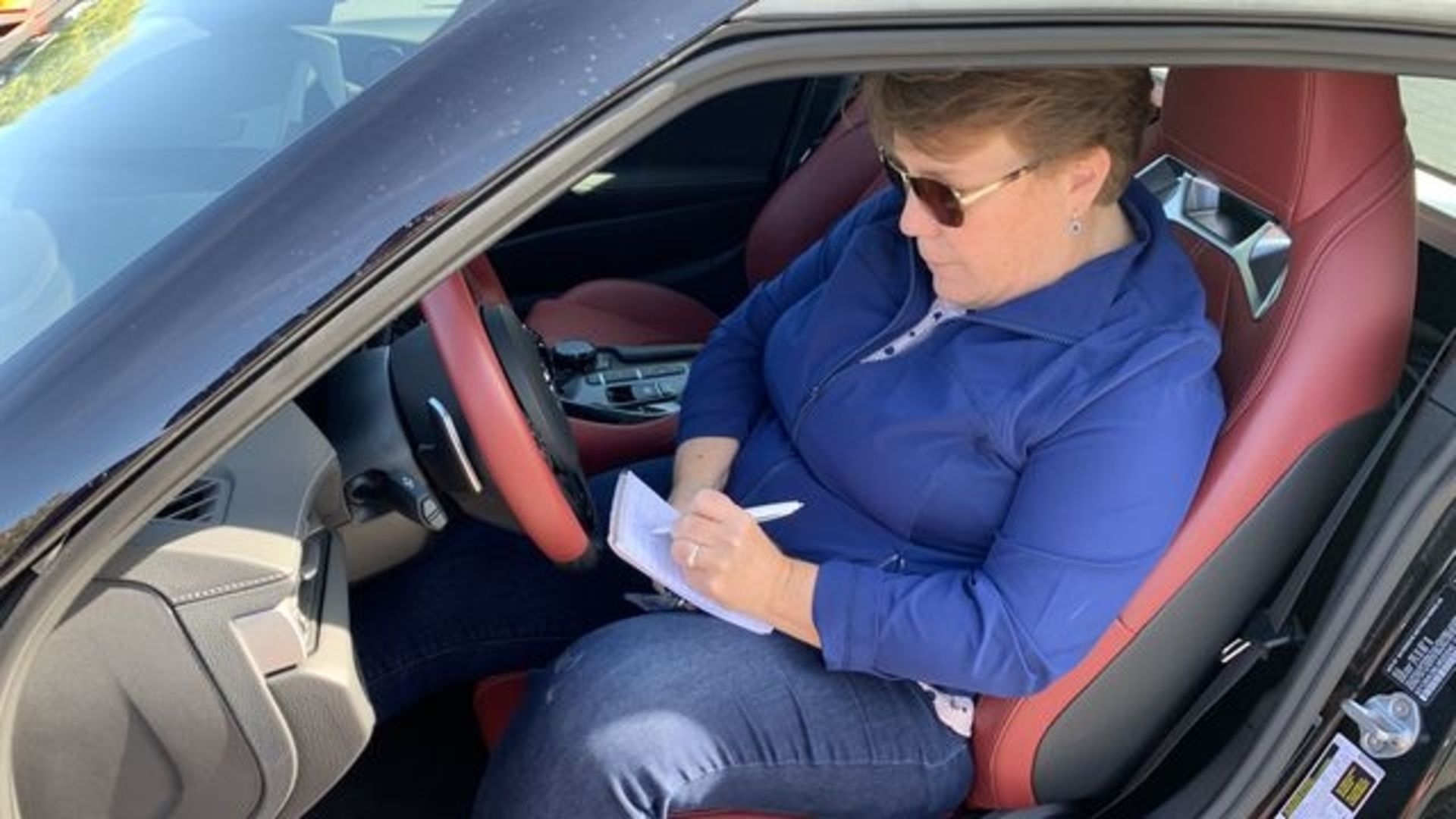
This week, I managed to get away from the office for 2 days for some fun — and important — driving.
The big picture: I'm one of approximately 50 professional automotive journalists on the jury for the North American Car and Truck of the Year awards, now in its 26th year.
Most jobs are still out of reach of robots, which lack the dexterity required on an assembly line or the social grace needed on a customer service call. But in some cases, the humans doing this work are themselves being automated as if they were machines.
What's happening: Even the most vigilant supervisor can only watch over a few workers at one time. But now, increasingly cheap AI systems can monitor every employee in a store, at a call center or on a factory floor, flagging their failures in real time and learning from their triumphs to optimize an entire workforce.
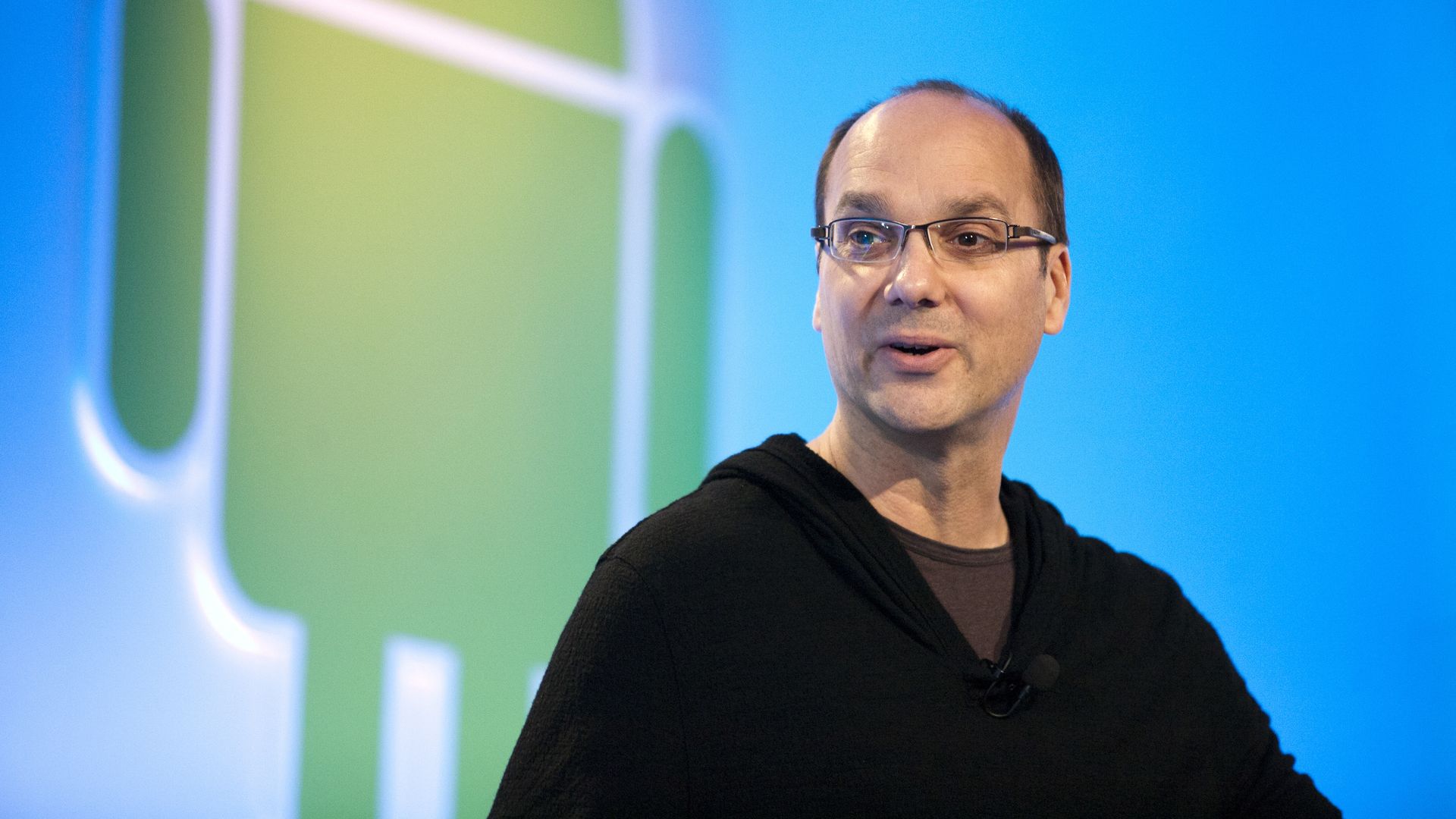
Playground Global, a Silicon Valley incubator, confirmed BuzzFeed's report that co-founder Andy Rubin quietly left earlier this year.
"Playground Global bought out my interests earlier this year when the noise around my divorce and departure from Google made it difficult to focus on the tasks at hand. Playground is still an investor in Essential and we’re continuing to innovate."
Why it matters: Facebook spent more than a year quietly working on the project, and rallied 27 organizations to tentatively agree to participate. However, the Libra Association has faced an avalanche of criticismand scrutiny from regulators worldwide, though it's done little more than publish its plans. Facebook CEO Mark Zuckerberg is set to testify on the topic in front of the House Financial Services Committee on Oct. 23.
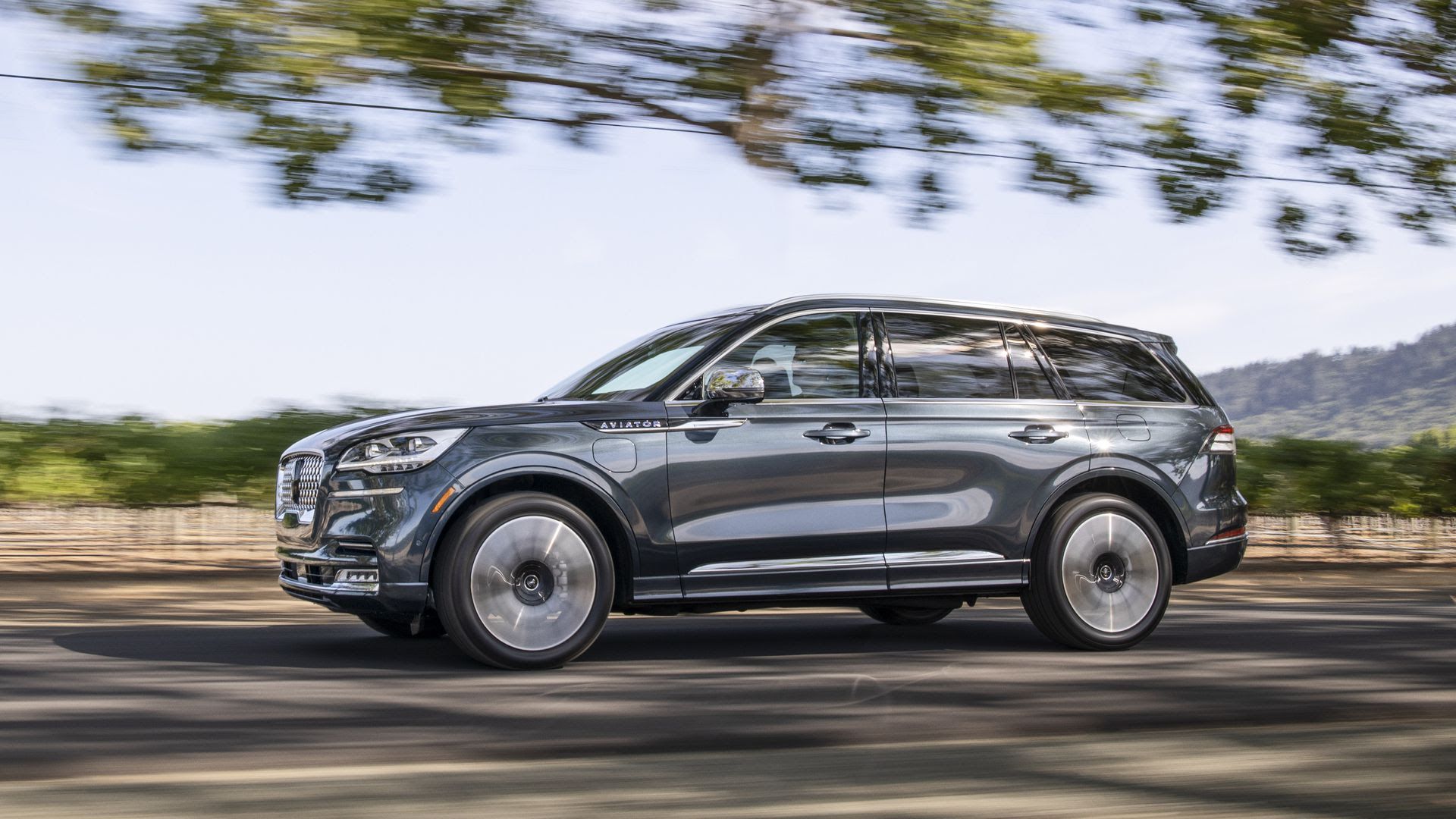
Carmakers are going to great lengths to reposition their gas-electric hybrid models as sporty, premium or even high-performance — anything but the responsible choice for tree-huggers.
The big picture: With stricter fuel economy standards looming, and zero-emission electric cars still too pricey for most consumers, automakers need to fill the compliance gap by selling a lot more hybrids.
Apple's stock rose 1.35% Thursday, more than doubling gains by the S&P 500 and the Nasdaq and touching a 52-week high.
Driving the news: The strong gains came despite criticism of the company for pulling apps from its store in recent days to appease Chinese authorities.
Waze is best known for its navigation app, which crowdsources traffic information, but a few years ago it ventured into a new line of business when it rolled out a carpooling app. Today, the Google-owned company says its U.S. carpool users complete more than 550,000 rides per month, and will reach the 1 million mark by the end of the year.
What they're saying: "We’re not taking on Uber and Lyft," Waze co-founder and CEO Noam Bardin tells Axios. "We're focused on commutes 20 miles and up." Waze drivers also can't earn money beyond the cost of driving (per IRS guidance of $0.58 per mile).


/2019/10/12/1570898539834.gif?w=3840)

/2019/10/11/1570822555805.gif?w=3840)
/2019/10/11/1570835343656.gif?w=3840)