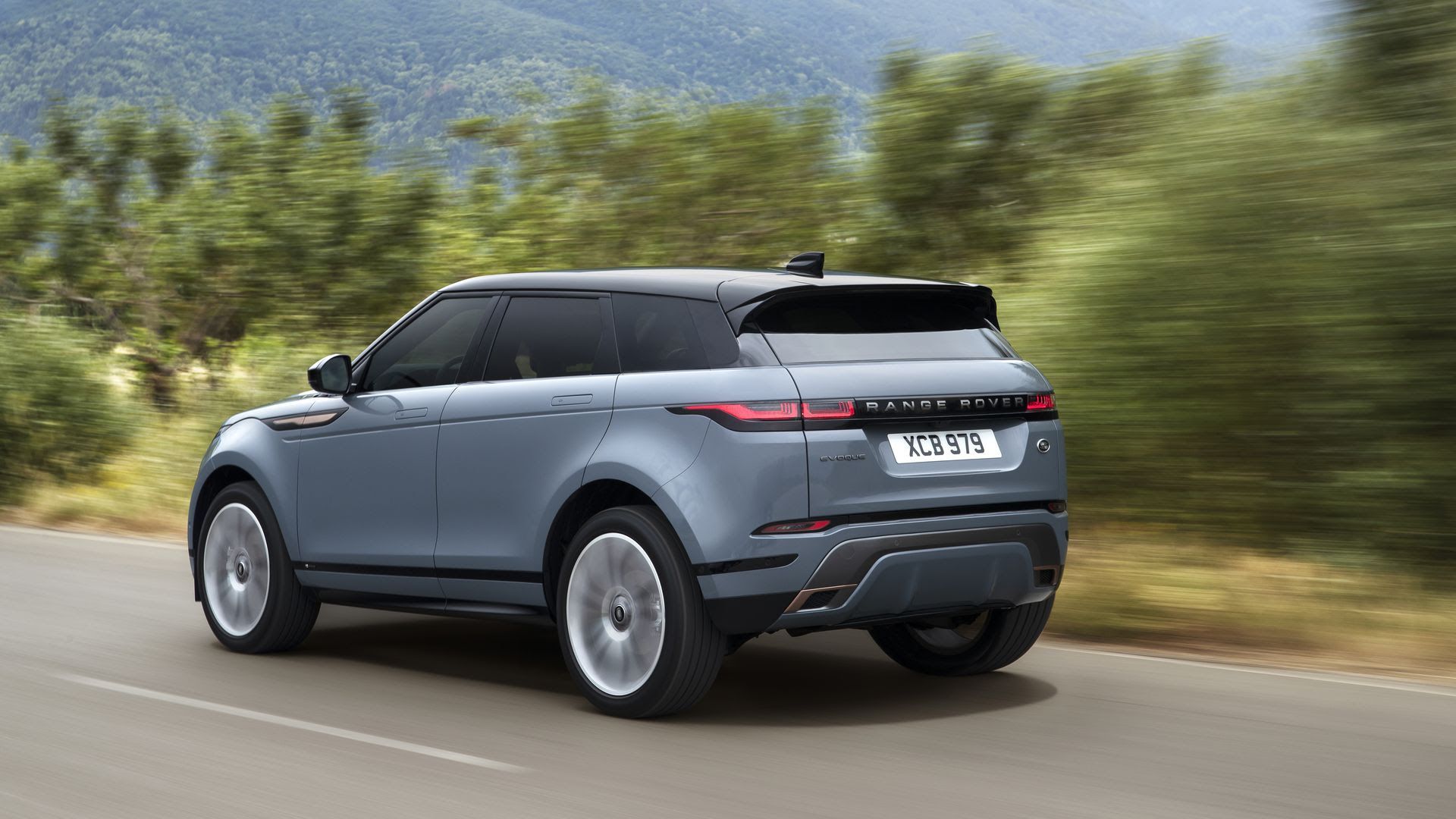
I'm driving the 2020 Range Rover Evoque, a compact, wedge-shaped SUV that looks like it belongs in the future.
Why it matters: Styling has always been the big selling point for the Evoque, first introduced in 2012. It's all been updated for 2020, including new retractable door handles, which are cool but take an extra second to open the door.
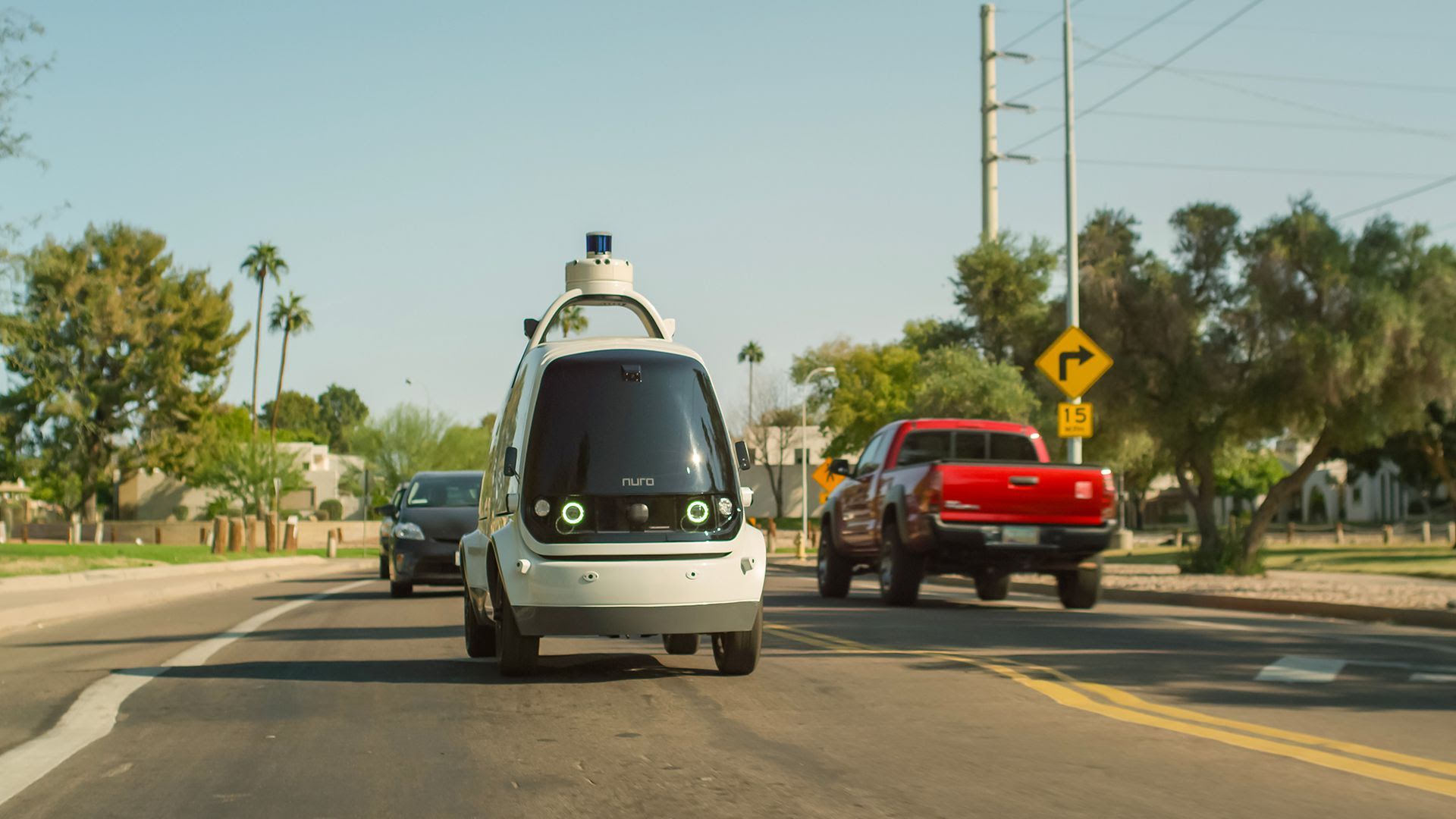
U.S. transportation officials are considering a new class of motor vehicles — ones with no occupants — in preparation for an expected surge in robot deliveries of everything from groceries to pizza.
Why it matters: Unmanned delivery vehicles are different from self-driving passenger cars, but both require exemptions from federal motor vehicle safety standards (FMVSS) in order to operate on public roads.
In the ever-evolving world of car safety where billions are being spent on the most advanced lidar systems and deep learning algorithms, some companies are also focusing on how to improve occupant protection.
The big picture: Self-driving cars are a long way off, and newly available crash avoidance technologies like automatic emergency braking can’t prevent all collisions.
The overlapping rise of electric vehicles, autonomous tech and ride-hailing in India, China and the U.S. must be managed correctly to ensure these disruptive forces better the environment and don't worsen congestion, a new Rocky Mountain Institute report argues.
What they found: The U.S. could learn from China's aggressive national EV adoption policies, and specifically India's targeting of high-mileage commercial vehicles for electrification.
For the better part of a decade, artificial intelligence has been propelled by a rocket fuel in seemingly endless supply. Deep learning, a method that allows machines to identify hidden patterns in data, has powered commercial applications like autonomous vehicles and voice assistants, and it's potentially worth trillions of dollars a year.
The other side: The rosy portrait of unstoppable progress belies a fear among some AI luminaries that things are not on the right path. In a new sort of resource curse, they say that deep learning has sucked energy away from other strains of inquiry without which AI may never approach even a child's intellectual capabilities.
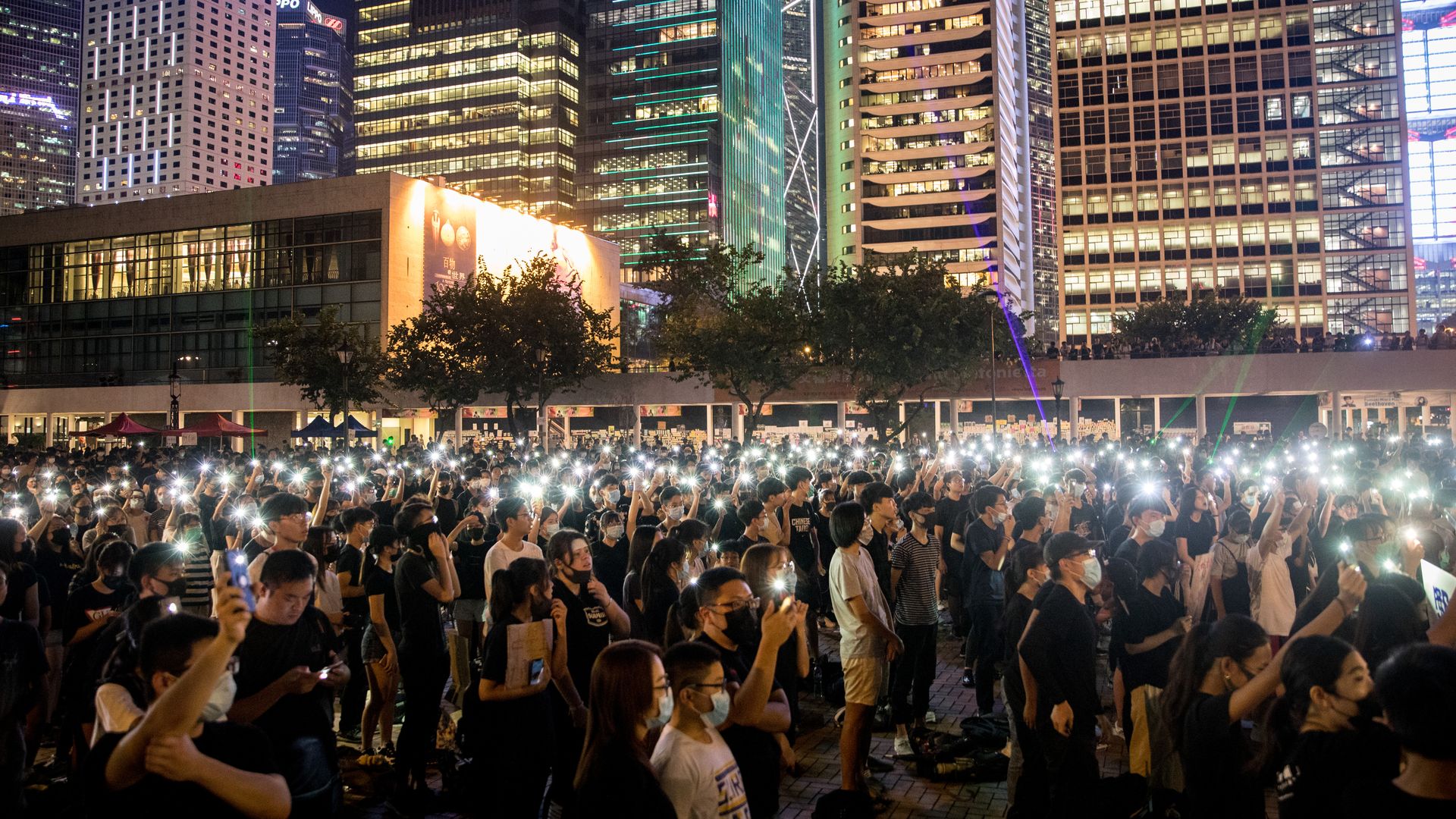
Google, which owns YouTube, announced Thursday that it shut down more than 200 channels for spreading disinformation about Hong Kong, which has been overwhelmed by pro-democracy protests for nearly 12 weeks.
Driving the news: YouTube is following in the footsteps of Facebook and Twitter, both of which flagged hundreds of similar accounts earlier this week. Twitter since announced that it will no longer permit advertising from "state-controlled news media entities."
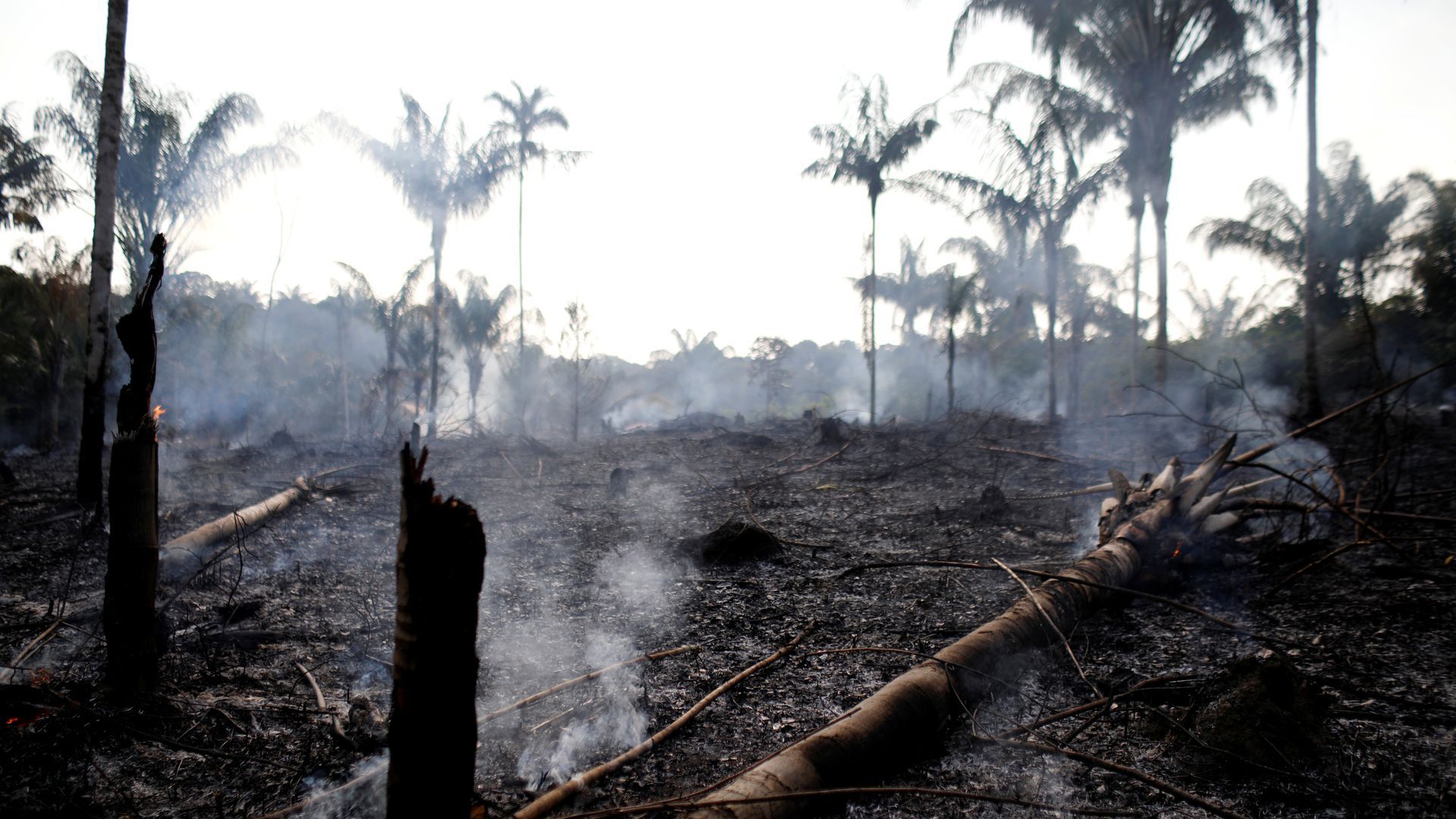
The Amazon rainforest is burning faster than usual, it's most likely because of humans clearing land for agriculture, and it will make efforts to fight climate change harder if it doesn't stop fast.
Why it matters: "By one recent estimate, the trees of the Amazon rainforest pulled in carbon dioxide equivalent to the fossil fuel emissions of most of the nine countries that own or border the forest between 1980-2010," the BBC reported.
The international industry of disinformation-for-hire services has already reared its head in Western politics, and it's growing fast.
The big picture: There is no U.S. law that prevents candidates, parties or political groups from launching their own disinformation campaigns, either in-house or through a contractor, so long as foreign money isn't involved. It's up to individual candidates to decide their tolerance for the practice.