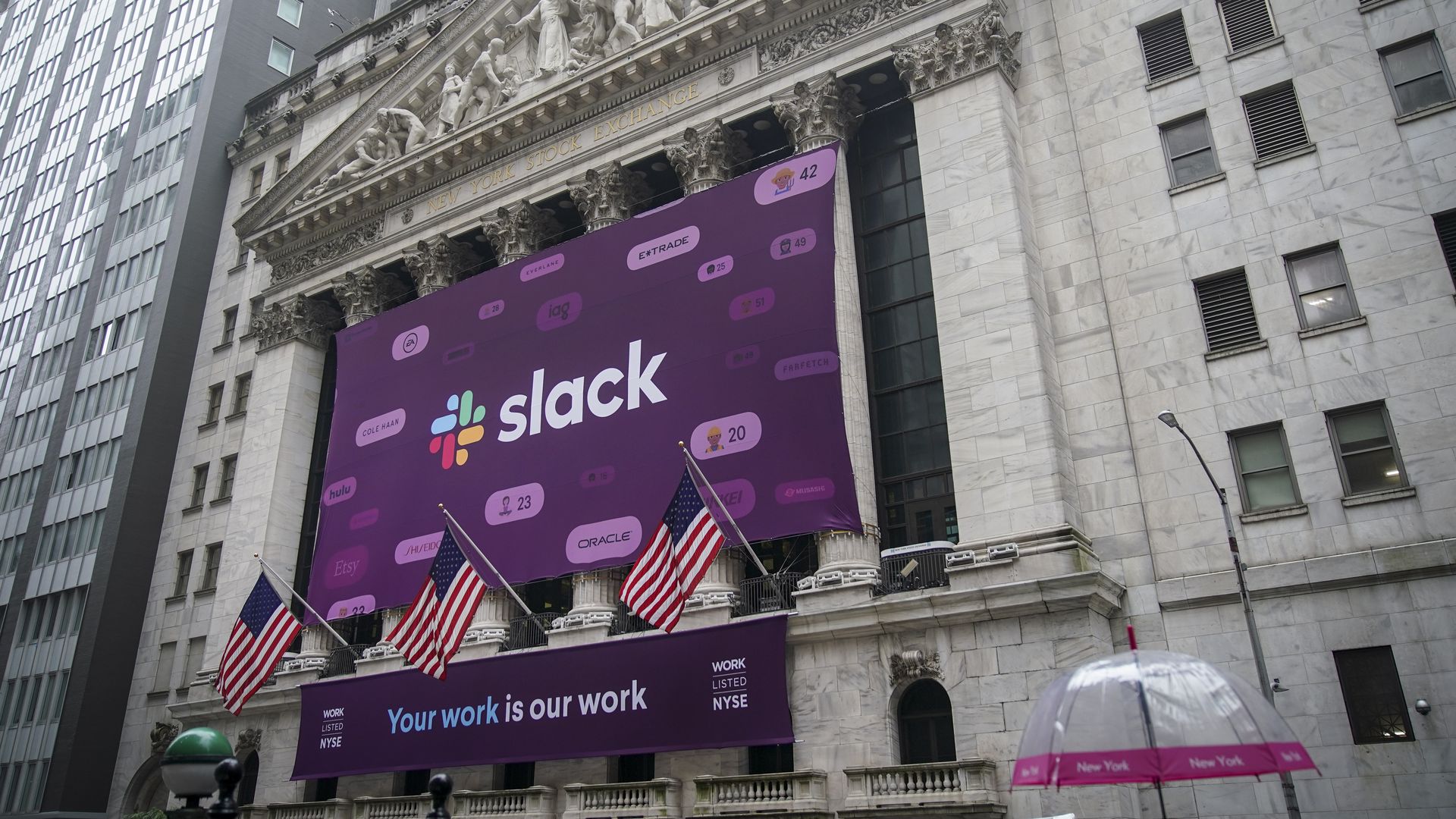
Slack closed its first day of trading on the public market at $38.62 a share, 0.3% up from its opening price of $38.50.
The bottom line: It didn't close notably higher than its opening price, but a steady first day is a good result for Slack's unorthodox choice of a direct listing.
Slack, the workplace chat app going public on Thursday, opened trading at $38.50 per share after the NYSE issued a reference price of $26 Wednesday, giving it a market cap of $23 billion, more than three times its last private valuation of $7.1 billion in 2018.
Yes, but: It still has to maintain low-volatility (a concern with direct listings) and keep its price up.
Slack Technologies, the workplace chat service, will go public on the New York Stock Exchange today via a direct listing.
Why it matters: It's only the second direct listing from a major tech company and the first from a non-consumer service (Spotify blazed the trail last year). And if it’s a success, it could push Airbnb closer to taking the same path.
A new bill aimed at increasing accountability of online Big Tech platforms has raised concerns that it may create problems worse than the ones it's trying to solve.
Details: The bill, introduced by Sen. Josh Hawley (R-Mo.), would open up platforms like YouTube and Facebook to lawsuits about content they host, unless federal regulators certified that their moderation of content was not "biased against a political party, political candidate, or political viewpoint."
Concern about kids' use of YouTube has long been simmering. It bubbled over yesterday, with reports on a "late stage" FTC inquiry and initiatives within the company to revamp its policies.
Why it matters: YouTube is widely used by kids, and most of their viewing happens on the main site, even though its dedicated YouTube Kids site provides more protections.
In 10 short years, Uber's ride-hailing service has become so ubiquitous that people use "uber" as a verb. For its next act, Uber wants to manage everything about how you get around, whether on the roads or sidewalks, underground or in the air.
The big picture: Like Amazon, which started selling books online and now delivers almost everything right to your door, Uber aims to leverage its digital expertise from ride-hailing to become a one-stop shop for transportation.
In an increasingly lucrative market, dozens of companies and startups are selling futuristic-looking headgear that promise to connect to your brain to relieve stress, enhance memory, improve sleep or increase focus.
But, but, but: Experts suggest these products make mostly unsubstantiated claims and in some cases can harm unwary buyers.
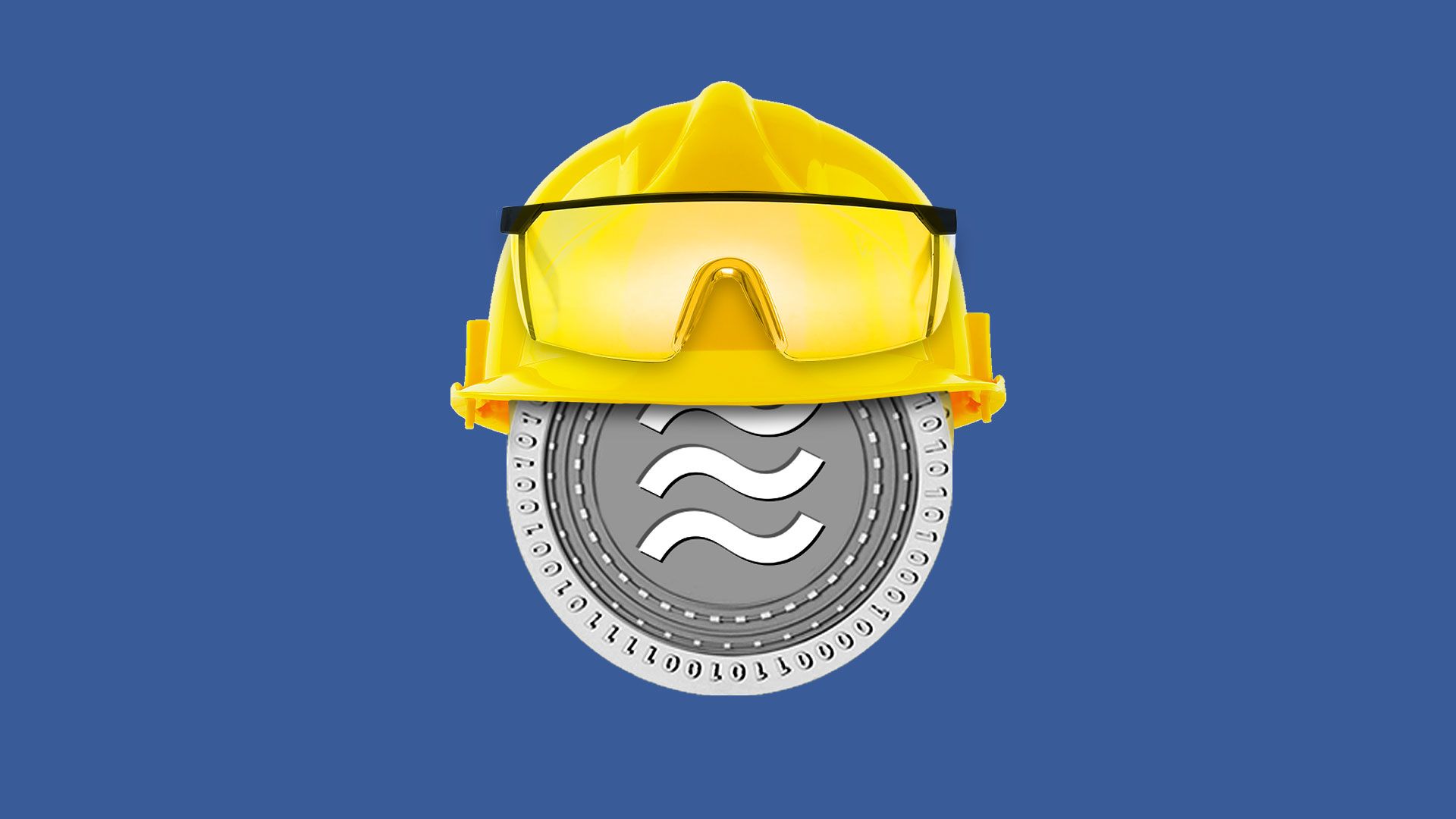
Fed Chairman Jerome Powell said on Wednesday that Facebook has discussed its plans for its Libra cryptocurrency with the Federal Reserve:
"It’s something we’re looking at... we would wind up having quite high expectations from a sort of safety and soundness and regulatory standpoint if [Facebook does] decide to go forward with something."
The Federal Trade Commission is in the late stages of a probe into YouTube's handling of children's content following multiple complaints from privacy advocates, the Washington Post reports.
Details: The complaints allege that YouTube fails to protect children's privacy and has partaken in improper data collection. The investigation, which could result in fines, has reportedly catalyzed discussions on children users that include overhauls to recommended video algorithms.
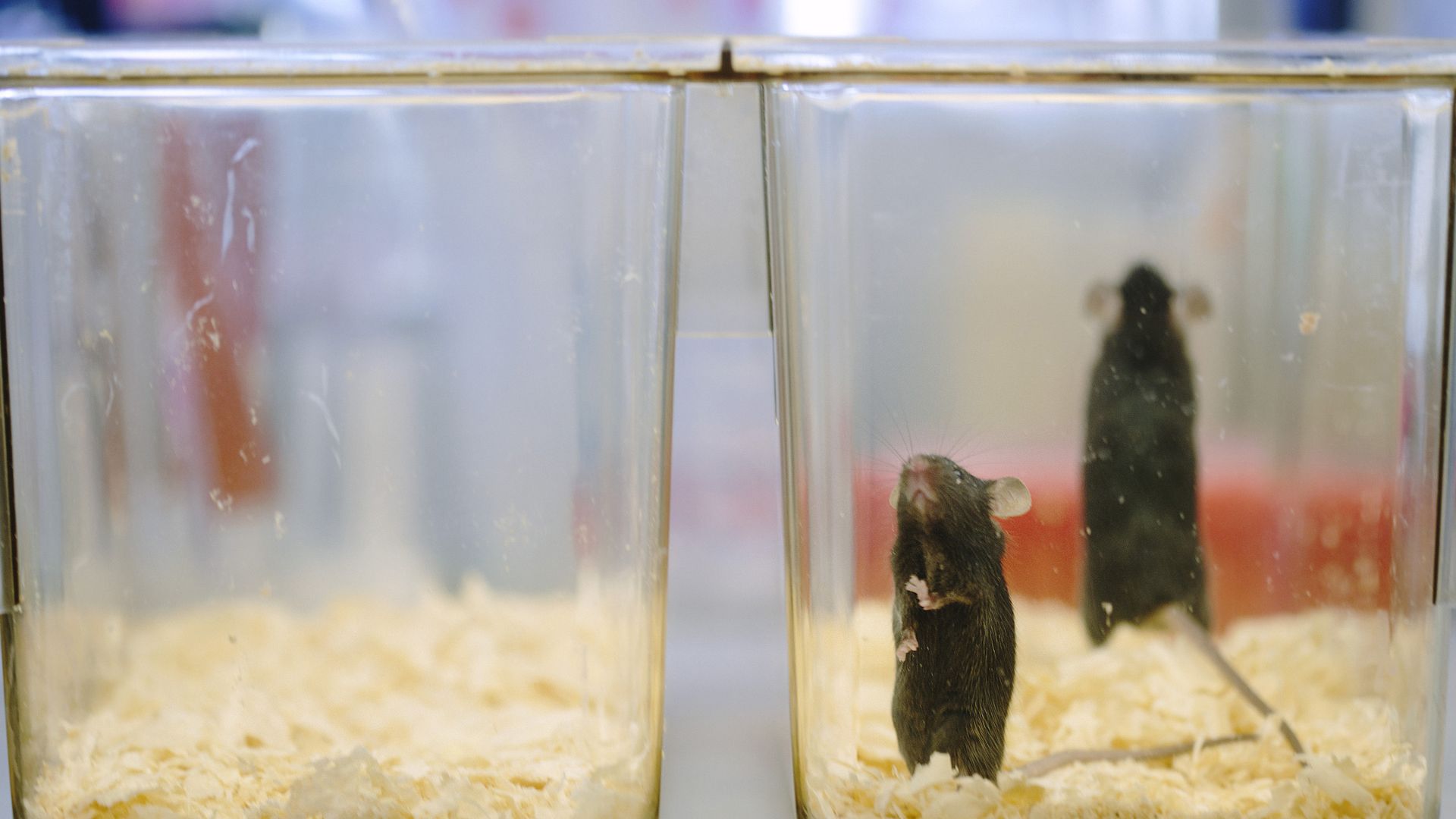
Neuroscientists studying birds, mice, and fish are landing seven-figure salaries in Silicon Valley to help advance artificial intelligence for self-driving cars and more, reports Bloomberg.
The big picture: Tech companies are raiding universities for specialized animal researchers to help them understand how mice and other animals learn in hopes of teaching computers or autonomous vehicles to do the same.
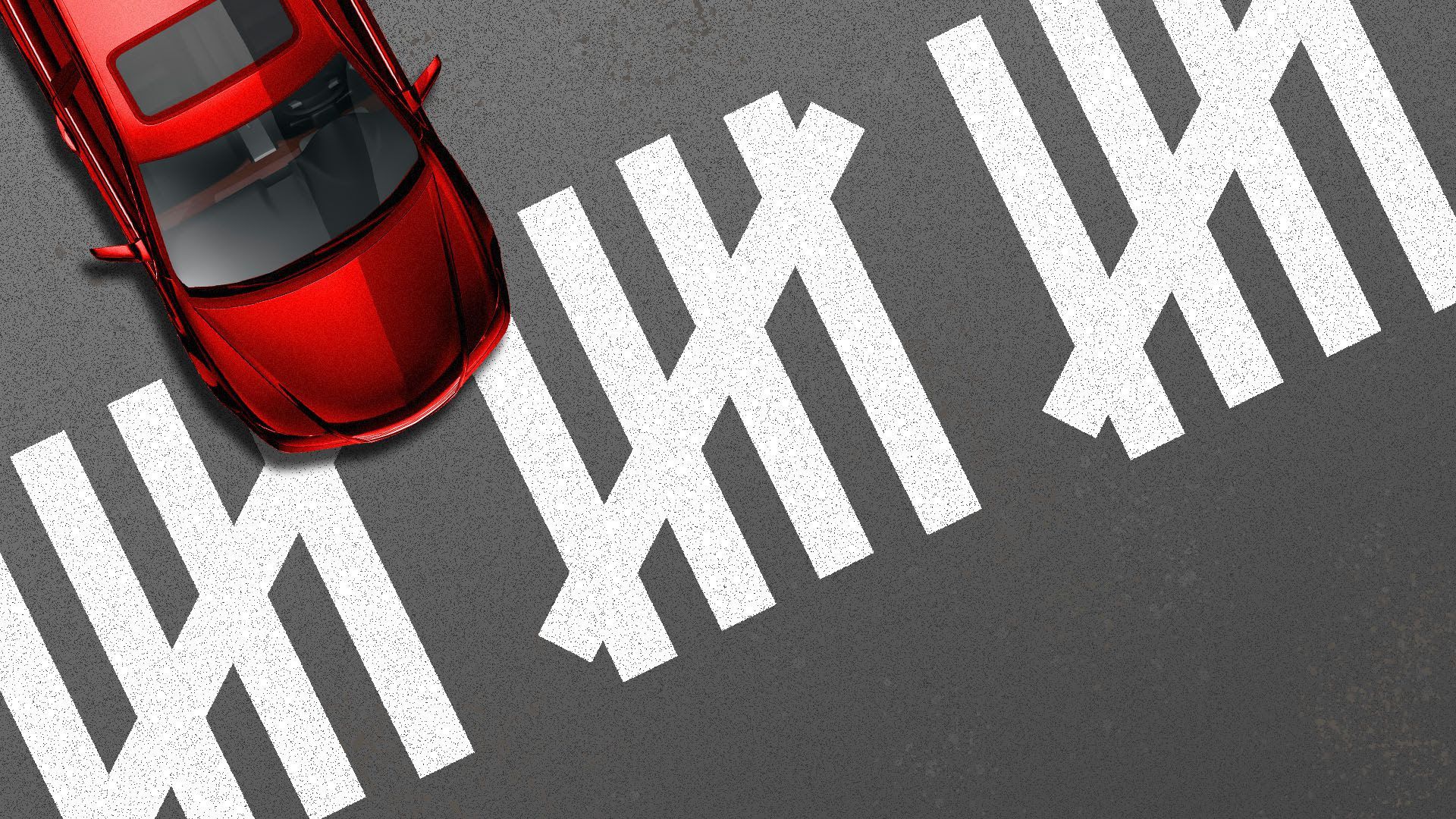
The number of U.S. traffic fatalities remains stubbornly flat, while deaths among pedestrians and bicyclists are rising, despite available crash avoidance technology that could help.
The big picture: In a largely self-regulated industry, it's up to carmakers to decide which safety features to install in their cars, leaving potentially life-saving technology on the shelf. As they work to perfect self-driving cars, they must weigh valid safety concerns against whether there is a moral imperative to deploy autonomous vehicle technology faster if it will help save lives.
The effort to commercialize fully autonomous vehicles has spawned an array of supporting hardware and software technologies whose impact could extend well beyond AVs.
The big picture: Fierce competition during the mobile computing boom led to better, cheaper components — cameras, batteries, wireless chips — that in turn transformed technologies from satellites to drones. A similar process could play out with AVs, as the billions of investment dollars pouring into the sector enable advances that spill over into retail, health care and other parts of the economy.
Facebook's plan for its Libra cryptocurrency illustrates one of Silicon Valley's most durable principles: Tech revolutions tend to start with a radical idea but don't spread unless the idea is made safe for business.
Why it matters: If Facebook succeeds in its bid to domesticate cryptocurrency, following in the footsteps of open source software and the internet itself, it could outflank the global currency system and leave the social network as keeper of everyone's money.
The tech industry, long accustomed to seizing the spotlight by unveiling innovations and winning applause with product launches, is adjusting to a new kind of conversation — one that's full of doubts and questions about its wares.
Why it matters: With public criticism mounting and regulatory pressure rising, companies like Google, Facebook, Apple and Amazon can choose to participate in the critical dialogue — or circle the wagons and fight.




/2019/06/20/1561042605777.gif?w=3840)

/2019/06/19/1560976223040.gif?w=3840)