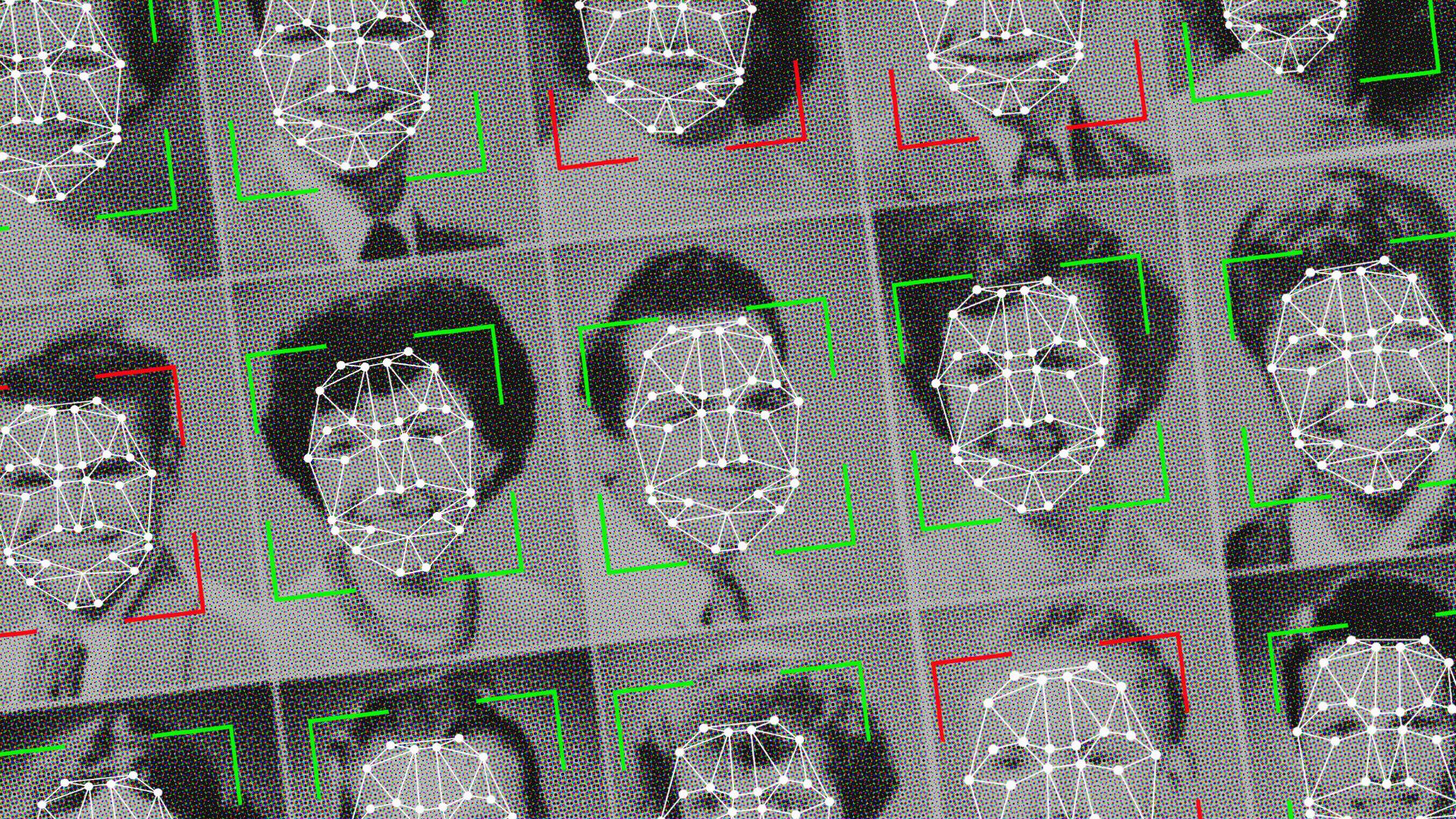
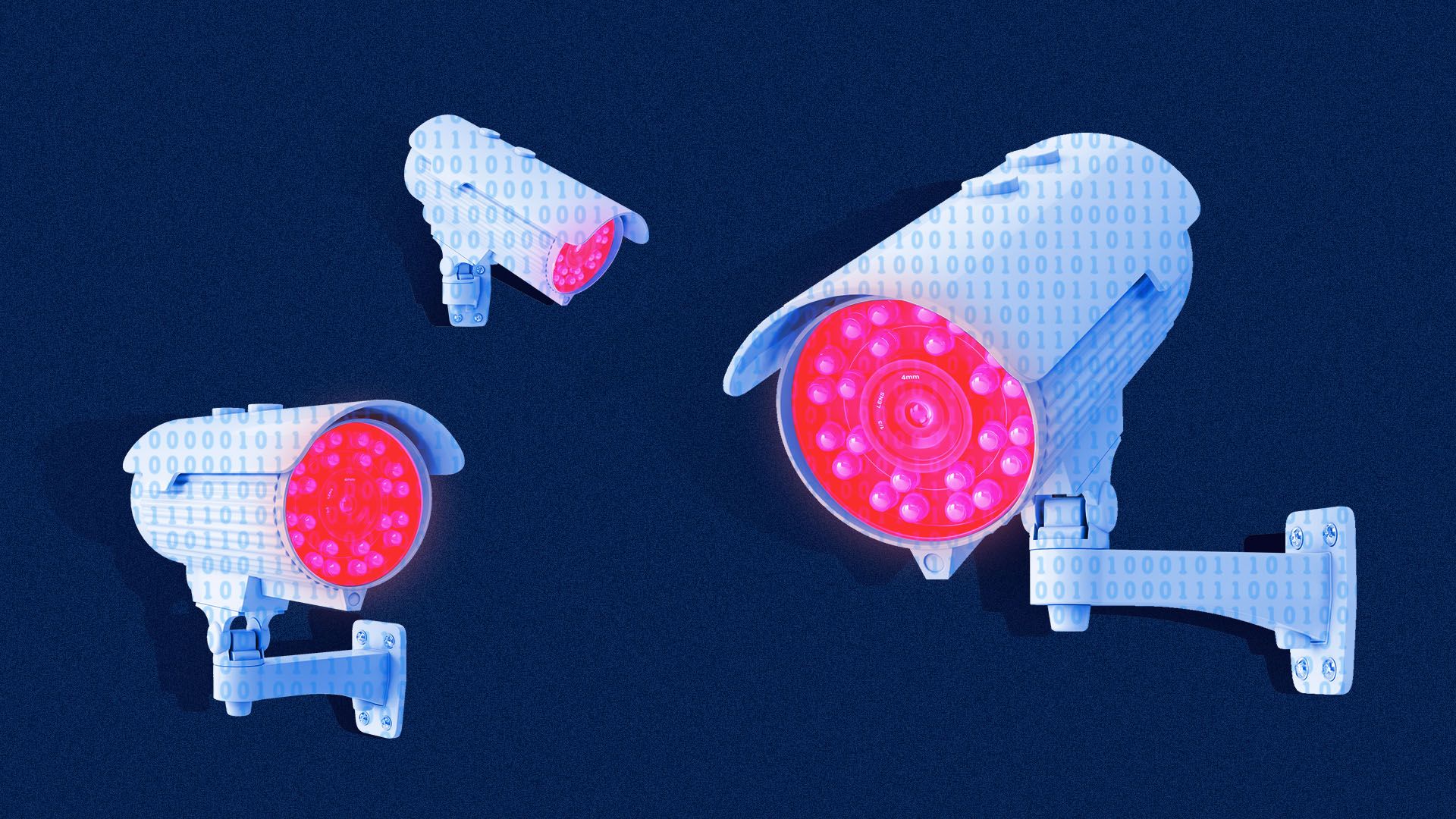
23 House Democrats have signed a letter to acting Homeland Secretary Kevin McAleenan expressing concern over reports of facial recognition systems being used on American citizens.
The big picture: Regulating facial recognition software has bipartisan support. Republicans and Democrats are worried about potential abuse of power by law enforcement and have suggested implementing federal laws to restrain the technology. Others are concerned it could be used as a tool for authoritarian surveillance, as in China and other states.
Just 12 years after the first iPhone, almost every conceivable smartphone consumer on the planet currently owns one — some 4 billion people, according to the consensus. Which has begotten a surprising new trend: a still-small but growing chorus of forecasts (like this) of the smartphone’s demise.
What’s happening: According to the smartphone naysayers, it might look like we are bionically tethered to our devices, but we are actually poised to shed our reliance on them, one function after another. We will turn to our cars to make phone calls, send and receive texts, and get directions. Wearables and home smart assistants will do tasks, make payments, and help us stay on schedule.
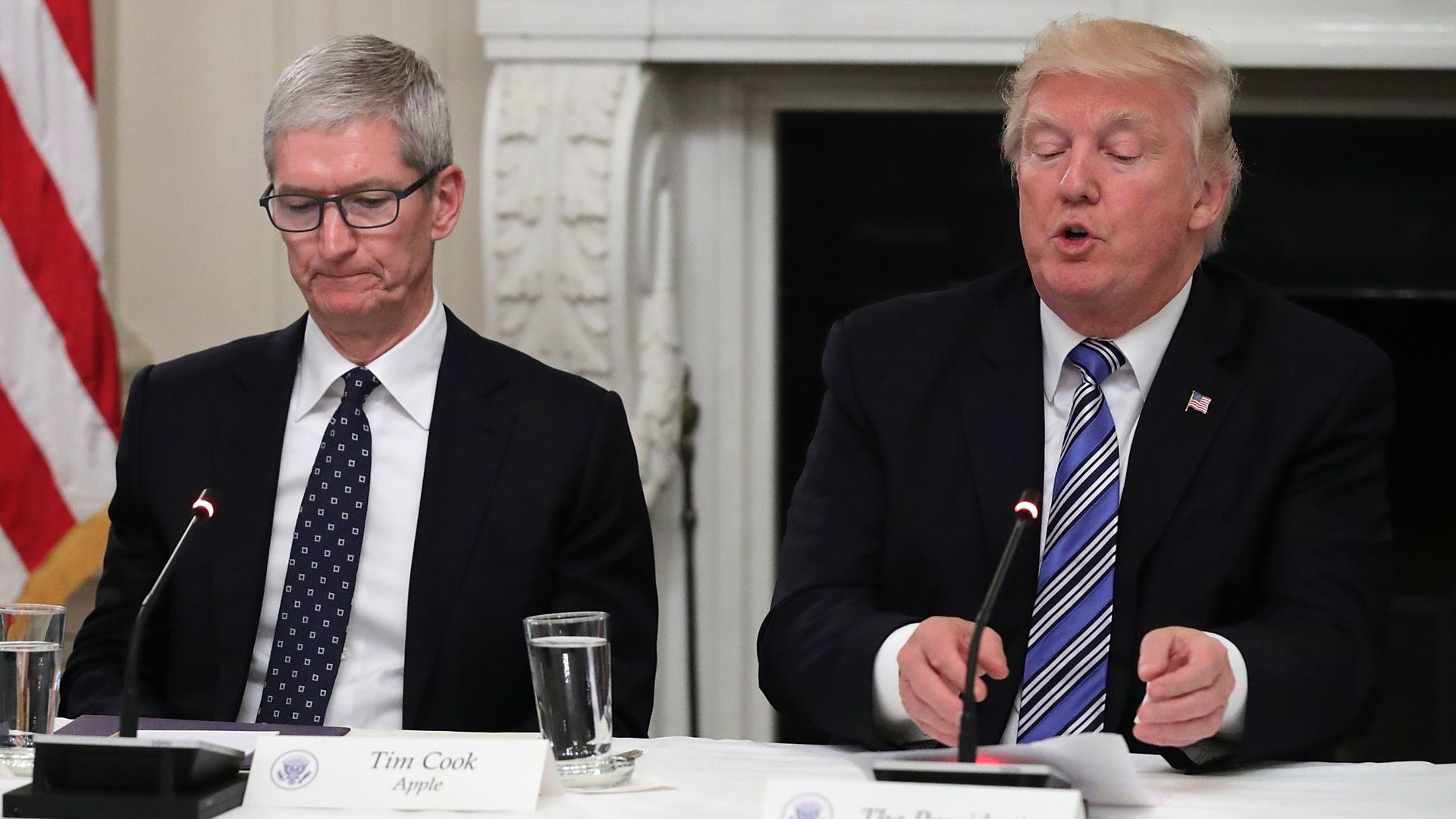
Driving the news: It's not clear what was discussed, but it's hard to believe trade relations with China wasn't on the agenda — given the president's threat to impose an estimated $300 billion in tariffs on Chinese-made goods, including the iPhone.
Huawei's U.S. security chief Andy Purdy says the U.S. is right to want to make sure its networks are secure. But he maintains that, in the quarrel the Trump administration has picked with his company, it has focused on the wrong things and mixed up trade issues with security concerns.
What they're saying: "I don’t trust anybody. We cannot and should not trust anybody," said Purdy, who was an assistant U.S. attorney and acting director of the U.S. national cybersecurity division before joining Huawei in 2012. "That’s the way we make America safer."
There are millions of surveillance cameras in the U.S., but not nearly enough eyes to watch them all. When you pass one on the street, you can rightly expect your actions to go unnoticed in the moment; footage is instead archived for review if something goes wrong.
What's happening: Now, AI software can flag behavior it deems suspicious in real-time surveillance feeds, or pinpoint minute events in past footage — as if each feed were being watched unblinkingly by its own hyper-attentive security guard. The new technology, if it spreads in the U.S., could put an American twist on Orwellian surveillance systems abroad.