GM CEO Mary Barra, facing an aggressive timeline to launch a self-driving taxi fleet, tells "Axios on HBO" they won't deploy the technology until it is safer than a human driver.
Why it matters: In a largely self-regulated industry, it is up to carmakers to demonstrate when self-driving cars are ready for deployment. The race to be first means the buzz and hype have often gotten ahead of the reality.
YouTube CEO Susan Wojcicki wants rules. "From a policy standpoint, we need to be consistent," Wojcicki told Axios' Ina Fried on Monday. "If we took down that content, there would be so much other content that we would need to take down."
The state of play: There are two kinds of enforcement mechanisms. Silicon Valley engineers naturally gravitate towards rules-based systems: If this, then that. Once you set the rules, the job of enforcing them becomes routine. The alternative is a principles-based system. In the legal system, principles can be found in areas like sentencing guidelines or even the "reasonable doubt" test.
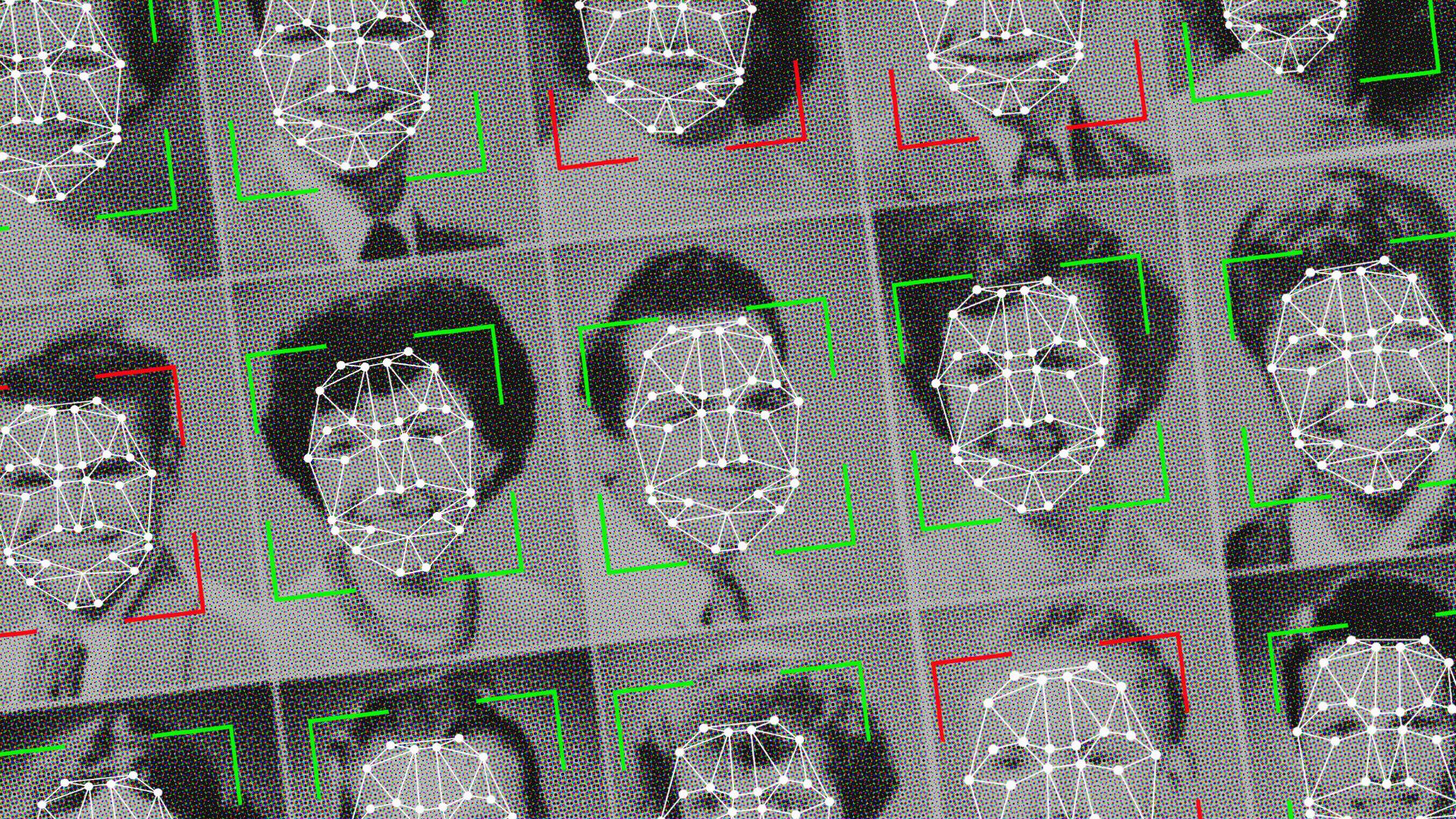
23 House Democrats have signed a letter to acting Homeland Secretary Kevin McAleenan expressing concern over reports of facial recognition systems being used on American citizens.
The big picture: Regulating facial recognition software has bipartisan support. Republicans and Democrats are worried about potential abuse of power by law enforcement and have suggested implementing federal laws to restrain the technology. Others are concerned it could be used as a tool for authoritarian surveillance, as in China and other states.
Just 12 years after the first iPhone, almost every conceivable smartphone consumer on the planet currently owns one — some 4 billion people, according to the consensus. Which has begotten a surprising new trend: a still-small but growing chorus of forecasts (like this) of the smartphone’s demise.
What’s happening: According to the smartphone naysayers, it might look like we are bionically tethered to our devices, but we are actually poised to shed our reliance on them, one function after another. We will turn to our cars to make phone calls, send and receive texts, and get directions. Wearables and home smart assistants will do tasks, make payments, and help us stay on schedule.


/2019/06/16/1560708294537.gif?w=3840)