Normally, making something safer means reducing the amount of money you need to pay to insure it. But that's not the case with today's autos.
The big picture: As cars evolve from being mostly mechanical to being computers on wheels, they become increasingly fragile, especially around the periphery. A CPU can sit safely in the center of the vehicle, but the sensors can't.
The midterms gave Democrats control of the House of Representatives while the Republicans held onto the Senate. As Axios' David McCabe writes, the fallout is that Congress may start aiming harder at Big Tech. Here are five stories this week buried beneath the election coverage.
Catch up quick: Amazon will now sell Apple-authorized products; traditional sports are looking to new tech to survive; GitHub users created 100 million repositories; Tesla picked Robyn Denholm as new board chair; and the Supreme Court will not hear challenges to net neutrality regulations.
Sellers that are using Amazon's pilot shipping program in Los Angeles are reporting costs 50% cheaper than prices offered by UPS, CNBC reports.
Why it matters: Amazon is going after FedEx and UPS with steep discounts as it looks to court more sellers to try its pilot shipping service that launched this year. The discount program is an example of how Amazon is hitting the shipping companies hard, especially for the upcoming holiday season.
Singles Day sales for Chinese e-commerce giant Alibaba smashed Amazon's Prime Day sales in less than 10 minutes, Business Insider reports.
By the numbers: The company logged $6.5 billion in sales in its opening 20 minutes. Amazon's Prime Day sales are estimated to have eclipsed $4.2 billion over a 36 hour period.
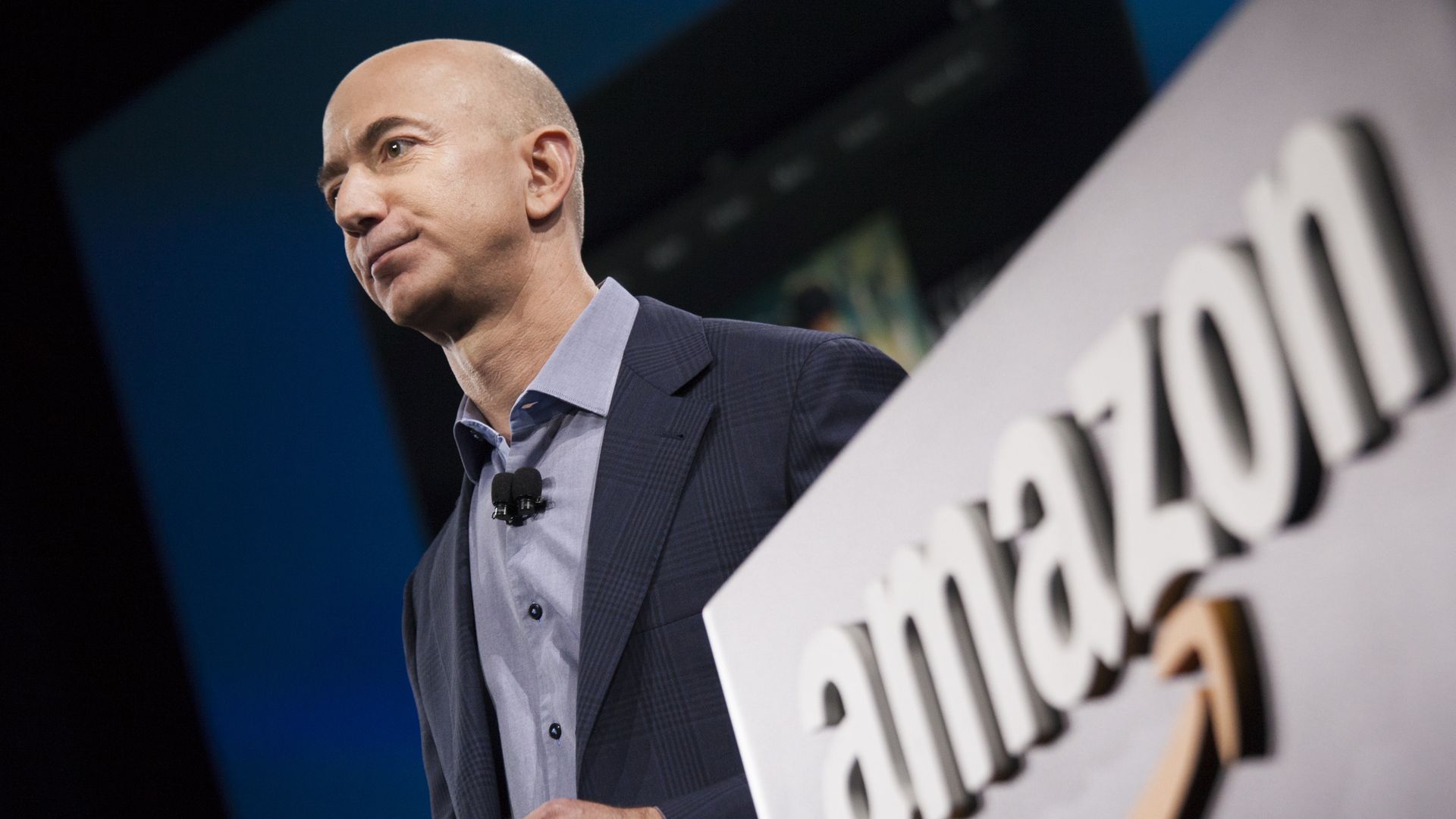
Concern about antitrust action from Washington may be influencing how Amazon selects its much-sought new headquarters — specifically pushing it to favor the D.C. area. We asked legal scholars whether the government actuallyhas a case against Amazon — as President Trump has threatened — and what antitrust action would look like.
The backdrop: One of the leading thinkers on an Amazon breakup is Lina Khan,author of a seminal paper called "Amazon's Antitrust Paradox" while at Yale Law School. Khan argues that antitrust laws that focus on prices are ill-equipped to address Amazon's market power.