Saturday's technology stories


Report: Apple to acquire Shazam
Apple is getting close to acquiring song recognition app Shazam, sources tell TechCrunch.
Why it matters: Shazam and Apple already have history together—in 2014, the two inked a deal to let Apple's Siri identify songs playing via Shazam's technology. An acquisition would be a natural deepening of that partnership that could both help iOS strengthen its sound-indentification tech and help drive more song purchases via iTunes (which it already does) and convert more users to the Apple Music subscription service.
- Shazam's tech can also help bolster Apple's HomePod, a music-focused, Siri-powered home speaker it unveiled in September

The media's Russia probe meltdown: 3 screw-ups in one week
The media is having a rough week when it comes to reporting on the federal government's multiple ongoing Russia investigations. Three stories in the past seven days have crumbled under greater scrutiny.
Why it matters: In today's hyperpolarized world, "fake news" has become a refrain to describe stories that observers on both sides of the spectrum decide that they don't like. These reporting issues by esteemed media organizations give credence to that ignorance, which further damages the value of insightful, impactful reporting — especially when it comes to one of the biggest, most polarizing stories of our political age: the Russia probe.
Twitter head of corporate development to depart
Jessica Verrilli, Twitter's vice president of corporate development and strategy, is leaving the company after almost nine years, she tweeted on Friday.
But now I’m ready to take time off, recharge, and figure out what’s next. I’m resigning from my role as VP of Corporate Development & Strategy and transitioning out over the holidays.— Jessica Verrilli (@jess) December 8, 2017
Why it matters: Verrilli, who helped Twitter acquire more than 30 companies (according to her LinkedIn profile), is the latest executive to leave the company in the last couple of years. This is also her second departure from Twitter—she had a four-month stint as an investment partner at GV (formerly, Google Ventures) in mid-2015 before coming back.

Trump admin nixes Obama bag fee rules
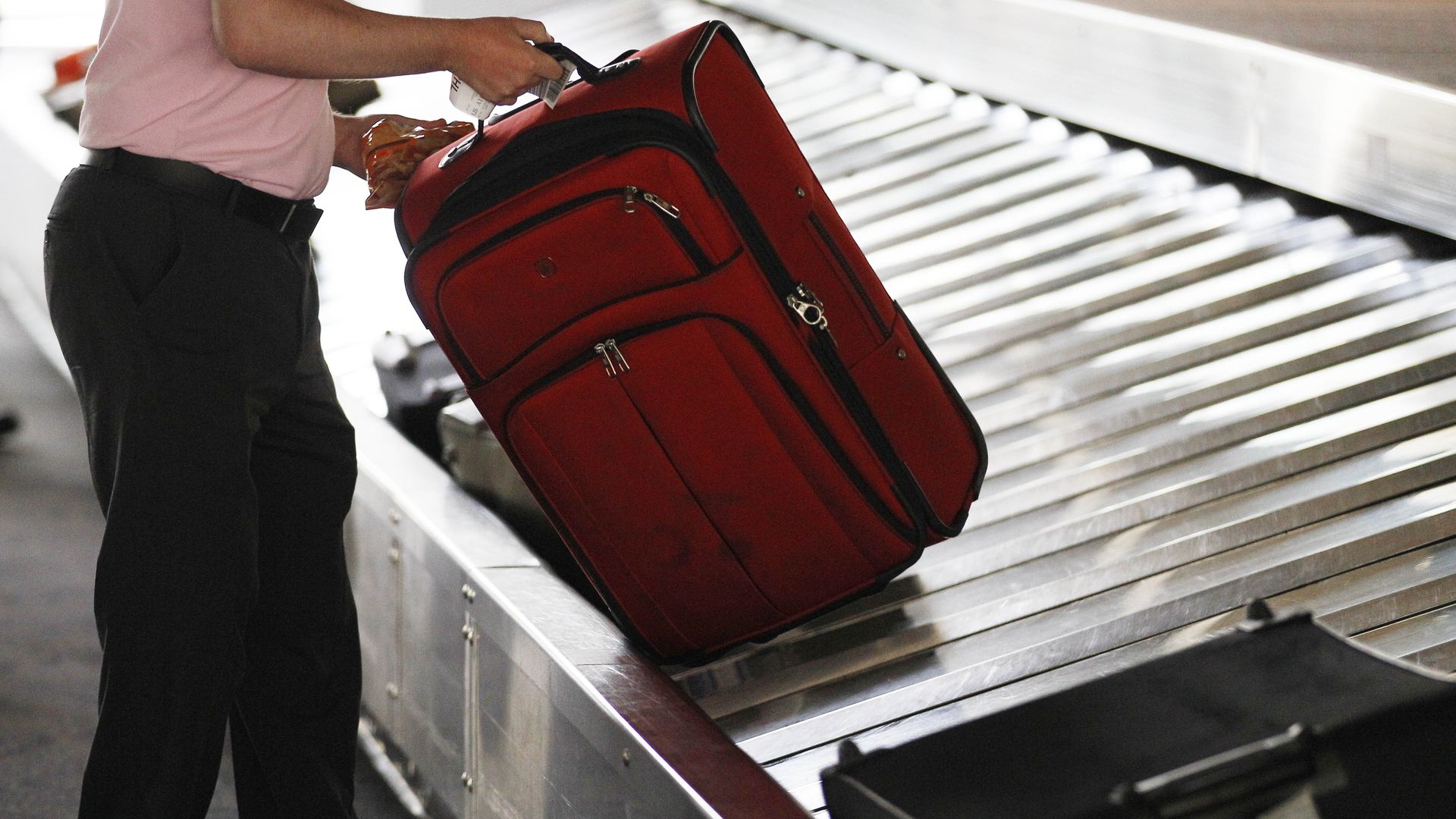
The Trump administration on Thursday scrapped an Obama-era proposal that would have required airlines and ticket agencies to disclose baggage fees at the start of a ticket purchase rather than later, and dropped another propose rule seeking to mandate disclosure of more information about revenue from fees charged for extra services.
The department said the proposals have “limited public benefit" and that airlines would" incur significant costs" if required to report data on revenue from fees such as early boarding.
Why it matters: Airlines are already required to disclose bag fees. But the Associated Press reports critics argue that the information is often hidden until after customers already purchased a ticket. Travel agents and websites that sell tickets also reportedly complain that airlines sometimes declined to disclose informatin on fees, preventing third-party sellers from providing passengers with a detailed total cost.
Uber inks deal with Singapore's largest taxi operator

Uber has agreed to sell a majority stake in its Singapore-based car rental business to the country's largest taxi company, ComfortDelGro, for SG$295 million. The combined venture will be valued at SG$642 million (US$474 million).
Why it matters: Uber competes in Singapore (and the rest of Southeast Asia) with local rival Grab, and this latest deal is sure to stiffen their competition. Grab is backed by SoftBank, which is currently in the midst of negotiating an investment in Uber.
- In Singapore, Grab has an estimated 10,000 licensed drivers, and the deal will give Uber exclusive access to ComfortDelGro's 15,000 drivers, according to TechCrunch.
China's ride-hailing giant said to be planning expansion to Mexico
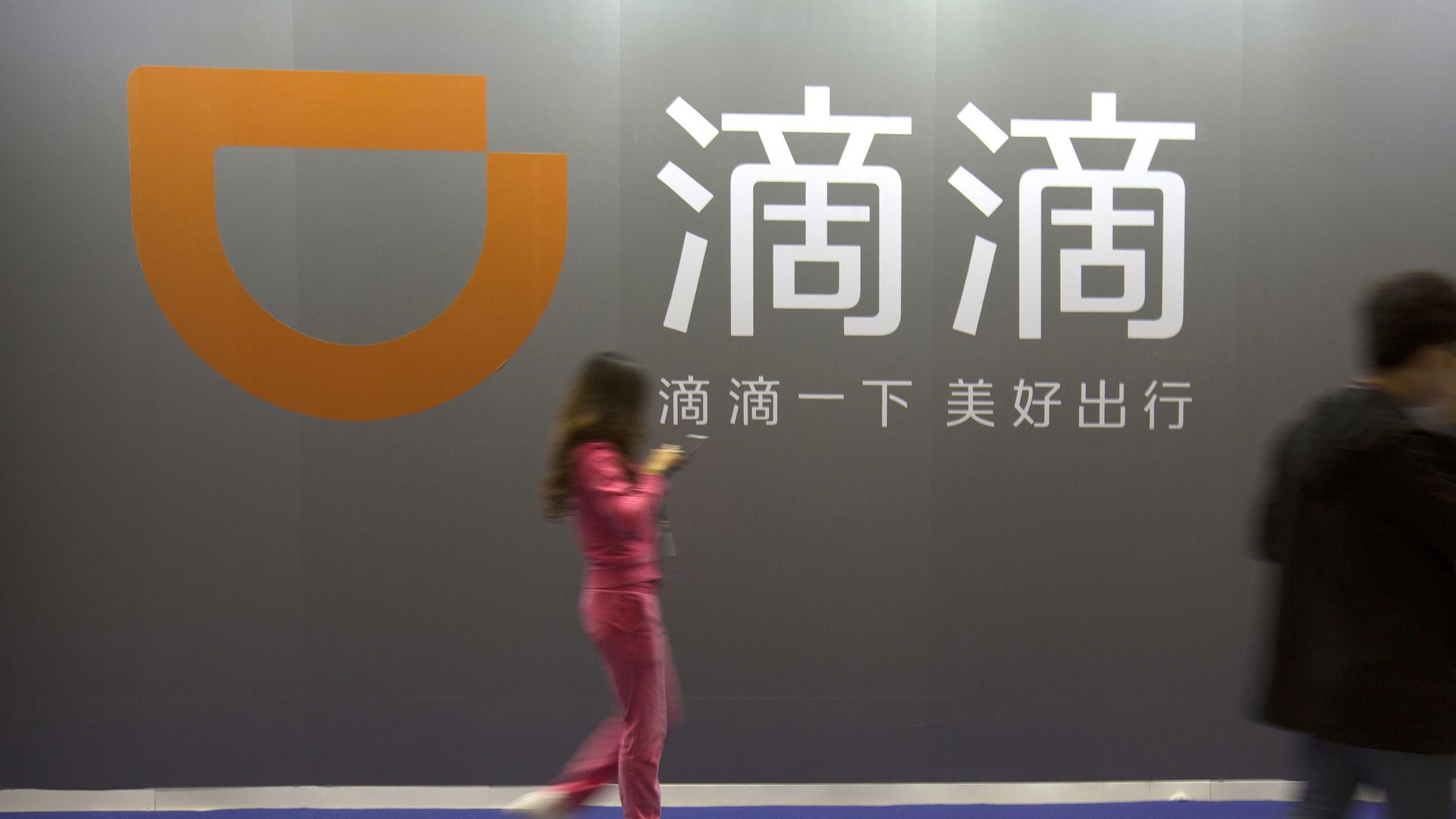
Didi Chuxing, China's biggest ride-hailing company, is reportedly planning to expand to Mexico next year as its first location outside of China, according to Reuters. A spokesperson declined to comment to Axios.
Why it matters: Didi's expansion into Mexico will put it squarely into competition with Uber, a long-time rival whose Chinese operations it acquired last year. So far, Didi has only competed with Uber indirectly, as an investor in other ride-hailing companies that rival Uber in their respective regions.