More than 18% of Americans are planning road trips to next year's FIFA World Cup matches.
Why it matters: That could mean big traffic jams for host cities.
By the numbers: Among modes of travel to the World Cup cities, the top choice highlighted in a survey from ParkMobile was traveling by car (47%), followed by plane (30%), train (3%), and bus (2%).
State of play: City officials are guiding fans toward public transportation as improvements are made ahead of next summer's tournament.
Only 12% of respondents to ParkMobile's survey said they prefer to take public transit to major events.
Almost90% of attendees from outside the host cities report a willingness to pay more for reserved, off-street parking during the World Cup compared to 80% of locals.
What's next: The first 2026 World Cup match in the U.S. kicks off in Los Angeles on June 12.
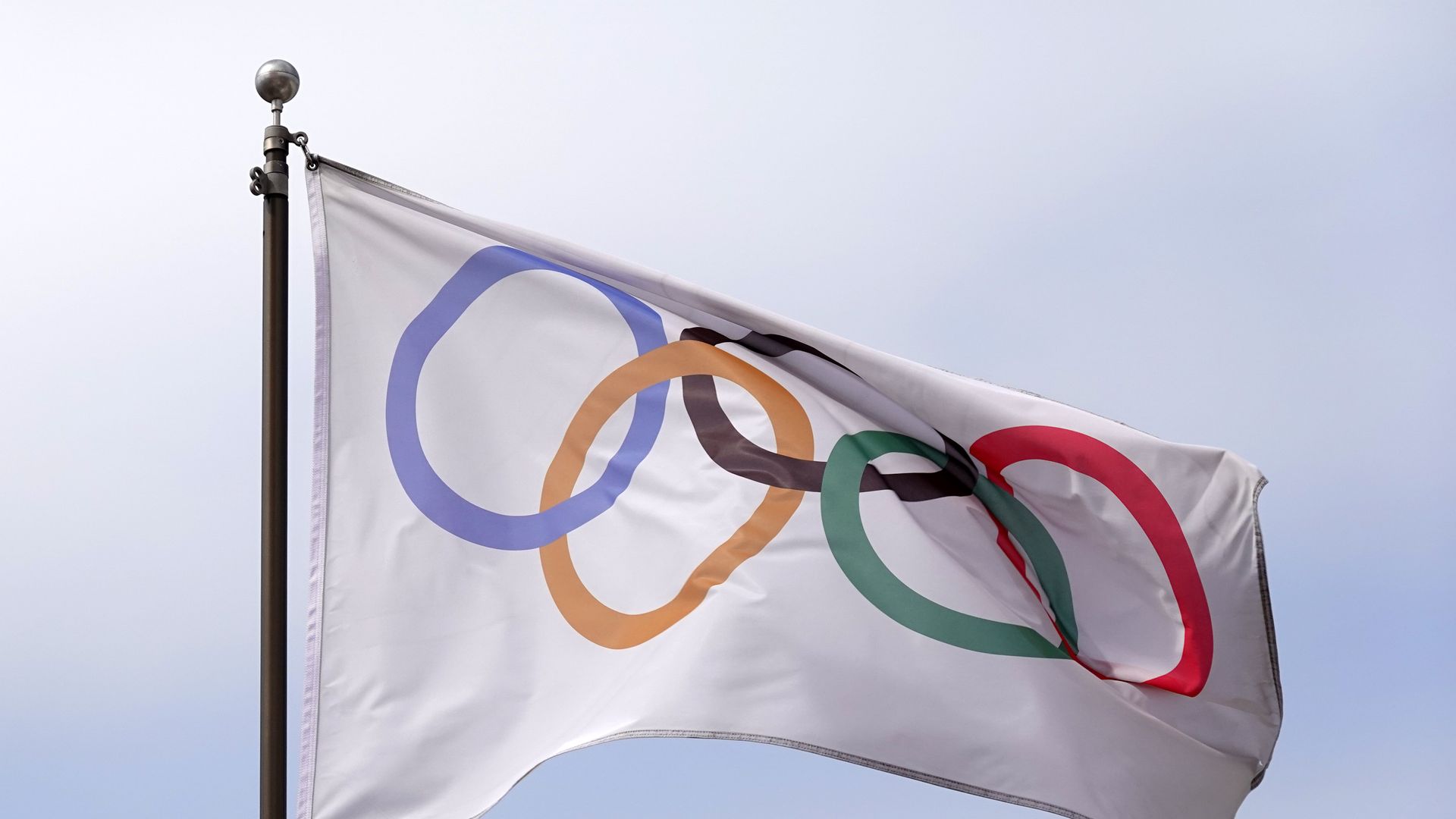
The U.S. Olympic and Paralympic Committee has updated its policies to ban transgender women from competing in women's sports, in line with President Trump's executive order.
The big picture: Trump's push to end protections for transgender people, including thebanning of trans athletes from women's sports, has left transgender and nonbinary people across the U.S. navigating an upended sports landscape.
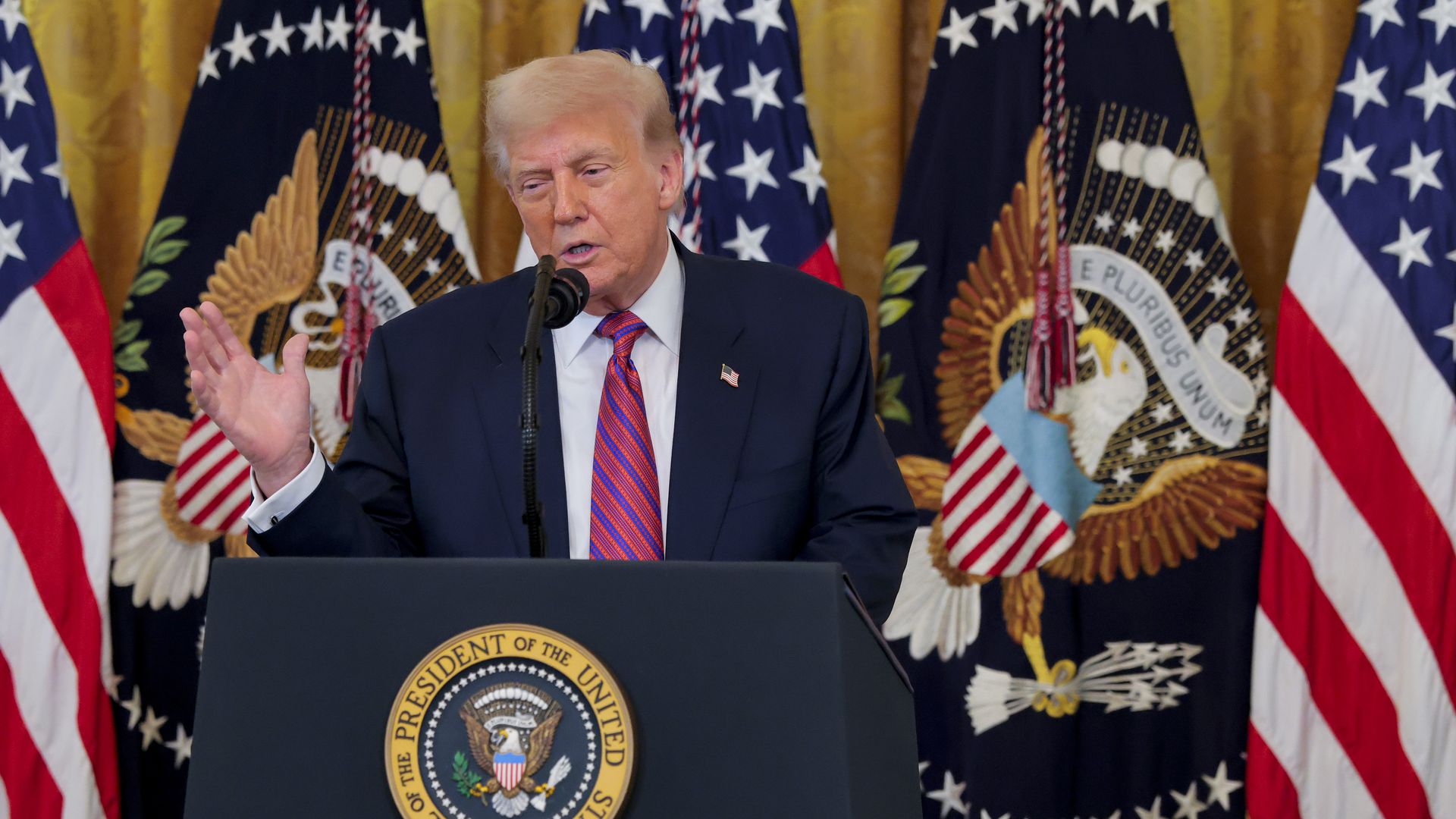
President Trump said he may move to block the Washington Commanders' new stadium as he called on the NFL team and also MLB's Cleveland Guardians to restore their old names.
The big picture: The Commanders changed their name from the Washington Redskins and the Guardians from the Cleveland Indians in the wake of an anti-racism movement that swept the U.S. after the 2020 murder of George Floyd and following years of activism and protests against the monikers that many Native Americans considered offensive.