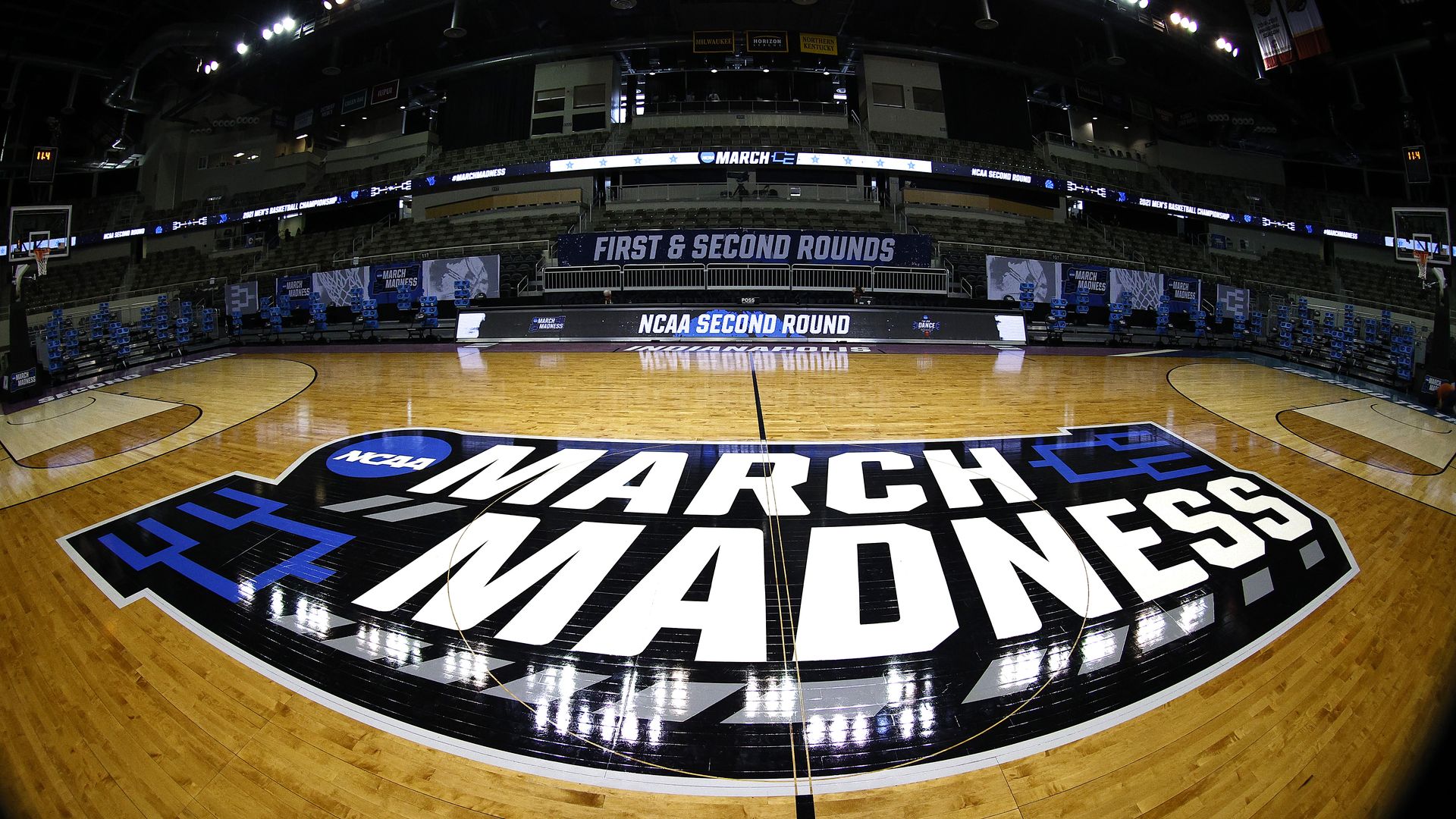
The NCAA spends more on male athletes than female athletes on average, especially when it comes to championship events, according to a report by a law firm the association hired to investigate its gender disparities.
Why it matters: The report by Kaplan Hecker & Fink is the latest piece of evidence to suggest the collegiate athletics body has a pattern of prioritizing men's sports over women's.
The Chicago Blackhawks released the findings of anindependent investigation Tuesday that centered on "disturbing" sexual misconduct allegations dating back to 2010.
Driving the news: The report found that the team's senior management had "violated" the Blackhawks' own sexual harassment policy and failed to properly address sexual harassment and assault allegations.
Black football and basketball players in the Power Five conferences lost approximately $1.2 billion to $1.4 billion per year from 2005 to 2019 — or roughly $250,000 a year per athlete — according to a new study.
Why it matters: "Casual observers of college sports recognize an unspoken truth — that unpaid, predominantly Black labor in football and basketball powers the multibillion-dollar enterprise of amateurism, enriching and benefiting coaches, administrators, and other athletes who are overwhelmingly White," wrote Ted Tatos and Hal Singer in an opinion piece about their research.
The owners of Kansas City's National Women's Soccer League team on Tuesday announced plans to construct a $70 million, 11,000-seat stadium.
Why it matters: The stadium, set to open in 2024, appears to be the first top-division soccer stadium constructed for a women's team, the Wall Street Journal notes.
The long-simmering debate about doubling the frequency of the World Cup has reached a fever pitch.
Driving the news: More than a dozen European nations have threatened to quit FIFA if it changes the World Cup to a biennial event — a strong statement that comes roughly two months before an official vote.