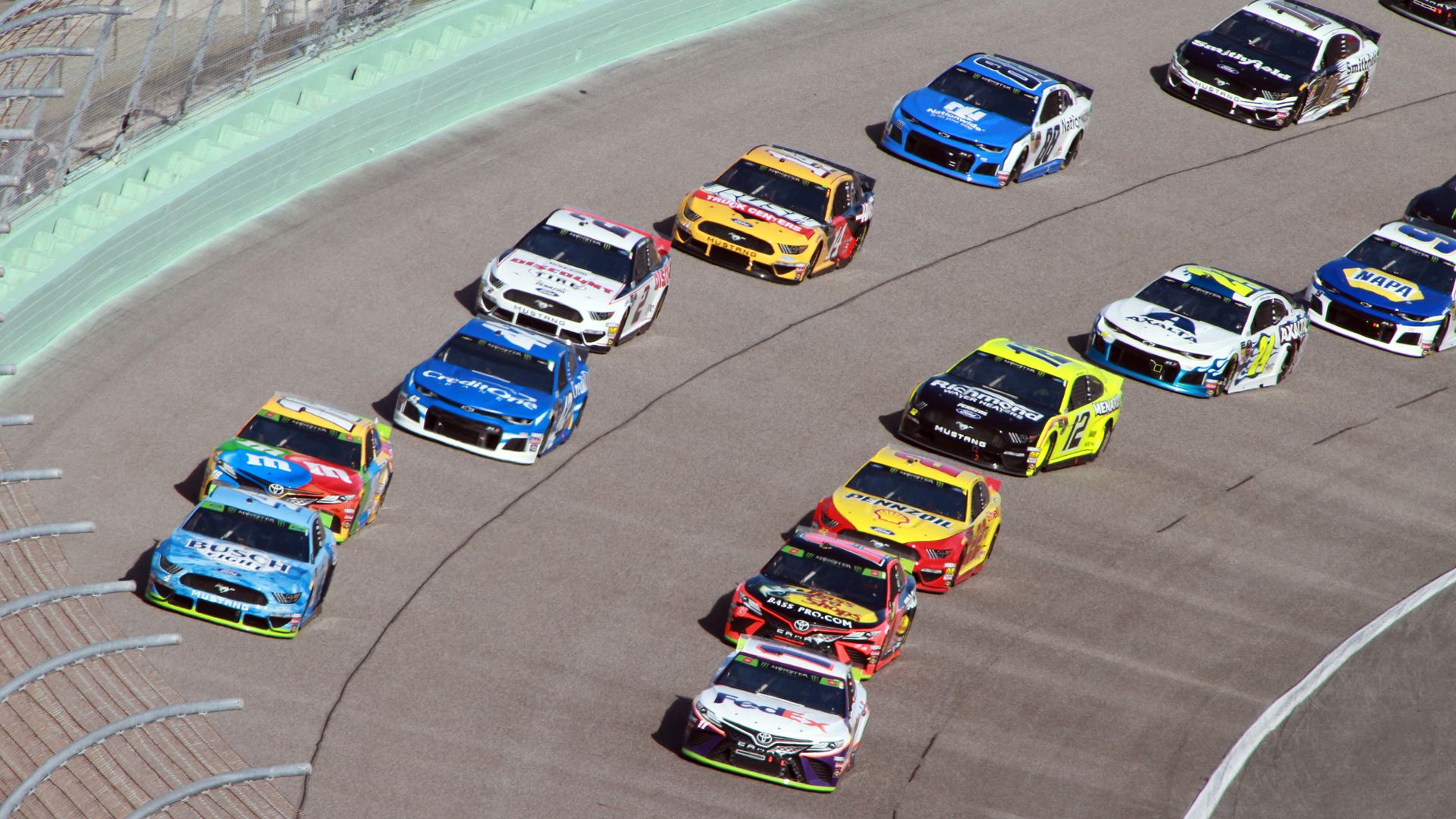
NASCAR will allow some fans to attend Florida's Dixie Vodka 400 race and Alabama's Geico 500 race this month, the company announced Tuesday.
Why it matters: The most coronavirus infections in Florida have been reported in Miami-Dade County, where the speedway is located. In contrast, Alabama's Talladega County is not reporting a high rate of coronavirus spread.
Josh Harris of Apollo Global Management and David Blitzer of Blackstone Group reportedly have held talks to buy the New York Mets from the Wilpon family, as first reported by Variety.
Why it matters: There is no baseball right now. And not too much hope for a season at all, as millionaire players and billionaire owners continue to stubbornly bicker over their respective shares of an ever-shrinking revenue pie. The Mets' dysfunction, on the field and off, appears to be contagious.
Home field advantage is important across virtually every sport, but judging by what we've seen in Germany's Bundesliga and other soccer leagues, the advantage it provides may vanish behind closed doors.
By the numbers: Since the Bundesliga returned in front of empty stands, home teams have won just 21.7% of matches (10 of 46 games), down from 43.3% before the shutdown, per ESPN. The same trends have been seen in Estonia (11 home wins after 29 games) and Czech Republic (10 home wins after 32 games).
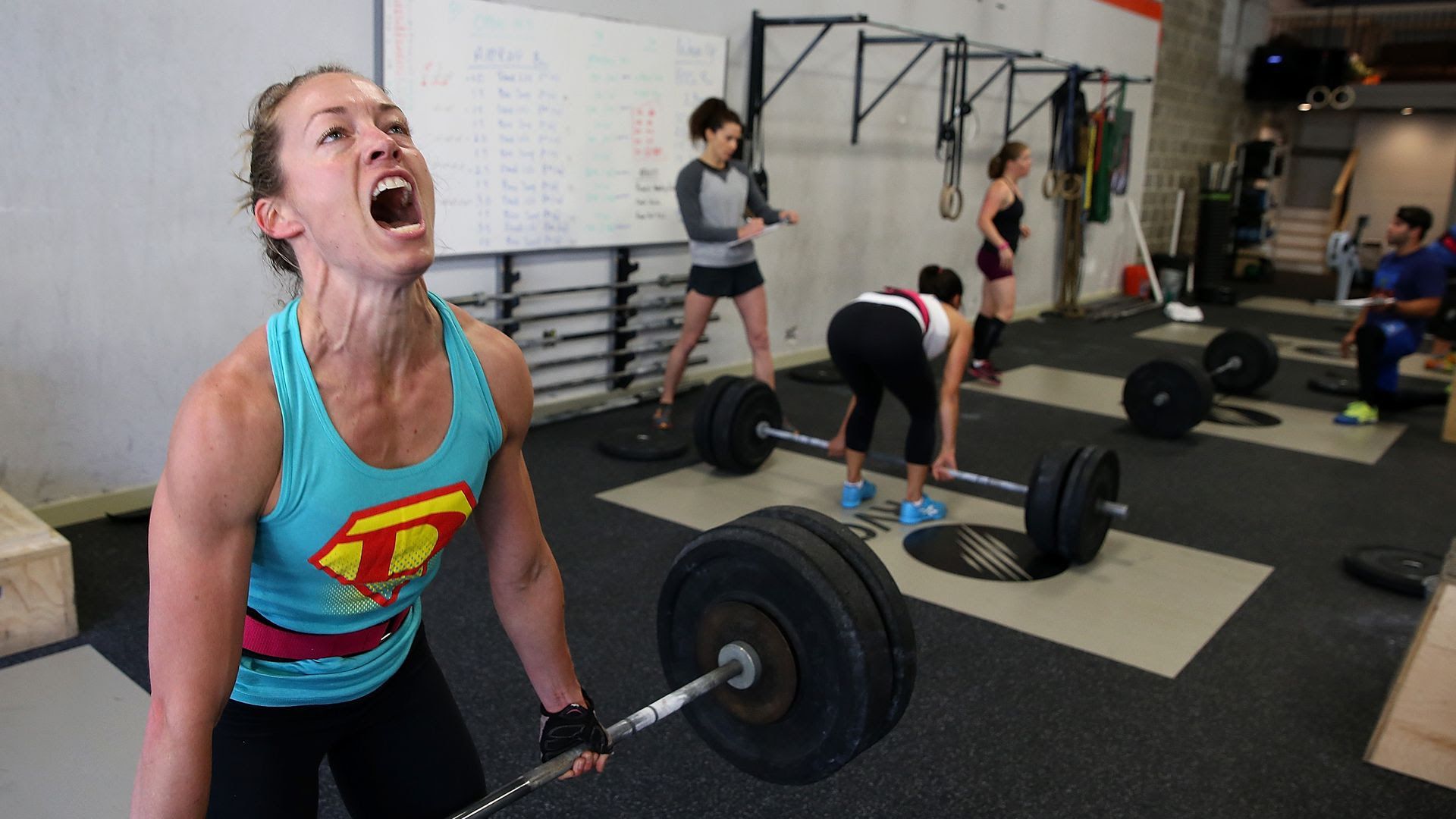
Multiple sponsors, affiliated gyms and athletes have abandoned CrossFit following a controversial tweet (and other comments) from company founder and CEO Greg Glassman about the death of George Floyd.
The backdrop: Founded in 2000, CrossFit has exploded in popularity as both a brand and a fitness regimen. Coaches become CrossFit-certified, gyms pay to be affiliated with the company and top-tier athletes compete annually in the CrossFit Games.
The NFL received a B for racial hiring in 2019, while the NBA received an A+, according to the Institute for Diversity and Ethics in Sport.
Why it matters: Of the big four leagues, the NFL and NBA have by far the highest percentage of black players — and this is a key way to view African American representation in both leagues in non-player roles.
Professional investors have largely abandoned the stock market amid the coronavirus pandemic, but sports bettors and bored millennials have jumped into the retail stock trading market with both feet.
Why it matters: They may be a driving force pushing U.S. stocks to their recent highs — and potentially driving them further.
118 of 123 teams (96%) across the big four American sports leagues have issued statements regarding George Floyd's murder and the ensuing nationwide protests.
Why it matters: A week ago, that number was 74 of 123 (60%), though we only reviewed Twitter last time. This week, we also included Instagram and Facebook.
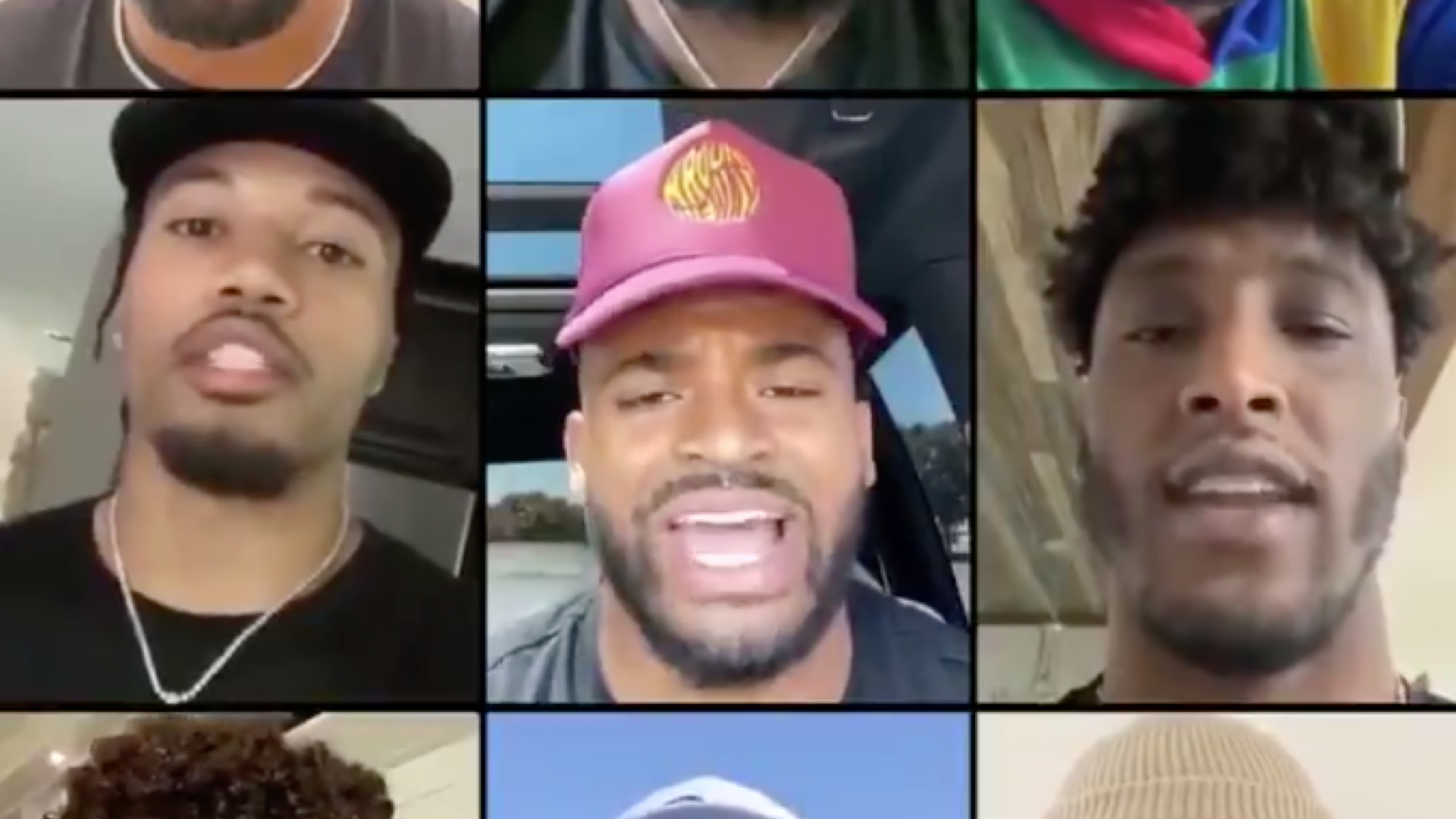
Over the course of 72 hours last week, some of football's brightest stars — with help from a pair of NFL staffers — successfully pressured the league to take a stand against racism and support their right to peacefully protest.
Why it matters: If actions follow words, then Wednesday, Thursday and Friday changed the NFL forever. And if actions don't follow words, a new generation of athletes just proved to the league — and to themselves — that they have the power to demand that they do.
The NFL said it was "wrong for not listening to NFL players earlier" on the issues of racism and systematic oppression of black Americans, National Football League commissioner Roger Goodell said in a statement on Friday.
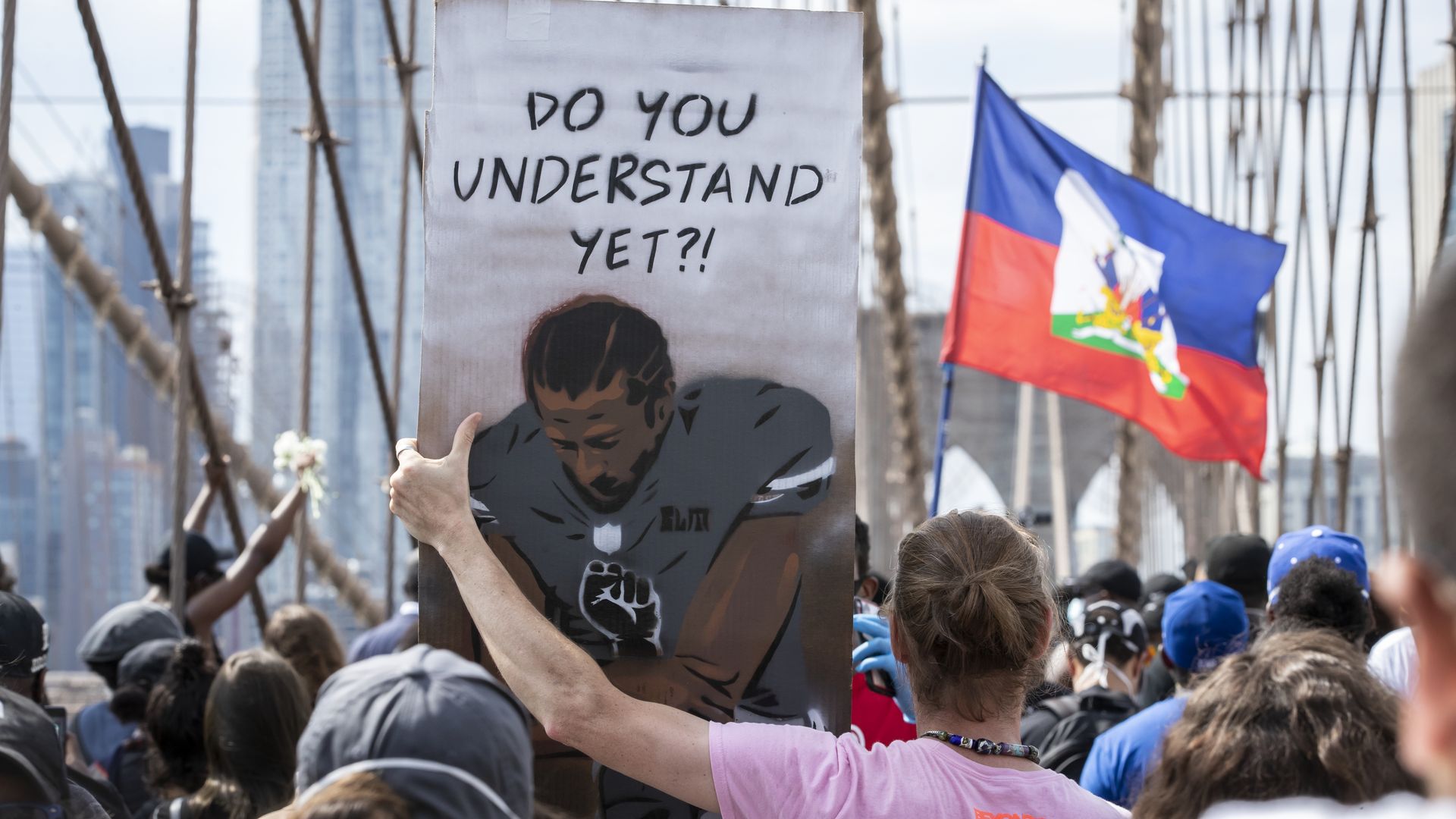
Context: Former NFL quarterback Colin Kaepernick sued the league in 2018 for allegedly blackballing him over his protest of the treatment of African Americans at the hands of police, which consisted of him taking a knee during the National Anthem. The suit was settled last February.






/2020/06/09/1591702479502.gif?w=3840)