In Northern California wine country the weekend before RSAC, roughly 80 top cybersecurity CEOs, chief information security officers and former government officials convene at the intimate Cyber Council gathering to game out the next two to three years for the industry.
For the first time, they allowed a reporter into this space.
Why it matters: The predictions made in these wine country gatherings have a frighteningly good track record of coming true, organizers told Axios.
Beehiiv, a newsletter platform for independent creators and publishers, has introduced an update that allows users to manage and optimize their accounts from the AI platform of their choice, CEO and co-founder Tyler Denk told Axios.
Why it matters: Without the support of larger institutions, many of the creators that use Beehiiv are responsible for so much more than just writing.
The Labor Department on Tuesday will announce a free AI literacy course aimed at Americans skeptical of the technology.
Why it matters: Americans are bracing for an AI-driven economy where many jobs may look different or cease to exist, and policymakers are under pressure to show they're responding.
Nvidia and startup Emerald AI said Monday they're working with major U.S. energy companies to develop a new class of data centers designed to flex their power use and connect to the grid faster.
Why it matters: The effort reflects a growing push to turn AI data centers from massive power consumers into more dynamic grid participants, as electricity demand from AI surges.
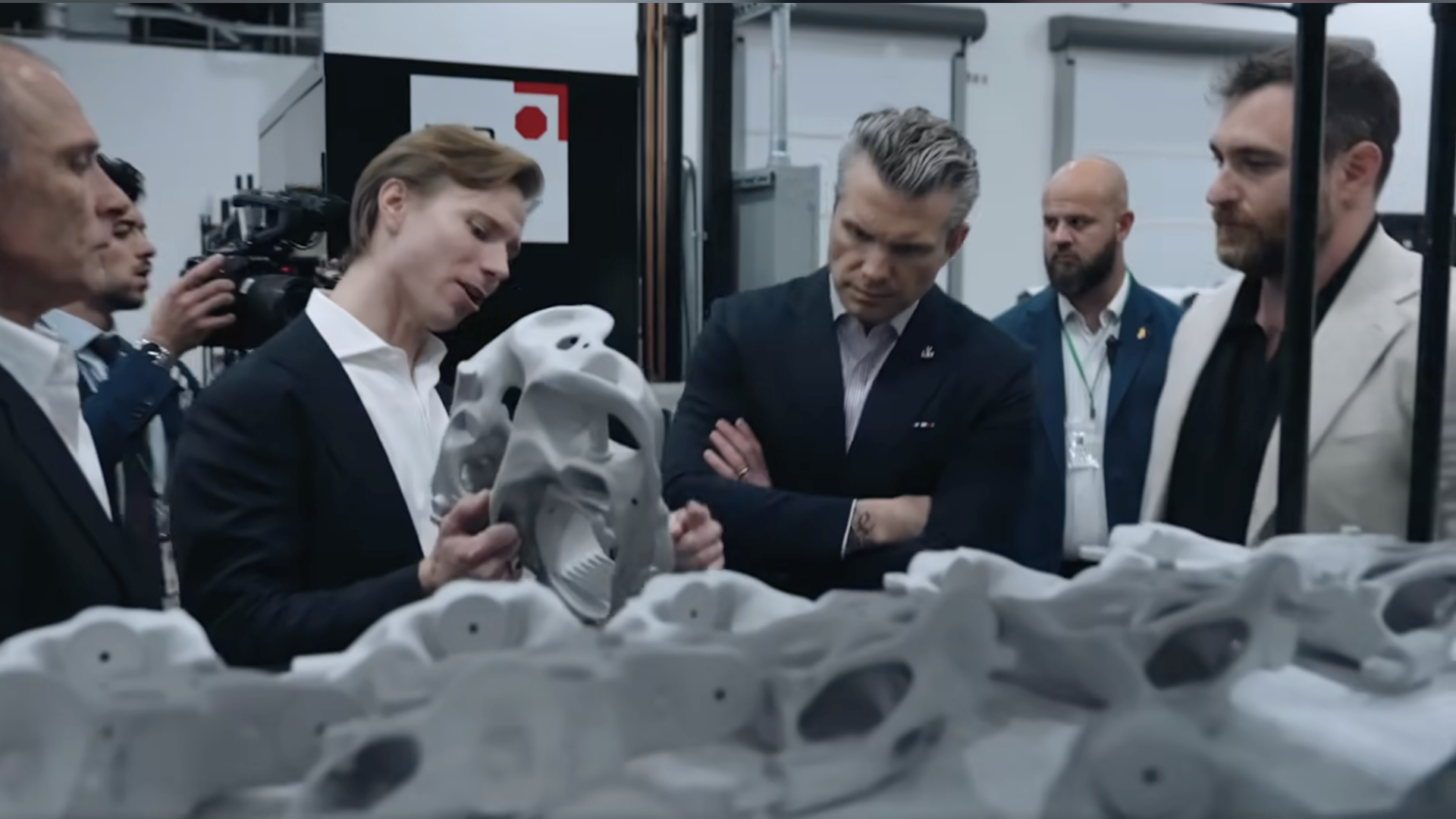
TORRANCE, Calif. —A cruise-missile airframe is being 3D-printed before my eyes. The AI-driven system, the size of a shipping container, hums as it stacks layer on layer of aluminum and proprietary advanced metals.
Why it matters: This white-floored factory at Divergent Technologies, just outside L.A., is a window into the American arsenal of the future.
Each of Divergent's printers, engineered and manufactured in the U.S., can produce hundreds of these missile airframes each year. They're part of a new generation of "low-cost" missiles that are roughly one-tenth the cost of a legacy system.
The finished missiles, including parts from other contractors, run $200,000 to $500,000. Legacy standard missiles range from $2 million to $6 million each.