Nvidia and startup Emerald AI said Monday they're working with major U.S. energy companies to develop a new class of data centers designed to flex their power use and connect to the grid faster.
Why it matters: The effort reflects a growing push to turn AI data centers from massive power consumers into more dynamic grid participants, as electricity demand from AI surges.
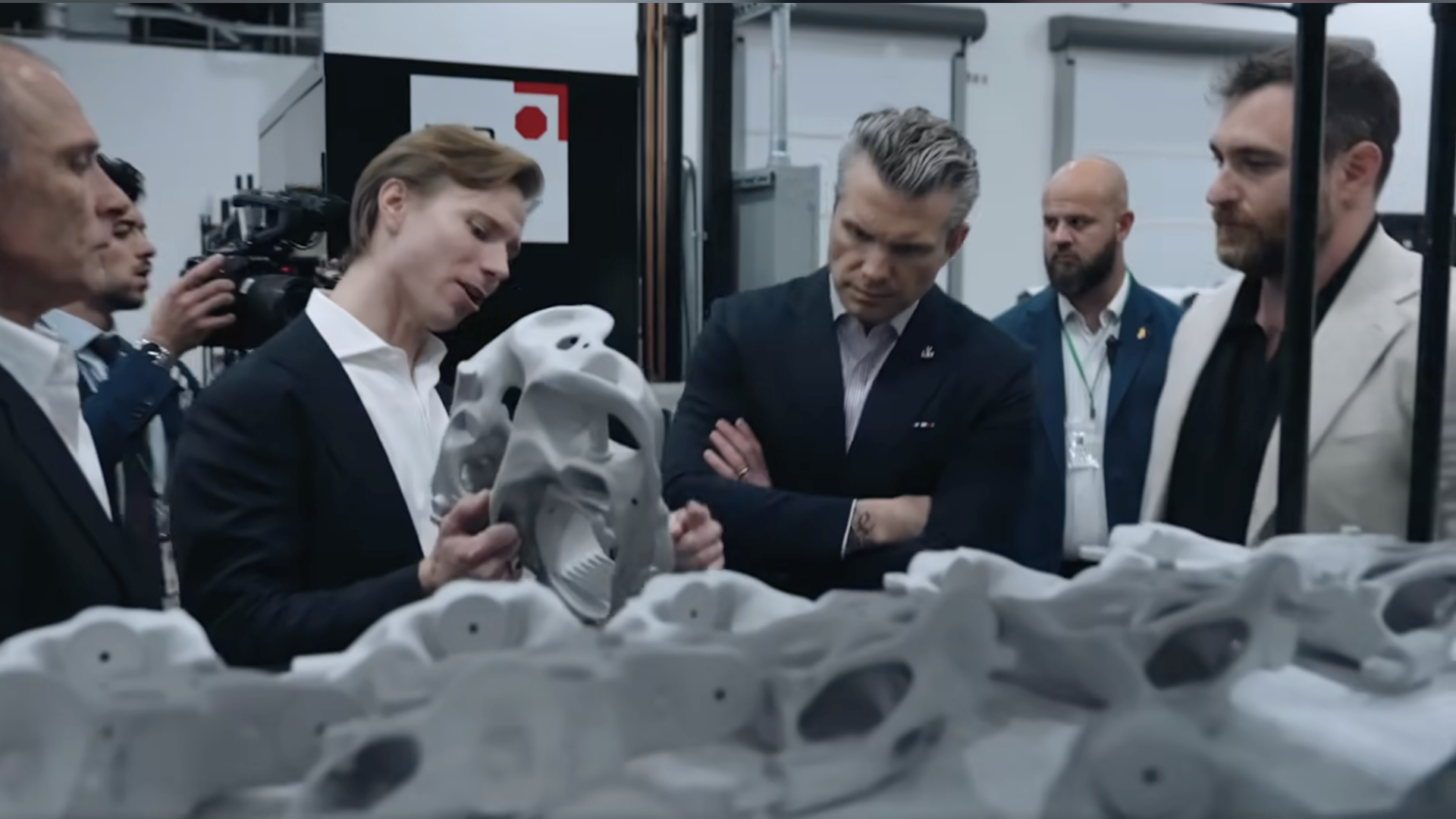
TORRANCE, Calif. —A cruise-missile airframe is being 3D-printed before my eyes. The AI-driven system, the size of a shipping container, hums as it stacks layer on layer of aluminum and proprietary advanced metals.
Why it matters: This white-floored factory at Divergent Technologies, just outside L.A., is a window into the American arsenal of the future.
Each of Divergent's printers, engineered and manufactured in the U.S., can produce hundreds of these missile airframes each year. They're part of a new generation of "low-cost" missiles that are roughly one-tenth the cost of a legacy system.
The finished missiles, including parts from other contractors, run $200,000 to $500,000. Legacy standard missiles range from $2 million to $6 million each.
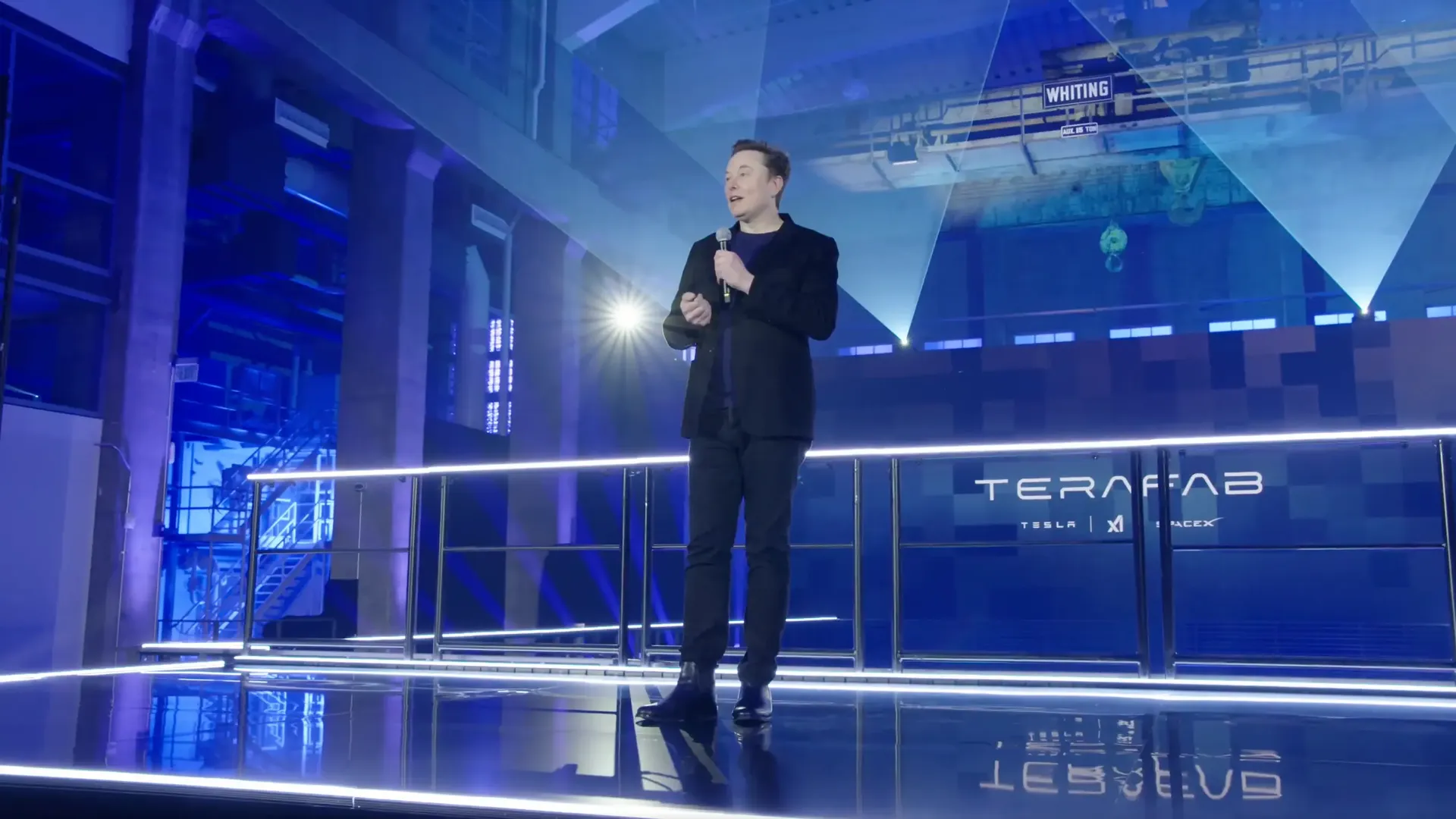
Elon Musktook the stage in Austin on Saturday night for what he called a "profoundly important announcement … the most epic chip-building exercise in history, by far." His goal: producing 1 trillion watts (1 terawatt) of compute power per year, most of it deployed in space.
Why it matters: Musk said his Terafab chip-building project — a joint effort of his Tesla, xAI and SpaceX companies — is "the next step towards becoming a galactic civilization" and turning "science fiction to science fact."