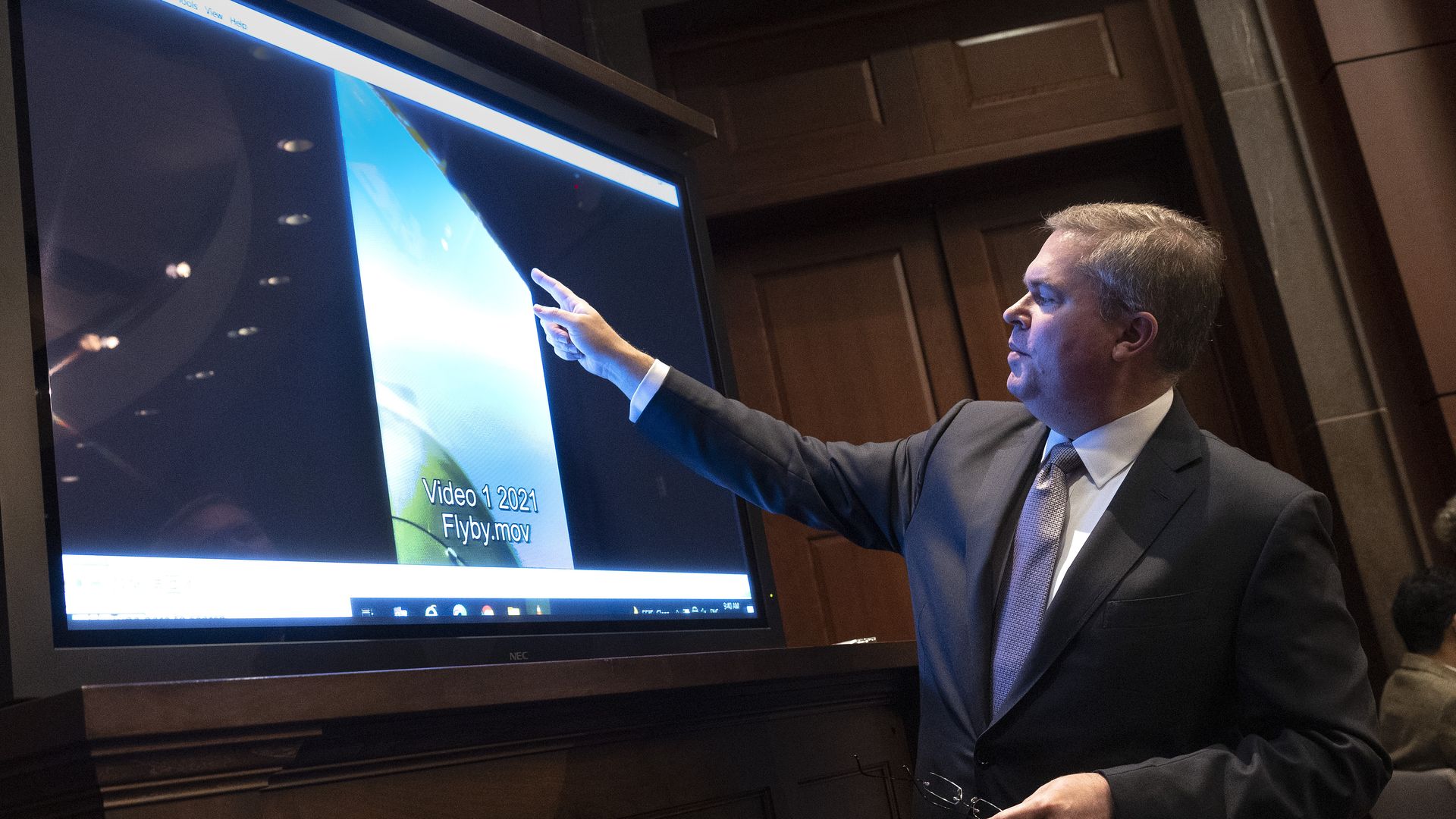
President Trump's decision to release government files related to aliens and UFOs is reigniting one of America's longest-running mysteries.
The big picture: While it's unclear whether any new significant surprises await, the belief that government secrets may prove extraterrestrial life exists has fueled curiosity and speculation for decades.
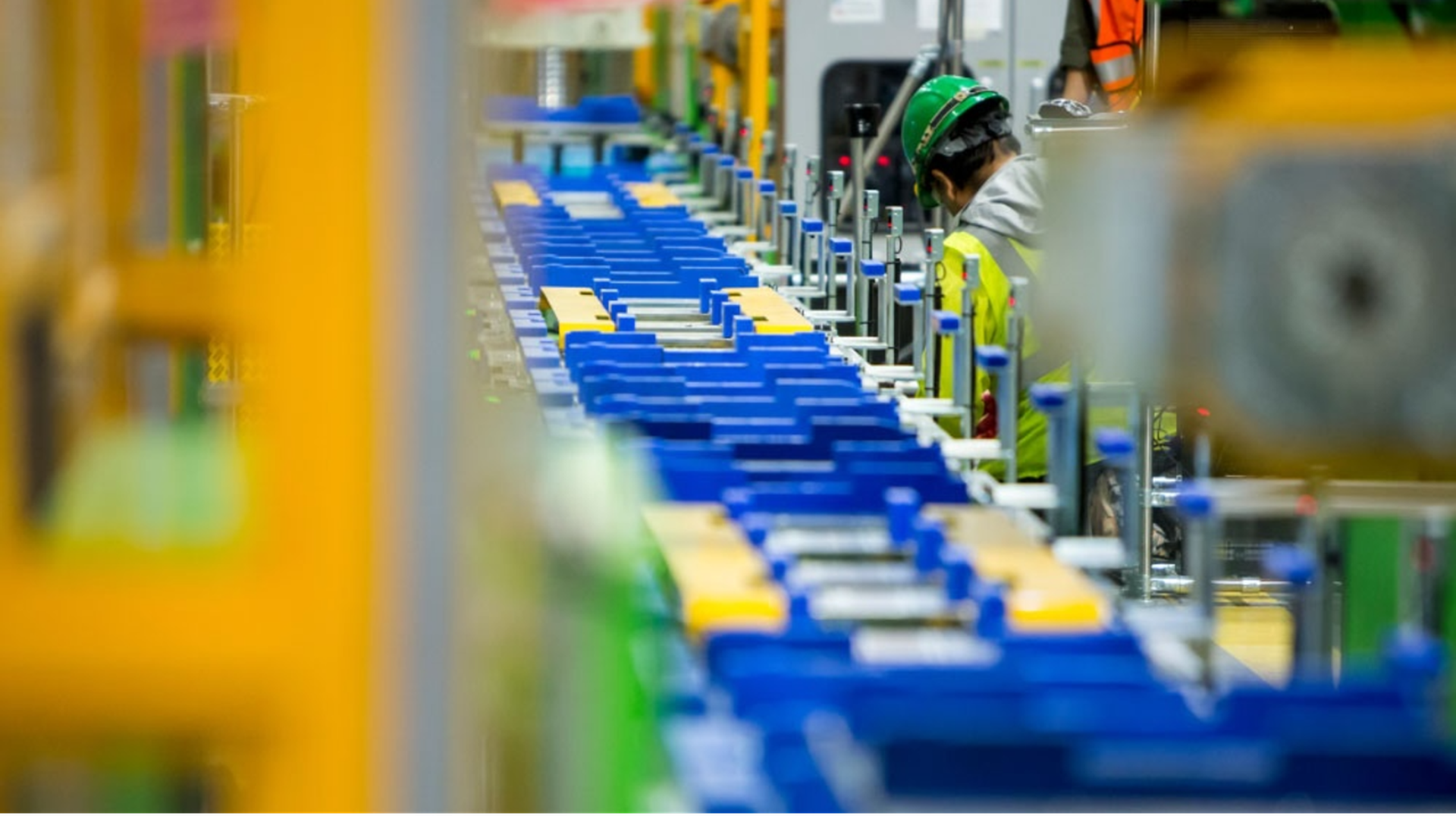
Yoonie Joung, president and CEO of Samsung Electronics North America, explains how the company is strengthening U.S. manufacturing and supply chains, and what that means for the technology American consumers use every day.
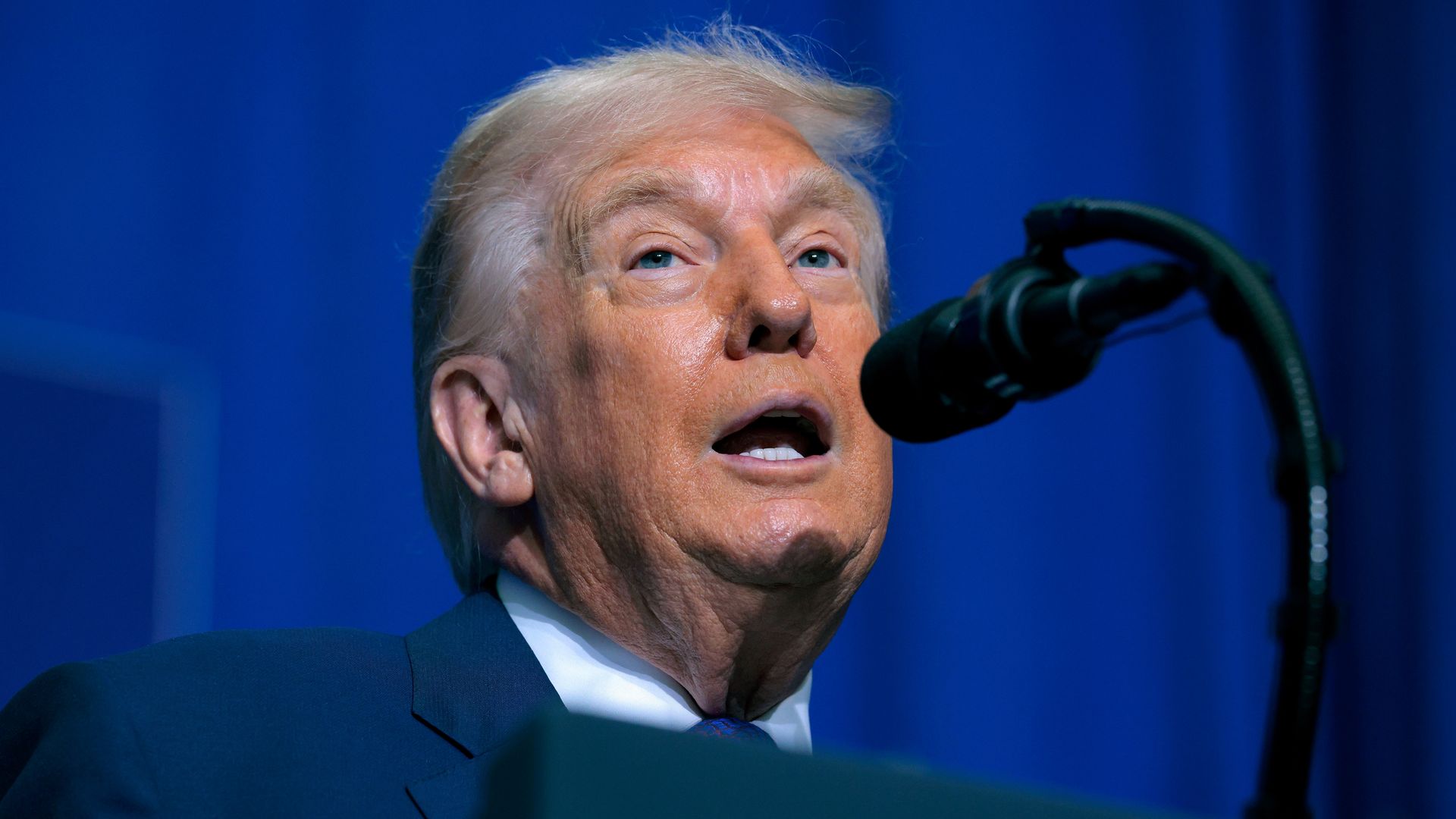
President Trump is directing his administration to begin releasing government documents related to aliens and unidentified flying objects (UFOs), he announced Thursday evening.
The big picture: Trump's comments on Truth Social came hours after he accused former President Obama of disclosing classified information for saying aliens are "real" in a podcast last week.
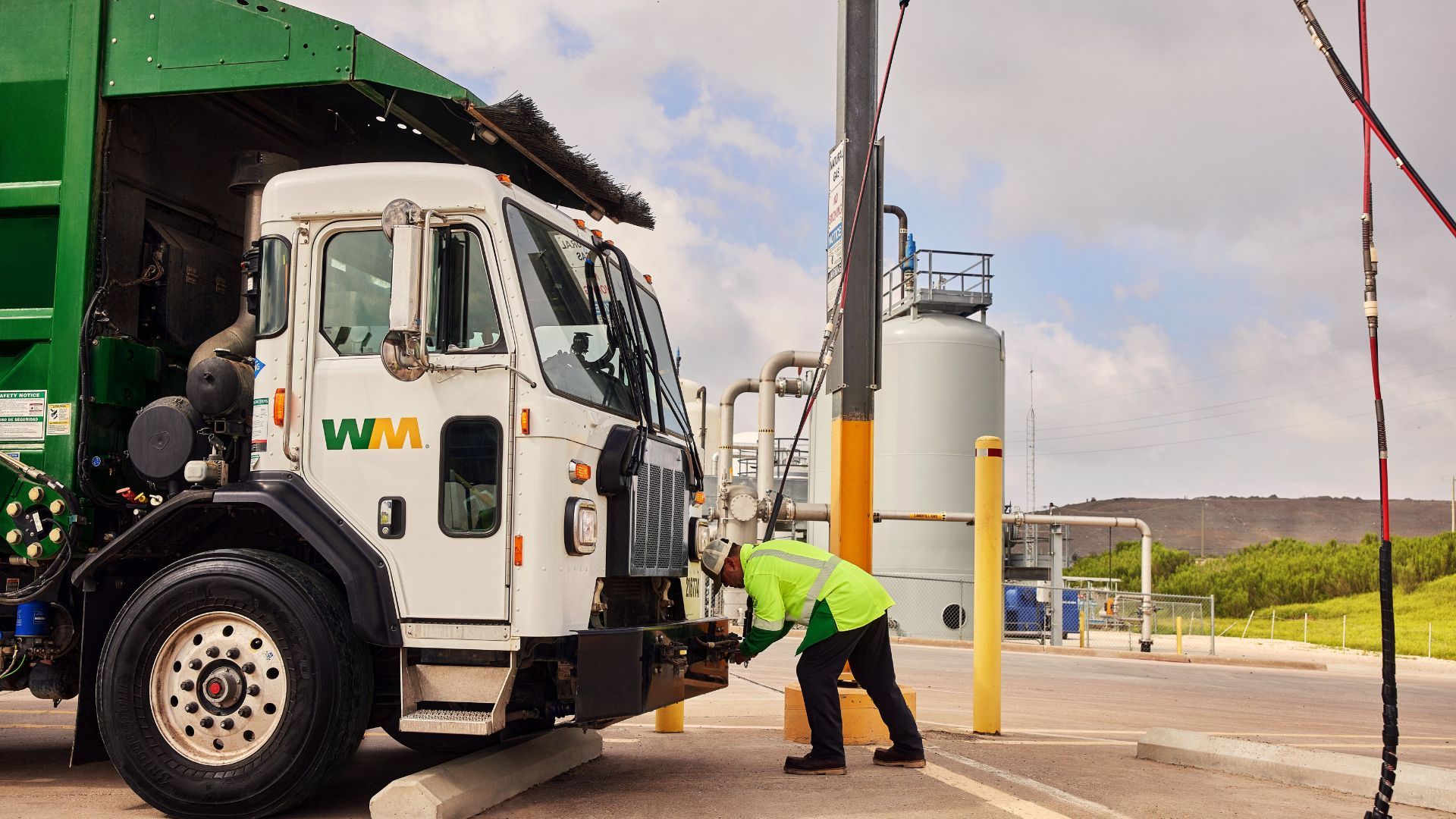
Landfill gas is finding new life as renewable natural gas (RNG), a lower-emission fuel that can be used to power homes, businesses and vehicles — and it's already being produced in significant volumes across the country.
The challenge: AI has quickly entered the legal space — but most general-purpose tools struggle to reliably produce legal work that holds up under legal scrutiny.
Why it's important: Law firms operate at a high speed with even higher stakes. Outcomes affect lives, livelihoods and businesses.
AI's rise could soon make new TVs harder to find — or more expensive.
Why it matters: The AI boom is making RAM and memory chips pricier and less available. While often tied to PCs and gaming consoles, the squeeze could also delay or raise the cost of many consumer products like televisions.
This week's AI summit in India has become a showcase for U.S. tech companies announcing deals in the region.
Why it matters: The summit began as a global forum focused on AI safety. Now it's a venue for governments to strike deals with major AI companies, most of them U.S.-based.