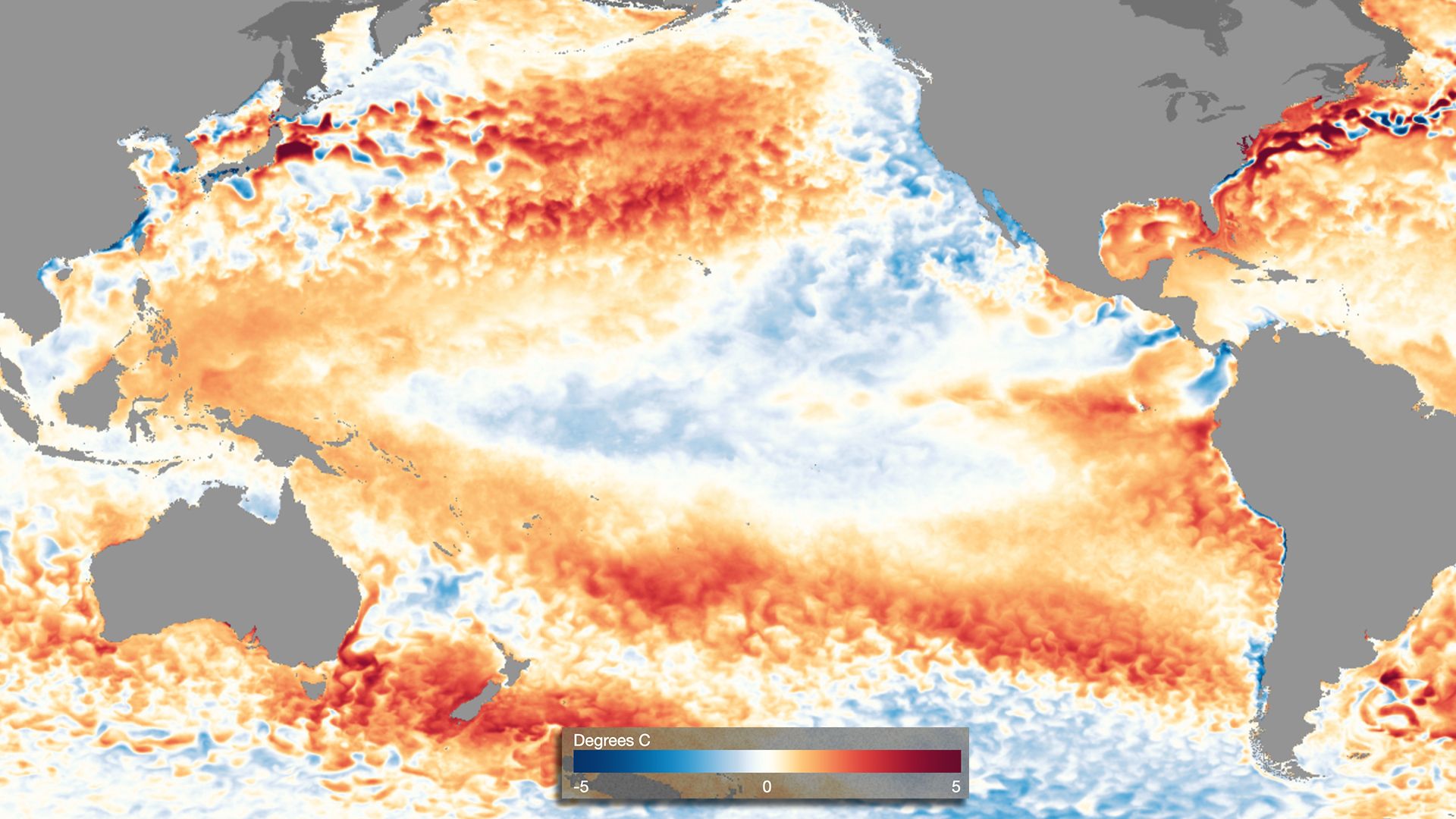
The first "triple-dip" La Niña event of the 21st century is waning, and the odds of an El Niño in the tropical Pacific Ocean are rising, the World Meteorological Organization (WMO) said Wednesday.
Why it matters: El Niño events release a tremendous amount of ocean heat into the atmosphere and would increase the odds for a new record warm year in 2024.
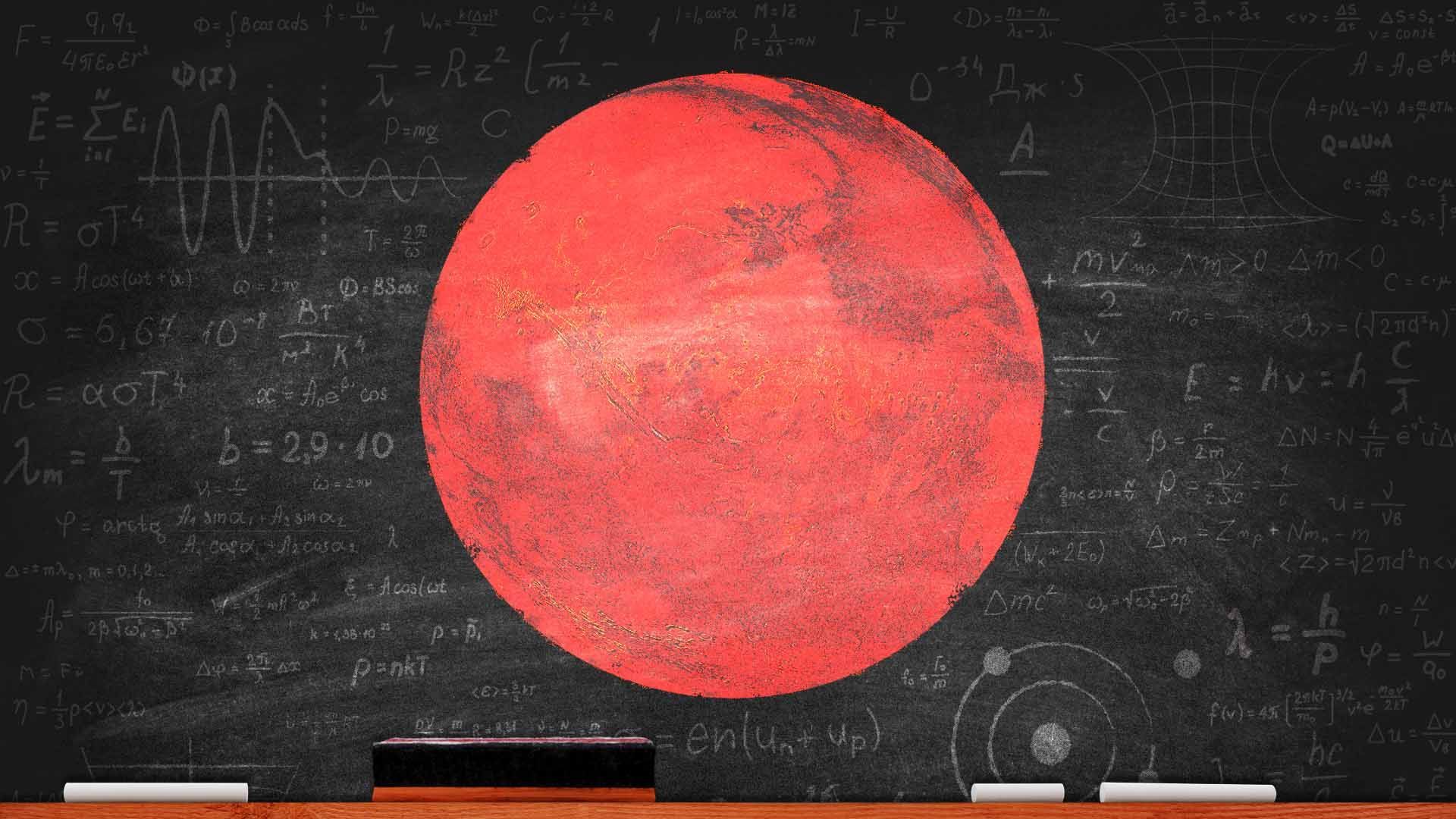
A fleet of international spacecraft at Mars is laying the scientific groundwork for a new era of exploration at the Red Planet.
Why it matters: Understanding Mars is a major priority for NASA and other space agencies around the world, in part because it's one of the best places to search for signs of past life in the solar system.
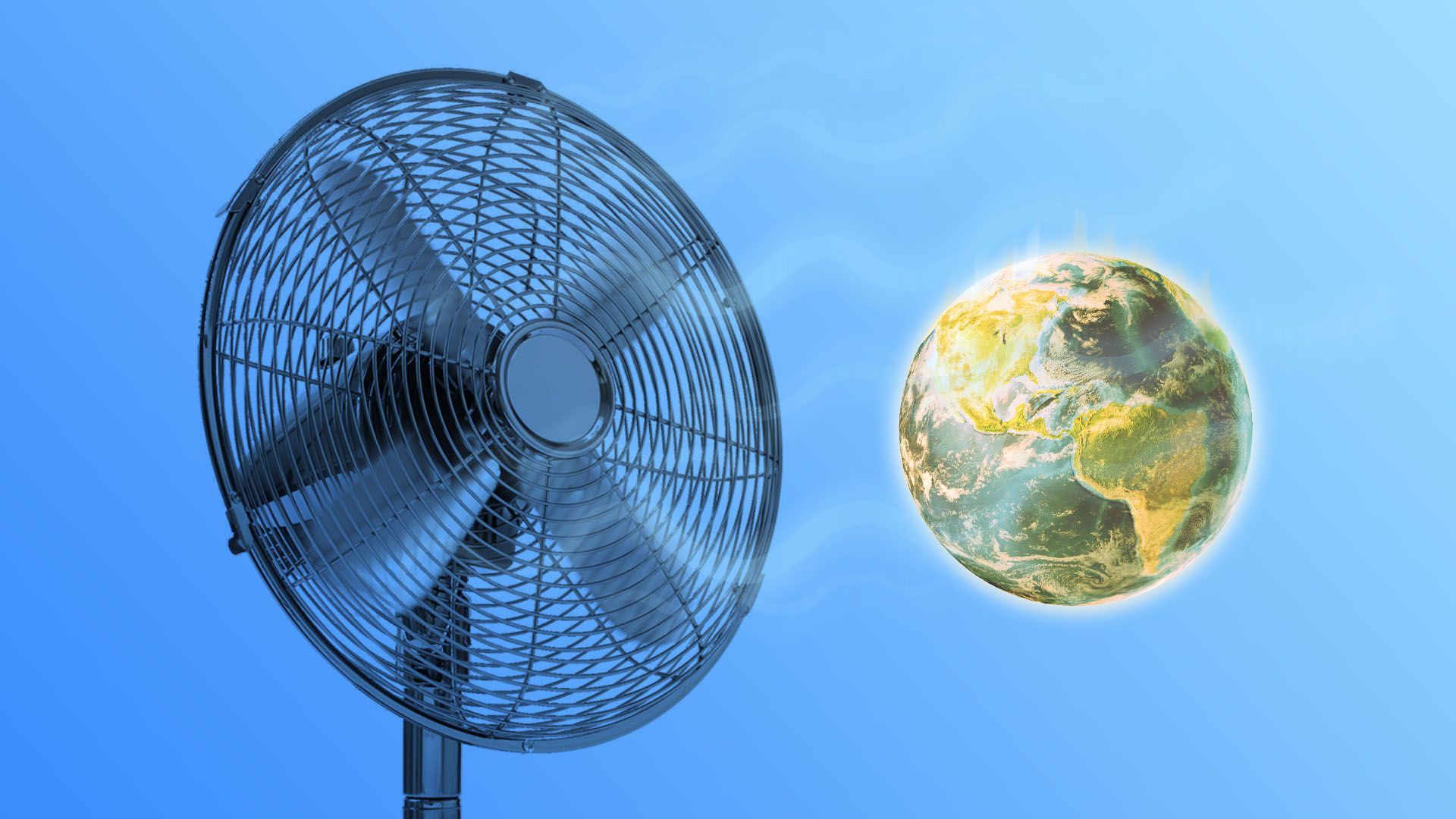
Scientists are slamming the brakes on deliberately interfering with the climate to temporarily counteract global warming until the pros and cons are more fully known.
What's happening: In the meantime, they're advocating for a comprehensive research campaign that studies the field — known as geoengineering — and its potential.
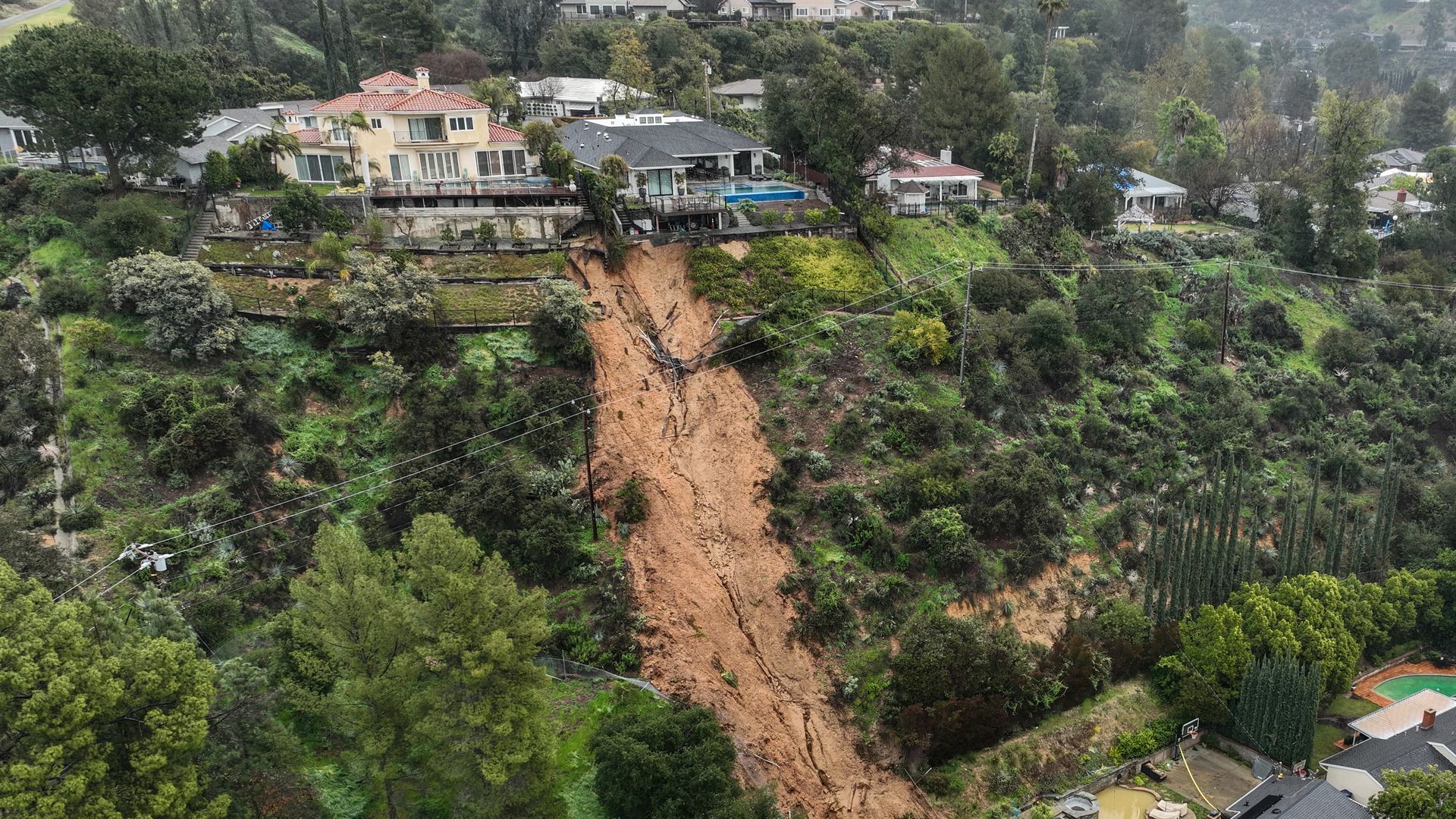
California is being hit with more severe winter weather — as forecasters warn more heavy rains and snow will continue to slam the West Coast through Wednesday.
The big picture: Schools and roads across Northern California remained closed, as the National Weather Service said the region faced "two more rounds of heavy snow" and dangerous blizzard conditions combined with wind gusts up to 60 mph in the Sierra Nevada until at least early Wednesday.
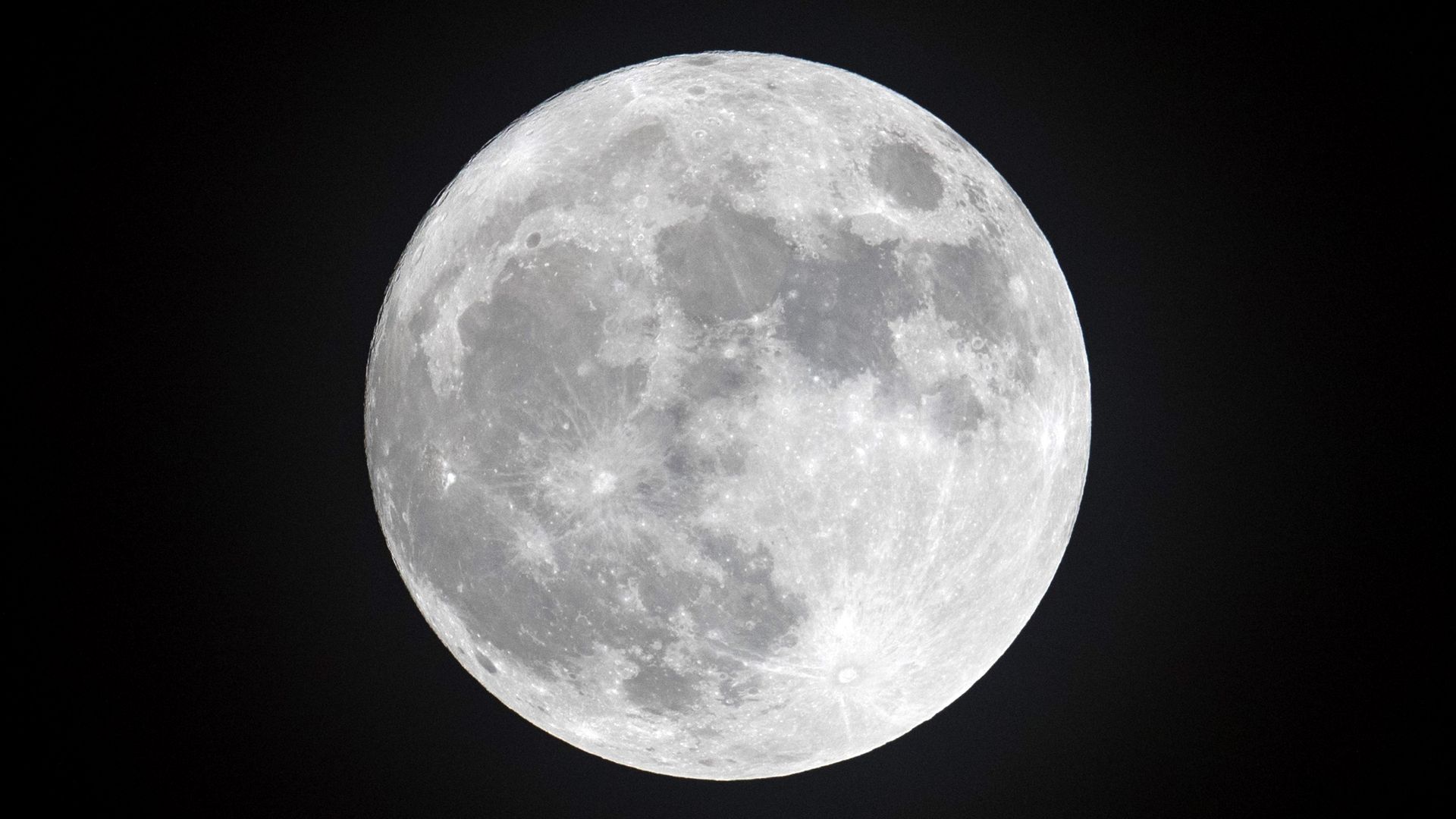
With lunar expeditions on the rise, leading space experts say the Moon may need its own time zone.
Driving the news: The European Space Agency (ESA) on Monday said that space organizations are considering how to keep time on the Moon as part of a larger effort to standardize lunar communication and navigation services.