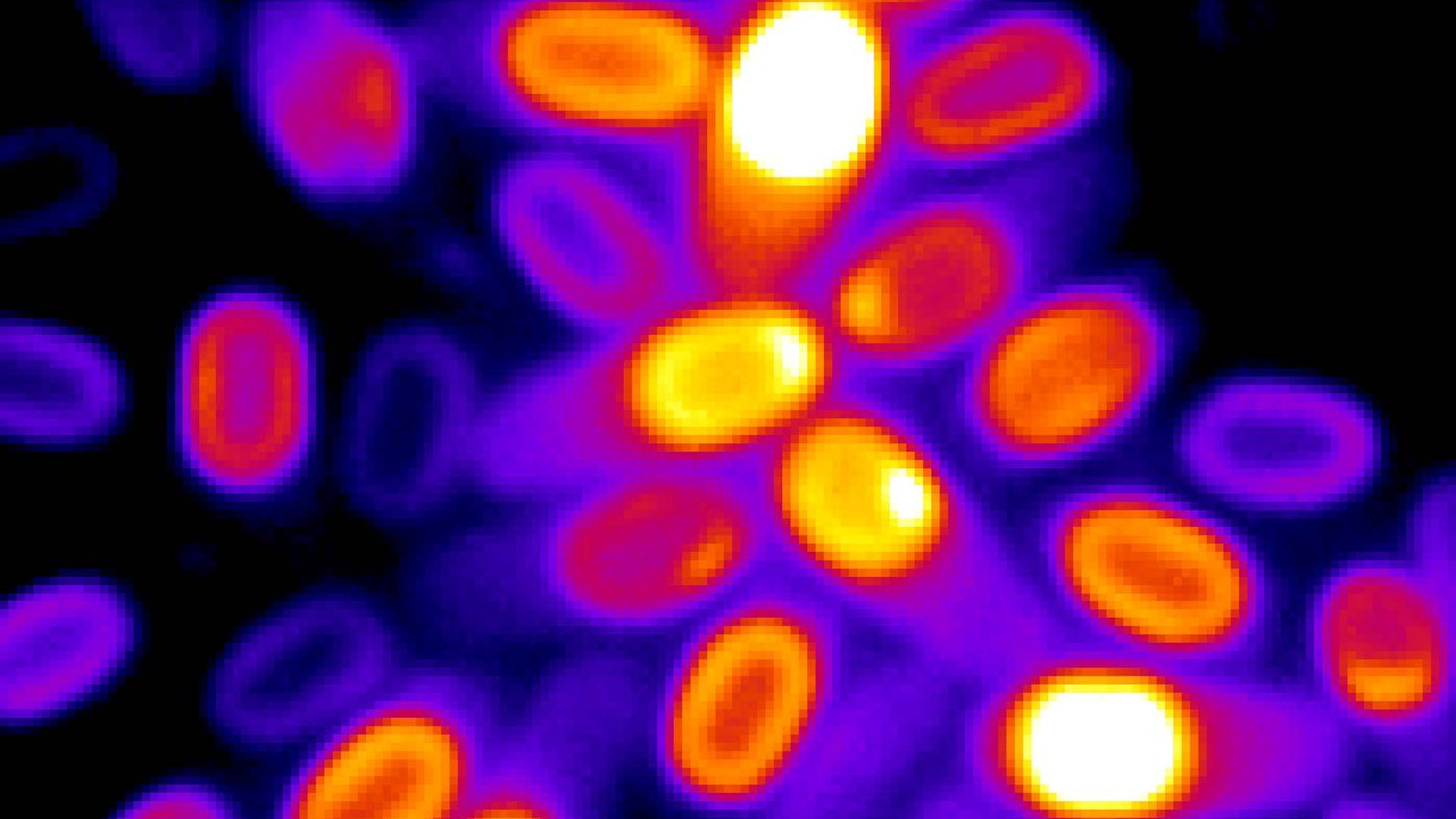
Bacteria can shut down all of their functions for years to protect themselves. While they're dormant, they may count how often they sense nutrients and use that information to know when to wake up, scientists reported this week.
Why it matters: The finding could be helpful in developing antibiotics for bacteria spores, like anthrax, that can be in dormant states that make them difficult to kill.
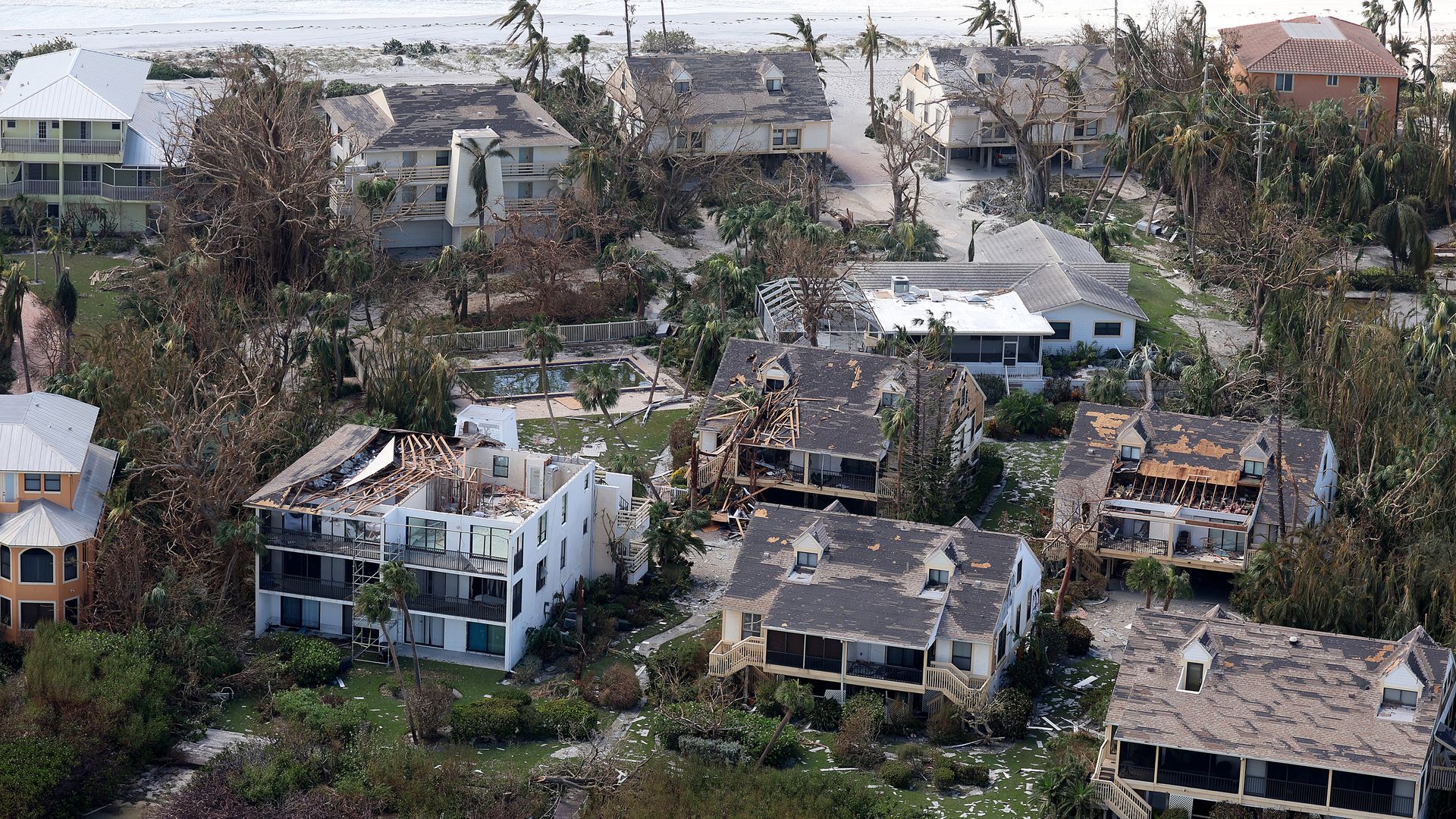
Hurricane Ian likely caused $53 billion to $74 billion in insured losses from Florida to the Carolinas, with a "best estimate" of $67 billion, according to new data released today from modeling firm RMS.
The big picture: These preliminary damage totals would make Hurricane Ian the costliest storm in Florida history and second nationally to Hurricane Katrina when adjusted for inflation.
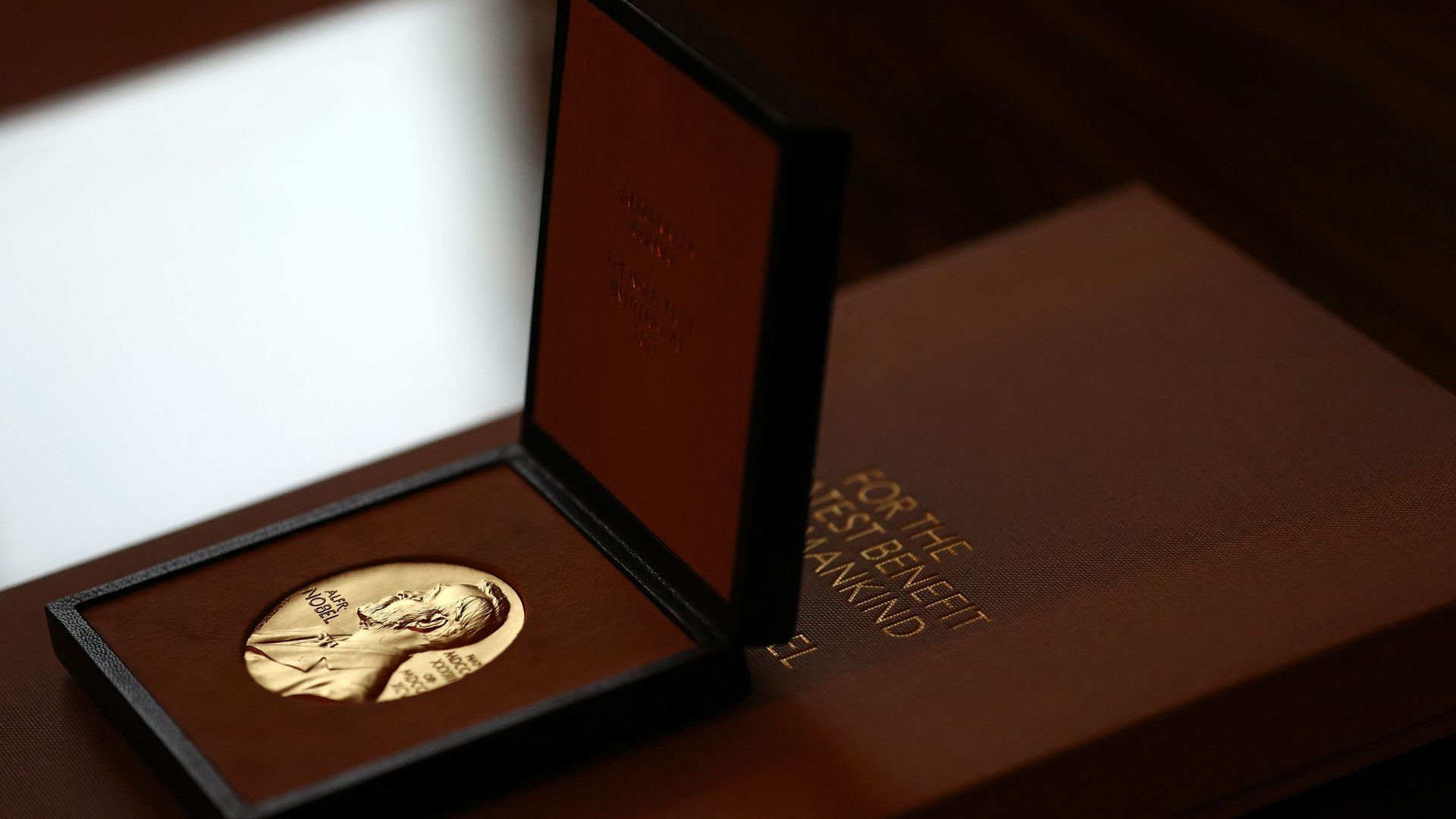
Six Nobel Prizes will be awarded by committees in Sweden and Norway over the next week for work in the sciences, literature, economics and peace.
The latest: The Nobel Peace Prize was jointly awarded on Friday to Ales Bialiatski, a detained activist in Belarus, Russian human rights organization Memorial and Ukrainian human rights organization Center for Civil Liberties.
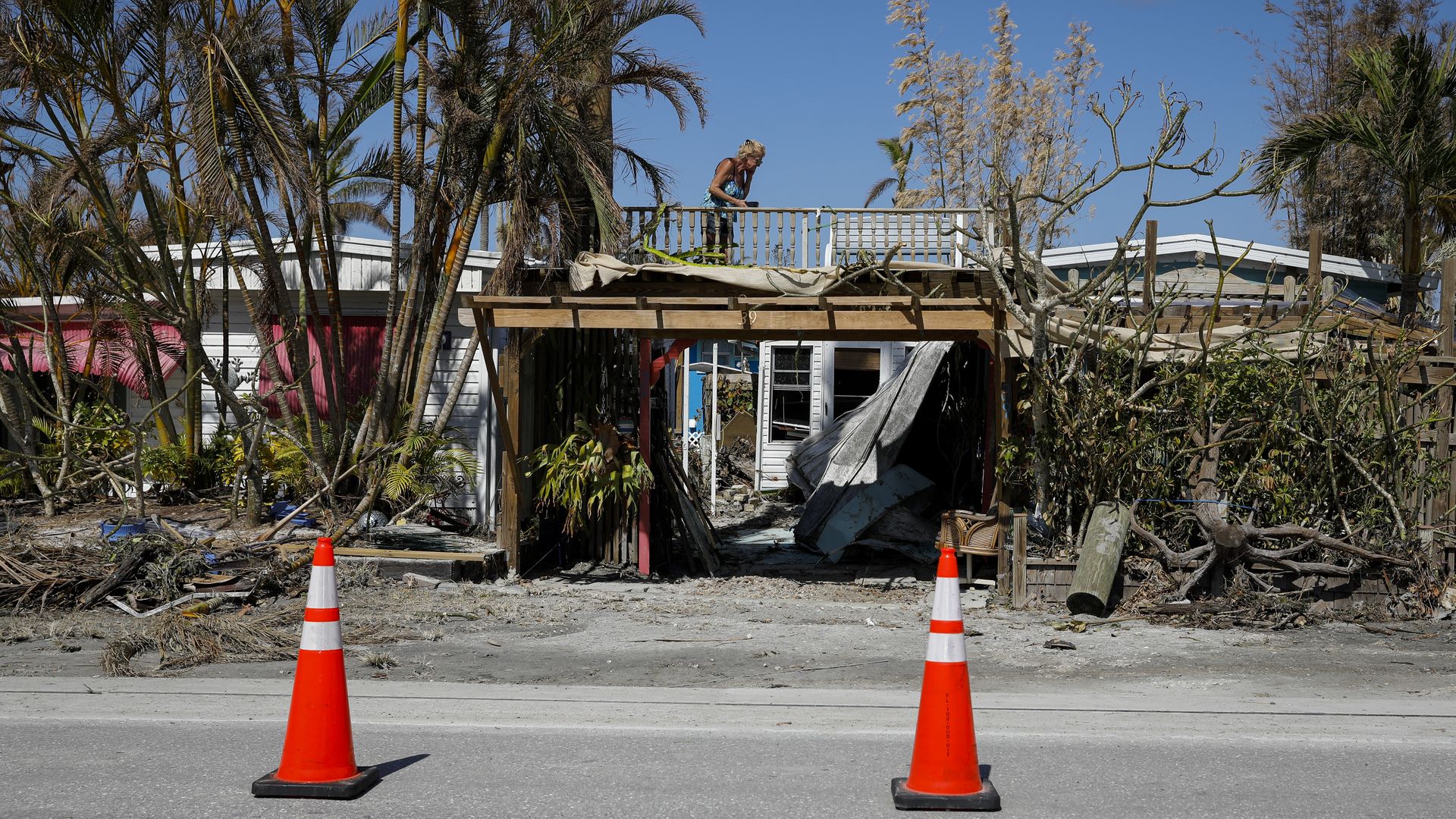
The death toll from Hurricane Ian surpassed 100 on Thursday, as Floridians continued to return home to the devastation left behind.
The big picture: The storm-related death count reached at least 101, eight days after Ian pummeled Florida's western coast before barreling through the Carolinas.