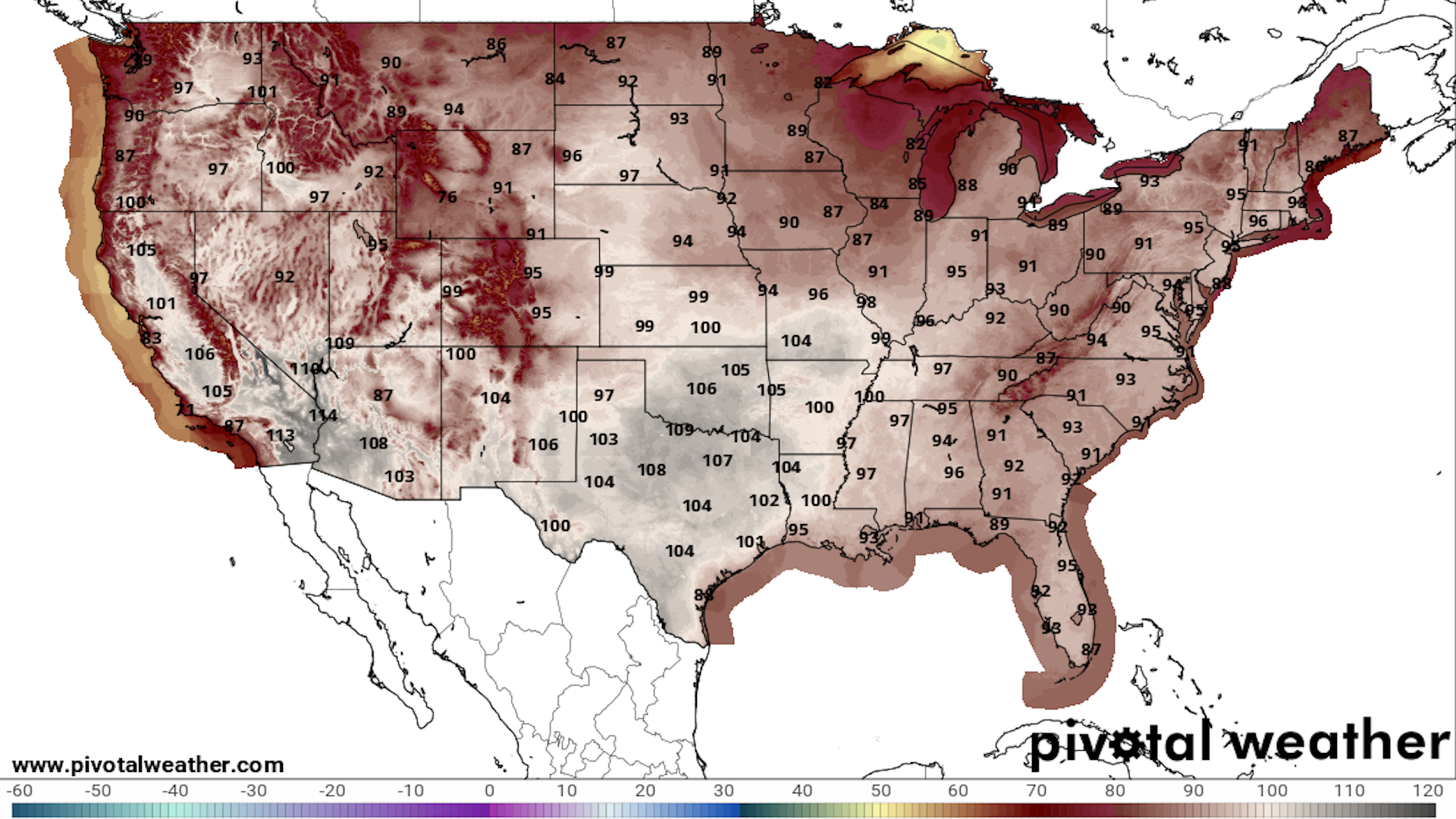
Over 104 million people are under heat warnings and advisories across the U.S. on Thursday as dangerous heat continues to roast the southwest, south-central, and eastern U.S. according to the National Weather Service (NWS).
Why it matters: Excessive heat events are the leading weather-related killer in the U.S. and can greatly strain the power grid, leading to power interruptions. Climate change from greenhouse gas emissions is causing heat waves to be more severe, frequent and longer-lasting.
The migratory monarch butterfly endemic to North America has been categorized as an endangered species by the International Union for Conservation of Nature.
Why it matters: The monarch's native population has shrunk between 22% and 72% over the past decade. Its decline is largely due to climate change, deforestation and pesticide use, which kills the milkweed the monarchs feed on, the IUCN said Thursday after adding the butterfly to its "red list" of threatened species for the first time.
A sprawling heat dome is bringing temperatures of up to 110°F, or possibly higher, to a broad swath of the U.S. on Wednesday, with more than 100 million people under heat warnings and advisories.
Driving the news: The extreme heat will be most intense in the southern Plains and lower Mississippi Valley, but the big cities of the Northeast will swelter as well.
The heat wave in Europe should best be viewed as another deadly and startling warning regarding how far we've pushed the planet's climate into less hospitable territory, and how unprepared we are for what's coming.
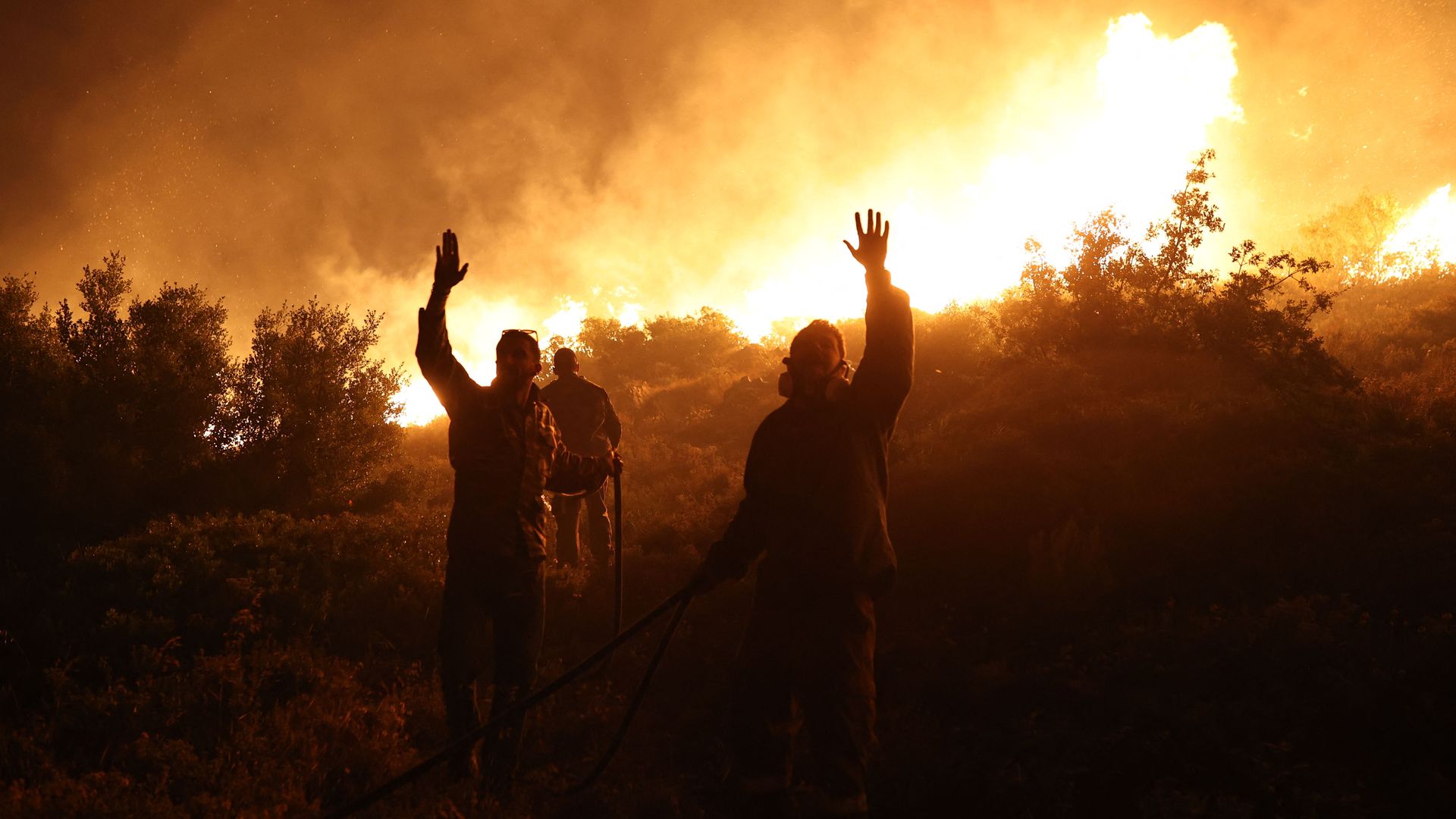
Catch up fast: In the past week, temperature records dating back centuries have been obliterated, particularly on Tuesday in the U.K. The heat is shifting east, into a swath of Europe extending from Germany to Sweden.