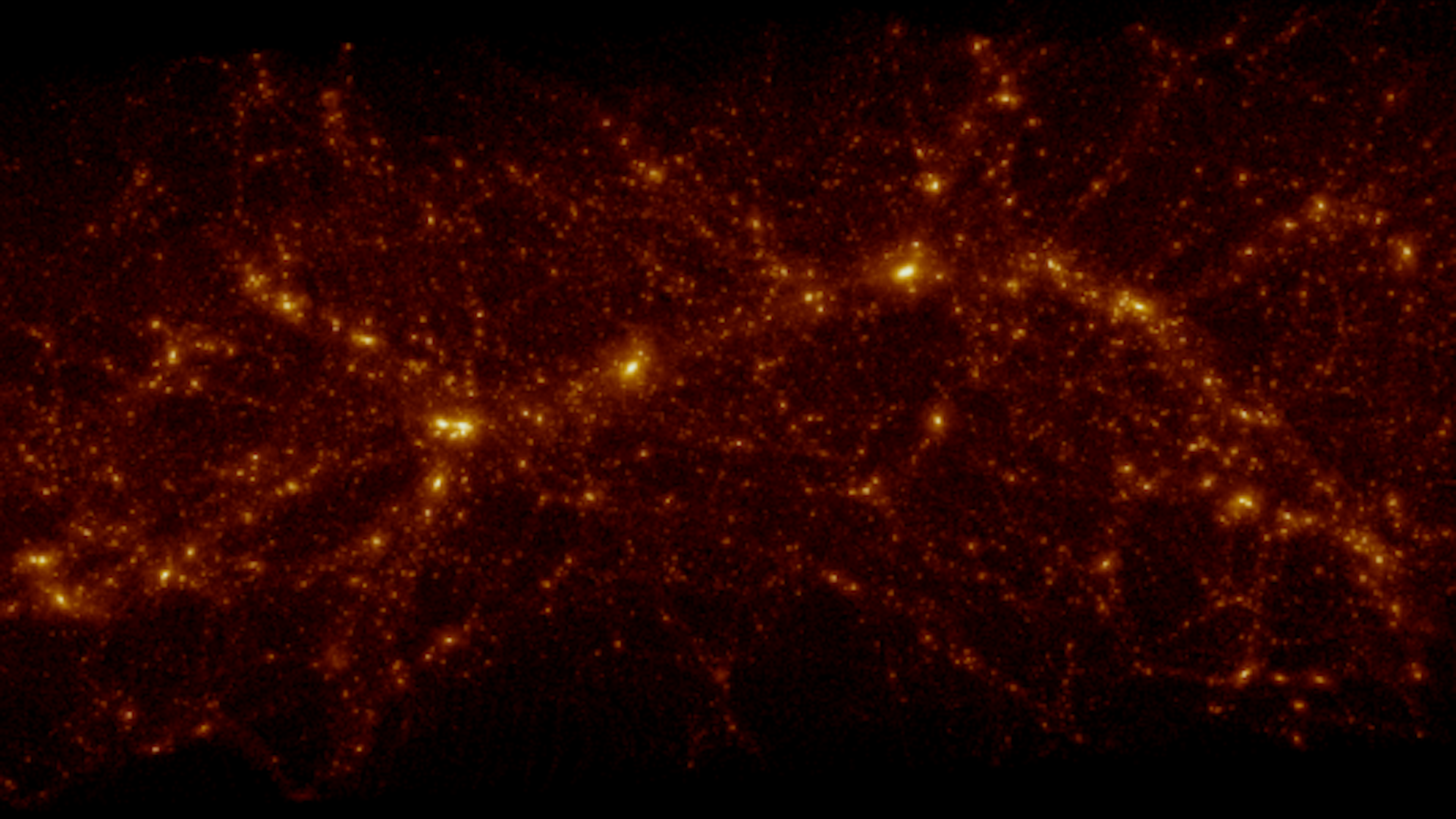
Scientists have created models that mimic the lives and structures of huge groupings of galaxies seen in the early universe, 11 billion years ago, a new study reports.
Why it matters: By having simulations that show the machinations of these galaxy clusters on a large scale, scientists will be able to test fundamental aspects of our understanding of the nature and physics of the universe.
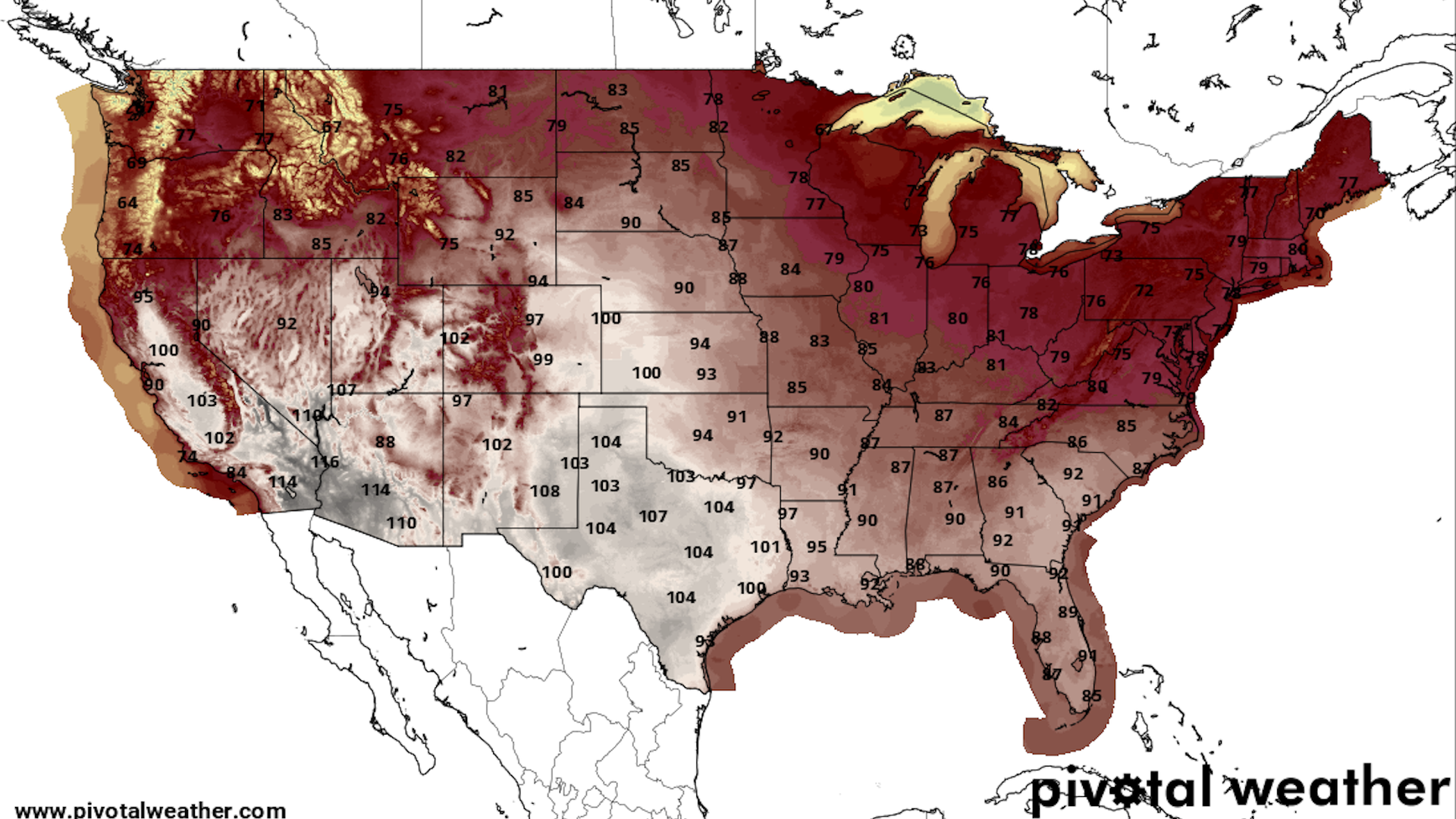
An unusually intense, early season heat wave is gripping areas from Texas to the entire Southwest, including major metro areas such as Houston, Phoenix, Las Vegas and Sacramento.
Why it matters: Daytime high and overnight temperature records began to fall Thursday, including in Phoenix, and many will be tied or broken Friday through Sunday. The National Weather Service (NWS) is warning of a "high" potential for heat-related illnesses.
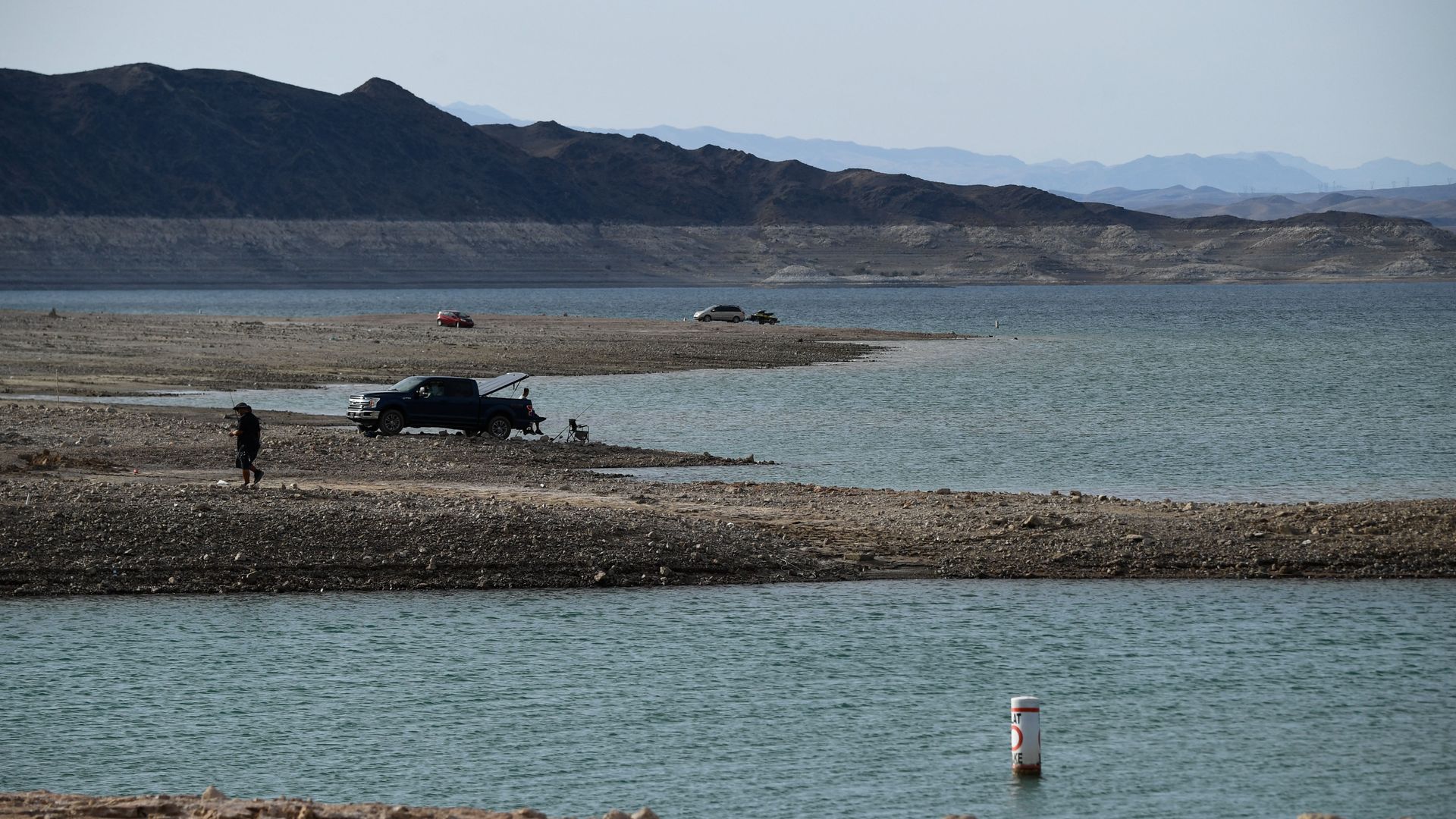
A new study out Thursday sheds new light on the drought history of the Colorado River Basin, and only adds to current concerns about the ongoing Southwest megadrought.
Driving the news: Based on tree-ring records of historical streamflow in the Upper Colorado River Basin, the study uncovered a drought in the second century that was more severe than the ongoing 22-year region-wide drought event.
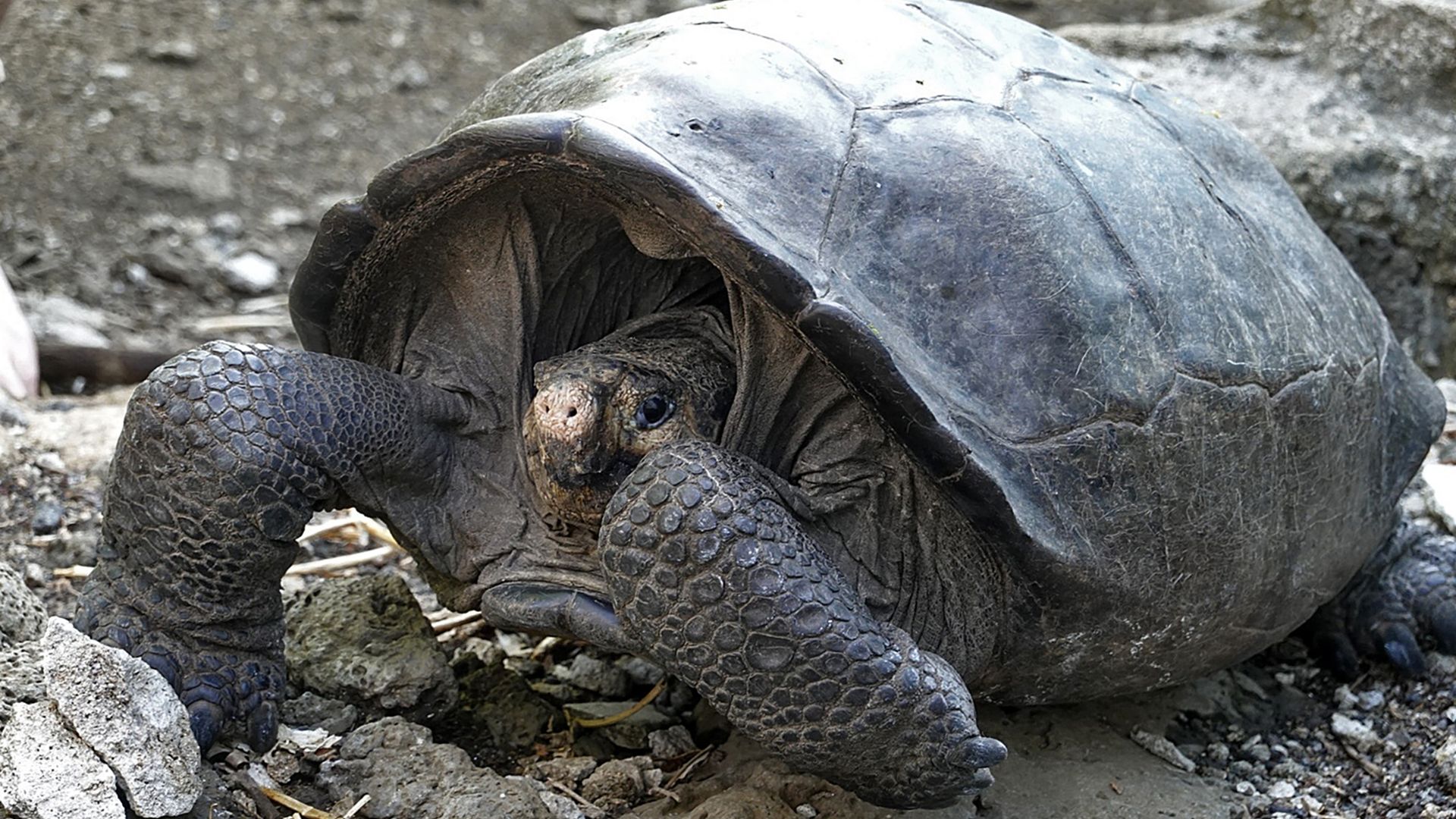
A giant tortoise species long believed extinct has been discovered living in the Galápagos Islands, scientists confirmed in a new study.
The big picture: An adult female Chelonoidis phantasticus, a species also known as the "fantastic giant tortoise," was the first of her kind that scientists had found since 1906, according to the study by Princeton and Yale researchers, published in the journal Communications Biologyon Thursday.
The Department of the Interior plans to phase out single-use plastics by 2032 on its land and facilities, including the country's national parks.
The big picture: The announcement, made on World Ocean Day, said the department would find alternative materials to disposable plastics, such as cutlery, bags, cups, bottles, straws and food containers.