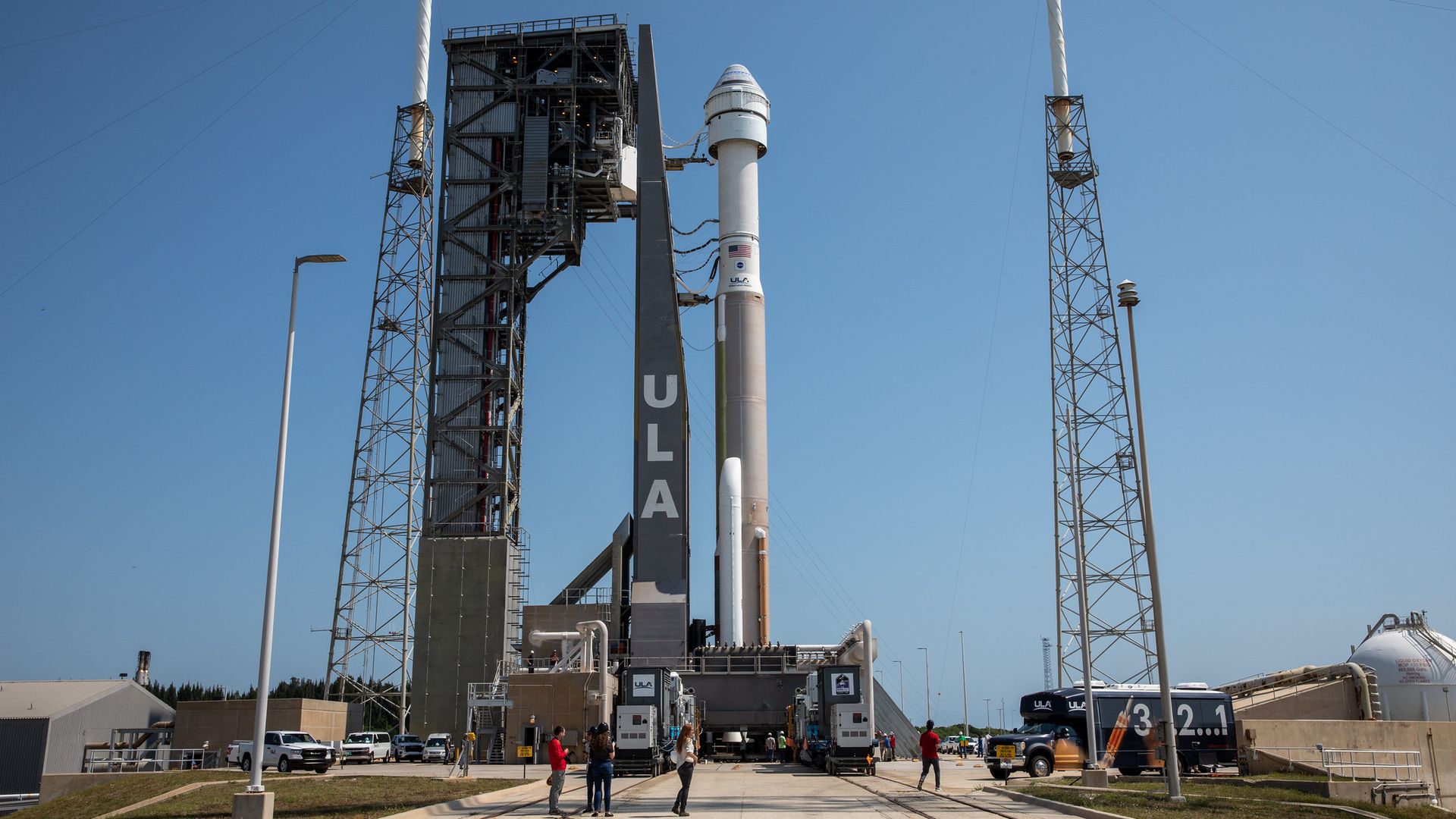
Boeing on Thursday launched an uncrewed Starliner capsule on a mission to the International Space Station.
Why it matters: The launch is a crucial moment for Boeing, which plans to use its Starliner capsule to take NASA astronauts to the space station in the coming years and compete with SpaceX.
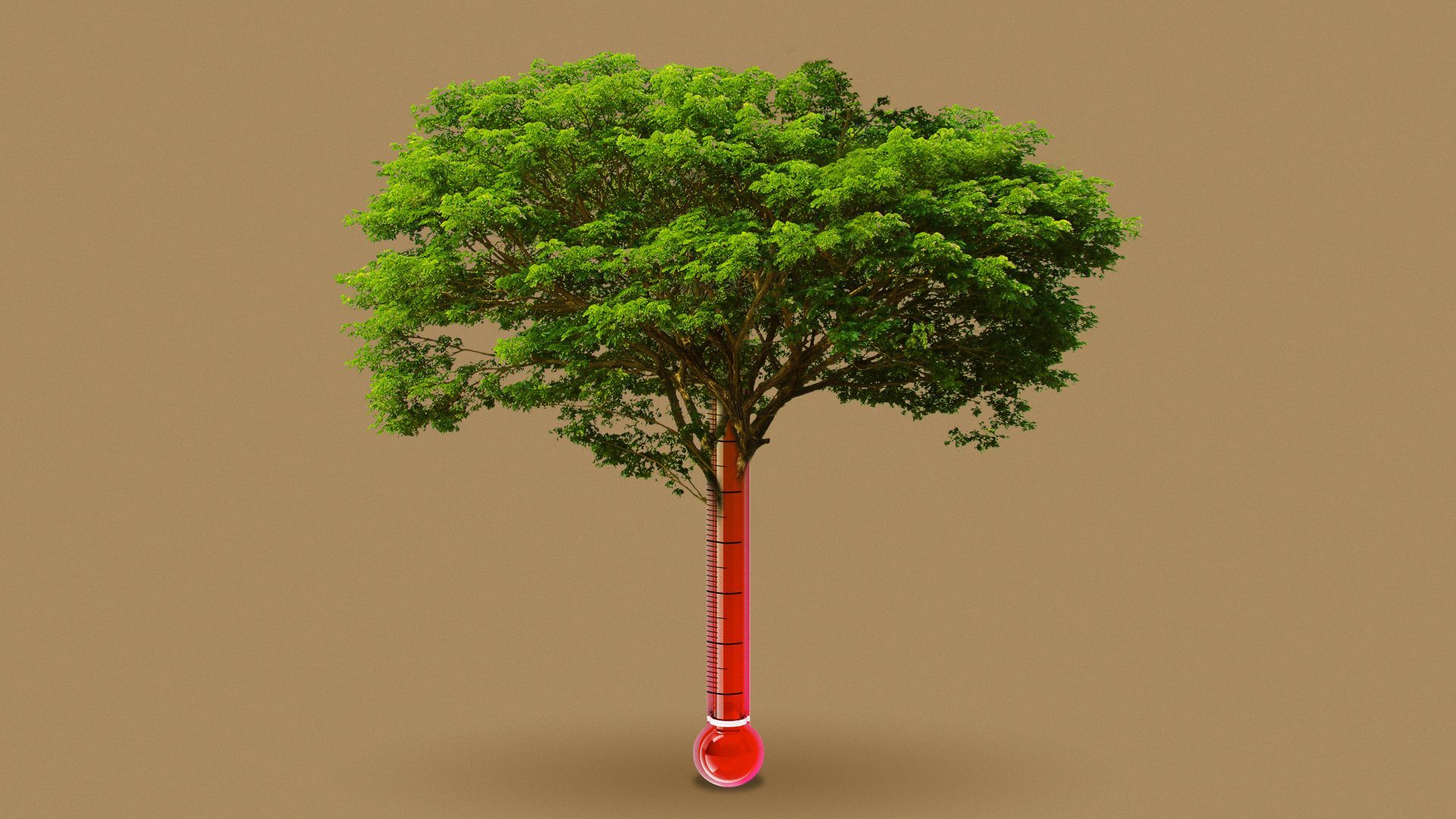
Climate change may be harming the carbon-capturing capabilities of Earth's forests.
Why it matters: Climate models may not be accurately factoring how much carbon can be captured by Earth's trees — and how forests will be affected by climate change. They may be overestimating forests' ability to take in carbon, which means they are underestimating future global warming.
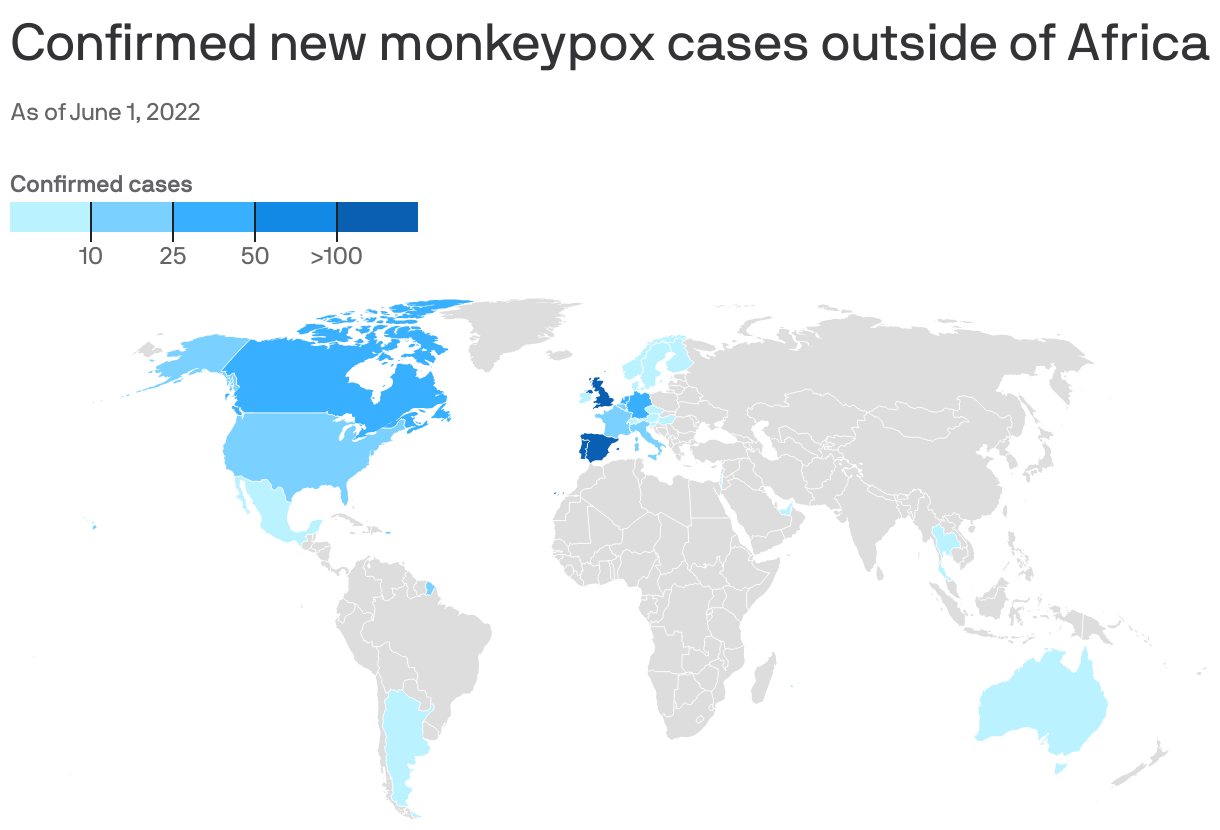
Note: Monkeypox is more common and locally transmitted in west and central Africa; Data: WHO, Axios reporting; Map: Axios Visuals
A monkeypox outbreak in several European countries and one U.S. state may become the largest outbreak of the virus outside of Africa, but it's not likely to cause a global pandemic like COVID, an infectious disease expert tells Axios.
Why it matters: The CDC has confirmed at least nine cases in the United States. The current outbreak is small so far and scientists continue gathering data, but there may be community transmission of the virus.
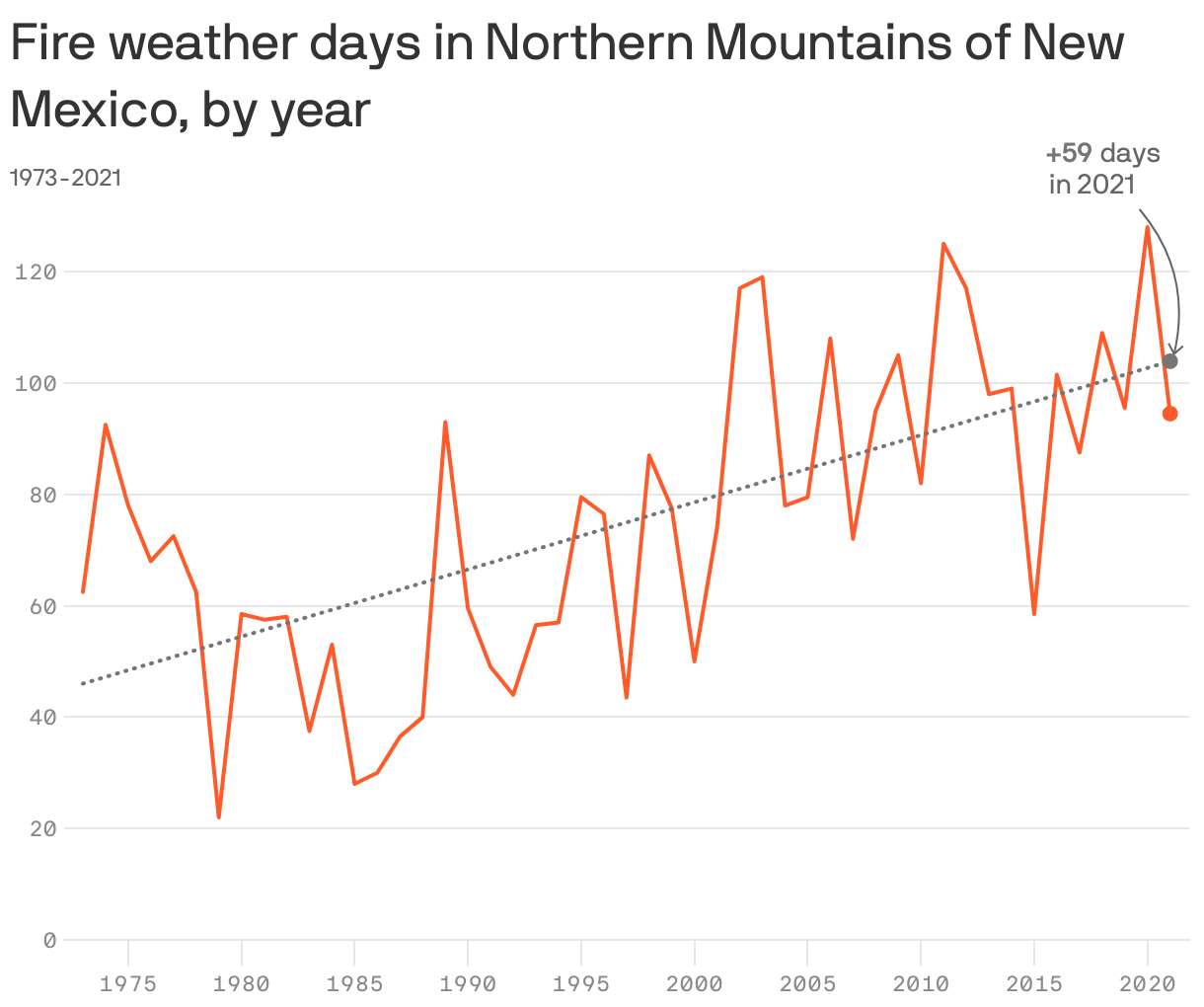
A wide range of extreme weather is on tap for the West beginning on Thursday and lasting through Saturday, which could include record heat, high winds, dangerous fire weather conditions and even a major snowstorm.
The big picture: An intense cold front and storm system dives southeastward across the Rockies, bringing a potentially historic May snowstorm to the Colorado foothills and mountains, while aggravating wildfire conditions prior to its arrival.
Two new climate attribution studies underline the growing role human-caused climate change plays in worsening extreme weather events.
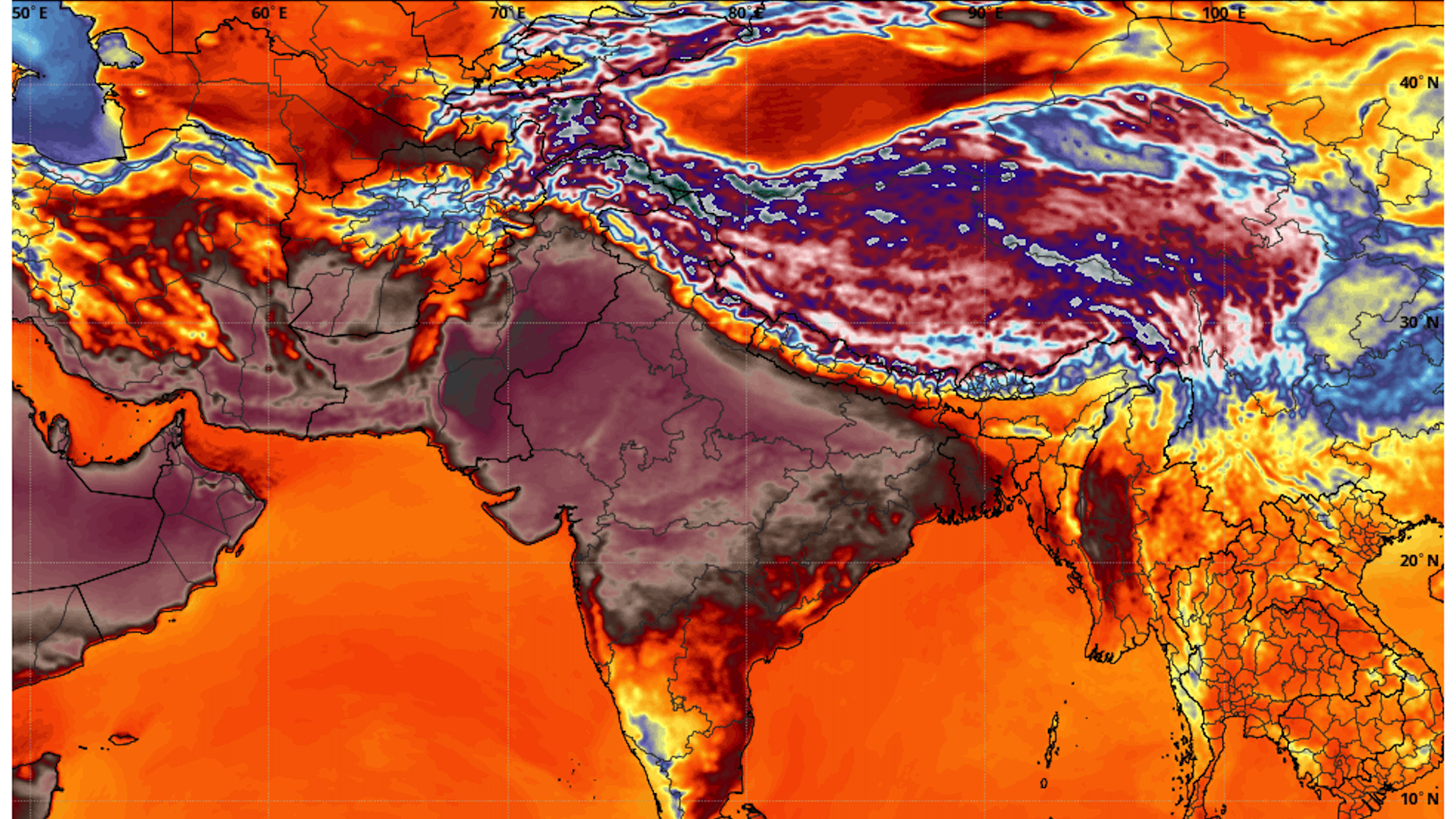
Driving the news: The first study, out Wednesday from the U.K. Met Office, shows that climate change has already made the stifling and record heat seen this spring in northern India and Pakistan 100 times more likely to occur.
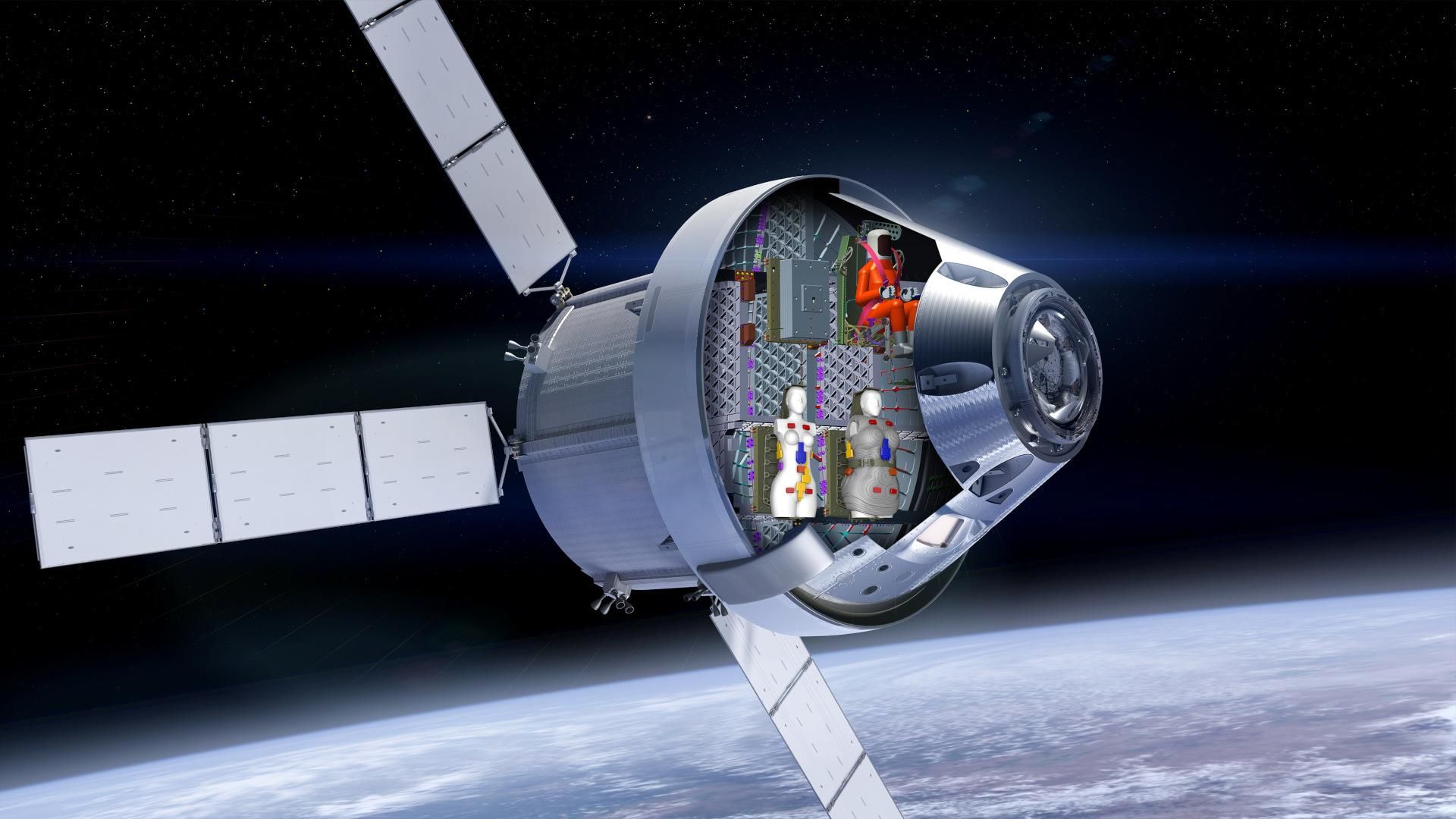
NASA's Artemis missions, which aim to send a human crew — including a woman and a person of color — to the moon by 2025, will shoot female dummies into space first to test the effects of radiation on them.
Why it matters: Artemis is a prelude to sending human astronauts to Mars, NASA says, and "women appear to be at a greater risk of suffering from the harmful effects of space radiation" than men, Gizmodo reports.